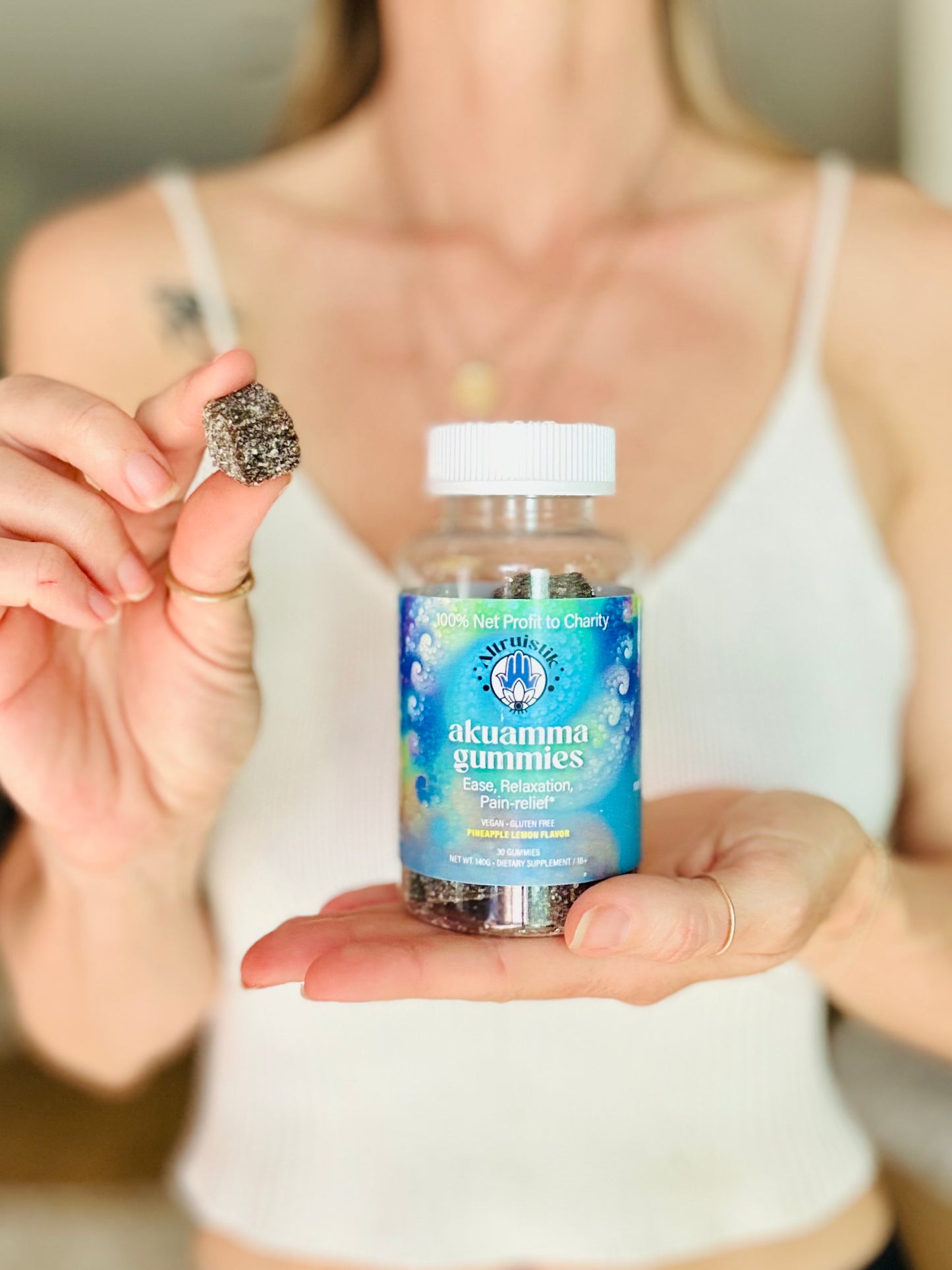
Before Akuamma (Picralima nitida) gained recognition in the global supplement market for its unique blend of calm and physical relief, it was an indispensable part of traditional medicine across West Africa, particularly in Nigeria, Ghana, and Ivory Coast.
Known for its distinctive bitter taste, the Akuamma seed and other parts of the tree were—and still are—revered for their versatility, offering ancient solutions to a wide array of ailments. Understanding its traditional context provides crucial insight into the sophisticated pharmacology that modern science is now validating.
This guide explores the rich history and diverse applications of Akuamma, tracing its journey from local folk remedy to modern wellness supplement.
🌱 The Versatile Power of the Akuamma Tree

In West African herbal medicine, the entire Picralima nitida tree—from the bark and leaves to the root and seeds—was utilized, showcasing a comprehensive approach to health.
- Seeds (The Core Remedy): The seeds are the most potent part, containing the highest concentration of indole alkaloids, including akuammine and pseudoakuammigine. They were, and remain, the go-to traditional treatment for pain, fever, and gastrointestinal issues.
- Bark and Root: Decoctions made from the bark and root were frequently used as a febrifuge (fever reducer) and for conditions related to the digestive system, including diarrhea and acting as a purgative. In some regions, the root was also employed as a traditional remedy for malaria and as an aphrodisiac.
- Leaves and Fruit: The leaves were often used as a vermifuge (to expel intestinal worms), and parts of the fruit were used for treating dysmenorrhea (painful menstruation) and even certain infectious diseases.
Key Traditional Insight: The widespread use across diverse health concerns (pain, fever, inflammation, digestive issues) points to Akuamma’s long-recognized broad-spectrum anti-inflammatory and systemic balancing effects.
🌡️ Traditional Relief: Fever, Pain, and Inflammation

The most documented and universally accepted traditional uses of Akuamma seeds align perfectly with the modern pharmacological focus on its analgesic and anti-inflammatory properties.
- Natural Analgesic: For centuries, crushed or powdered Akuamma seeds were administered orally to alleviate various forms of pain, functioning as a locally available natural painkiller. This tradition is now supported by scientific studies showing that Akuamma alkaloids interact with opioid receptors ($\mu$OR), though with a milder action compared to traditional opioids.
- Antipyretic (Fever Reducer): The plant was highly valued as a febrifuge. This ability to reduce fever indicates its traditional role in combating systemic ailments, often related to infection or inflammation.
- Combatting Malaria: Significantly, extracts from various parts of the plant were, and still are, frequently used in traditional practice as a remedy for malaria. This usage has been explored in scientific research, which confirms the plant's antiplasmodial activities—highlighting its deep-rooted medicinal efficacy against tropical diseases.
In fact, the reliance on its analgesic properties was so strong that one enterprising Ghanaian hospital began manufacturing and selling standardized capsules of the powdered seed under the brand name 'Picap capsules,' widely accepted as a safe and effective pain relief product within the country.
🚽 Gastrointestinal and Systemic Support

Beyond fever and pain, Akuamma’s use in treating gastrointestinal disorders reveals its foundational role in regulating the digestive system—a vital function now linked to the Gut-Brain Axis.
- Anti-Diarrhoeal Properties: The seeds were traditionally employed to treat diarrhea. This use is pharmacologically consistent with the mild binding action of some alkaloids, which can slow excessive gut motility.
- Jaundice and Liver Support: Decoctions of the bark were traditionally used for treating jaundice and ‘yellow fever’ in some communities (e.g., Ivory Coast). While scientific validation is ongoing, this suggests a historical awareness of the plant’s potential role in supporting liver function and detoxification pathways.
- Aphrodisiac Use: Less common, but the root has also been noted in some regions for its traditional use as an aphrodisiac and for treating male sexual weakness, demonstrating the scope of its use in boosting systemic vitality.
➡️ From Folk Medicine to Modern Supplement

The transition of Akuamma from traditional folk medicine to a modern supplement is driven entirely by the confirmation of its traditional uses.
- Alkaloid Confirmation: Modern phytochemistry has confirmed the presence of over 20 indole alkaloids (like akuammine and pseudoakuammigine) that validate the traditional claims of analgesia, anti-inflammation, and antimalarial activity.
- Safety Profile: Traditional widespread use suggests a generally favorable safety profile. Modern toxicological studies further support that Akuamma extracts, when used appropriately, have a high safety margin, making them suitable for responsible supplementation.
The modern use of Akuamma for managing physical discomfort and promoting calm is merely an optimized, standardized evolution of the centuries-old West African practice. We are simply returning to nature's proven solution for systemic balance.

Ready to connect with the ancient wisdom of West African tradition?
Akuamma is more than just a seed; it is a testament to sophisticated folk medicine, validated by modern science. It offers a natural, time-tested approach to managing the physical discomfort and inflammatory response that can undermine your well-being.
Honor the journey from seed to supplement. Embrace the holistic relief trusted for generations— Explore the benefits of high-quality Akuamma supplements today and integrate this powerful African botanical into your modern wellness routine!