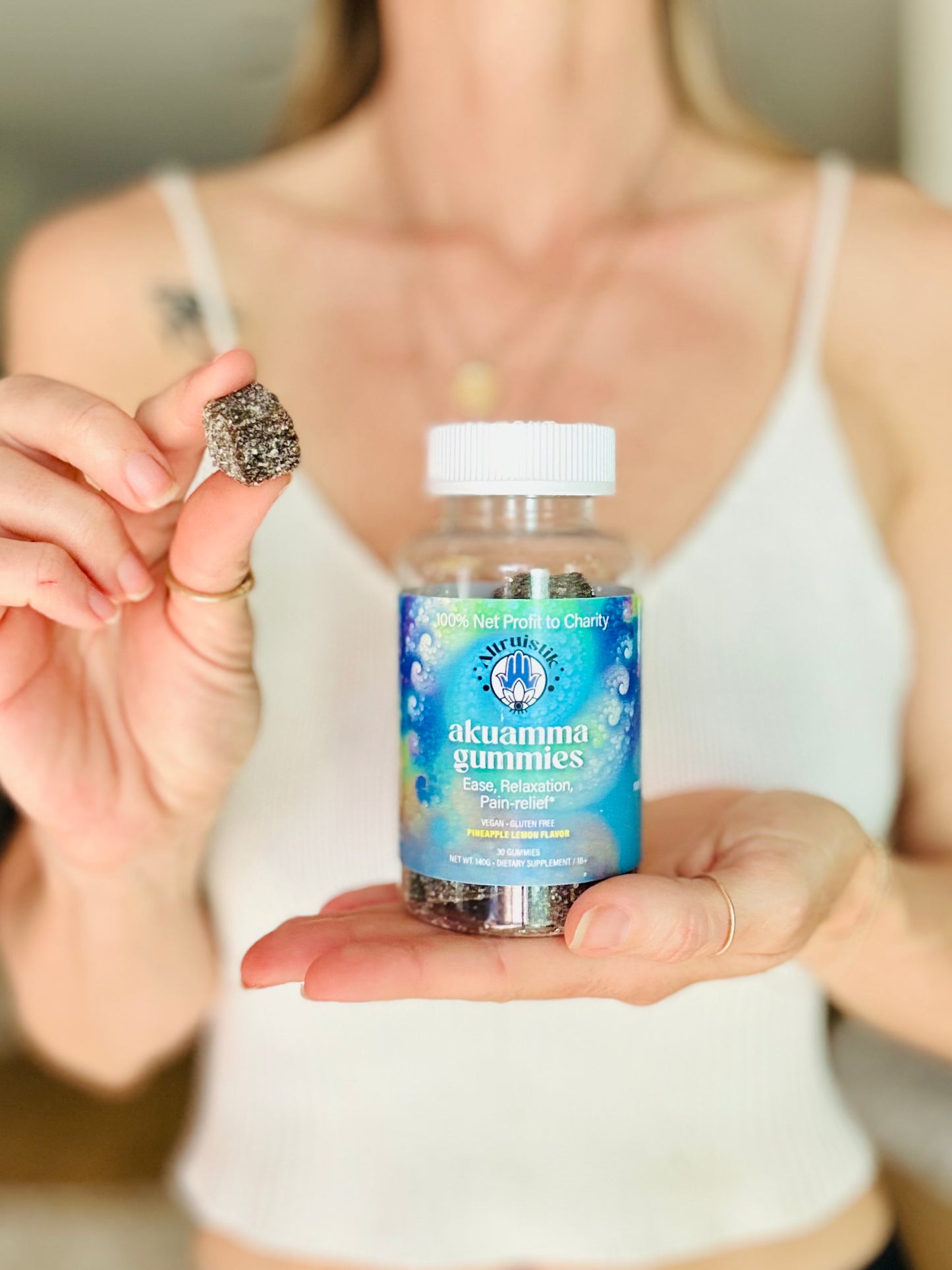
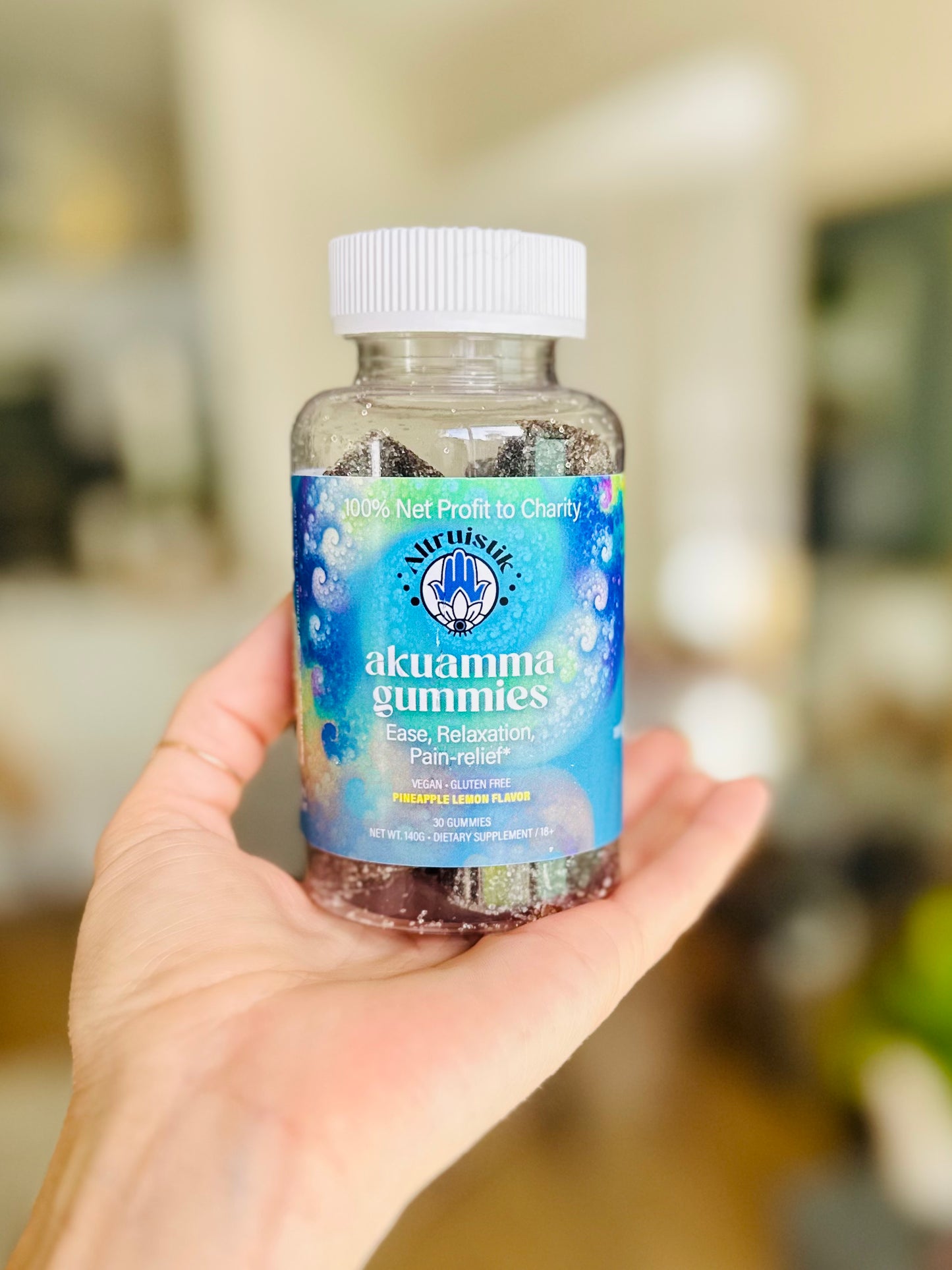
If your nights are plagued by the irresistible urge to move, leg cramps, or general body discomfort, you know that standard sleeping pills often miss the mark. Sleep isn't just about sedation; it's about the quality of rest, which can be impossible to achieve when your body is fighting you.
Enter Akuamma ( Picralima nitida), a West African traditional medicine gaining popularity for its unique ability to calm the body's internal restlessness. Akuamma's power lies not just in making you sleepy, but in addressing the physiological barriers that prevent restorative sleep.
Addressing the Root of Sleeplessness: The Anti-RLS Advantage

Akuamma moves beyond simply treating general insomnia by targeting the nocturnal discomforts that actively disrupt sleep architecture.
The Dual Power of Alkaloids
The seeds of the Akuamma tree contain powerful indole alkaloids, such as akuammine and pseudo-akuammigine. These compounds are known to act as analgesics (pain relievers) and have muscle-relaxing properties.
- Relief from Muscular Agitation: For sufferers of Restless Leg Syndrome (RLS)—a sensorimotor disorder characterized by an unpleasant urge to move the legs, especially at rest—or persistent night cramps, this muscle-relaxing and mild analgesic effect is transformative. By easing the tension and the uncomfortable, often painful, sensations in the limbs, Akuamma removes the primary physical barrier to falling asleep.
- Targeted Comfort: Unlike broad sedatives, Akuamma offers a physiological solution to RLS discomfort, allowing the restless body to finally find peace and stillness, which is essential for initiating sleep. It calms the source of the agitation, not just the consciousness.
The Dopaminergic Connection: A Smooth, Subtle Hypothesis

Restless Leg Syndrome is strongly linked to dysfunction in the brain’s dopamine pathways. While pharmaceutical RLS treatments often involve potent dopamine agonists, emerging hypotheses suggest Akuamma may offer a smoother, more subtle modulation.
Alkaloids and Neuromodulation
Akuamma’s alkaloids are primarily noted for their weak agonism at the Mu-opioid receptor ( µOR). However, because the opioid system and the dopamine system are interconnected in the brain regions responsible for movement and reward, a secondary effect on dopamine signaling is plausible.
- Filling the Gap (The RLS Theory): The urge to move in RLS is thought to be the brain’s attempt to self-medicate a dopamine deficit in certain motor regions. Akuamma's interaction with related receptors may provide a gentle corrective signal, reducing the overwhelming neurological "urge" that characterizes RLS.
- Avoiding Augmentation: This subtle, natural modulation is hypothesized to avoid the significant risk of augmentation (the worsening of RLS symptoms over time) and impulse-control issues often associated with high-potency synthetic dopaminergic drugs. Akuamma’s action is thought to be gentler and more holistic.
The Shift to Deep Sleep: Restorative NREM Quality

The most crucial benefit of physical stillness is the resulting quality of sleep. Akuamma is valued because it facilitates the shift into genuinely restorative sleep cycles.
Facilitating NREM (Non-REM) Sleep
Deep sleep, or Slow Wave Sleep (SWS), is the stage of Non-Rapid Eye Movement (NREM) sleep considered the most restorative for the body and mind .
- From Stillness to Depth: By eliminating the sensory and muscular agitation (the urge to move or the pain of cramps), Akuamma allows the nervous system to truly downshift. This smooth transition bypasses the typical latency caused by discomfort and facilitates a quicker and more robust descent into the SWS stage.
- More Than Just Sedation: Users report that Akuamma doesn’t just "knock them out," but rather creates a foundational physical quietness that enables the natural sleep architecture to take hold. This results in sleep that is deeper, less fragmented, and fundamentally more restorative.
Formulation Focus: Peak Effectiveness and Timing

To maximize Akuamma's benefits for nocturnal discomfort, the form and timing of consumption are key.
Choosing the Optimal Form
While raw powder and tea are available, capsules or infused gummies are often recommended for sleep support.
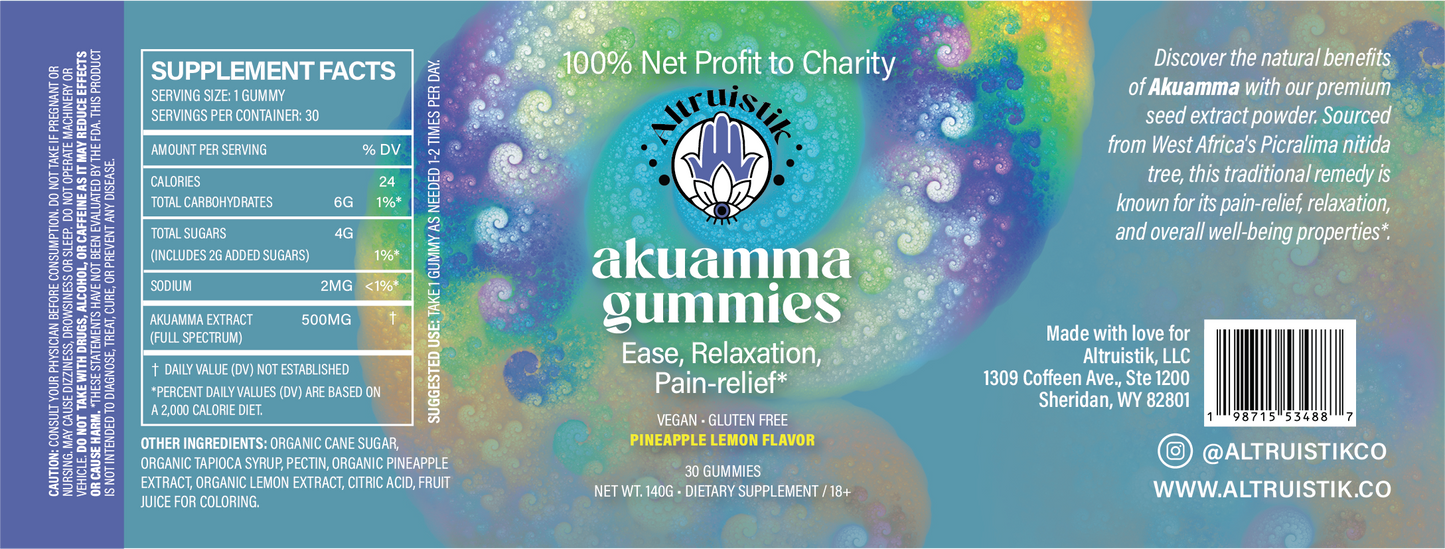
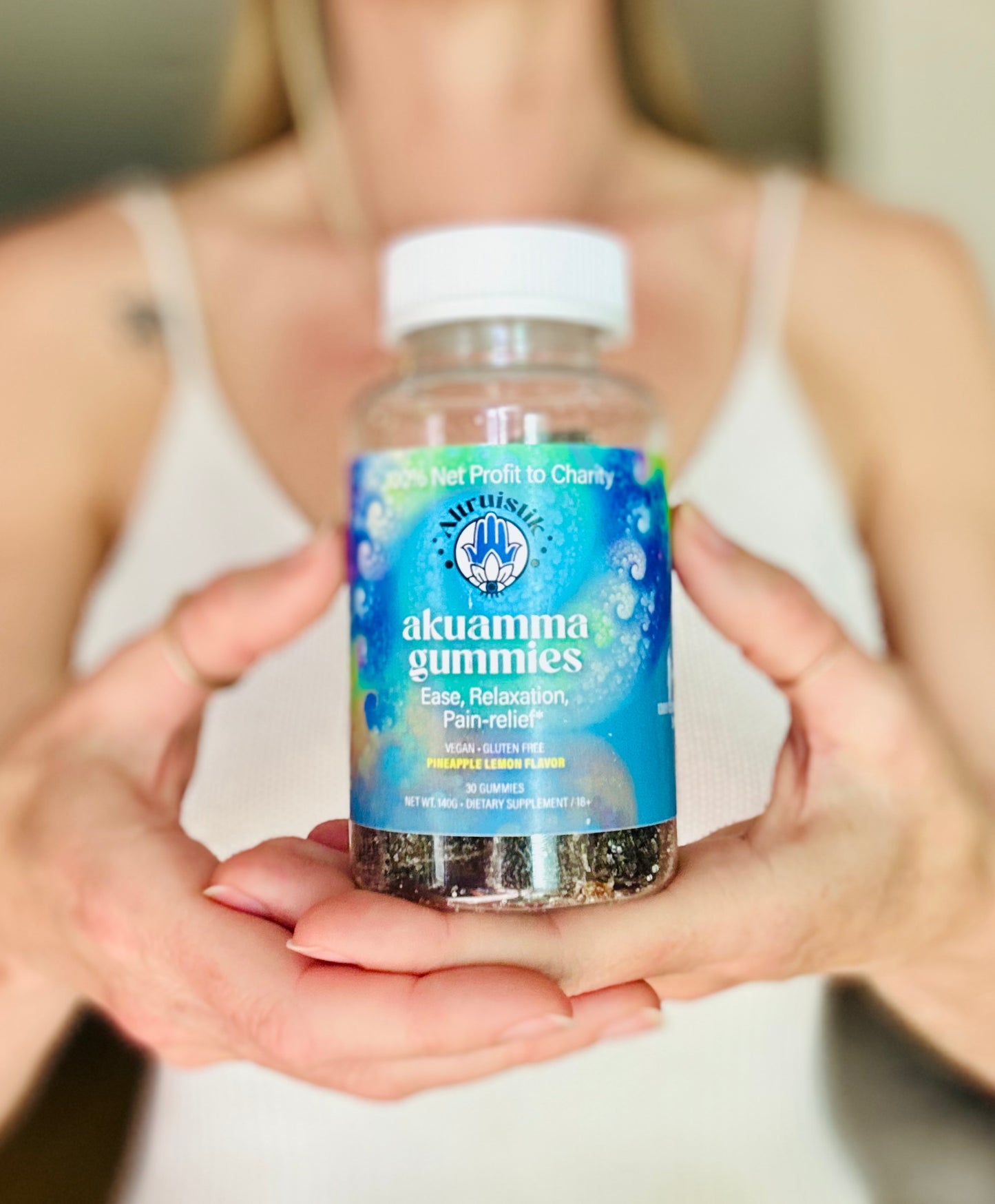
- Gummies/Capsules: These provide a consistent, measured dose, eliminating the guesswork and variable absorption associated with traditional teas. The concentrated nature ensures the maximum amount of active alkaloids is available.
- The Timing Window: For RLS and night cramps, the product needs to reach peak plasma concentration right as symptoms typically begin (often late evening). Consume the Akuamma 30 to 60 minutes before your desired bedtime. This allows the muscle-relaxing and calming effects to be fully present when you lay down.
The Non-Grogginess Promise: Waking Up Refreshed

One of the biggest drawbacks of many conventional sleep aids is the "hangover effect," leaving the user groggy, slow, and mentally clouded the next morning. Akuamma offers a distinct difference.
- A Clean Wake-Up: Because Akuamma facilitates natural, restorative deep sleep rather than heavy, artificial sedation, users frequently report waking up feeling alert, clear-headed, and truly refreshed.
- Sustained Energy: This feeling of non-grogginess is the hallmark of a system that has successfully entered and completed its restorative cycles, ready to face the day with sustained energy and focus. It’s a clean break from sleep, not a struggle out of unconsciousness.
💤 Ready to Silence Your Restless Legs and Sleep Deeper?
You deserve a night of sleep where your body is a source of calm, not chaos. By targeting the underlying physical tension and potential neurological agitation, Akuamma offers a breakthrough for those battling RLS and nocturnal cramps.
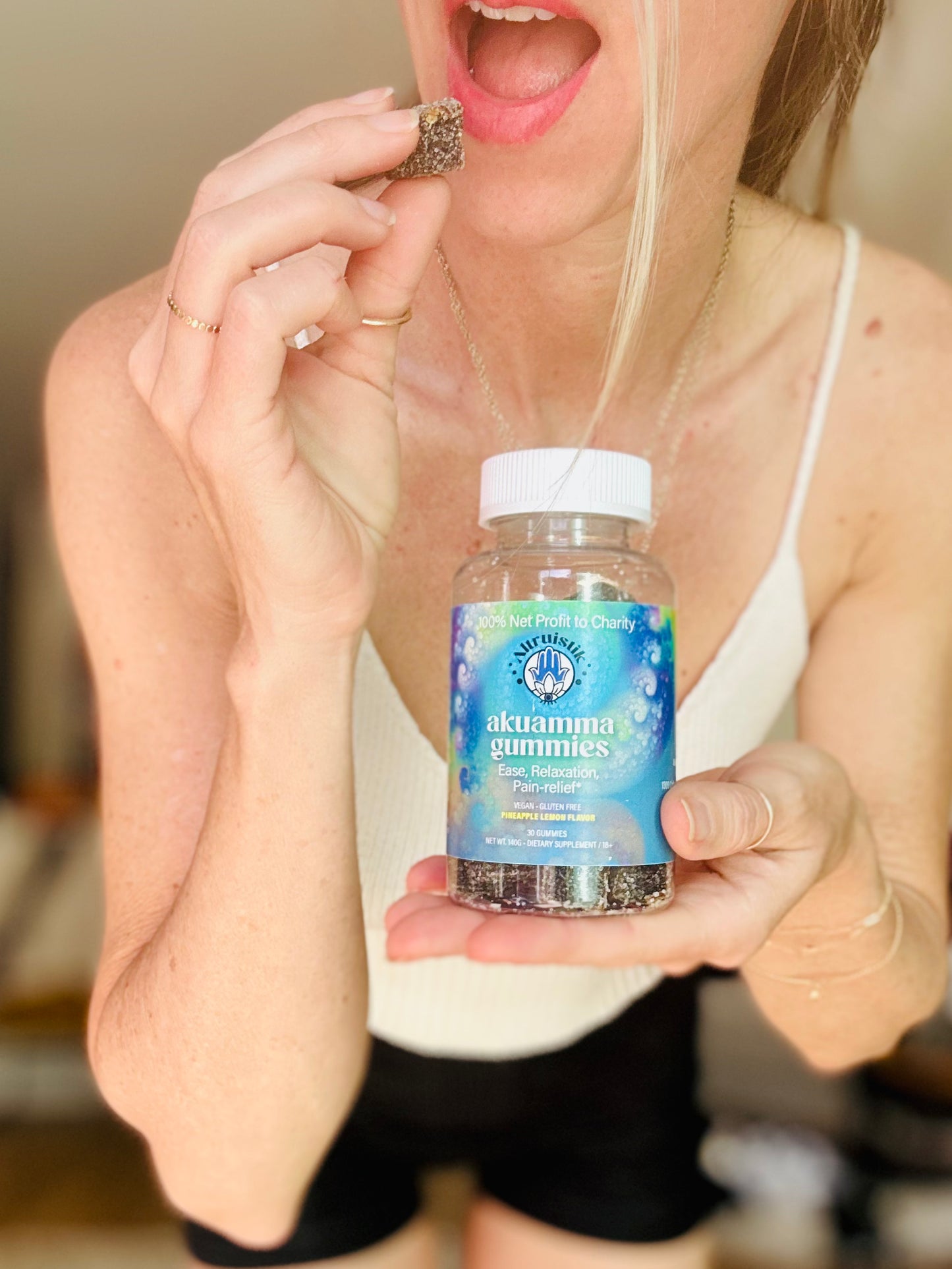
Take the first step toward genuine, restorative rest. Try Akuamma gummies tonight—feel the subtle tension melt away, experience the quick descent into deep sleep, and wake up feeling truly refreshed and ready to embrace your day without the groggy hangover.