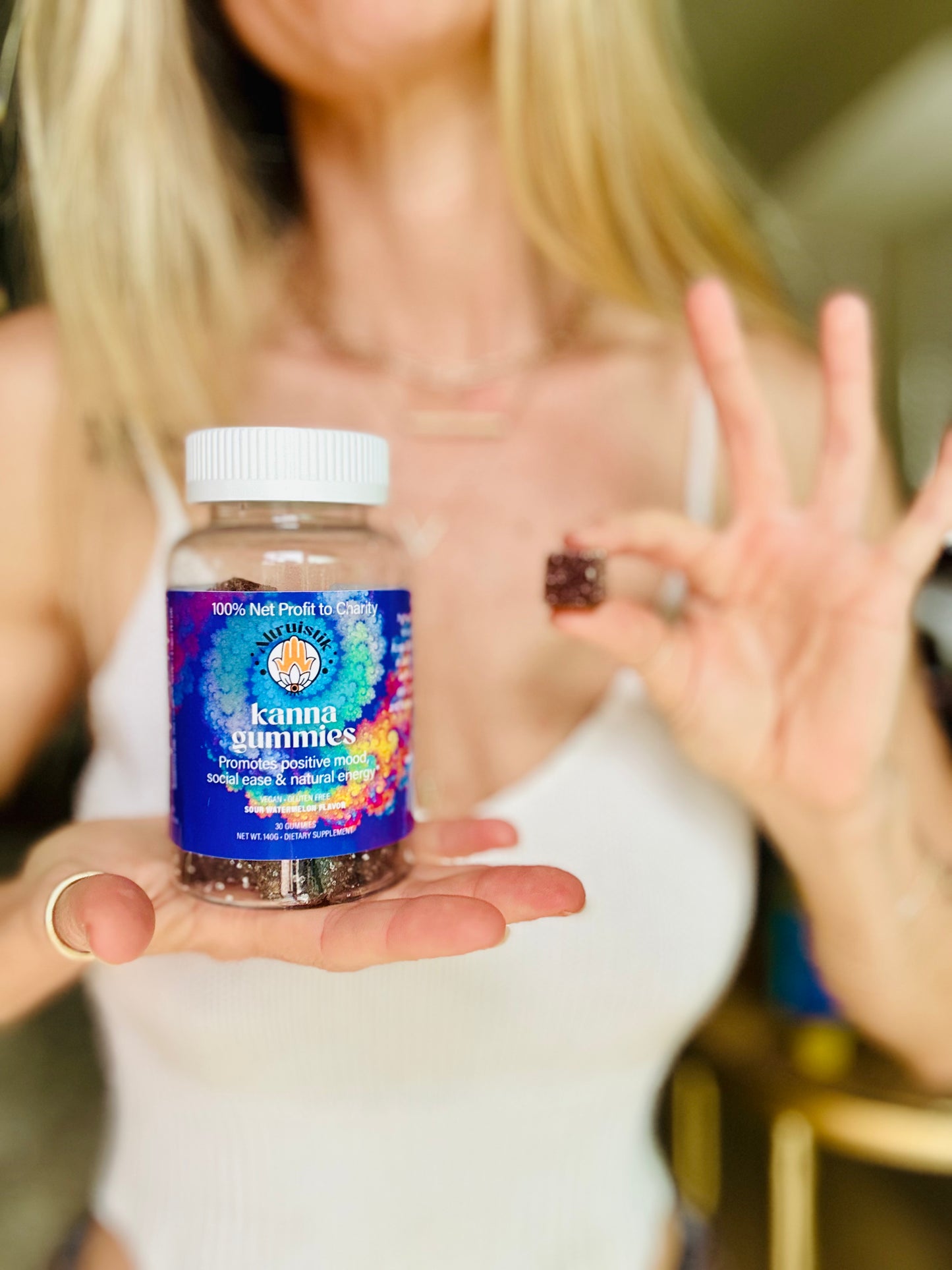
Kanna (Sceletium tortuosum) is a powerful South African botanical gaining global recognition for its remarkable ability to reduce anxiety, elevate mood, and improve focus. However, as with any potent substance that directly affects brain chemistry, Kanna must be approached with informed caution and responsibility.
Before integrating Kanna into your wellness routine, it is absolutely essential to understand its pharmacological mechanism and the serious risks associated with certain drug interactions. This guide provides a transparent, authoritative overview of Kanna’s safety profile, focusing on critical interactions and common side effects.
🛑 The MAOI Warning: A Historical Imperative

Kanna’s safety profile is often historically tied to the concept of Monoamine Oxidase Inhibitors (MAOIs), a class of compounds that block the enzymes responsible for breaking down neurotransmitters like serotonin, dopamine, and norepinephrine.
- Kanna's Role: While Kanna is primarily categorized as a Weak Serotonin Reuptake Inhibitor (SRI) and a Mesembrine Reuptake Agent (MRA), the plant does contain trace alkaloids that may exert mild MAOI activity.
- The Danger: Combining Kanna with other MAOIs (either prescription drugs or other supplements/foods like those containing high Tyramine) can lead to a dangerous buildup of neurotransmitters.
- The Rule of Caution: Even though Kanna is considered a weak inhibitor, the potential for adverse reactions necessitates extreme caution. If you are currently taking any prescribed MAOI medication (often used for depression or Parkinson's disease), you must not use Kanna.
Critical Takeaway: When in doubt, always treat Kanna with the same caution reserved for substances that affect MAO levels. Consulting a professional is non-negotiable.
🚫 Kanna and SSRIs/SNRIs: The Serotonin Syndrome Danger

This is arguably the single most important safety consideration for Kanna users. Kanna's primary mood-lifting mechanism involves increasing the availability of serotonin in the brain (like many popular antidepressants).
- The Mechanism Clash: Selective Serotonin Reuptake Inhibitors (SSRIs) and Serotonin-Norepinephrine Reuptake Inhibitors (SNRIs) work by the exact same mechanism: preventing the reabsorption of serotonin, keeping it active in the synapse.
- The Overload: When you combine Kanna with an SSRI (like Prozac, Zoloft, or Lexapro) or an SNRI, you create a synergistic—and dangerous—overload of serotonin in the central nervous system.
- The Risk: Serotonin Syndrome: This is a potentially life-threatening reaction that results from excessive serotonin activity. Symptoms range from mild (tremor, diarrhea, dilated pupils) to severe (fever, seizures, irregular heartbeat, loss of consciousness).
A Warning in Bold: NEVER mix Kanna with prescription antidepressants (SSRIs, SNRIs, TCAs, or MAOIs). This combination poses a serious, acute risk of Serotonin Syndrome and must be avoided. If you wish to transition to Kanna, you must first be safely weaned off prescription medication under the direct supervision of your prescribing physician.
🤢 Common, Minor Side Effects: Troubleshooting Your Experience

When consumed responsibly and without dangerous drug interactions, Kanna's side effects are generally mild, dose-dependent, and transient. Understanding these common issues helps users optimize their dosage and experience.
|
Side Effect |
Cause |
Prevention & Solution |
|
Nausea or Upset Stomach |
Often occurs with higher doses or consumption on an empty stomach; can be due to rapid alkaloid absorption. |
Start with a very low dose. Take Kanna with a small meal or snack to buffer the absorption rate. |
|
Mild Headache |
Typically associated with higher doses or rapid increase in dosage; may be linked to vasoconstriction. |
Stay well-hydrated. Reduce the dosage slightly or split your total dose into two smaller servings throughout the day. |
|
Increased Heart Rate (Tachycardia) |
A temporary effect reported by some sensitive users, often due to adrenergic activity. |
Monitor initial doses carefully. If heart rate increases persist or feel alarming, discontinue use and consult a doctor. |
|
Mild Dizziness/Sedation |
Can occur if the dose is too high, pushing the effects past mood lift toward relaxation/sedation. |
Do not drive or operate machinery until you know your response. Reduce the evening dose if next-day grogginess occurs. |
⚖️ Legal Status and Responsible Use: Prioritizing Safety

Kanna’s legal status is largely uncomplicated, but the responsibility of consumption falls entirely on the user.
- Legal Status: Kanna (Sceletium tortuosum) is generally legal in the United States and most countries globally. It is not currently scheduled under the Controlled Substances Act. This ease of access, however, should not be mistaken for guaranteed safety.
- Prioritizing Purity: Always purchase Standardized Extracts from reputable, transparent suppliers. Quality control ensures you are receiving a consistent and clean product, minimizing the risk associated with impure or adulterated plant material.
- The Final Step: Medical Consultation: No online guide can replace the advice of a medical professional. Because Kanna interacts with major neurological pathways, always inform your doctor or pharmacist before starting Kanna, especially if you are taking any supplement or prescription drug.

Ready to integrate the ancient power of Kanna into your modern life?
Kanna offers a remarkable, natural path to better mood, reduced anxiety, and sharper focus. By adhering strictly to safety guidelines—particularly avoiding all contraindicated medications—you can unlock its full, profound potential.
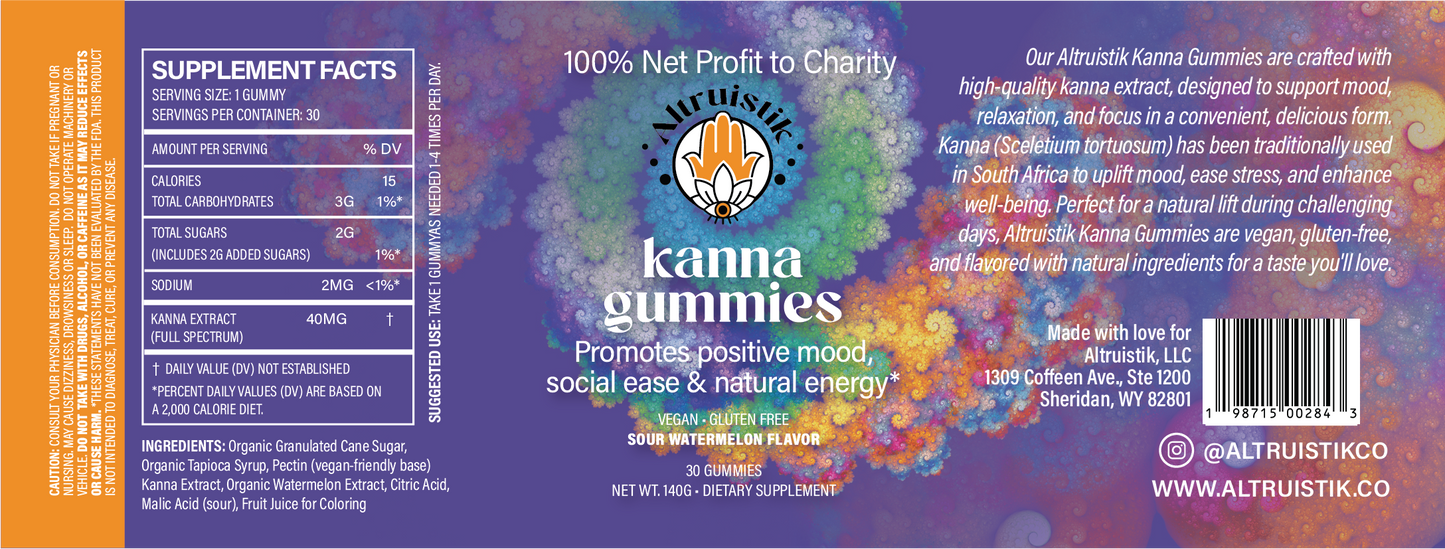
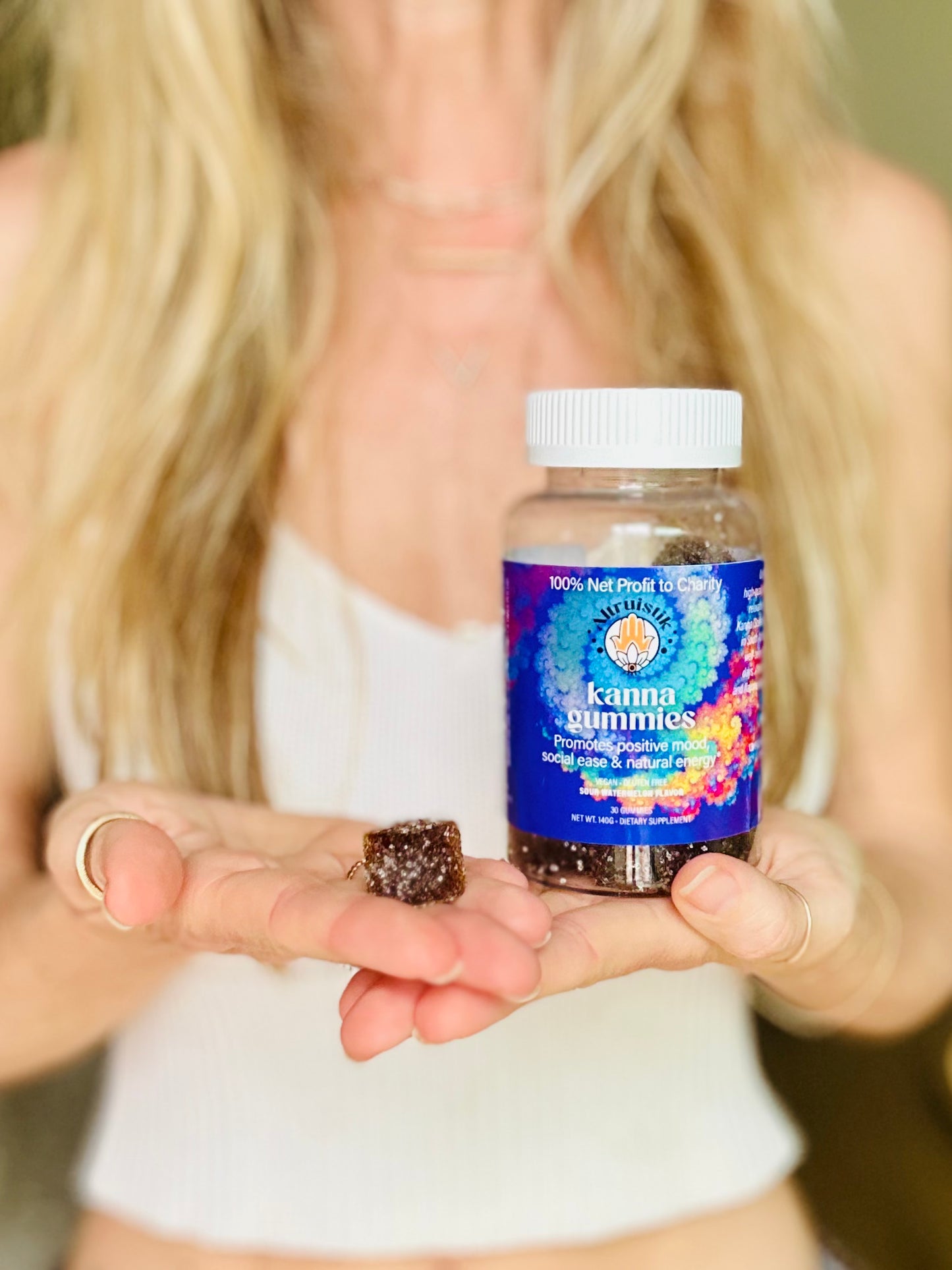
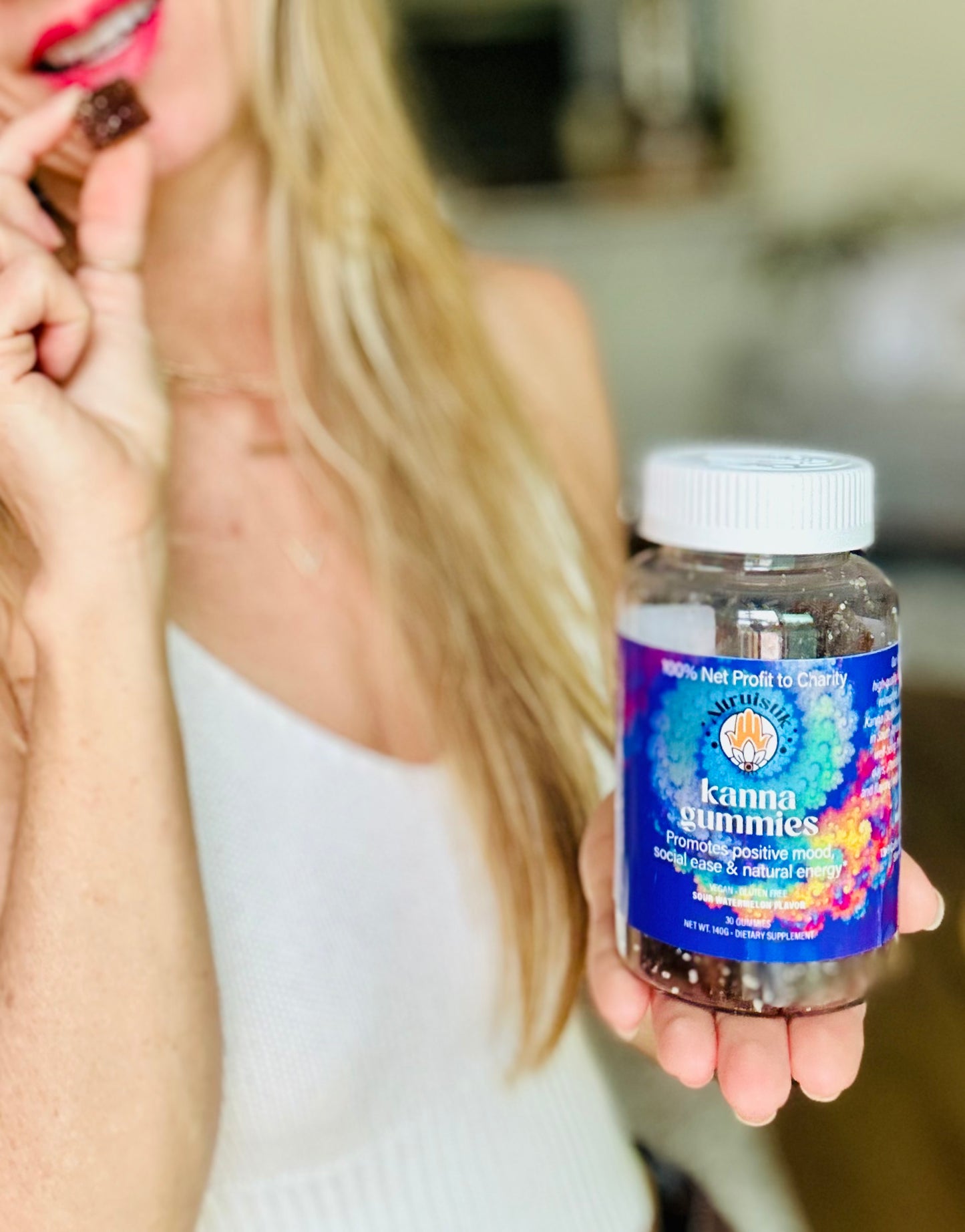
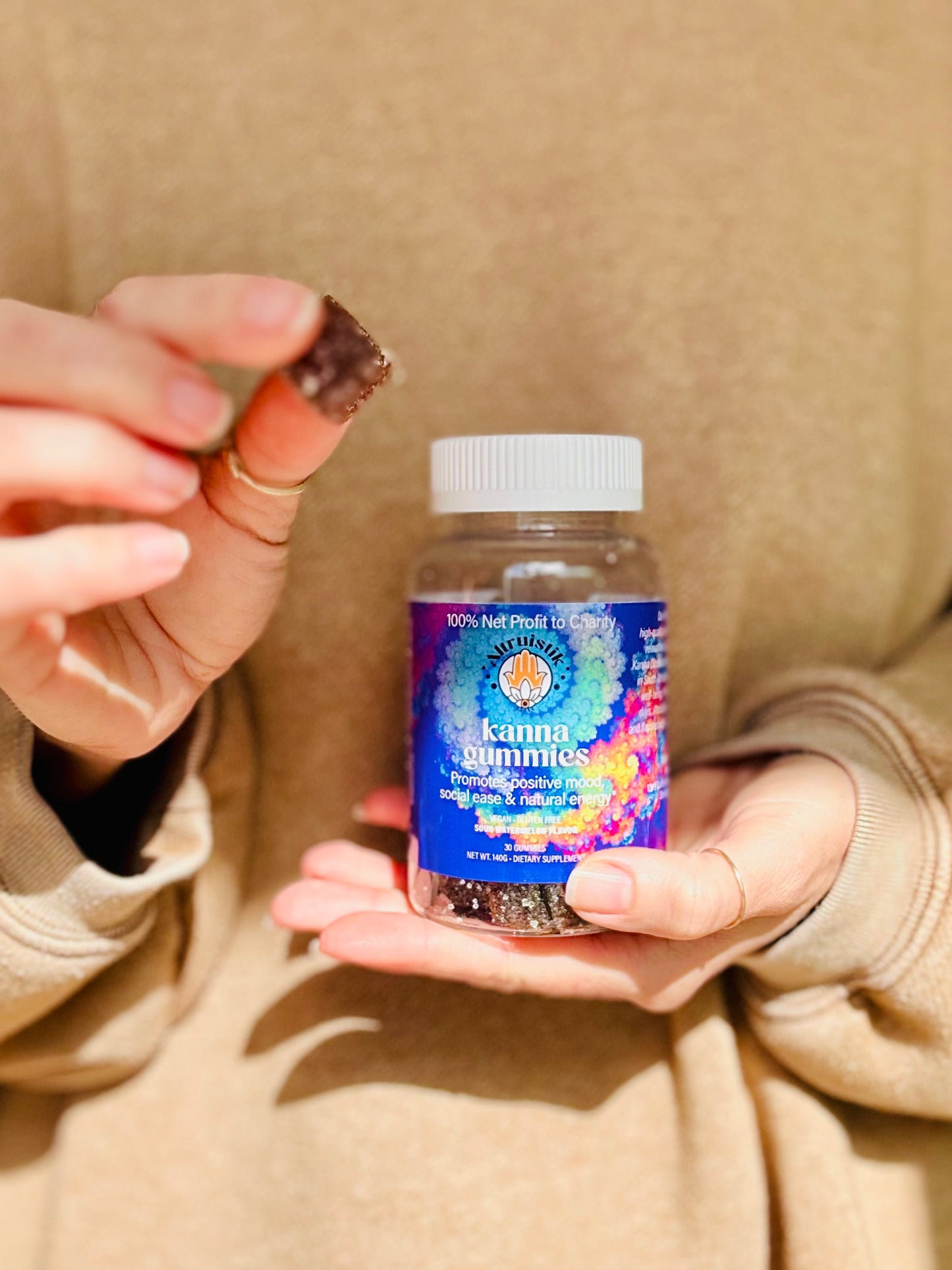
Our high-quality Kanna Gummies offer a precisely dosed, delicious way to start your journey responsibly. Take control of your well-being with confidence and care—explore the benefits of Kanna Gummies today and embrace a calmer, more focused you!