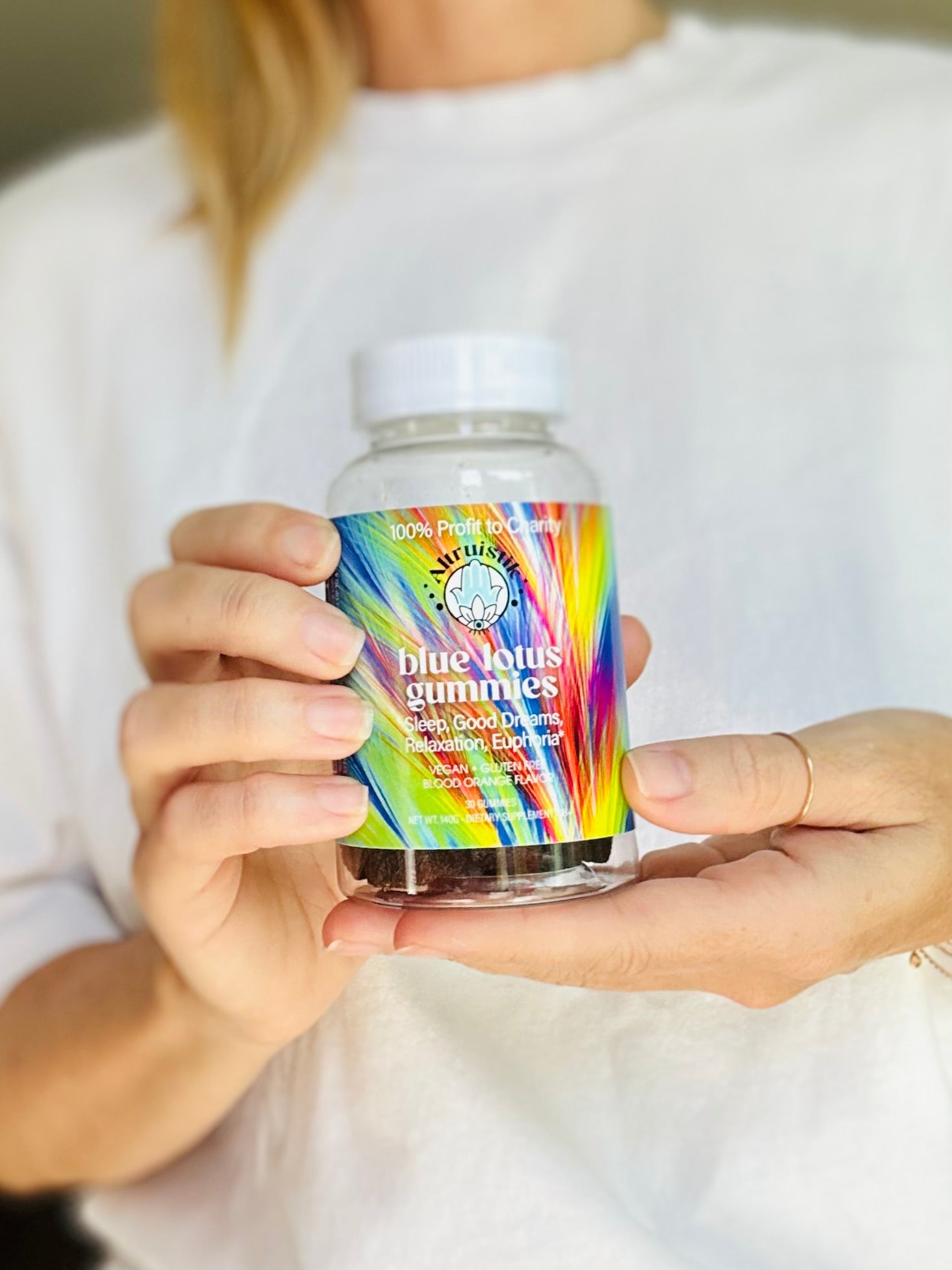
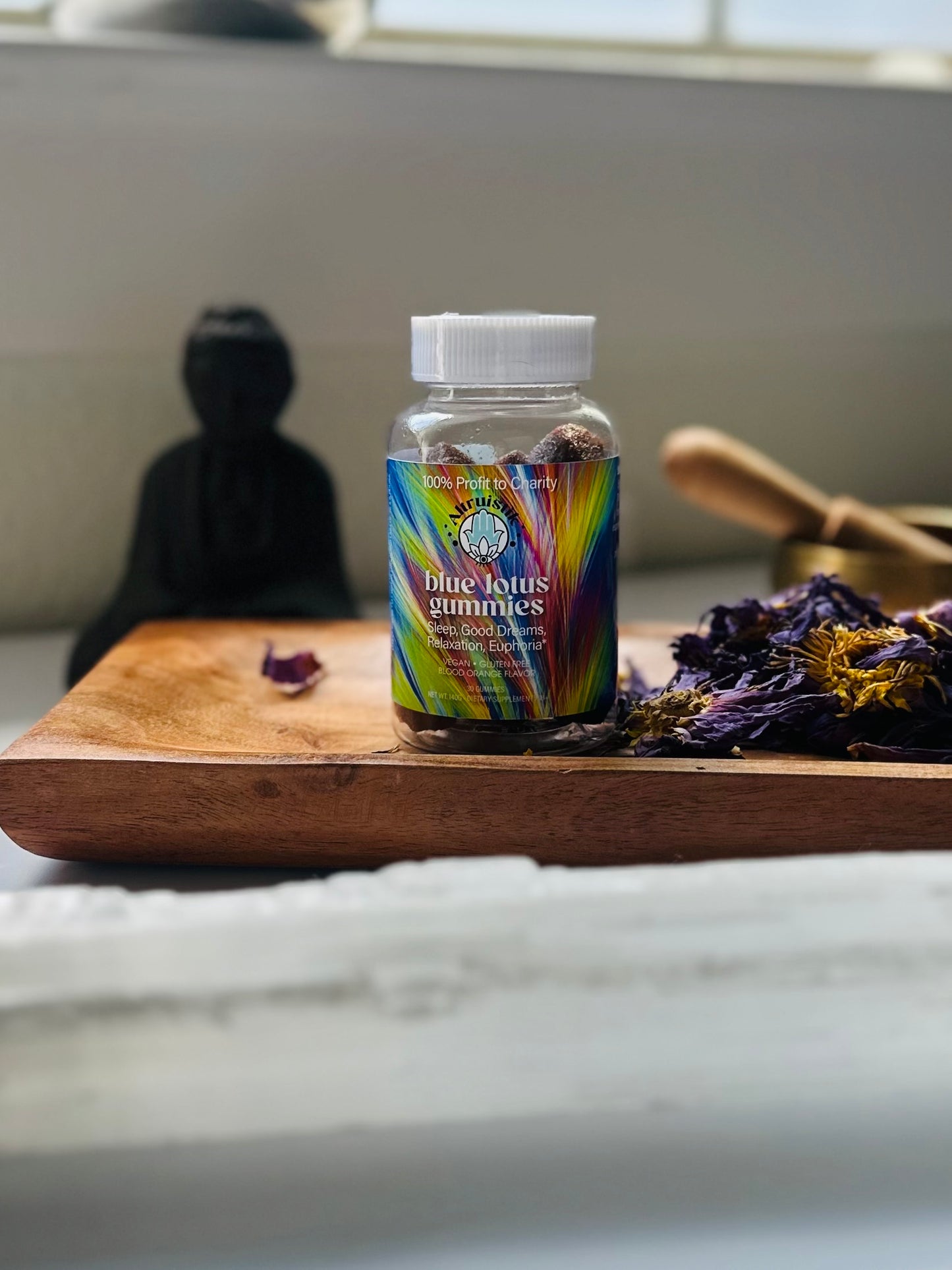
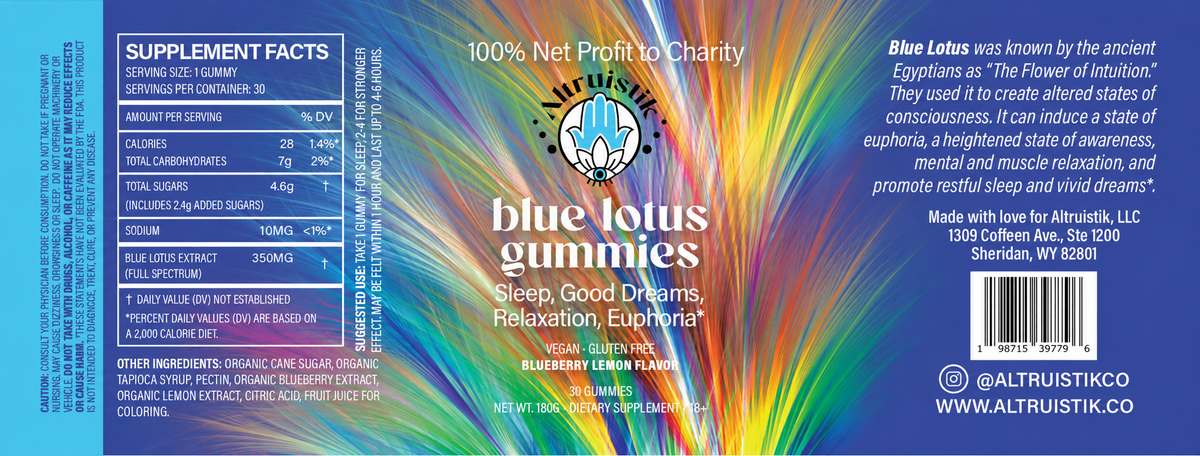
Blue Lotus (Nymphaea caerulea) has enjoyed a resurgence in popularity for its gentle, relaxing, and mood-lifting properties. However, as demand grows, so does the proliferation of low-quality or outright fake products on the market. Trusting your source is paramount, not just for efficacy, but for absolute safety.
The potential for contamination, mislabeling, or adulteration is a serious concern that every consumer must address. This comprehensive guide provides you with the knowledge and tools to confidently distinguish genuine, pure Blue Lotus from questionable imitations.
🛑 The Adulteration Problem: Why Purity Matters

The unregulated nature of the herbal market means that certain high-demand botanicals, including Blue Lotus, are susceptible to being compromised by unscrupulous vendors looking to cut costs or enhance effects illegally.
The most common and dangerous forms of adulteration include:
- Artificial Coloring: Authentic Blue Lotus flowers naturally have a pale to medium blue-purple hue when dried. Some vendors use synthetic blue dyes to make low-quality or old flowers appear vibrant and fresh, disguising their age and lack of potency.
- Botanical Misidentification: Selling similar but ineffective species, such as ordinary water lilies, or mixing the genuine Nymphaea caerulea with the cheaper, non-psychoactive White Lotus (Nymphaea lotus) to increase bulk.
- Contamination with Illicit Substances: The most dangerous risk. Due to its mild psychoactive reputation, some illicit products marketed as Blue Lotus have been found laced with synthetic cannabinoids (like K2/Spice), which are highly illegal and can cause severe, dangerous adverse reactions.
Your Safety Net: If a price seems too good to be true, the product's purity is likely compromised. Never purchase Blue Lotus from a vendor who cannot prove their sourcing and testing.
🧪 The COA Requirement: Your Non-Negotiable Proof of Purity

A Certificate of Analysis (COA) from an accredited, independent third-party laboratory is the single most reliable piece of evidence guaranteeing product safety and purity. Never buy from a vendor who does not readily provide a current COA for the specific batch you are purchasing.
Key Parameters to Scrutinize on the COA:
- Identity Confirmation: The report must clearly state that the sample is 100% Nymphaea caerulea and rule out other species.
- Alkaloid Analysis (Potency): Look for readings of the two primary active alkaloids:
- Aporphine: The compound linked to mild mood-lifting and dopamine-like effects.
- Nuciferine: An alkaloid known for its sedative and relaxing properties.
- While standardization is difficult, the COA should confirm the presence of these compounds and their relative levels to ensure potency.
- Contaminant Screening (The Most Critical Step): The COA must show comprehensive testing for:
- Heavy Metals: Lead, Mercury, Arsenic, etc.
- Pesticides: Essential for botanicals not labeled as organic.
- Microbial Contaminants: Yeast, mold, and harmful bacteria (E. coli, Salmonella).
- Solvents: If buying an extract, the COA must confirm minimal or zero residual solvents.
- Synthetic Substances: The gold standard COA will actively test for a panel of synthetic compounds (e.g., synthetic cannabinoids) to rule out illicit lacing.
👃 Appearance and Aroma Check: Hands-On Verification

Once you receive the product, you can conduct immediate sensory checks to confirm quality:
|
Feature |
Sign of Purity (What to Look For) |
Sign of Poor Quality/Fakes (Red Flags) |
|
Color |
Pale to Medium Blue/Periwinkle. The color should look naturally delicate, sometimes with hints of purple or green from the dried sepals. |
Uniform, unnatural, bright, or neon blue. This indicates artificial dyeing to hide dullness. |
|
Structure |
Intact Petals and Sepals. Look for whole flowers or large, recognizable dried pieces. |
Excessive dusty debris or powder—this suggests low-quality processing or mixed fillers. |
|
Aroma |
Subtle, Earthy, and Slightly Sweet/Floral. The fragrance is not aggressive; it is delicate and gentle. |
Strong, chemically, or perfume-like smell. This may indicate added fragrances or residual solvents (in extracts). |
|
Water Test |
When brewed as tea, the water should turn a pale, natural light-blue or greenish-yellow. |
If the water immediately turns a deep, startlingly vibrant blue (like food coloring), the product is dyed. |
🧊 Storage and Shelf Life: Protecting Your Investment

Even the purest Blue Lotus will lose its potency if not stored correctly. Alkaloids, especially nuciferine and apomorphine, are sensitive to light, heat, and air.
- Keep it Airtight: Always store the dried flowers or extracts in an airtight container (e.g., a sealed mason jar). Exposure to oxygen accelerates oxidation, which degrades the active compounds.
- Dark and Cool is Best: Store the container in a dark, cool cupboard or pantry, away from direct sunlight, windows, and heat sources (like ovens or stovetops). Light and heat are the primary enemies of alkaloid preservation.
- Optimal Shelf Life: Properly stored dried flowers can maintain potency for up to 12 months. If the aroma fades significantly or the color dulls to brown, its therapeutic benefits have likely diminished. Do not use the product past this point, especially if mold is suspected.

Ready to bypass the fakes and find true tranquility?
Sourcing pure Blue Lotus is an act of self-care. By demanding third-party testing and trusting your instincts on quality, you ensure you are receiving the genuine, time-honored botanical used by the pharaohs.
Don't compromise on purity for peace of mind. Choose a vendor committed to transparency and quality. Try our fully tested Blue Lotus Tea today and experience the gentle, authentic serenity that only 100% pure Nymphaea caerulea can deliver!