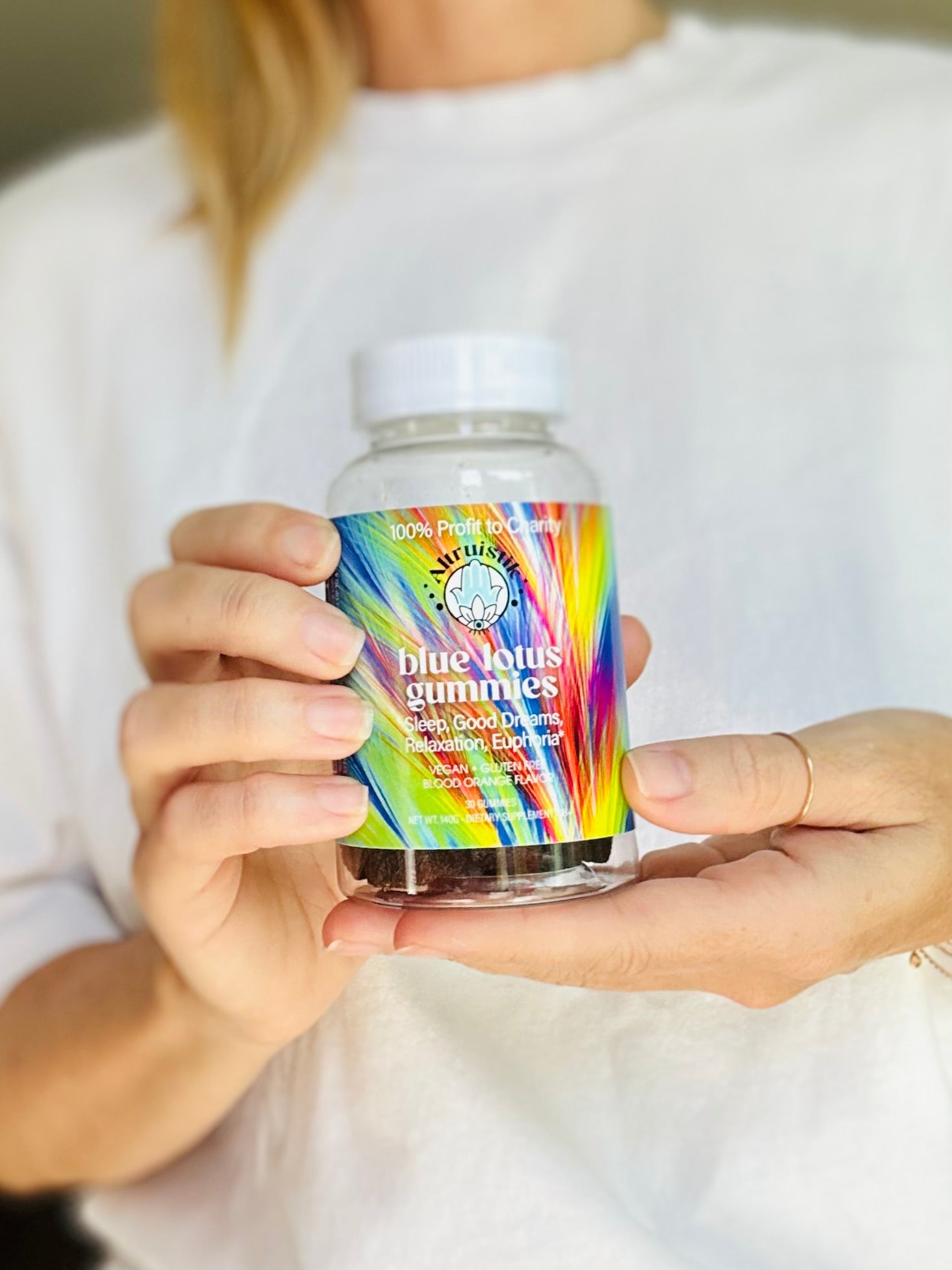
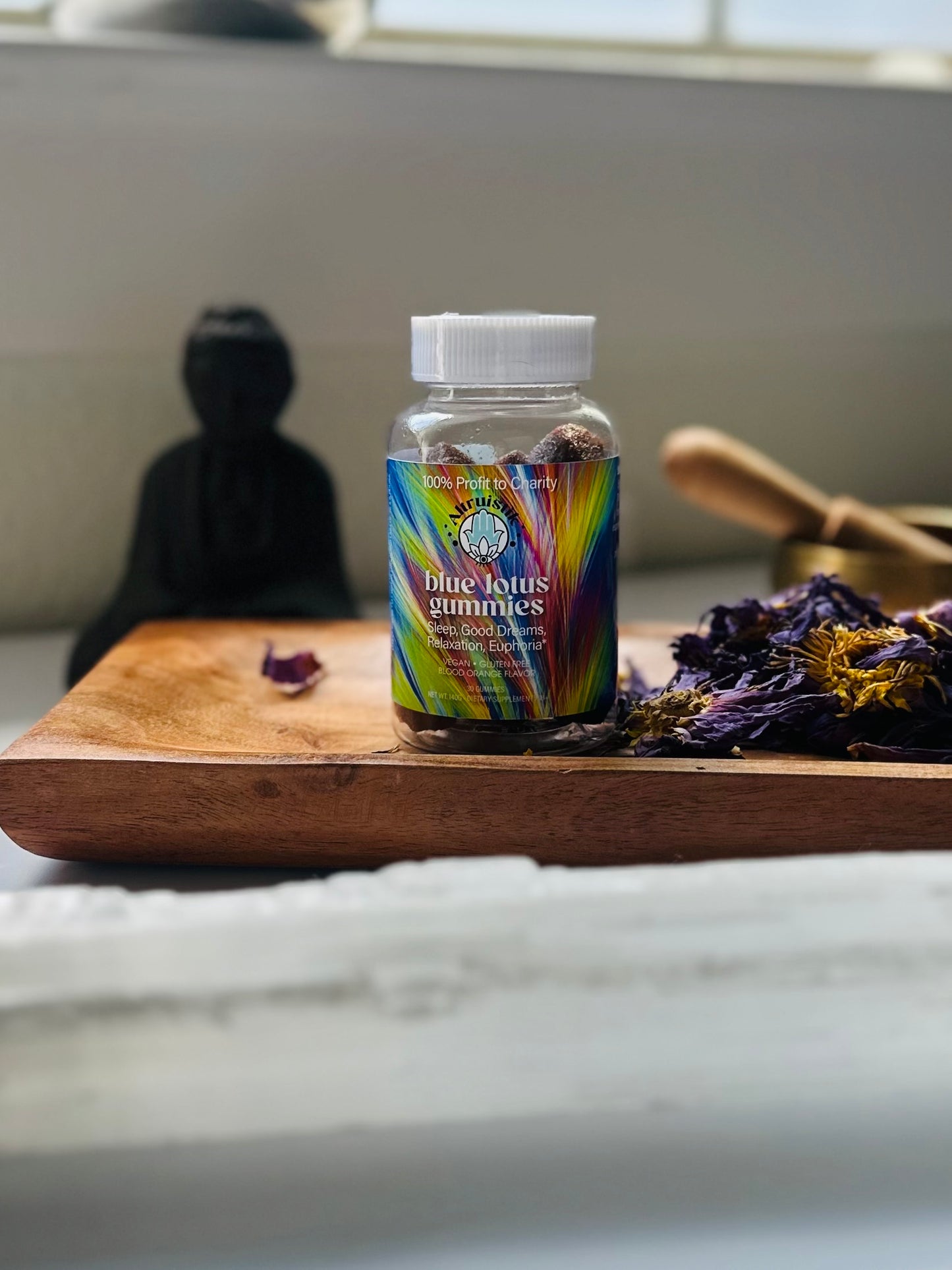
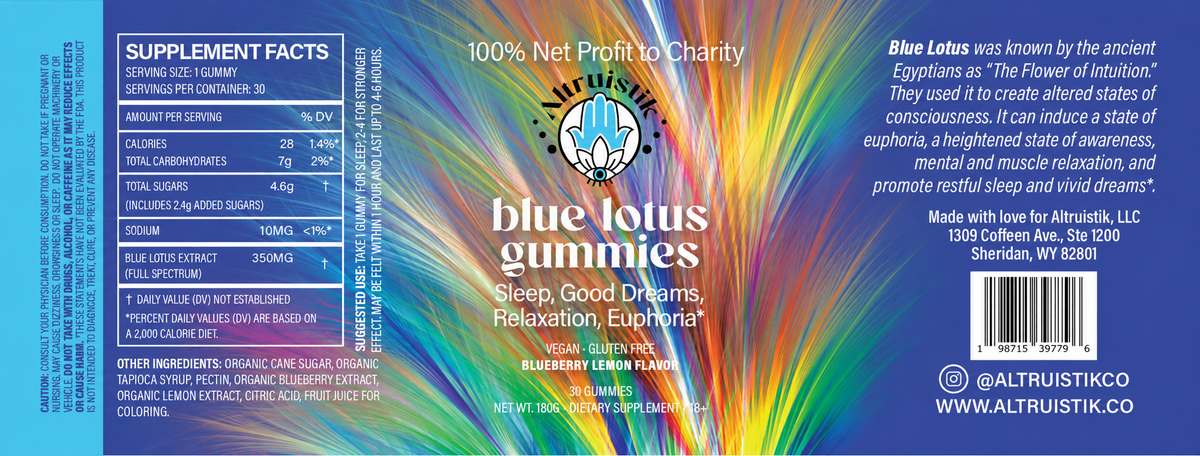
In the quest for natural calm and better sleep, two ancient botanicals often rise to the top: the revered Blue Lotus (Nymphaea caerulea) of ancient Egypt, and the powerful root of the Pacific, Kava-Kava (Piper methysticum).
While both herbs promise relief from stress and anxiety, their underlying mechanics, experiential effects, and ideal uses are vastly different. Choosing the right one means understanding the specific job each plant is best suited for. This guide breaks down the ultimate showdown to help you choose your perfect natural ally.
I. Core Mechanism of Action: Onset and Effect
The fundamental difference between Blue Lotus and Kava lies in the type of psychoactive compounds they contain and how those compounds interact with the brain.
Blue Lotus: The Alkaloid Alchemist
Blue Lotus's primary active compounds are alkaloids, specifically Aporphine and Nuciferine.
- Aporphine acts as a dopamine receptor agonist, which contributes to the plant's mild, gentle euphoric, and dream-enhancing qualities.
- Nuciferine is known for its calming properties and may interact with dopamine and serotonin receptors.
- Onset and Effect: The effects are generally slow to moderate and tend to be subtle, hazy, and meditative. Blue Lotus is valued for promoting a sense of well-being and preparing the mind for sleep by initiating a meditative calm rather than suppressing anxiety directly.
Kava-Kava: The Kavalactone Accelerator
Kava's efficacy comes from a group of compounds called Kavalactones.
- Mechanism: Kavalactones primarily work by modulating the GABA (ϒ-Aminobutyric Acid) receptors in the brain. GABA is the brain’s main inhibitory neurotransmitter, essentially the "brake pedal" for neurological activity.
- Onset and Effect: Kava’s action is notoriously fast and direct. It provides an immediate, tangible sense of physical relaxation and powerful, clear-headed anxiety reduction. This rapid onset makes it uniquely suited for acute or situational stress.
Key Distinction: Blue Lotus gently nudges your mind toward calm (meditative), while Kava decisively stops the anxiety signal (anxiolytic).
II. The Experience Report: Social vs. Spiritual

The subjective experience of consuming these two plants places them in entirely separate categories of use.
Kava: The Social Relaxant
Kava is traditionally consumed in the Pacific Islands for social, communal, and ceremonial purposes.
- Experience: Users report a clear-headed calm with a distinct physical relaxation. It often results in a mild euphoric lift, enhanced sociability, and the feeling of having the "edges rounded off" of stress. This effect is often described as "calmly capable," meaning you are relaxed without being mentally impaired or overly sedated, making it ideal for social anxiety.
- Best For: Reducing social anxiety, unwinding after work, and muscle tension relief.
Blue Lotus: The Dream Weaver
Blue Lotus has been revered since ancient Egyptian times for its role in spiritual rituals and its unique effects on consciousness.
- Experience: The feeling is typically more introspective, dreamy, and subtly euphoric. Users frequently report enhanced meditative states and, crucially, a noticeable effect on sleep, including more vivid dreams and enhanced lucid dreaming potential. It promotes an ethereal, floaty feeling.
- Best For: Meditation enhancement, winding down before bed, and exploring dream states.
III. Safety and Legality Check

Safety and sourcing are paramount, and Kava and Blue Lotus have very different challenges.
Kava's Critical Safety Check: The Tudei Issue
The primary safety concern with Kava hinges entirely on the strain quality.
- The Risk: Consumption of "Tudei" (Two-Day) Kava varieties, or products made from stem peelings instead of the root, has historically been linked to unpleasant side effects like nausea, prolonged lethargy, and potential liver stress.
- The Solution: Consumers must demand Noble Kava—strains proven safe for daily consumption. Reputable suppliers must provide Certificates of Analysis (COA) to verify that the product is a Noble cultivar (Chemotype starts with 42 or 24) and is 100% root-only. When sourced correctly, Noble Kava is safe and well-tolerated.
Blue Lotus's Legality and Safety
Blue Lotus is generally considered safe when consumed as a tea or extract, but its legal status is complex due to its psychoactive potential.
- The Legality: Blue Lotus is legal in most countries but is sometimes regulated or restricted in certain states (like Louisiana) due to its mild psychoactive nature. It is often sold for "ornamental" or "aromatic" use.
- Safety: The primary risks involve sourcing quality and dosage. Since it is often not standardized, consuming very high doses or low-quality extracts may lead to mild dizziness or nausea. Long-term safety data is not as extensive as Kava's.
IV. Ideal Use Case: The Final Decision
To summarize, your ideal choice depends entirely on when and why you need relief.

|
Situation |
Best Choice |
Why? |
|
Daily Stress & Tension |
Kava-Kava |
Offers fast, reliable, and functional relief that can be used socially or during the workday without heavy sedation. |
|
Sleep Quality & Dreaming |
Blue Lotus |
Its gentle, dreamy euphoria and potential to enhance vividness make it ideal for the pre-sleep ritual and lucid dreaming enthusiasts. |
|
Acute Anxiety/Panic |
Kava-Kava |
The rapid GABA modulation offers an immediate physiological stop to the anxiety response. |
|
Meditation & Introspection |
Blue Lotus |
Promotes a deep, gentle, and spiritual calm that aids in mental centering. |
Ready to explore the ancient paths to calm and sleep?

Whether you choose the immediate, functional peace of Kava or the dreamy, meditative calm of Blue Lotus, the key is to prioritize quality and intention. Start your evening ritual today! Explore our premium Blue Lotus Tea for its deep, meditative calm and vivid dream potential, or try our convenient Kava Gummies for a quick reset from daily stress. Choose your path to tranquility now!