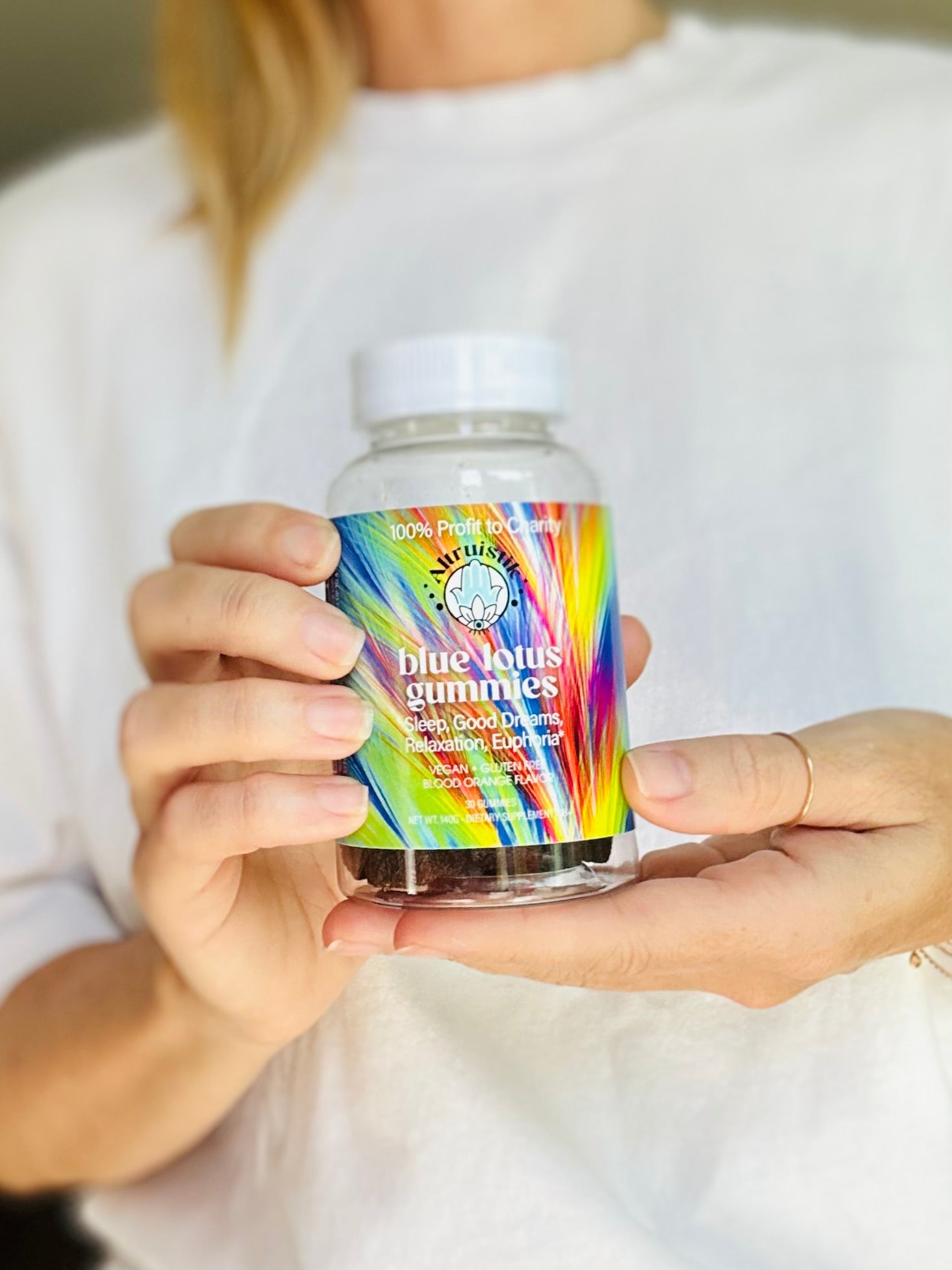
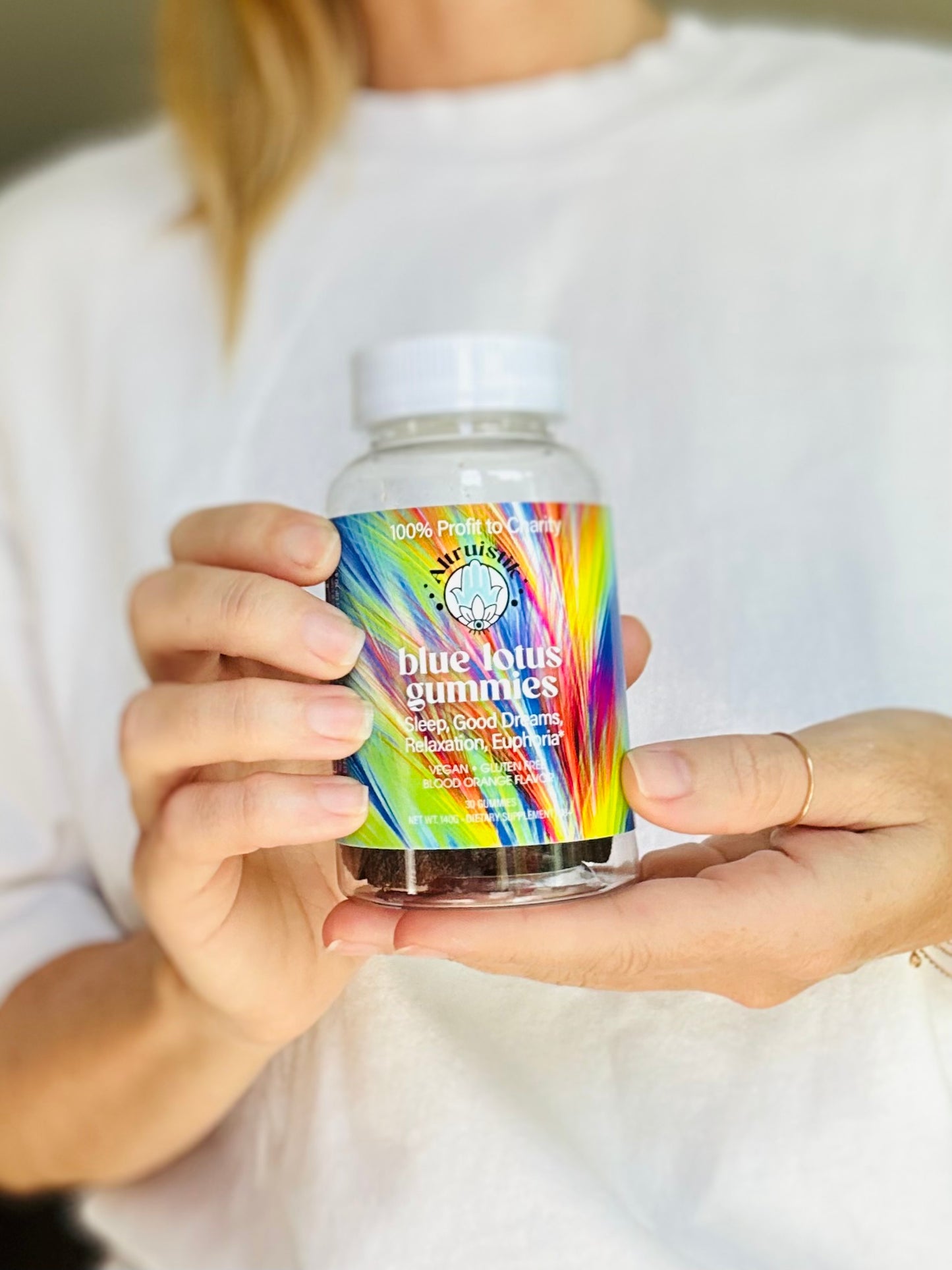
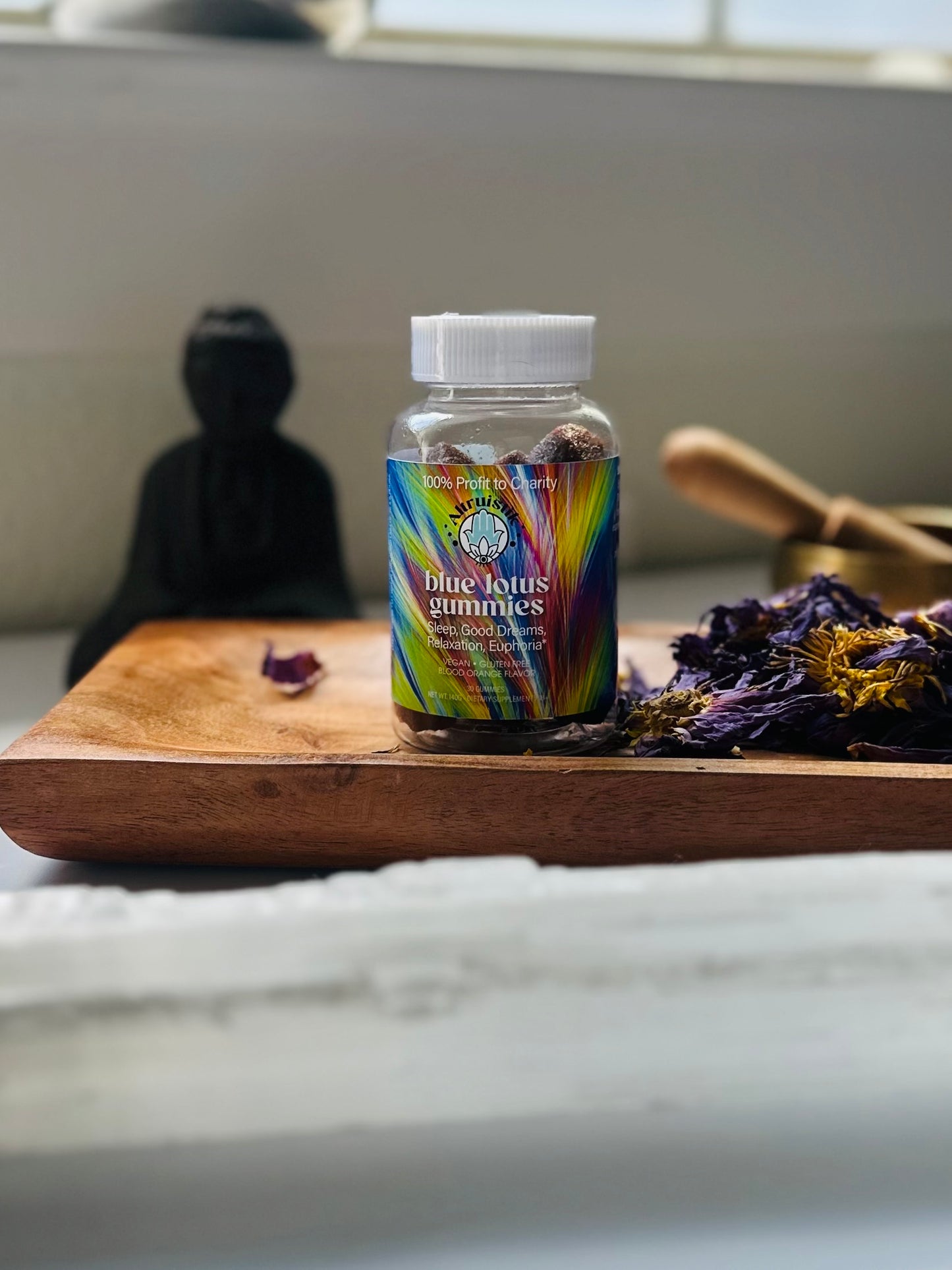
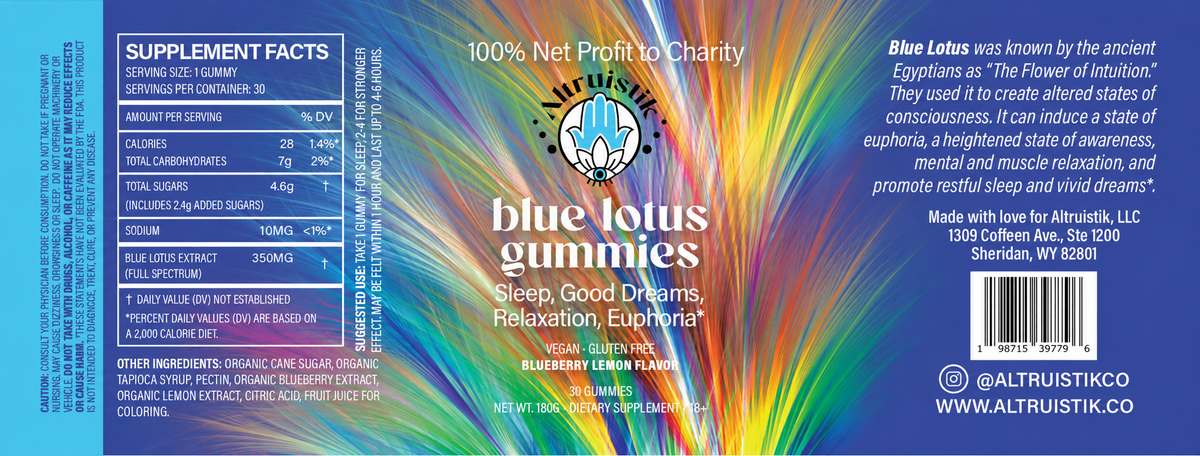
In our pursuit of optimal health, sleep has emerged as the final frontier. We all strive for those precious hours of rest, yet many find themselves caught in a cycle of fitful, unfulfilling sleep. Increasingly, the modern wellness community is turning its attention to an ancient Egyptian botanical revered for its calming and dream-enhancing properties: the Blue Lotus (Nymphaea caerulea).
Far from being a simple sedative, the Blue Lotus offers a sophisticated pharmacological profile that gently guides the mind and body into a state of profound rest. It represents a shift from forced unconsciousness to a conscious, connected transition into restorative sleep, particularly through its influence on our most vital neurotransmitters and sleep cycles.
The Dopamine-Serotonin Connection: Balancing Mood and Sleep

The unique effects of Blue Lotus are attributed to its two principal psychoactive alkaloids: aporphine and nuciferine. These compounds engage with the brain's signaling systems in a way that primes the mind for relaxation and deeper mental states.
- Aporphine and Well-being: Aporphine has been identified as a non-selective agonist for dopamine receptors, including the D_2 receptor. Dopamine is not just the "reward" chemical; it is crucial for motivation, attention, and a subtle sense of well-being. By mildly stimulating these receptors, Aporphine promotes a gentle, buoyant sense of contentment that helps to dissolve the day's stress and mental clutter, making the act of lying down to rest feel intrinsically pleasant rather than simply necessary.
- Nuciferine and Cycle Regulation: Nuciferine, the second key alkaloid, interacts with serotonin receptors. Serotonin is essential for regulating mood, appetite, and, critically, the sleep-wake cycle. By influencing these serotonergic pathways, Nuciferine helps stabilize the neurotransmitter environment required for a smooth transition into the initial stages of sleep. The combined action of Aporphine creating mild ease and Nuciferine balancing the mood systems results in a pharmacological symphony that prepares the brain for its nightly restorative work.
The Gateway to REM: Enhancing the Depth of Rest

Quality sleep is not monolithic; it cycles through distinct stages. Blue Lotus is thought to influence both of the main stages: Non-Rapid Eye Movement (NREM) and Rapid Eye Movement (REM).
The traditional use of Blue Lotus as an anxiety reliever and sleep aid aligns with its potential to deepen the initial phases of NREM sleep. NREM is where the body physically recuperates, where brain fog is cleared, and cellular repair processes dominate. By reducing nervous system activity, Blue Lotus helps users bypass mental restlessness and sink more readily into these deeply restorative stages.
Crucially, its influence does not stop at sedation. By establishing a robust foundation of NREM rest, it sets the stage for the subsequent REM sleep cycles. REM sleep is the phase associated with emotional processing, memory consolidation, and, of course, vivid dreaming. Users frequently report that their dreams, when using Blue Lotus, are not only more easily recalled but are also qualitatively richer and more detailed, suggesting a beneficial influence on the quality and density of the REM phase.
The Cholinergic Hypothesis of Dreaming: Lucid Pathways

For those fascinated by the inner world of their dreams, Blue Lotus holds particular interest due to its potential interaction with acetylcholine (ACh), the neurotransmitter most strongly associated with both waking alertness and the highly activated brain state during REM sleep.
The Cholinergic Hypothesis of Dreaming posits that the high levels of acetylcholine released during REM sleep drive the cognitive and perceptual bizarreness characteristic of dreams. To enhance dreaming (and potentially lucid dreaming), one might seek compounds that increase ACh availability.
Some research on the aporphine alkaloid class suggests that they may possess mild acetylcholinesterase inhibitor (AChEI) activity. Acetylcholinesterase is the enzyme responsible for breaking down ACh. By gently inhibiting this enzyme, Blue Lotus could lead to a modest, sustained elevation of acetylcholine in the brain, especially during the REM phase.
This subtle cholinergic boost is hypothesized to be the key factor behind the vivid, memorable, and occasionally lucid dreams reported by users. It suggests the plant is not just knocking you out, but rather preparing your brain for an active, engaged journey through your subconscious landscape.
A "Conscious" Unwind: The Lucid Transition
The most compelling aspect of incorporating Blue Lotus into a bedtime ritual is its capacity to facilitate a "conscious unwind."
Unlike heavy sedatives that abruptly terminate the day's consciousness, often leaving users feeling disconnected or groggy, Blue Lotus allows for a gradual, lucid transition to rest. Its gentle psychoactive and mood-enhancing properties prevent the common pre-sleep experience of racing, anxious thoughts that sabotage the path to sleep.
It fosters a state of calm yet connected awareness—an ideal psychological space for evening rituals like journaling, meditation, or simply reflecting on the day. By calming the "chatter" without inducing a heavy, artificial mental fog, Blue Lotus empowers the user to intentionally disconnect from external stimuli and consciously prepare the mind for its deepest work, leading to rest that feels both profoundly deep and refreshingly integrated.

The Blue Lotus offers a gateway to sleep that is both ancient and scientifically intriguing, promising rest that is not just longer, but deeper and more restorative. It is the modern elixir for the mind seeking stillness and the spirit seeking insight.
If you are ready to stop fighting for sleep and start flowing into deep, regenerative rest, it is time to invite the Blue Lotus into your nightly ritual. Unlock not just better sleep, but a richer, more vivid connection to your own subconscious, and begin your journey to dream deeper.