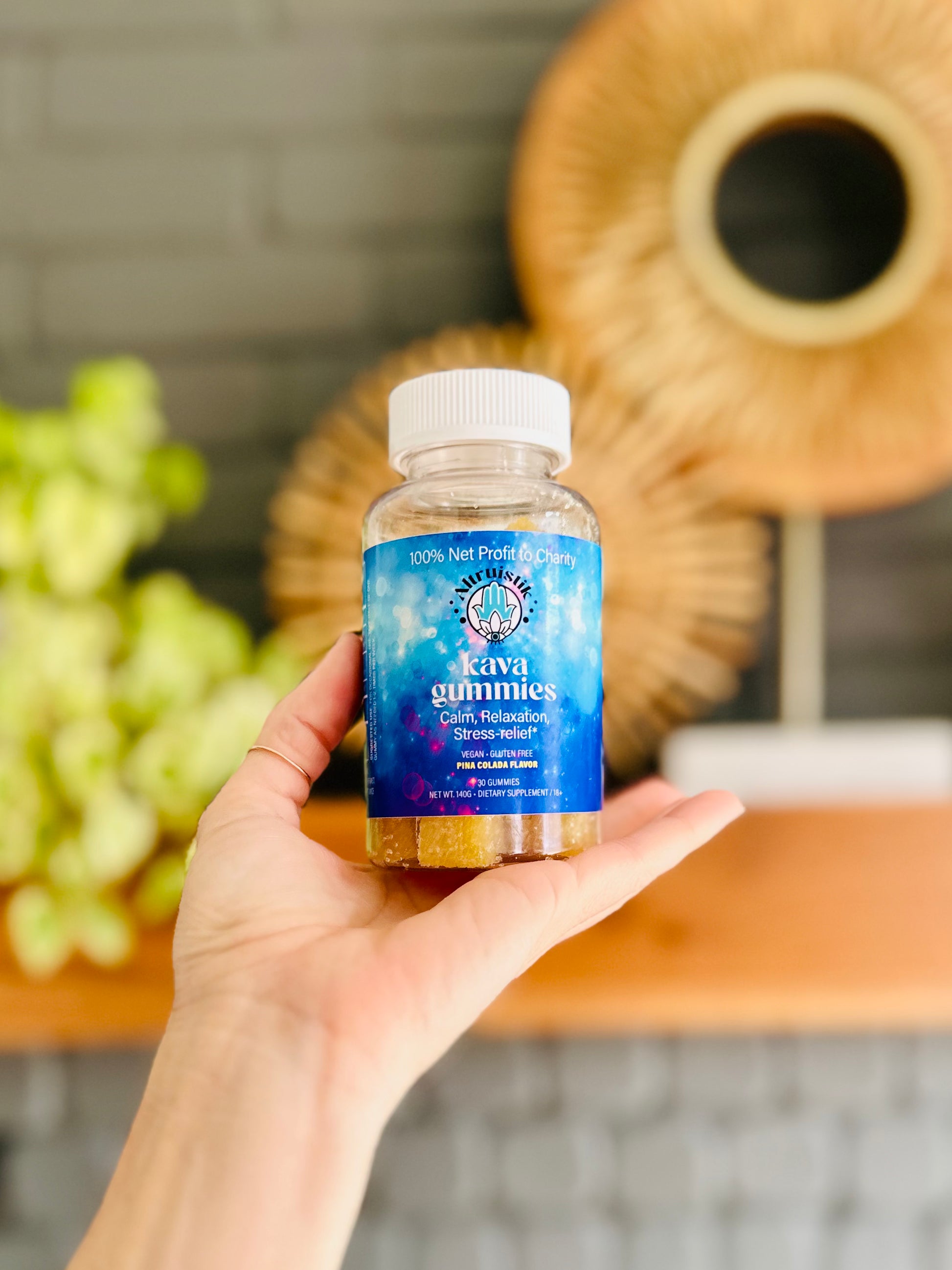
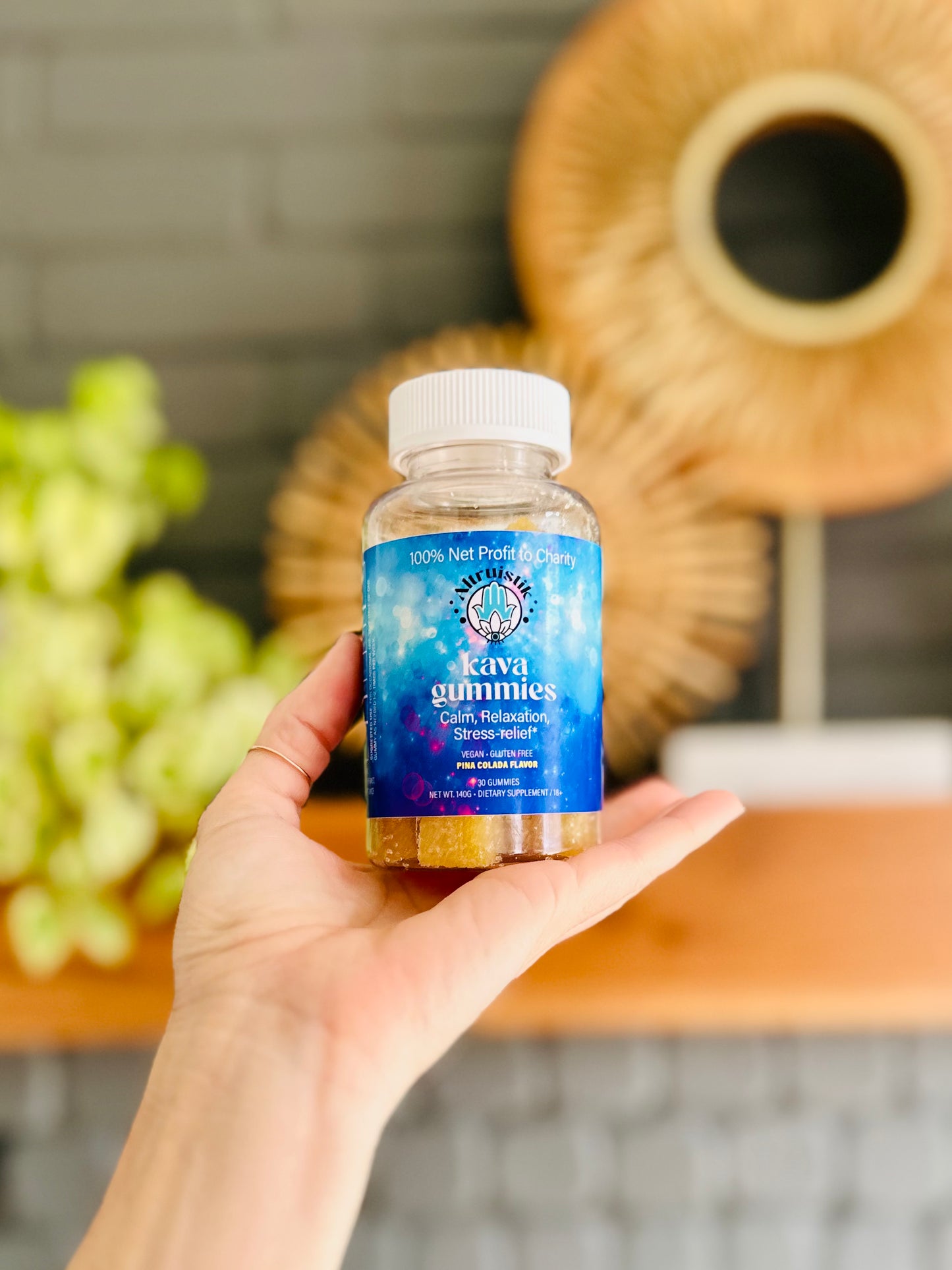
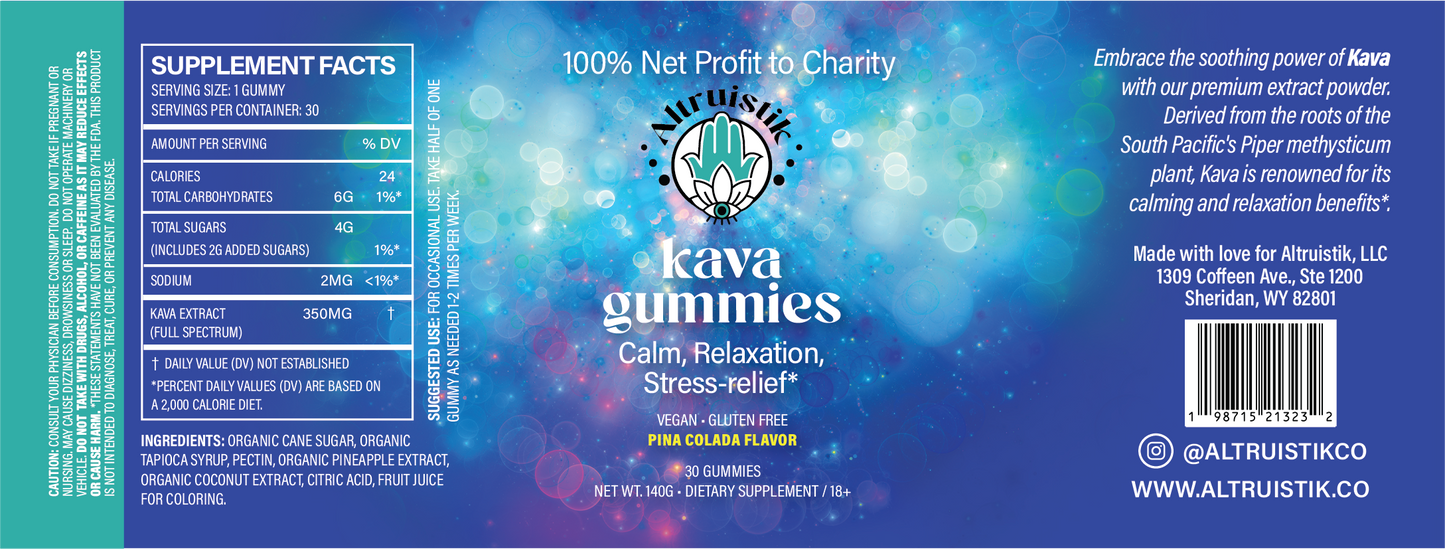
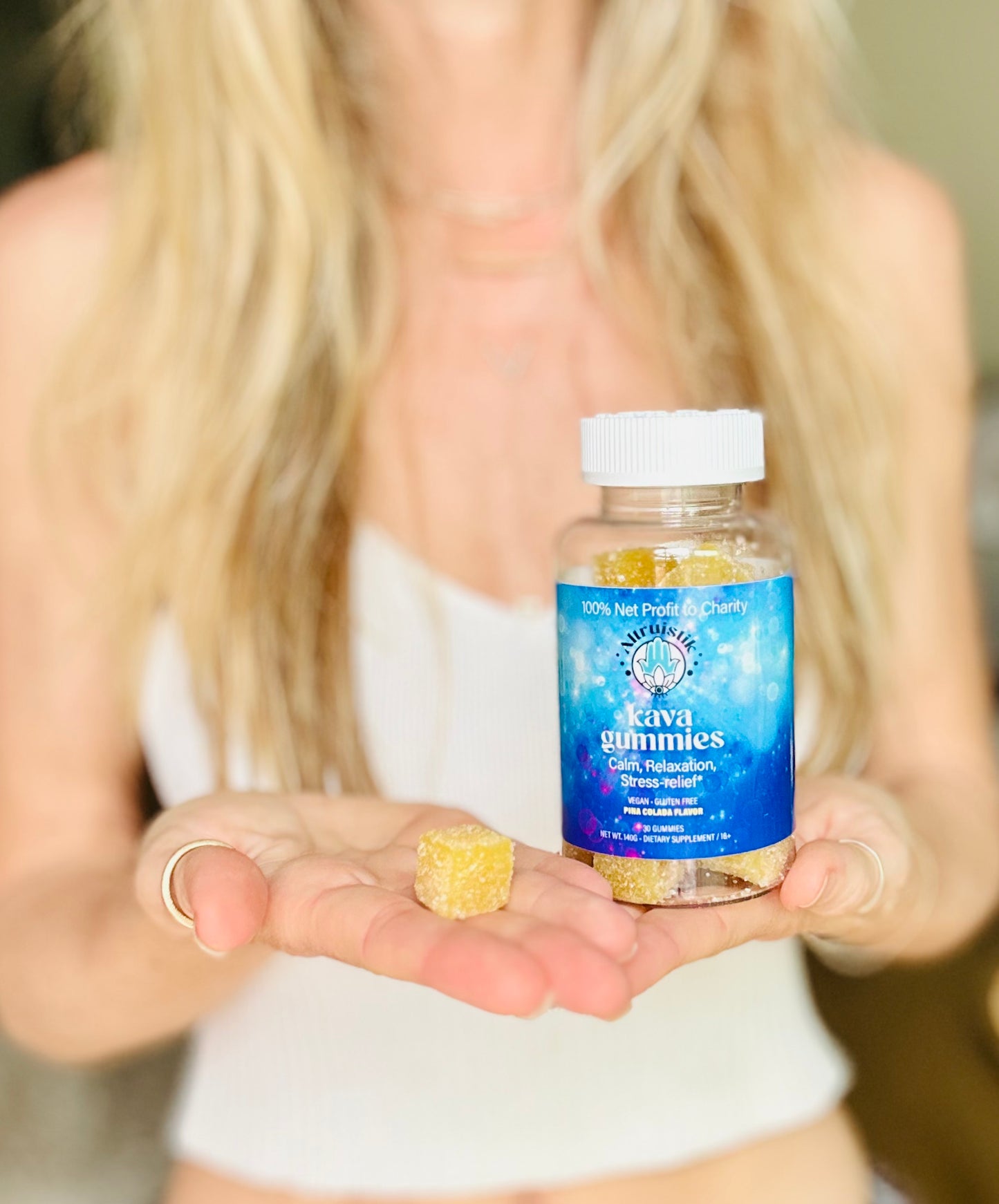
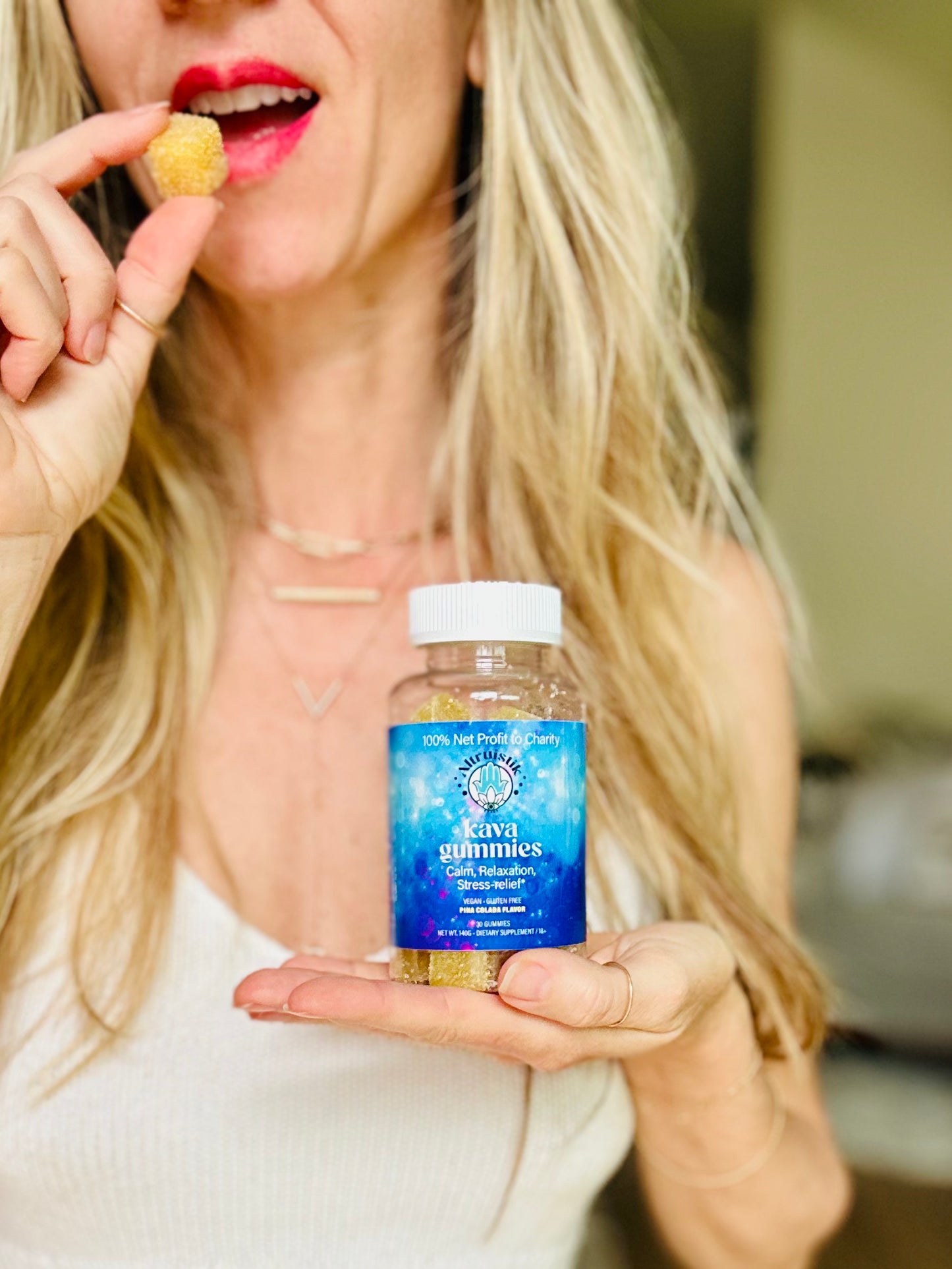
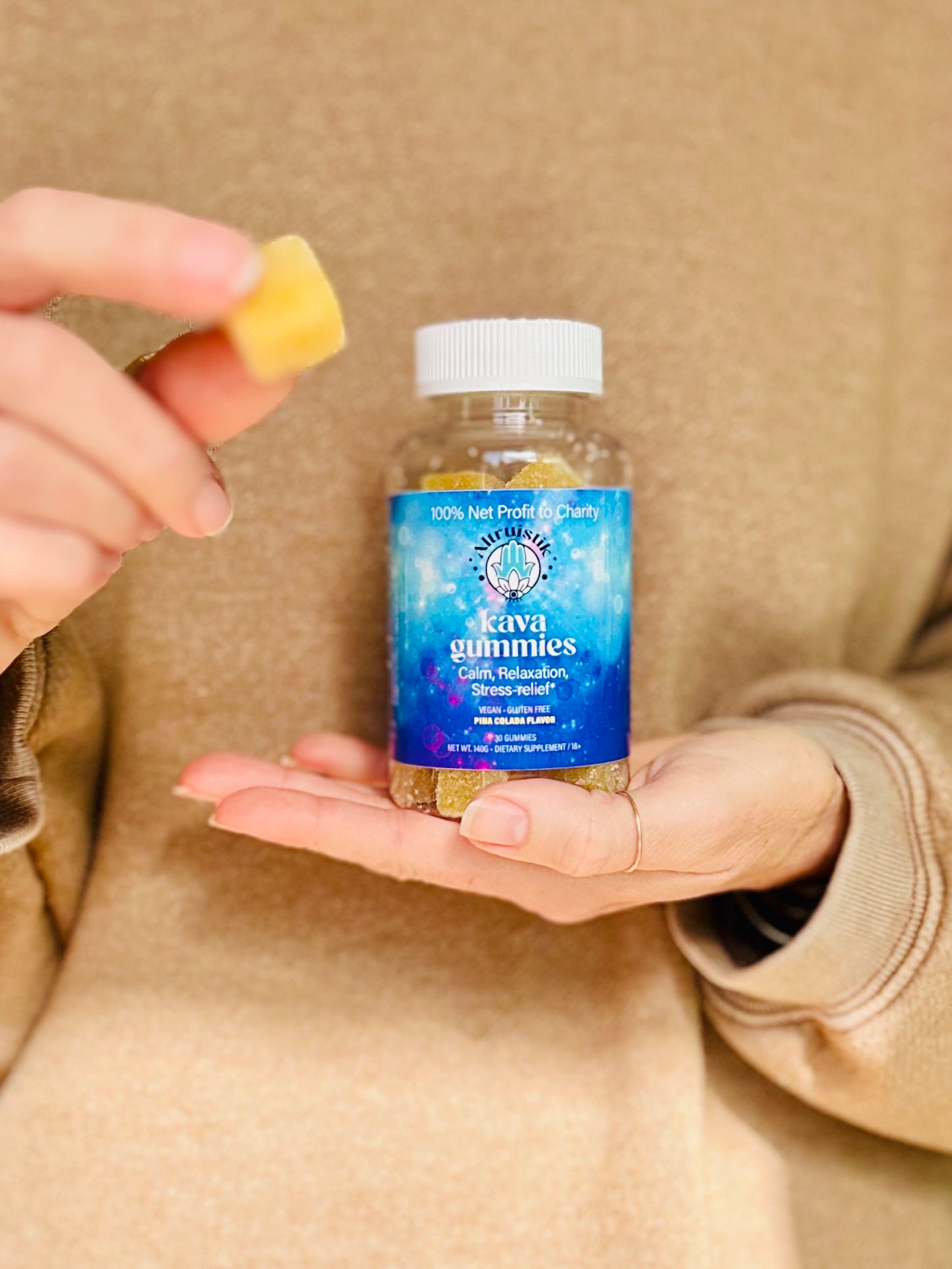
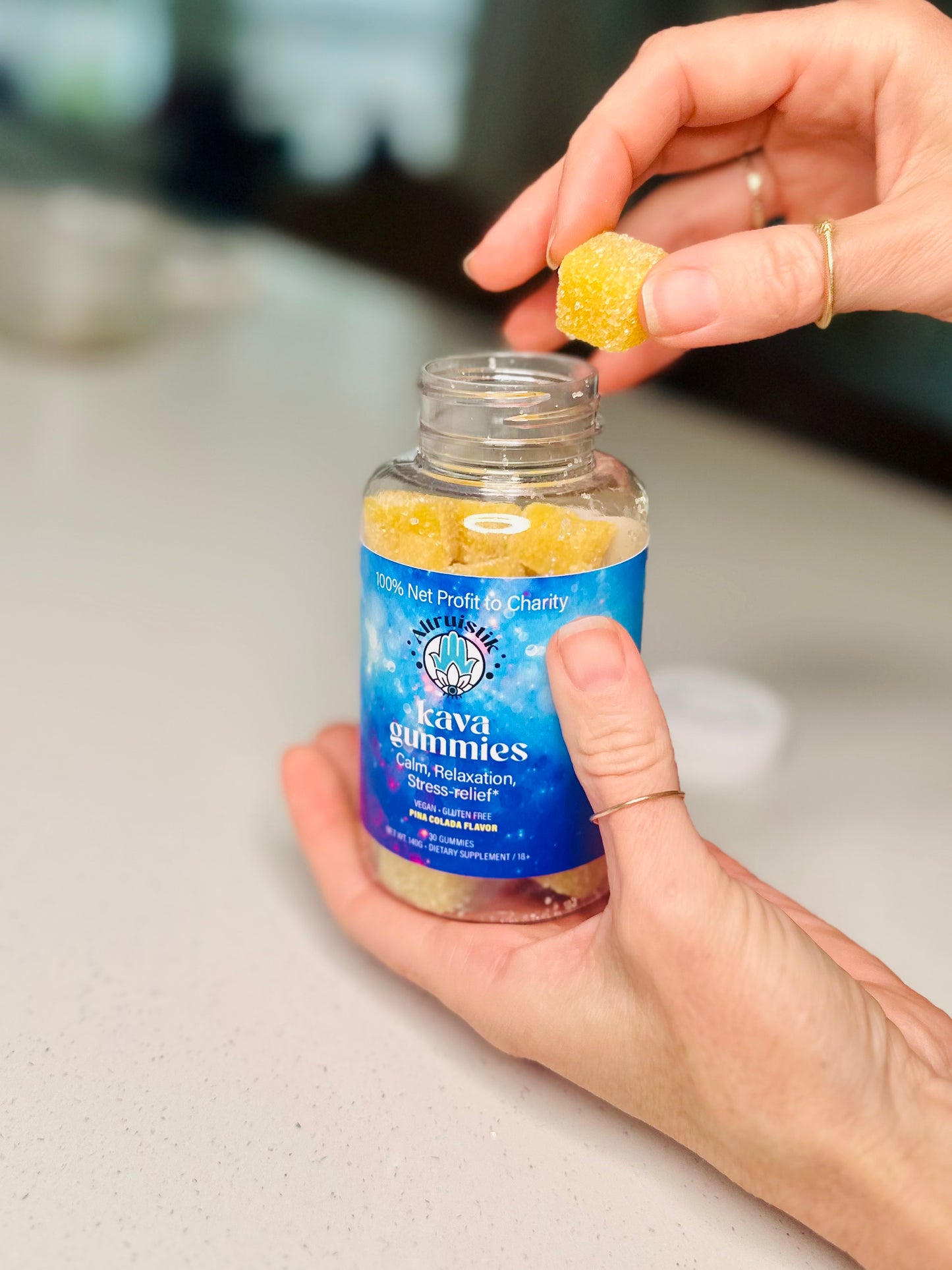
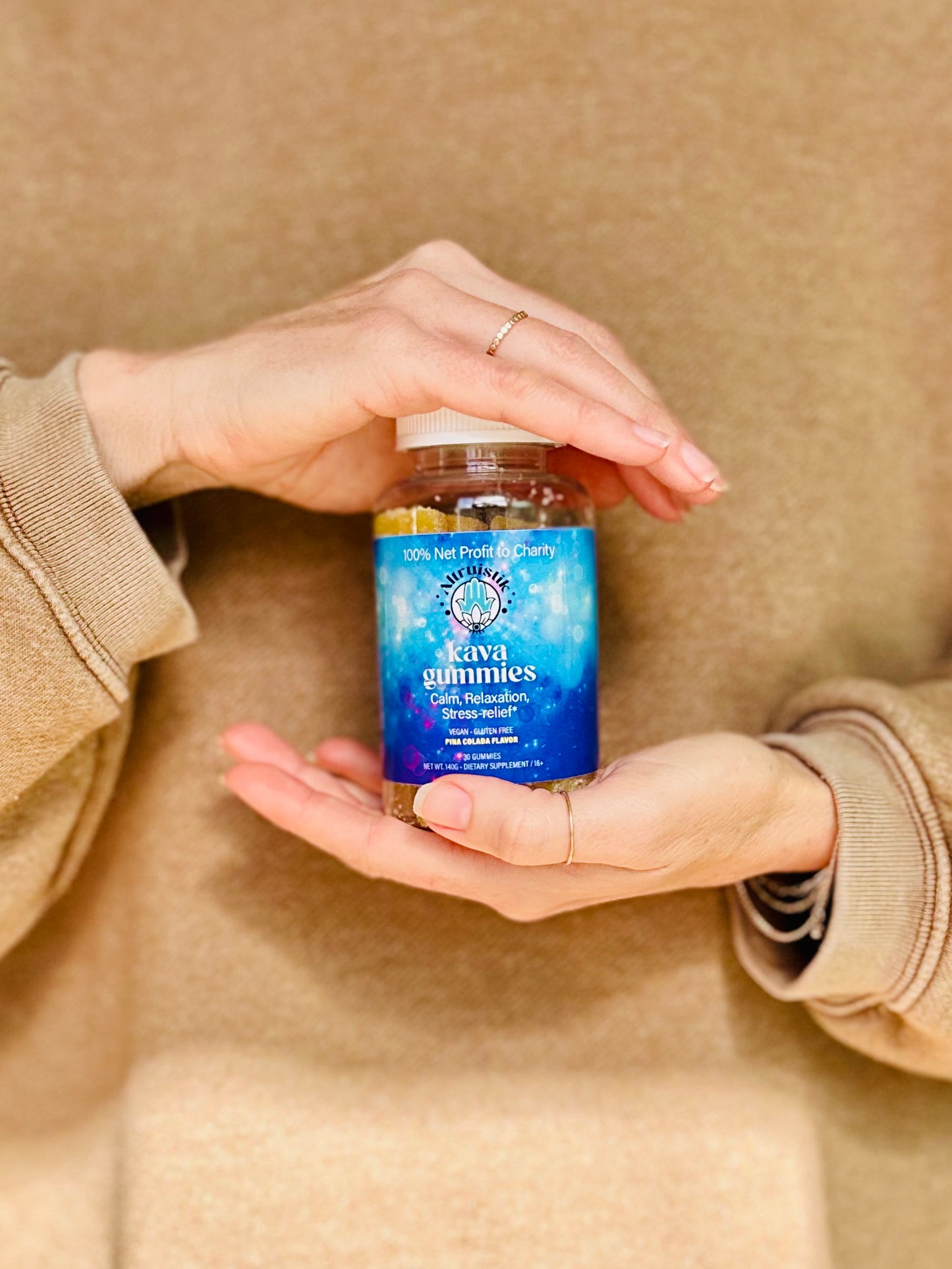
In a world defined by the relentless pace of digital life and chronic stress, the search for a safe harbor—a moment of genuine calm—has never been more urgent. For many, that sanctuary is no longer found in traditional forms of unwinding, but in an ancient root from the South Pacific: Kava (Piper methysticum).
Kava is rapidly evolving from a traditional ceremonial drink into a global wellness phenomenon, thanks to modern science that is finally catching up to centuries of indigenous knowledge. It offers a unique path to serenity, not by dulling the senses, but by biologically rewiring your response to stress. This is not a fleeting trend; it is a profound bio-pharmacological shift in how we approach anxiety and connection.
The Neuro-Pharmacology of Calm: GABA-A and the Kavalactones

The secret to Kava’s remarkable anxiolytic (anxiety-reducing) effect lies in its primary active compounds: kavalactones. These molecules engage in a highly sophisticated dance with the brain's biochemistry, targeting the GABA-A receptor.
GABA (ϒ-aminobutyric acid) is the main inhibitory neurotransmitter in the central nervous system, acting as the brain’s "brake pedal." When GABA binds to its receptor, it hyperpolarizes the neuron, making it less likely to fire—in short, it calms things down.
Kavalactones function as positive allosteric modulators (PAMs) of the GABA-A receptor. This is an incredibly important distinction. Unlike full agonists (which mimic GABA and activate the receptor directly), kavalactones do not activate the receptor on their own. Instead, they bind to a distinct site and essentially gently enhance the effectiveness of the brain’s natural, existing GABA.
This gentle modulation has two critical advantages:
- Precision Targeting: Kava primarily works to calm the limbic system, the brain’s primal emotional center responsible for fear and stress responses.
- Safety Profile: Because kavalactones only amplify the natural inhibitory signals, they do so with a significantly lower risk of dependence or severe sedation associated with other substances that forcefully flood the GABA system. Kava teaches your brain to use its own brakes more efficiently, leading to a state of mindful calm rather than cognitive impairment.
Bio-Behavioral Transition: Switching Off "Fight-or-Flight"

Kava serves as a powerful facilitator of the bio-behavioral transition from this stressed state to the parasympathetic state of "rest-and-digest." By calming the neurocircuitry that drives the stress response, kavalactones provide the physiological space needed for the body to relax.
Users frequently report a noticeable relaxation of shoulders and jaw muscles, a deepening of breath, and a generalized sensation of warmth and ease. This is the body physically relinquishing its high-alert posture. For those looking for an ideal method of unwinding after a long, intense day, Kava offers a non-linear path to calm, helping the mind and body gently disconnect from the digital treadmill and restore the natural rhythm necessary for true rest and healing. It is, quite literally, a way to switch the nervous system’s mode from survival back to thriving.
Non-Opioid Analgesic Action: Relieving Physical Tension

The benefits of Kava are not purely emotional; they are profoundly physical. Beyond the well-known anxiolytic effects, Kava also exhibits significant non-opioid analgesic action, providing a complementary layer of relief that few single botanicals can match.
This pain-relieving property is linked to Kava’s ability to affect voltage-gated ion channels. These channels are crucial for transmitting electrical signals (including pain signals) along nerve fibers. Research indicates that kavalactones can modulate the activity of voltage-gated sodium (Na+) and calcium (Ca2+) channels.
By subtly interfering with the flow of ions, Kava effectively dampens the excessive electrical signaling that underlies the perception of pain and muscle excitability. This is why many Kava consumers report relief from chronic physical tension, muscle soreness, and even tension headaches. This mechanism highlights Kava as a versatile wellness tool that treats anxiety not just as a mental state, but as a complex, physiologically embodied tension that requires a holistic remedy.
The Science of Communal Calm: Bio-Social Regulation

The traditional Kava experience in the Pacific Islands was always communal, an element that has been beautifully revived in the burgeoning global phenomenon of the Kava bar. This setting introduces the powerful concept of bio-social regulation into the Kava experience.
When people consume Kava in a shared, relaxed setting, the resulting calm state in each individual contributes to the regulation of the group as a whole. A relaxed nervous system is inherently better at connection, empathy, and listening. The shared consumption promotes a state of calm that is contagious, allowing participants to drop their social guards, fostering trust, and enhancing genuine conversation.
The Kava bar becomes a "third place"—a judgment-free zone where the gentle, non-intoxicating nature of the drink promotes community building without the cognitive disruption or aggressive tendencies often associated with alcohol. This ancient ritual, transplanted to the modern urban environment, serves as a powerful tool for building strong, resilient communities centered around mindful presence and genuine connection.

Ready to transcend stress and discover a state of focused, embodied calm?
Embrace the wellness trend that science supports. Start your Kava journey today and unlock your potential for serenity, mental clarity, and deeper, more genuine connection.