In the heart of the tropical rainforests of West Africa, there grows a tree of immense biological and cultural significance. Known scientifically as Picralima nitida, and more commonly referred to by its traditional name, Akuamma, this plant has been a cornerstone of indigenous wellness for centuries. While the Western world is only recently discovering its potent analgesic properties, the story of Akuamma is deeply rooted in the soil, soul, and survival of the people of Ghana, Nigeria, and Côte d'Ivoire.
Understanding Akuamma requires looking beyond the chemistry of its alkaloids and into its ethnobotanical history. It is a journey from sacred forest groves to modern laboratories—a bridge between ancestral wisdom and contemporary science.
The Sacred Tree of Ghana and Nigeria

In West African ecosystems, Picralima nitida is more than just a botanical specimen; it is a functional landmark. Reaching up to 35 meters in height, the Akuamma tree thrives in the shaded understory of the rainforest, producing large, distinctive yellow fruits that house the prized seeds.
- A Cultural Staple: For the Ashanti people of Ghana and various ethnic groups in Nigeria, the tree is often integrated into village life. Parts of the tree are used in traditional rites, and the presence of a healthy Picralima nitida grove is often seen as a sign of a vibrant, healthy ecosystem.
- The "Osi-Adua": In local dialects, the plant carries names that translate to its power. In parts of Ghana, it is known as Osi-adua, reflecting its status as a community medicine chest.
- Ecological Role: The tree supports local biodiversity, providing shelter and food for various forest species, while its deep roots help stabilize the nutrient-rich rainforest soil.
Historical Medical Uses: Beyond Pain Relief

In modern Western markets, Akuamma is primarily celebrated as a natural alternative for pain management. However, for West African herbalists, the seeds, bark, and roots have historically been a multi-purpose pharmacy.
- Anti-Malarial Foundations: Long before synthetic treatments were available, Akuamma seeds were the primary defense against malaria and yellow fever. The bitter alkaloids were known to reduce high fevers and help the body combat tropical parasites.
- Digestive and Respiratory Health: Traditional preparations of the bark were used to treat intestinal infections and pneumonia. The plant was recognized for its broad-spectrum antimicrobial properties, helping communities survive in harsh tropical climates.
- The Bitter Truth: Indigenous practitioners understood that the "bitterness" of the seed—now known to be caused by akuammine and pericine—was the source of its healing power. This ancestral knowledge predates modern pharmacology’s discovery of the plant’s interaction with the mu-opioid receptors.
Harvesting Ethics and Sustainability: Protecting the Wild

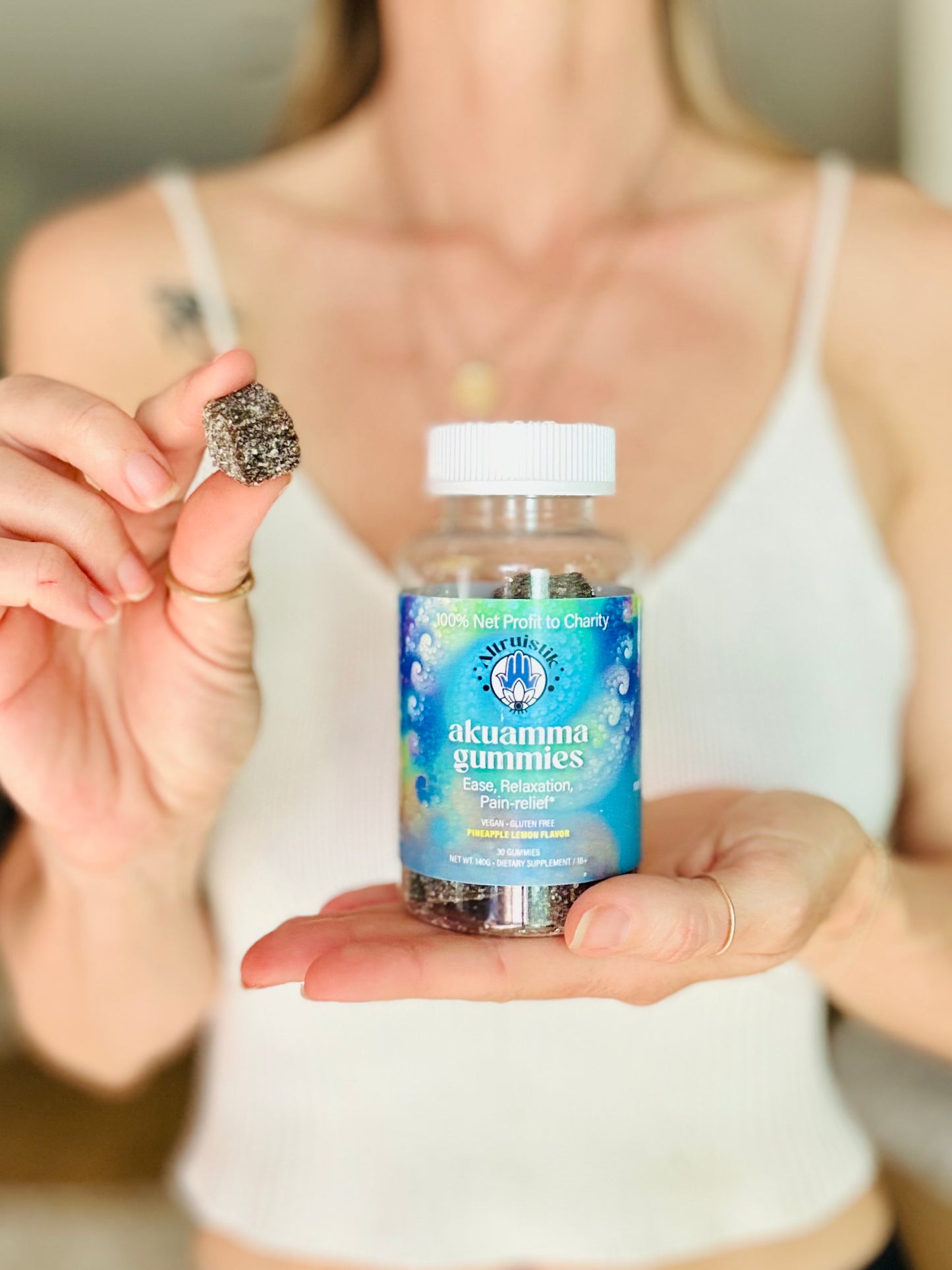
As global demand for Altruistik Akuamma Gummies increases, the conversation must shift toward ethical sourcing. Because Picralima nitida grows primarily in the wild, over-harvesting poses a significant threat to its survival.
- Supporting Local Stewards: The best way to preserve the species is to empower the local farmers and foragers who have lived alongside these trees for generations. By ensuring fair-trade wages, we encourage communities to protect the trees rather than clear-cutting forests for timber or agriculture.
- Sustainable Barking and Seeding: Ethical harvesting involves taking only a portion of the seeds and bark, allowing the tree to regenerate and continue its life cycle.
- The Threat of Extinction: In some regions, the wild population of Picralima nitida is shrinking due to deforestation. Supporting brands that prioritize sustainable supply chains is vital for preventing this sacred tree from becoming a memory.
Preserving Indigenous Knowledge in a Modern Age

The transition of Akuamma from a traditional forest remedy to a globally traded supplement must be handled with cultural humility. Modern research is validating what African elders have known for millennia, but this research should not happen in a vacuum.
- Intellectual Property and Respect: It is crucial that the development of Akuamma-based products acknowledges the contributions of indigenous knowledge. Without the centuries of observation by African healers, modern science would never have known where to look.
- Integrative Research: Future studies should focus not just on isolating single alkaloids, but on the full-spectrum synergy that traditional preparations have always utilized. This ensures the medicine remains as effective as nature intended.
- A Bridge of Wellness: By honoring the ethnobotanical roots of Picralima nitida, we create a future where Westerners can benefit from safe, natural pain relief while simultaneously supporting the cultural and ecological heritage of West Africa.
🍃 Honor the Tradition, Experience the Relief

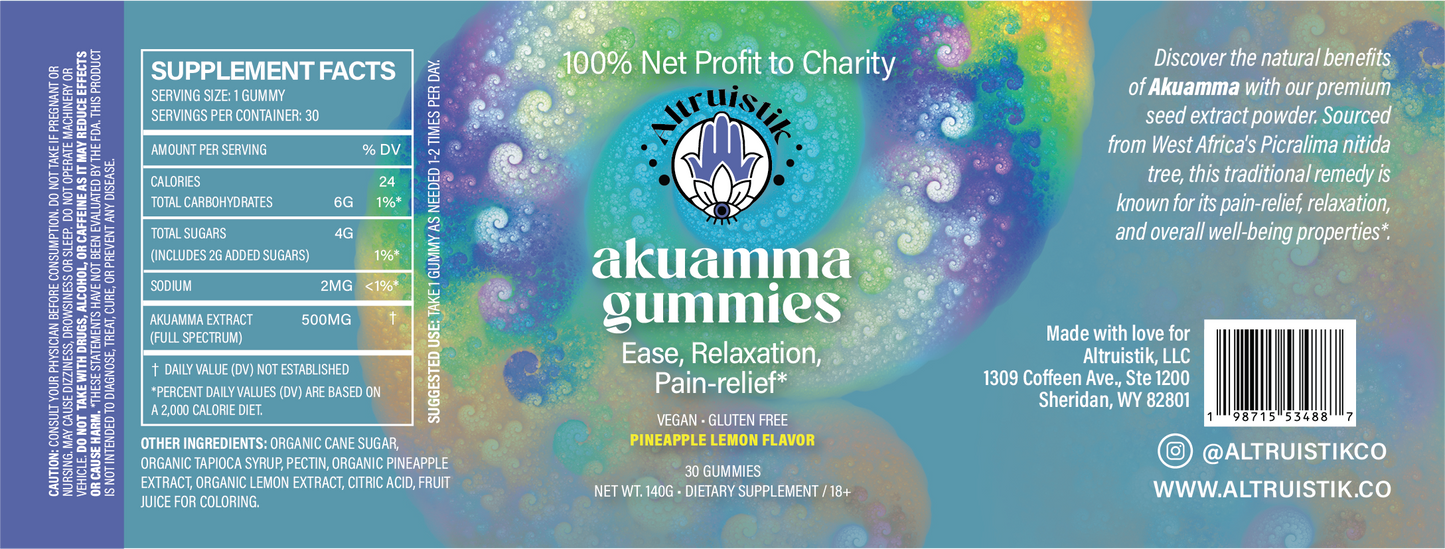
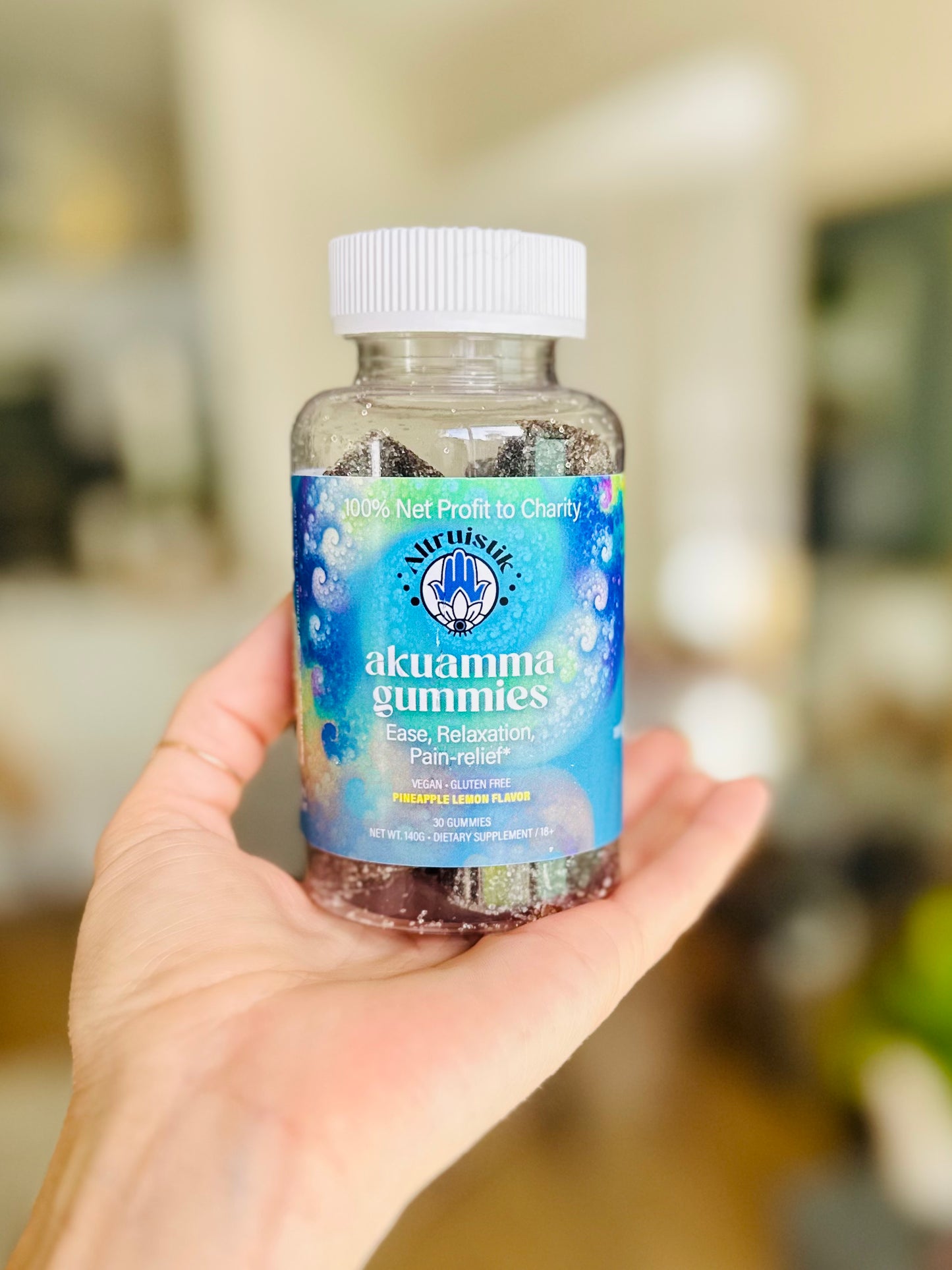
Choosing Akuamma is more than just a health decision; it is a connection to a lineage of natural healing. At Altruistik, we respect the cultural history of this incredible plant by providing it in a format that honors its potency while removing its legendary bitter taste.
Our Akuamma Gummies are sourced with an eye toward sustainability and quality, ensuring that you receive the restorative and anti-inflammatory benefits that have sustained West African communities for generations.
Experience the Ancient Power of Akuamma
Are you ready to embrace a holistic approach to physical comfort? Whether you are managing chronic tension or seeking a natural way to support your body's recovery, Akuamma offers a time-tested solution rooted in the wisdom of the earth.
👉 Discover Cultural Healing: Shop Altruistik Akuamma Gummies Today
Support your wellness. Support the forest. Experience the profound peace of the sacred Akuamma tree.