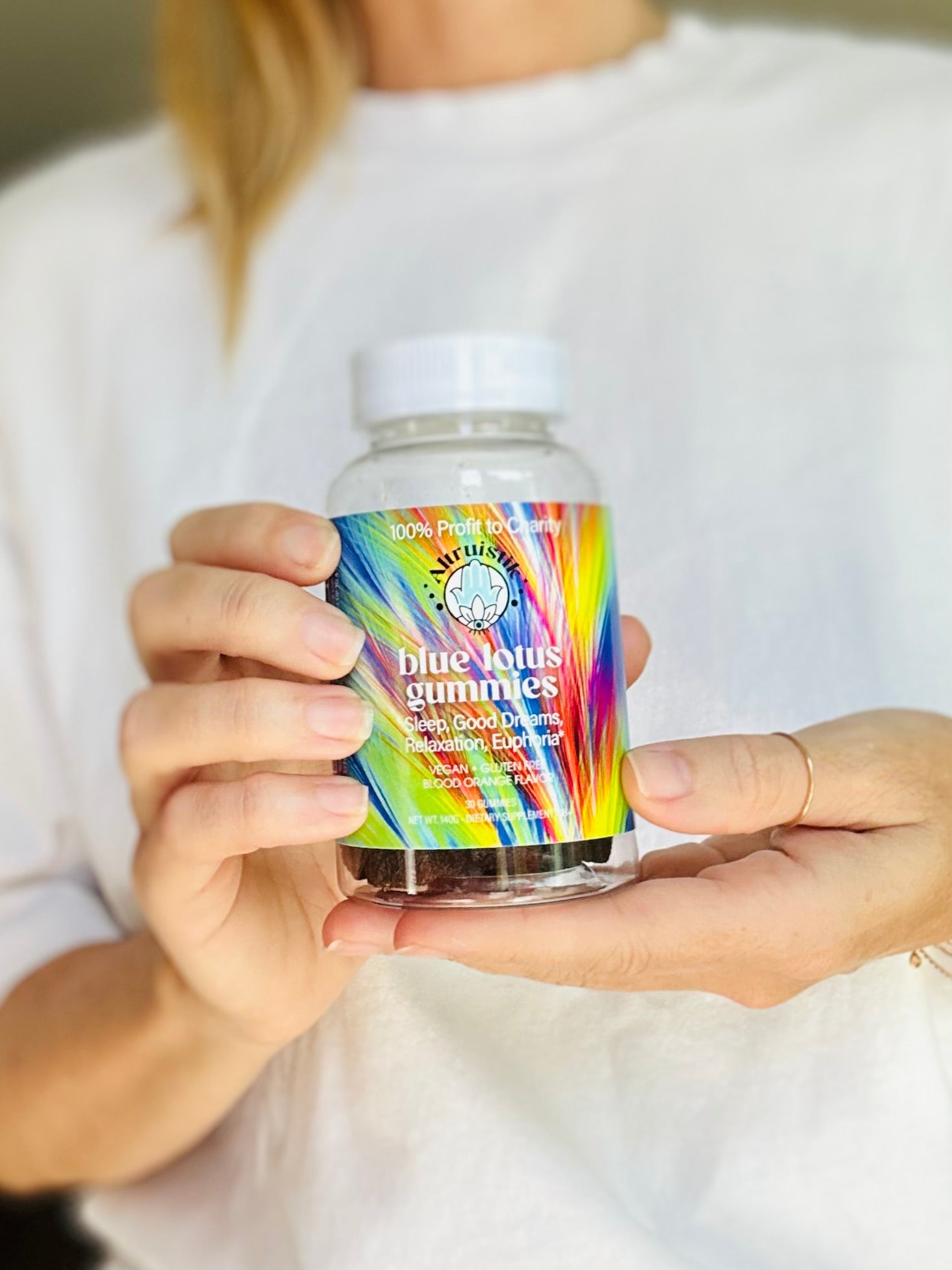
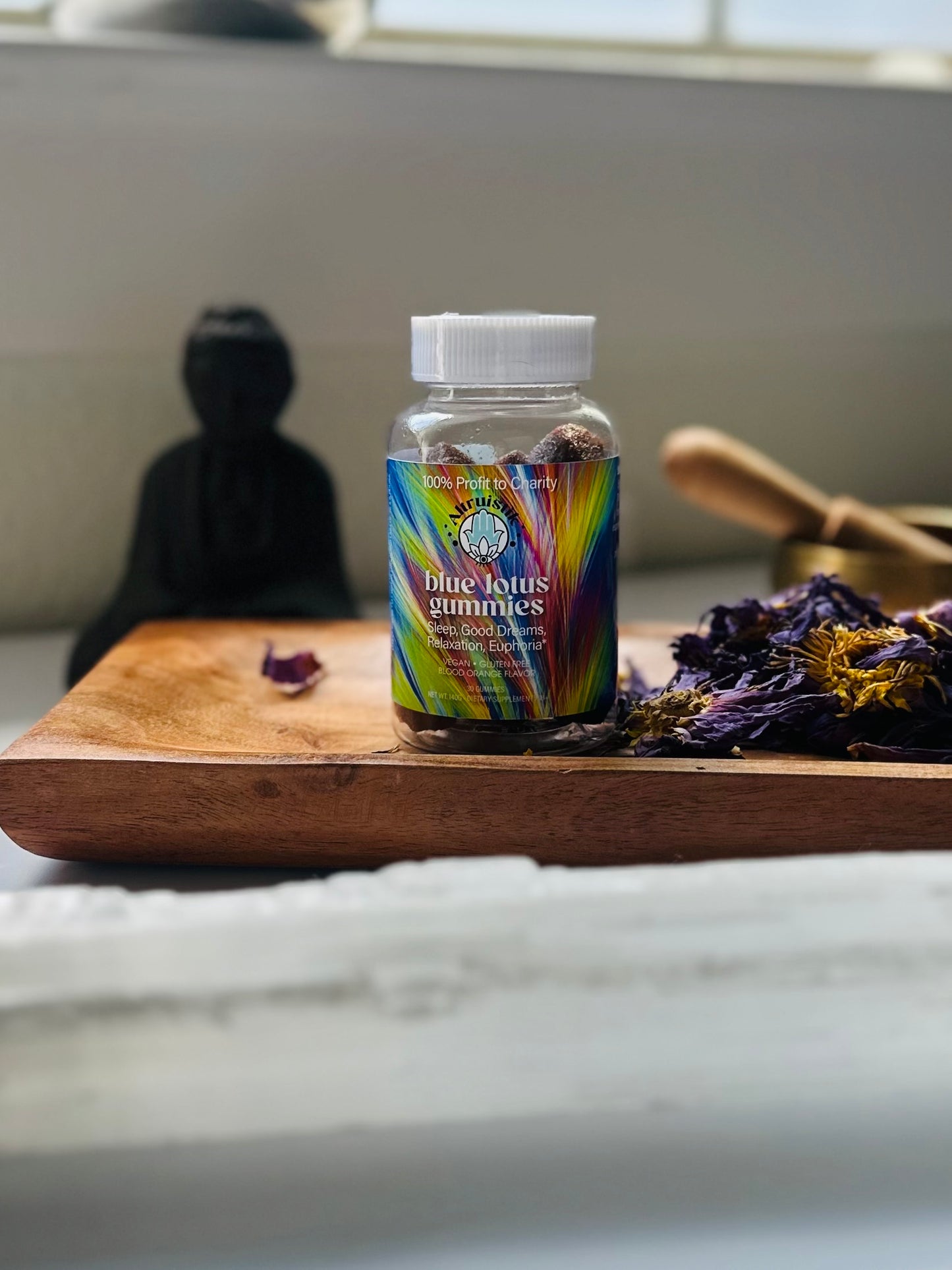
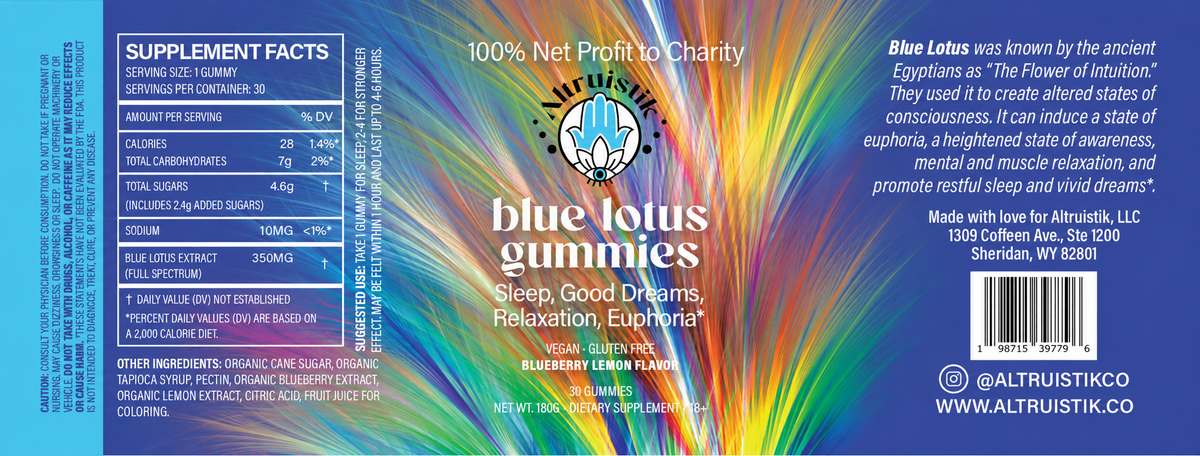
The Blue Lotus (Nymphaea caerulea) has captivated humanity for millennia, revered not just for its beauty but for its profound psychoactive properties. While modern consumers often seek it for anxiety relief, its most mystical application lies in its ability to unlock the doors to lucid dreaming and enhanced nighttime clarity.
For the Ancient Egyptians, the Blue Lotus was a sacred key used in rituals to facilitate spiritual awakening and deeper connection to the subconscious. Today, we are discovering the neurochemical basis for this ancient secret.
If you are seeking to explore your dream landscape with greater awareness and control, the Blue Lotus may be the natural catalyst you need.
The Alchemy of Aporphine Alkaloids: Promoting Lucid Sleep

The reason Blue Lotus is effective for altering conscious states, particularly during sleep, lies in its unique alkaloid composition.
- Nuciferine and Aporphine: The two primary alkaloids Nuciferine and Aporphine are the driving force behind the flower’s effects on the central nervous system.
- Aporphine's Role: Aporphine is chemically related to the dopamine system and is known to gently stimulate the dream-state areas of the brain. This stimulation enhances awareness without causing full wakefulness, which is crucial for promoting lucidity.
- Nuciferine's Role: Nuciferine provides a calming, mood-enhancing base, helping the user transition into a state of deep physical relaxation while keeping the mind slightly alert a key condition necessary for lucid dreaming.
- The Lucid State: Lucid dreaming requires Metacognition (awareness of being aware) during the Rapid Eye Movement (REM) sleep phase. By subtly modulating key neurotransmitters, Blue Lotus can help maintain this delicate balance, resulting in vivid, memorable, and often controllable dreams.
Crucial Insight: Blue Lotus doesn't force you to dream; it enhances your awareness during the dream state, dramatically increasing the likelihood of lucidity.
Ancient Use for Spiritual Awakening

The use of Blue Lotus as a dream enhancer is deeply rooted in history, far predating modern neuroscience.
- Egyptian Rituals: In Ancient Egypt, the Blue Lotus was considered sacred and was frequently depicted in art, often shown being held or sniffed by nobles and priests. It was used in ritualistic wine infusions to induce altered states of consciousness during ceremonies.
- Connecting the Realms: It was believed that the flower provided a direct conduit to the divine and the ancestral spirits. By enhancing the vividness and clarity of dreams, the flower was thought to facilitate prophetic vision and deeper spiritual connection during the nighttime journey.
- A Symbol of Rebirth: The flower’s behavior closing its petals at night and reopening them in the morning made it a powerful symbol of rebirth and the Sun God Ra. This connection reinforced its role in traversing the boundaries between the living world and the spiritual realm (dreams).
Optimal Consumption Time for Dreams

To use Blue Lotus effectively for dream work, timing is essential. You want the peak effect of the alkaloids to coincide with your longest and most intense REM cycles, which typically occur in the second half of the night.
- Timing Protocol: Consume your Blue Lotus infusion or extract 30 to 60 minutes before your desired bedtime. This allows the initial calming effects to set in, preparing your body for sleep.
- The "Wake and Dream" Method (Optional): For experienced lucid dreamers, an advanced technique involves consuming a second, smaller dose about four to six hours after falling asleep (when the first major REM cycle is complete). This boosts the alkaloid levels right before the most extended and vivid REM phase.
- Dose Consistency: Start with a moderate dose (e.g., a standard cup of tea or a low-dose capsule). Overdosing can lead to excessive sedation or an unsettling mental state that prevents natural sleep onset.
Blue Lotus vs. Mugwort for Dreams
 When exploring dream-enhancing herbs, Mugwort (Artemisia vulgaris) is a frequent comparison. Understanding the difference is key to choosing the right aid for your goals.
|
Feature |
Blue Lotus (Nymphaea caerulea) |
Mugwort (Artemisia vulgaris) |
|
Primary Mechanism |
Modulates Dopamine/Subtle stimulation; aids awareness. |
Traditionally believed to enhance dream recall and intensity; can sometimes cause slight restlessness. |
|
Effect on Body |
Highly calming and relaxing (physical sedation). |
Can be slightly stimulating; primarily impacts the mental landscape. |
|
Goal |
Lucid Dreaming (Awareness within the dream). |
Vivid/Intense Recall (Remembering the dream upon waking). |
|
Flavor Profile |
Pleasant, floral, and subtle. |
Distinctly bitter and sometimes strong. |
Blue Lotus is often preferred for those whose primary goal is lucid dreaming because its calming effects provide the necessary bodily stillness, while its alkaloids provide the mental clarity needed for awareness within the dream.
 Ready to become the director of your own nighttime reality?

The Blue Lotus offers a safe, time-honored path to unlocking greater clarity and consciousness while you sleep. By leveraging its ancient secrets and unique neurochemistry, you can move beyond passive dreaming into a world of active, spiritual, and intellectual exploration.