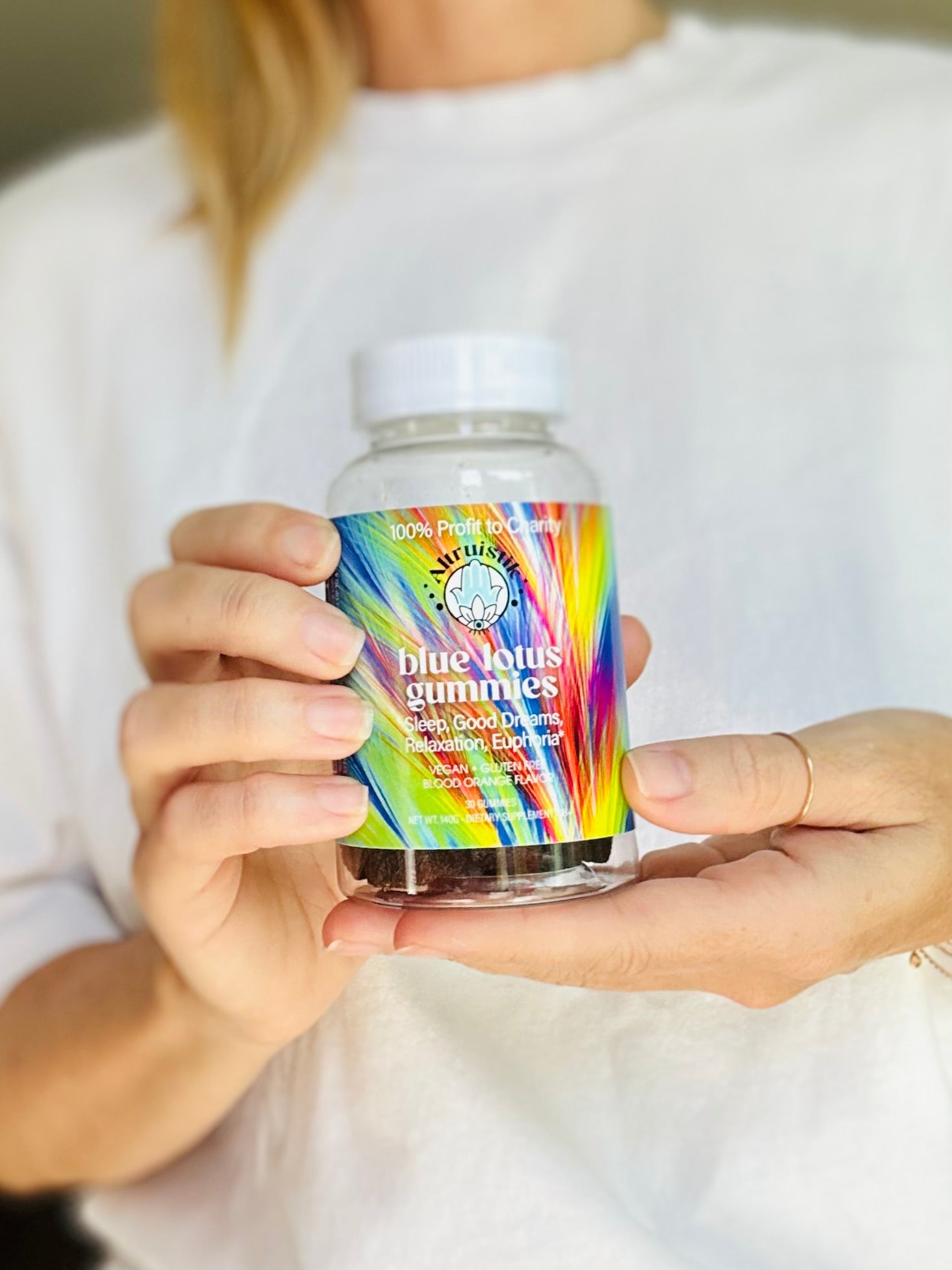
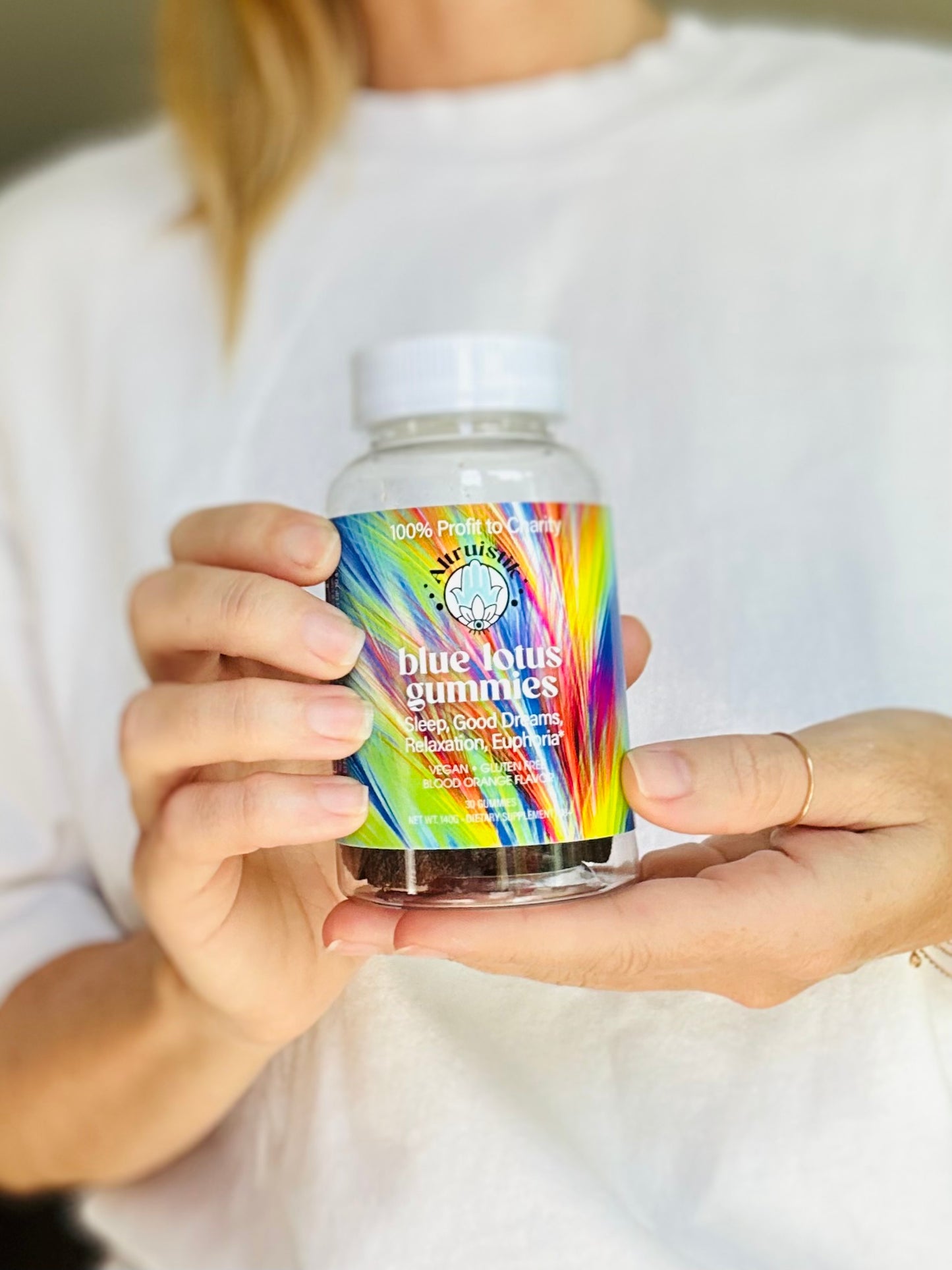
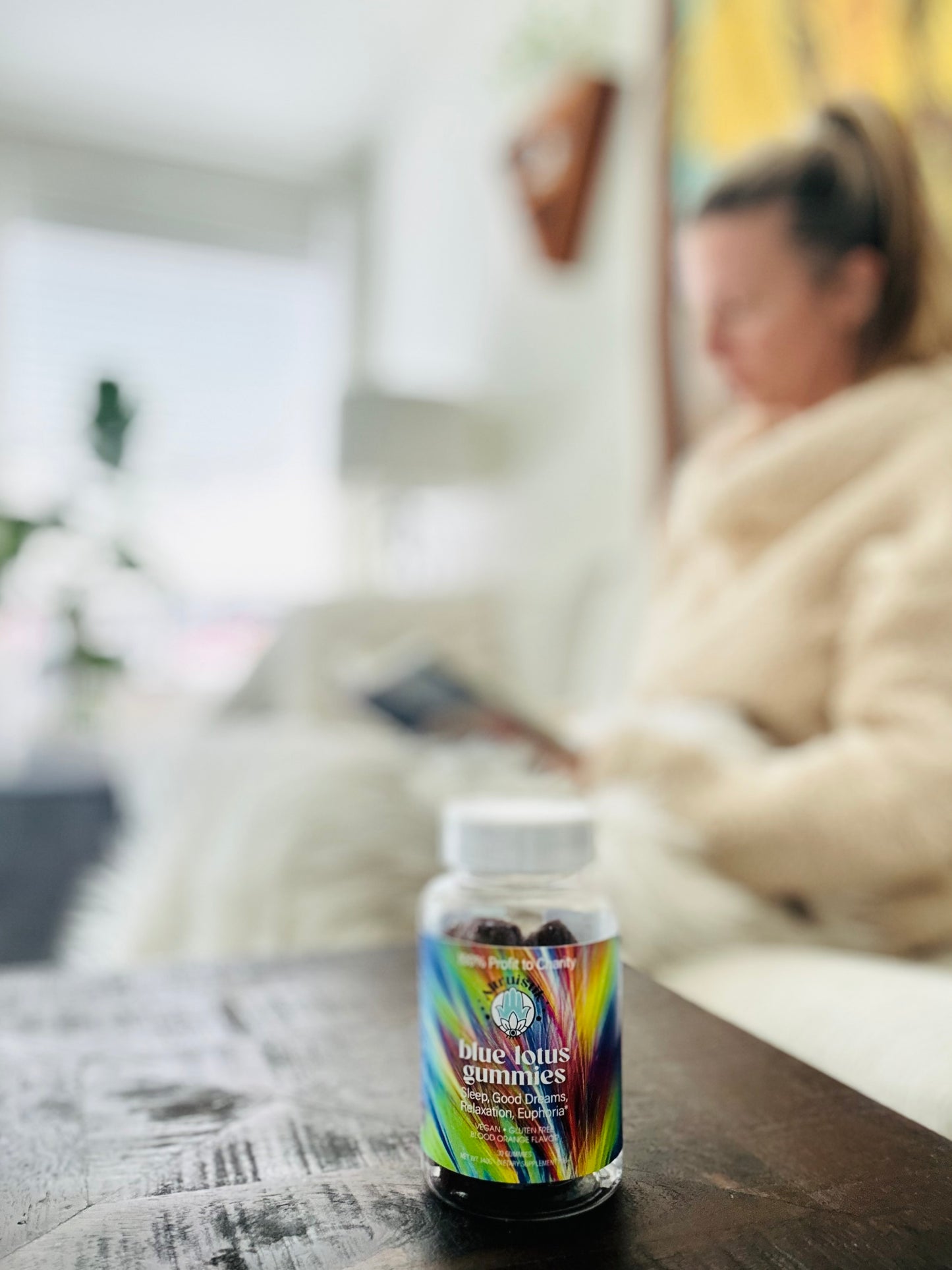
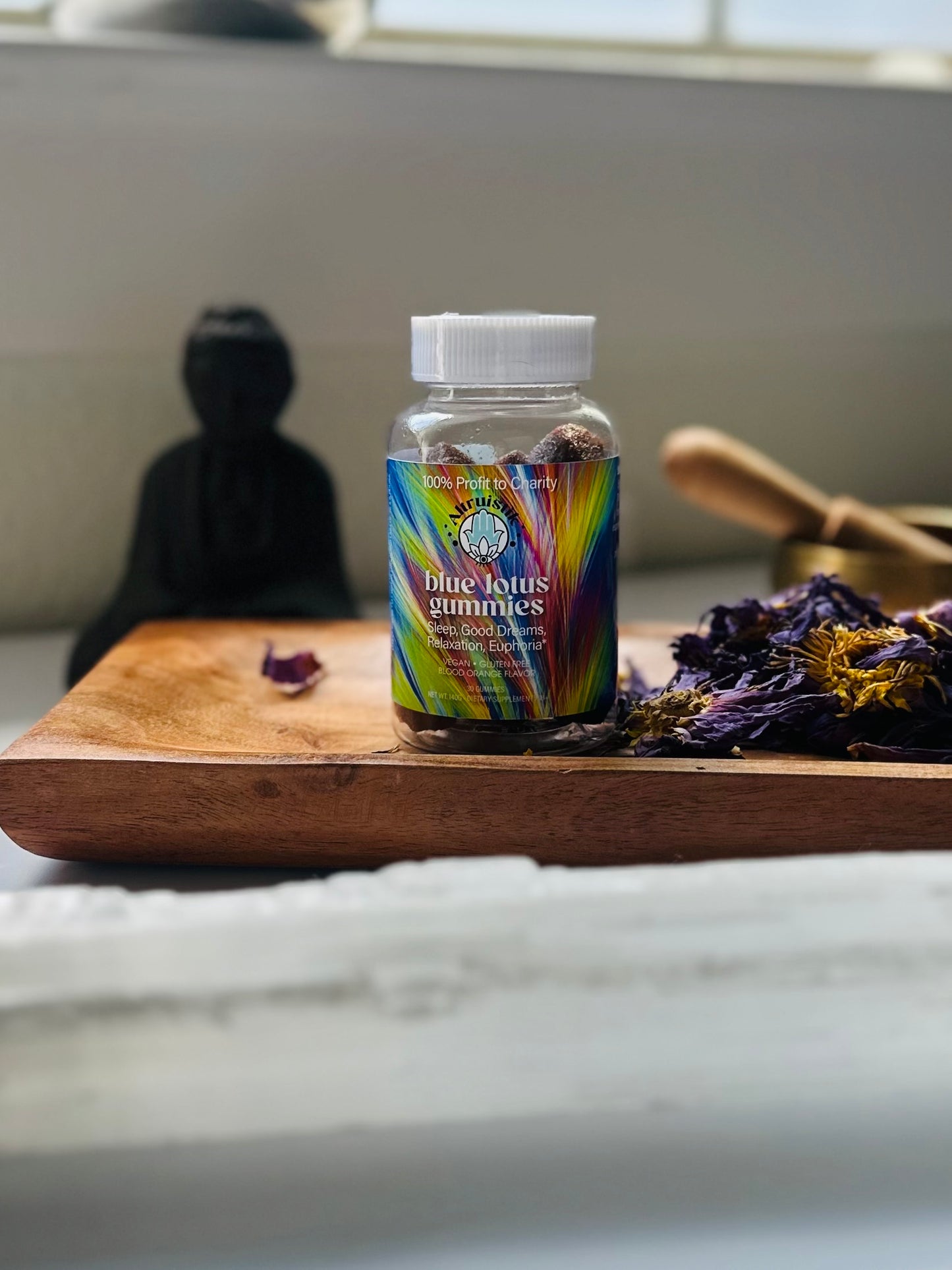
For decades, Valerian Root (Valeriana officinalis) has been the go-to herbal champion for sleep, celebrated for its ability to induce drowsiness. However, many users report significant drawbacks: a strong, unpleasant odor and that notorious "morning grogginess."
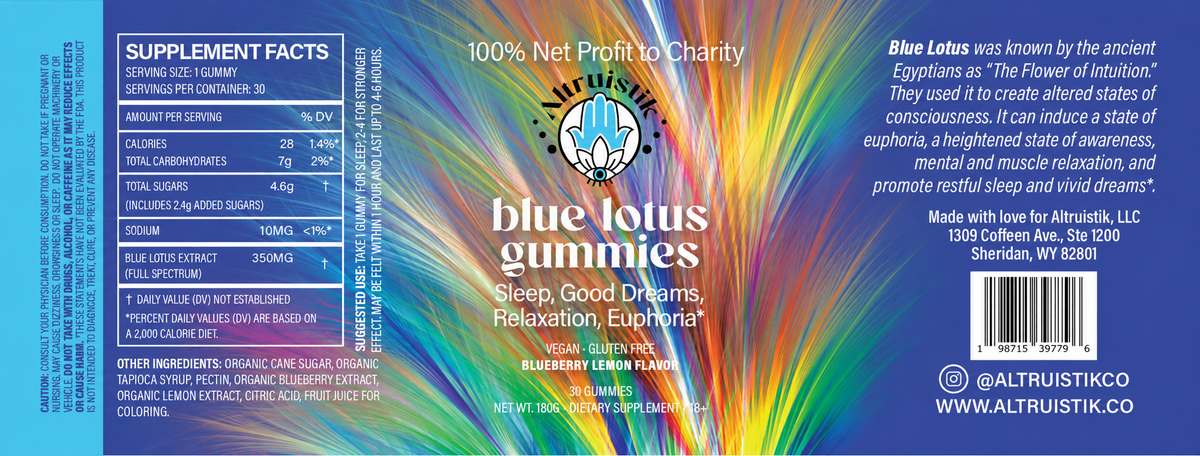
Today, a superior contender is rising: the ancient Egyptian flower, Blue Lotus (Nymphaea caerulea). While Valerian focuses on forcing sleep onset, Blue Lotus provides a cleaner, more restorative tranquility by addressing the underlying anxiety without the heavy, "drugged" feeling. This detailed comparison reveals why the delicate Blue Lotus offers a better path to truly restful, high-quality sleep.
🔬 Action Mechanism Showdown: GABA vs. Dopamine/Serotonin

The key difference between these two botanicals lies in how they interact with your brain's chemistry, leading to vastly different subjective experiences.
- Valerian Root (The GABA Route):
- Valerian primarily works by modulating GABA receptors (the brain's main "brake pedal"), often mimicking the effect of sedative drugs (like benzodiazepines, though much milder).
- This direct, heavy-handed GABAergic action can sometimes lead to a "drugged," sluggish feeling both before sleep and upon waking. It forces the brain to shut down, often sacrificing quality for speed.
- Blue Lotus (The Dopamine/Serotonin Route):
- Blue Lotus's primary active alkaloid, Nuciferine, acts as a dopamine receptor modulator and gently influences serotonin pathways.
- This effect is less about forcing sedation and more about promoting emotional balance and a sense of calm well-being. The resulting tranquility is often described as "cleaner" and more lucid, facilitating relaxation without heavy cognitive suppression.
Key Difference: Valerian applies a heavy, chemical brake to the CNS. Blue Lotus smooths out the nervous system through mood regulation, allowing sleep to occur naturally.
💤 Focus on Sleep Quality: Inducement vs. Restoration

While Valerian is a proven sleep inducer (it helps you fall asleep faster), Blue Lotus excels at supporting restorative sleep quality, particularly the phases related to emotional processing.
- Targeting Deep Rest: Blue Lotus is traditionally associated with promoting a deeply relaxed state, which can indirectly support time spent in deep, slow-wave sleep.
- The Dream Phase (REM): Anecdotal and historical evidence suggests that Blue Lotus is especially effective at enhancing the vividness and clarity of dreams (REM sleep). This focus on the dream phase indicates a deeper level of mental processing and relaxation, rather than simple chemical suppression of consciousness.
- Valerian's Trade-off: While Valerian shortens sleep latency (time to fall asleep), its heavy sedative nature can sometimes alter the natural architecture of sleep cycles, potentially leading to a feeling of less restorative rest, even if the person slept a full eight hours.
👃 The Taste and Smell Factor: Ritual vs. Repulsion

The ritual of winding down is essential for good sleep hygiene, and the sensory experience of the remedy plays a huge role. This is perhaps the most obvious difference between the two herbs.
- Valerian Root's Sensory Challenge: Valerian root is notorious for its intense, unpleasant smell and bitter, earthy taste, often compared to dirty socks or cheese. This olfactory hurdle makes consuming Valerian tea or tinctures a difficult and often avoided ritual.
- Blue Lotus's Pleasant Experience: Blue Lotus, conversely, has a delightful, light floral aroma and a gently sweet, soothing taste when brewed as a tea. The entire experience—from brewing the fragrant petals to sipping the warm liquid—is a pleasurable, relaxing ritual that immediately signals the body to transition into rest.
🌅 Lack of Morning Grogginess: Waking Up Clear-Headed

The most common complaint about GABA-heavy sedatives is the persistence of their effects into the morning, leading to the dreaded morning grogginess or "Valerian hangover."
- Valerian's Lingering Effect: Valerian's active compounds have a long half-life and can linger, contributing to residual sedative effects, mental fog, and impaired cognitive function upon waking.
- Blue Lotus's Clear Wake-Up: Because Blue Lotus works primarily by modulating mood and gently calming the nervous system (rather than forcing a central nervous system shutdown), users report a remarkably clean and sharp awakening. There is minimal to zero risk of morning grogginess, allowing the user to start the day clear-headed and truly refreshed.
The Verdict: If you need a remedy that won't compromise your functional cognitive clarity the next morning, Blue Lotus is the definitive choice.

Are you ready to replace heavy sedation with clear, restorative serenity?
Stop dreading the smell of your sleep tea and start enjoying a ritual that delivers deep rest without the morning hangover. Blue Lotus offers an elegant, ancient solution for modern sleep disturbances, ensuring you wake up truly refreshed.
Upgrade your rest ritual. Experience the clean, floral tranquility— Start brewing premium Blue Lotus tea tonight and discover the difference of truly restorative sleep!