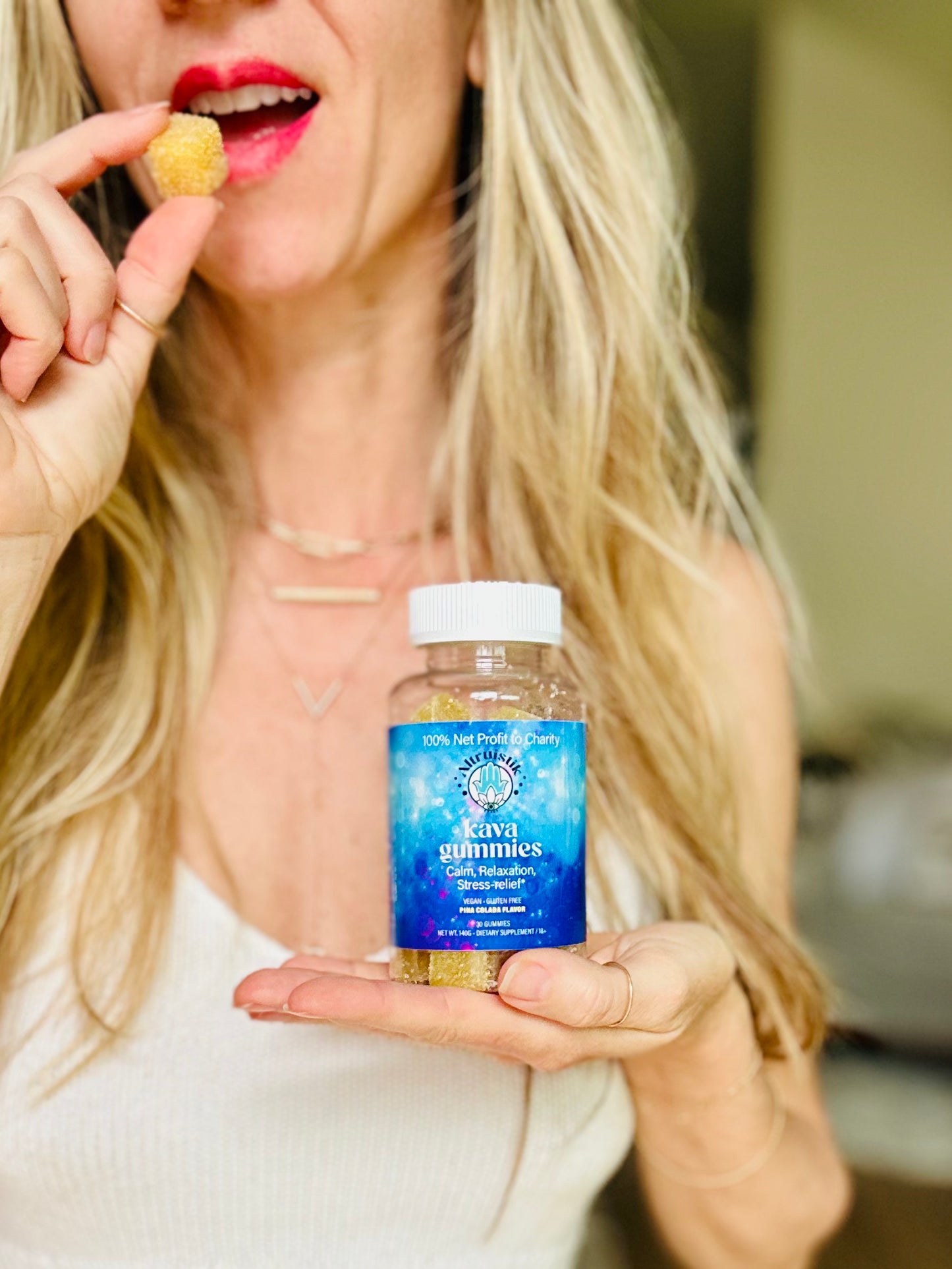
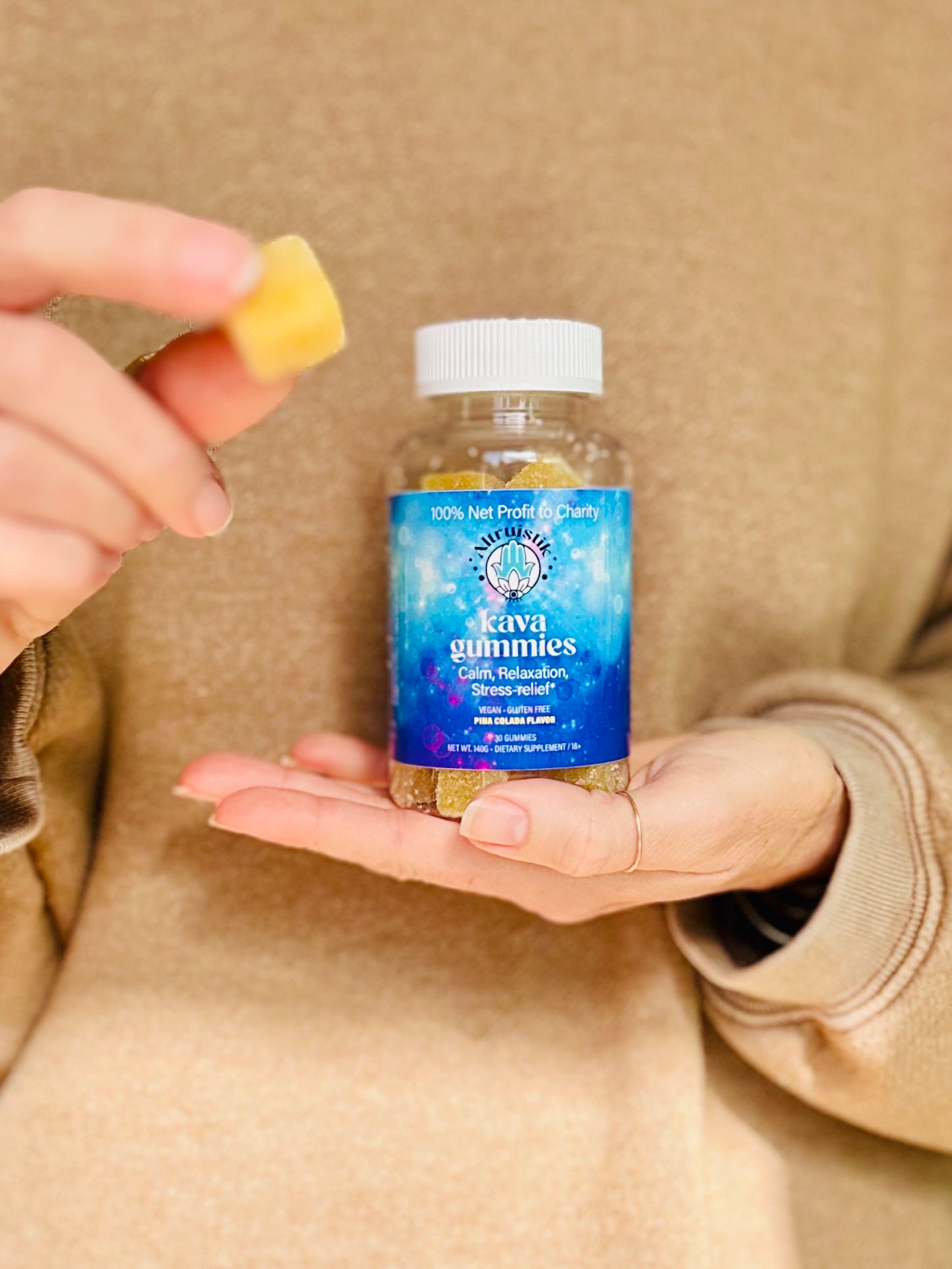
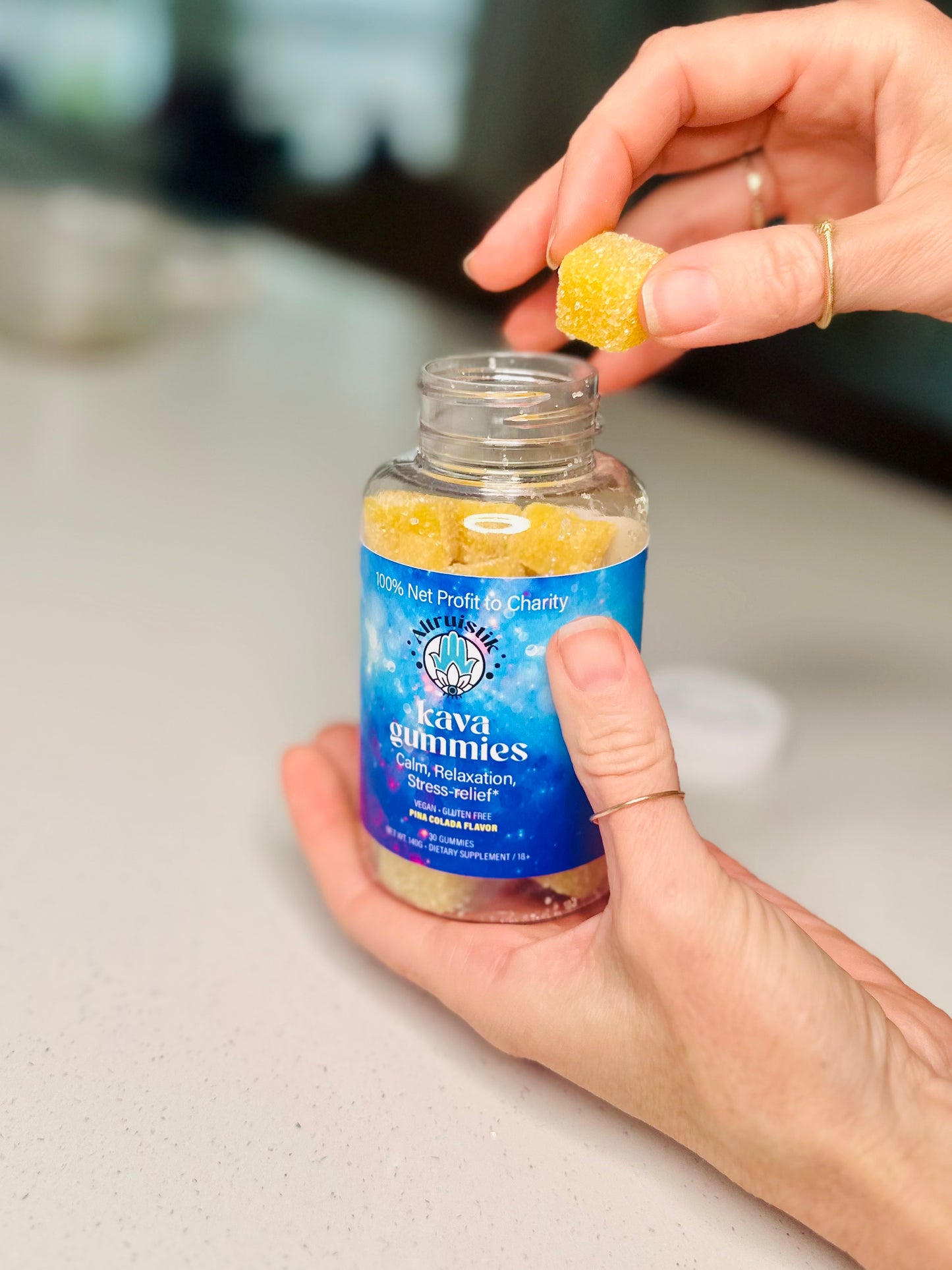
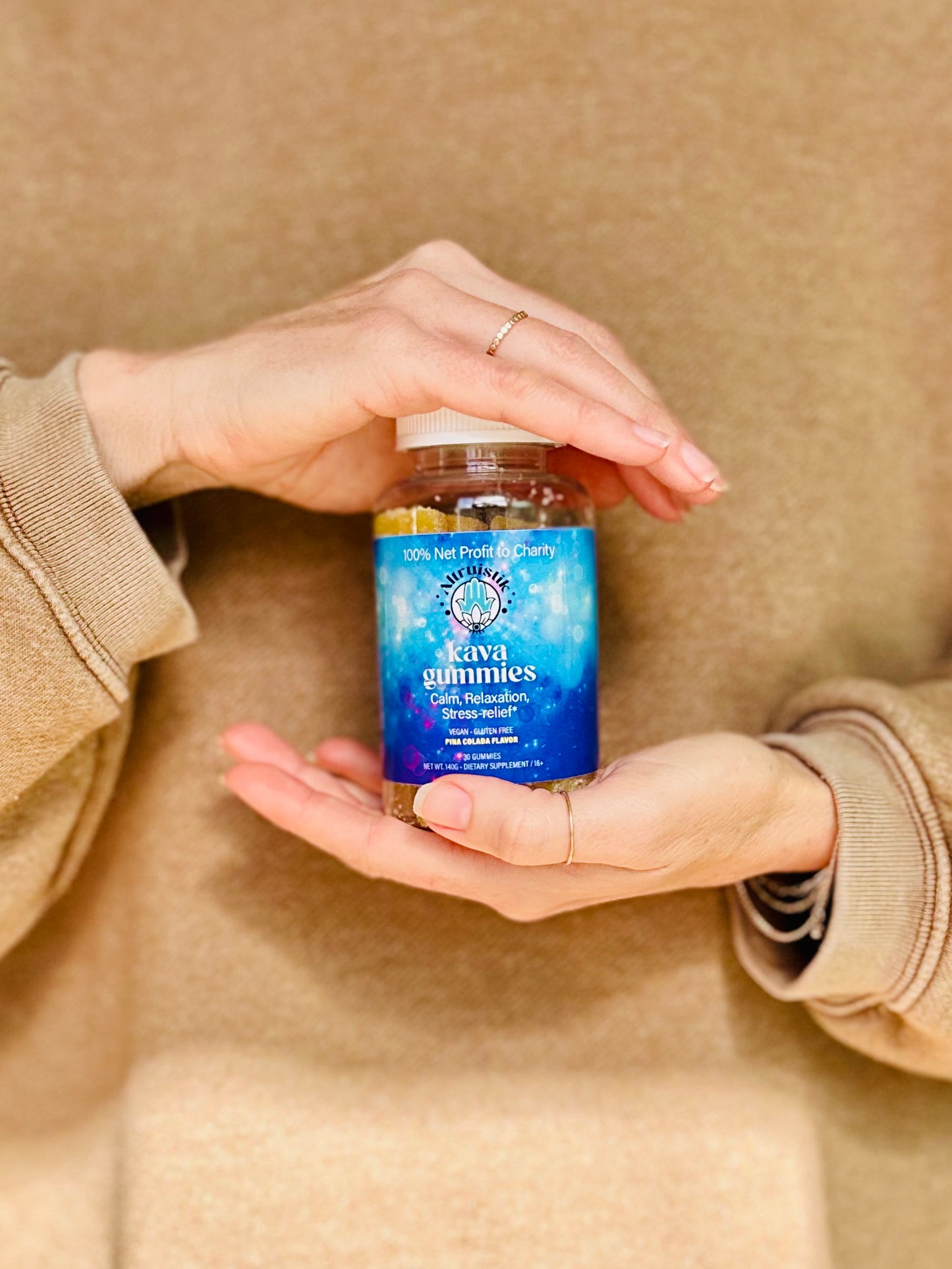
The search for natural, non-addictive relief from anxiety has led millions back to Kava Kava (Piper methysticum), the revered South Pacific root. While Kava's calming effects are well-documented anecdotally, the question for consumers and practitioners remains: What does the current clinical evidence say about its effectiveness against generalized anxiety disorder (GAD)?
This 2025 review synthesizes the latest research, defining Kava’s mechanism of action, assessing its efficacy in large-scale clinical trials, and addressing the critical safety myths that still surround this potent botanical.
🔬 Defining Kavalactones: Kava's Calming Chemistry

Kava’s therapeutic power is concentrated in its primary active components: the kavalactones. Understanding these compounds is essential to grasping how Kava works on the central nervous system (CNS).
- The Key Players: While over 15 kavalactones exist, the most prominent ones are Methysticin, Dihydromethysticin, Yangonin, and Dihydrokavain. These compounds work synergistically to produce Kava’s signature anxiolytic and muscle-relaxing effects.
- The GABA Connection: The primary mechanism involves the GABA-A receptors—the main inhibitory receptors in the brain. Kavalactones, particularly Yangonin, are believed to modulate or potentiate GABA activity. GABA is the brain's "brake pedal"; by enhancing its function, Kava effectively dampens the excessive neuronal firing that causes anxiety, worry, and panic.
- Beyond GABA: Some kavalactones also influence other neurotransmitter systems, contributing to Kava’s mild euphoric and muscle-relaxing properties, resulting in a state of mental clarity coupled with physical calm.
Crucial Takeaway: Kava is not an herbal sedative; it is an anxiolytic that achieves calm by regulating the brain’s fear and worry centers through GABA enhancement.
📊 Meta-Analysis of GAD and Kava: Strong Clinical Validation

The clinical efficacy of Kava in treating Generalized Anxiety Disorder (GAD) is one of the most extensively studied areas in herbal medicine. Recent meta-analyses reinforce its status as a robust natural treatment.
- Efficacy in GAD: Multiple systematic reviews and meta-analyses, synthesizing data from randomized, placebo-controlled trials, consistently conclude that Kava extract is significantly superior to placebo in reducing the symptoms of GAD.
- Key Findings (2025 Consensus): High-quality trials have shown that standardized Kava extracts can lead to clinically relevant improvements, often comparable to conventional medications, but with a better side-effect profile (e.g., fewer reports of drowsiness or dependency).
- Symptom Reduction: The most notable improvements are seen in reduced psychological symptoms of anxiety (worry, dread, restlessness) and physical symptoms (muscle tension, insomnia).
- Clinical Endorsement: Based on the strong evidence base, Kava is increasingly recognized by integrative medicine practitioners as a first-line natural intervention for mild-to-moderate GAD.
🛡️ Safety and Liver Concerns: Addressing the Myths

The fear surrounding Kava’s safety, particularly liver toxicity, is largely based on misinformation and historical contamination that has since been scientifically debunked.
- The Root Cause of Toxicity: Initial reports of liver toxicity were traced back to two major issues:
- Non-Traditional Materials: Using non-root parts of the plant (stems, peelings, or leaves), which contain specific alkaloids (known as PIMs, or Phenylpropanoid derivatives) that are highly likely to be hepatotoxic.
- Solvent Extraction: Using toxic solvents (like acetone or ethanol) during poor manufacturing processes, which can concentrate harmful compounds.
- The Scientific Rebuttal: Extensive clinical reviews have since confirmed that properly prepared, water-based extracts made exclusively from the Noble Kava rootstock pose no significant risk of liver damage in healthy individuals when taken at therapeutic doses.
- Buyer Vigilance is Key: Consumers must demand a Certificate of Analysis (COA) from vendors that specifically confirms the product is made from $100\%$ root material (Noble Kava) and is free of toxic solvents.
Safety Consensus: When sourced ethically and prepared traditionally (water-based extraction from Noble Root), Kava is classified as a low-risk anxiolytic.
🌱 Long-Term Use: Is Kava Sustainable?

For those managing chronic anxiety, sustainability and the risk of dependence are crucial considerations. Kava demonstrates a positive profile for long-term integration.
- No Dependence Risk: Kava has not been shown to be chemically addictive or to cause dependency, making it a sustainable alternative to anxiolytic pharmaceuticals that carry significant dependence risks.
- Integrating into Management: Kava can be used effectively on an as-needed basis (acute relief) for situational anxiety or as a daily baseline support for GAD. This flexibility allows users to control their dosage and usage without the pressure of withdrawal.
- Potential for Tolerance: Unlike some medications, tolerance to the calming effects of Kava is generally minimal or develops slowly, allowing for sustained efficacy over months or even years of use, provided periodic breaks are taken.
- Holistic Management: Kava's non-sedating, anxiety-reducing effect makes it an ideal complement to other long-term anxiety management strategies, such as meditation, breathwork, and cognitive behavioral therapy (CBT).

Ready to find scientifically supported relief from the relentless cycle of worry?
The clinical evidence is clear: high-quality, Noble Kava is a powerful, non-addictive tool for regulating the nervous system and effectively managing GAD. By choosing verified root products, you harness an ancient botanical with modern scientific backing.
Choose clarity over chemicals. Demand purity, demand Noble Kava— Start your journey to sustained calm and reduced anxiety with certified Kava Kava today!