Kava (Piper methysticum) offers powerful natural relief from anxiety and stress, but not all Kava is created equal. The difference between a relaxing, clear-headed experience and an evening of nausea and fatigue often comes down to one crucial distinction: Are you consuming Noble Kava or Tudei Kava?
In the world of Kava, choosing the right strain is paramount not only for maximizing the desired effect but, more importantly, for consumer safety and long-term well-being.
Understanding the classification system, or chemotype, is the secret to unlocking Kava's true potential and avoiding unwanted side effects.
⚖️ The Kava Classification System: Noble vs. Tudei

In the South Pacific, centuries of traditional use led to a sophisticated, yet simple, system for classifying Kava based on its physiological effects and cultivation time.
- 🌱 Noble Kava:
- The Safe Choice: Noble strains are the only types historically deemed safe and appropriate for daily, long-term consumption and ceremonial use.
- Cultivation: They typically take at least 3–5 years to reach maturity.
- Effect: Produces a clean, calm effect characterized by mental clarity, social ease, and mild relaxation without severe lingering sedation.
- ⚠️ Tudei Kava (Two-Day Kava):
- The Risky Choice: Tudei varieties (like the "Isa" cultivars) contain a high concentration of specific, less-desirable kavalactones.
- Cultivation: They mature much faster, often in under two years (hence the name "Two-Day"), making them cheaper and quicker for commercial producers to grow.
- Effect: Produces an effect that is often heavier, more intoxicating, and, critically, the sedating effects can last well into the next day, compromising function. Traditional use was limited to occasional, high-dose ceremonies.
If you plan to incorporate Kava into a regular wellness routine, you must exclusively use certified Noble Kava.
🧪 Chemotype Analysis for Dummies: Decoding the Code

The most accurate way to distinguish Noble from Tudei is through its chemotype—the six-digit code that details the ratio and order of the six major kavalactones (the active compounds) present in the root.
- The Code: Kavalactones are numbered 1 through 6:
- Methysticin
- Dihydrokavain (DHK)
- Yanggona
- Kavain
- Dihydromethysticin (DHM)
- Desmethoxyyanggona
- Noble’s Signature: Noble strains are typically dominated by the kavalactones Kavain (4) and Methysticin (1), which are considered the best for anxiety relief and clean euphoria. Their codes often start with 426, 432, or 246. For instance, the highly sought-after Vanuatu Kava Borongoru often has a chemotype of 426531.
- Tudei’s Warning Sign: Tudei varieties are dominated by the heavily sedating kavalactones Dihydrokavain (2) and Dihydromethysticin (5). Their codes frequently begin with 25 (e.g., 256 or 526). These chemotypes indicate a much higher concentration of the compounds responsible for the powerful, long-lasting sedation and nausea.
A high concentration of Kavain (4) and Methysticin (1) ensures you get the calming effect without the physiological hangover.
🤢 Why Tudei Can Cause Nausea and Fatigue

The reason Tudei varieties cause such harsh side effects is directly linked to their imbalanced kavalactone profile, specifically the presence of Dihydromethysticin (DHM).
- The DHM Effect: Dihydromethysticin (5) and Dihydrokavain (2) are metabolized more slowly by the body. They are known to induce pronounced, lingering sedation, which often manifests as "Kava hangover"—heavy fatigue, mental fogginess, and lack of motivation the following day.
- Gastrointestinal Distress: While the exact mechanism is complex, the higher concentration of these less-desirable kavalactones in Tudei strains is widely correlated with increased nausea and stomach upset, making the experience unpleasant and difficult to repeat.
- Liver Safety Concerns: Though widely disputed, historical safety warnings in the early 2000s were frequently linked to poor quality control and the use of Tudei (or even aerial parts of the plant). Sticking strictly to certified Noble root remains the gold standard for safety.
🏷️ How to Identify True Noble Kava: Tips for Consumers

As a consumer, you must be vigilant, as the term "Kava" does not guarantee quality. Look for these four critical indicators before making a purchase:
- Ask for the Chemotype: A reputable vendor will always provide the exact chemotype of their Kava batch, usually printed on the packaging or available on their website. If they cannot or will not provide the code, avoid the product.
- Source Verification: Check the country of origin. The best Noble Kava typically comes from Vanuatu, Fiji, Hawaii, or Tonga. Look for vendor statements guaranteeing they source only "certified Noble root."
- Use Only the Root: The only safe part of the Kava plant for consumption is the noble rootstock (rhizome) and lateral roots. Avoid any product that uses "peelings," stems, or aerial parts of the plant, as these contain higher concentrations of undesirable, hepatotoxic compounds.
- Taste Test (The Traditional Indicator): Noble Kava root should taste peppery, slightly bitter, and cause a noticeable, yet temporary, numbness or tingling on the tongue and lips. If the taste is bland, chalky, or chemically harsh, the quality may be poor or it may be a blended product.

Are you ready to experience the true, clear-headed calm that Kava is known for?
Don't gamble your well-being on cheap, fast-growing Tudei Kava. By understanding the chemotype and prioritizing certified Noble Kava, you ensure a safe, enjoyable experience that supports—rather than sabotages—your daily life.
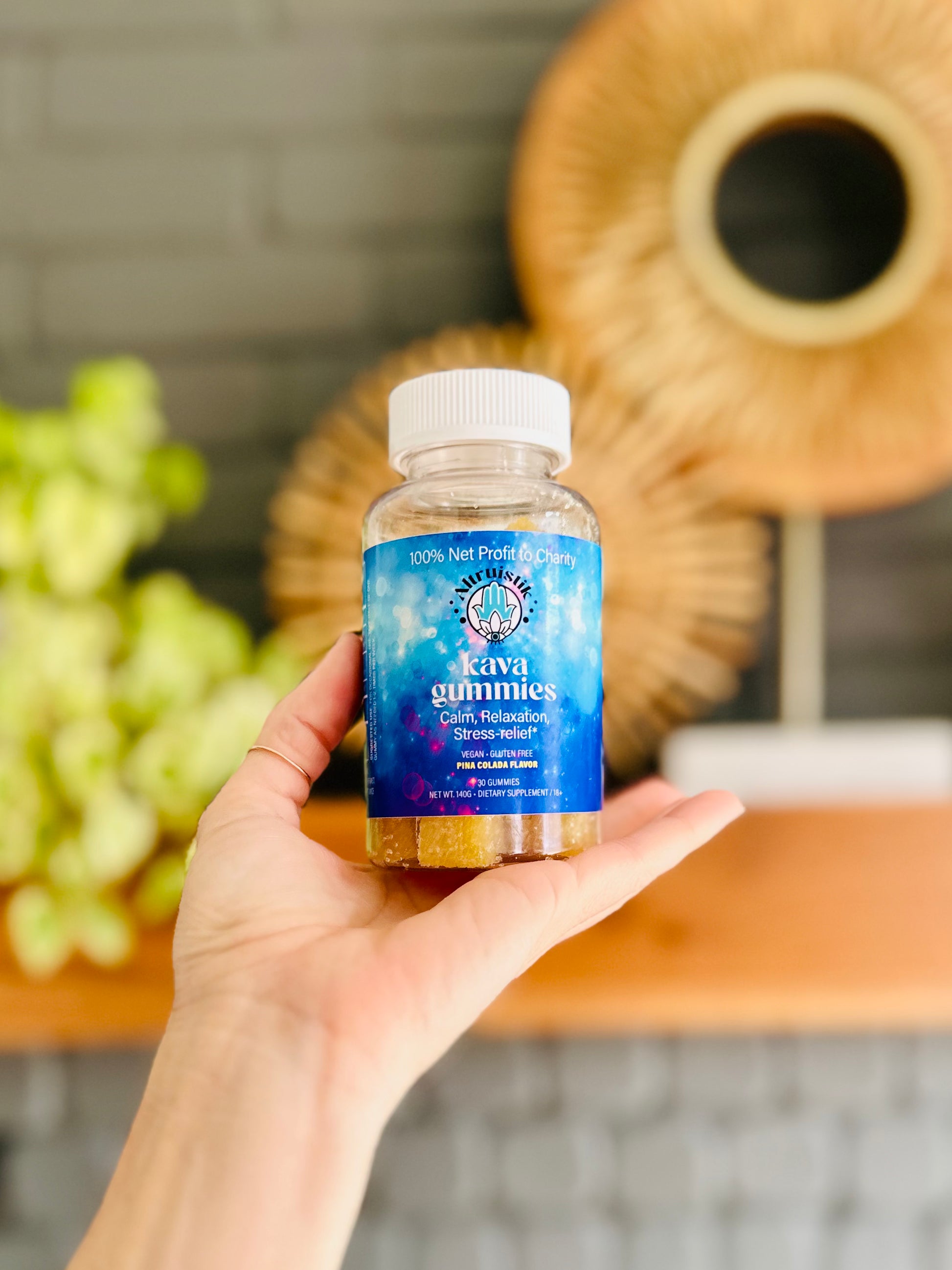
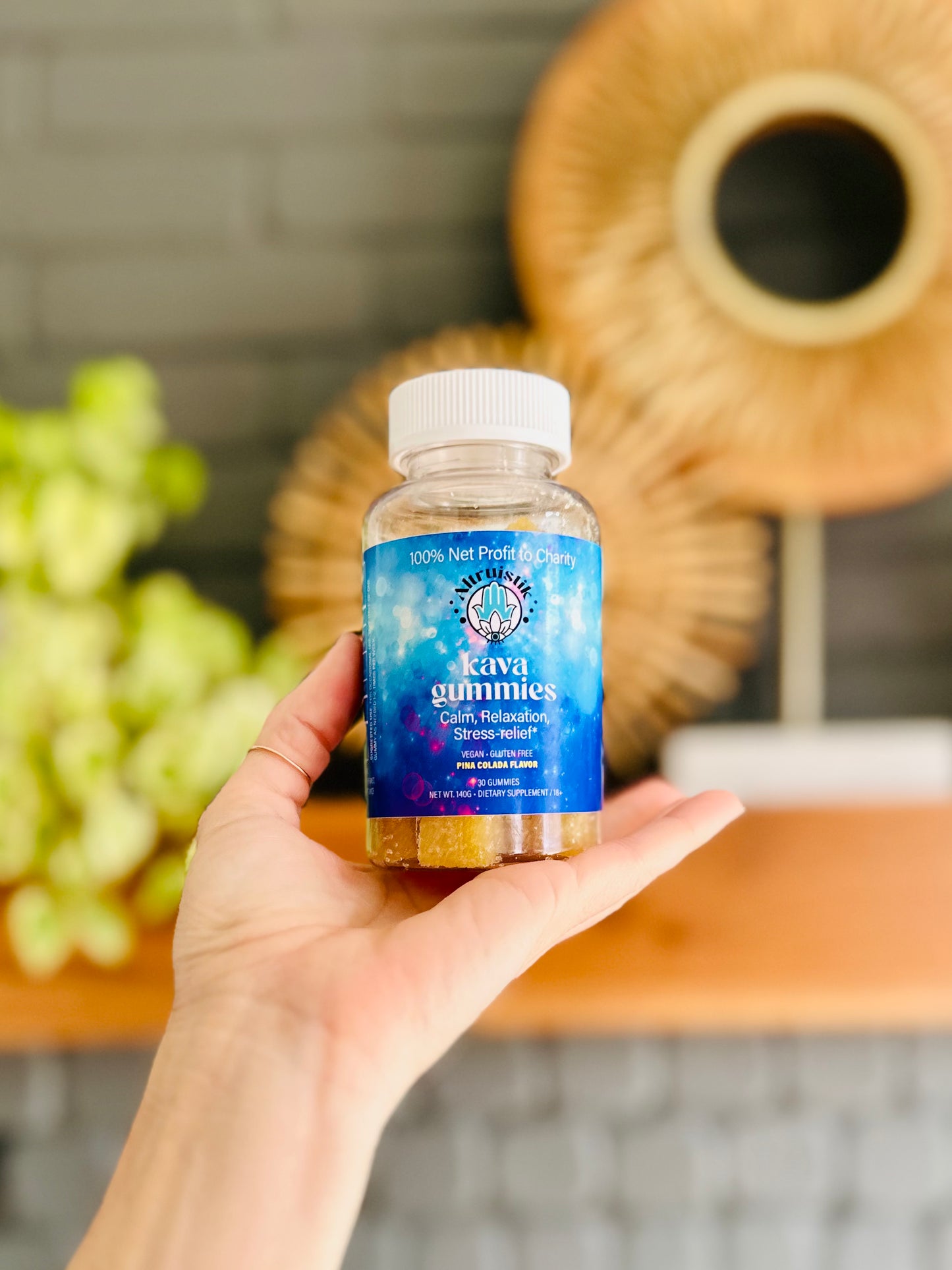
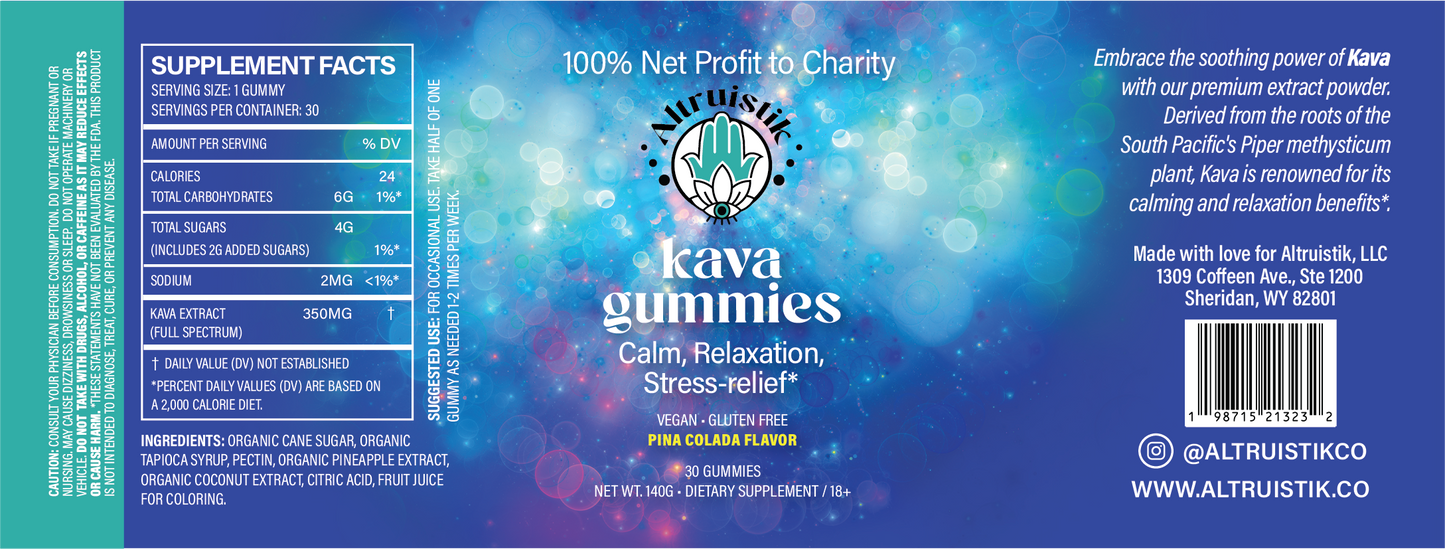
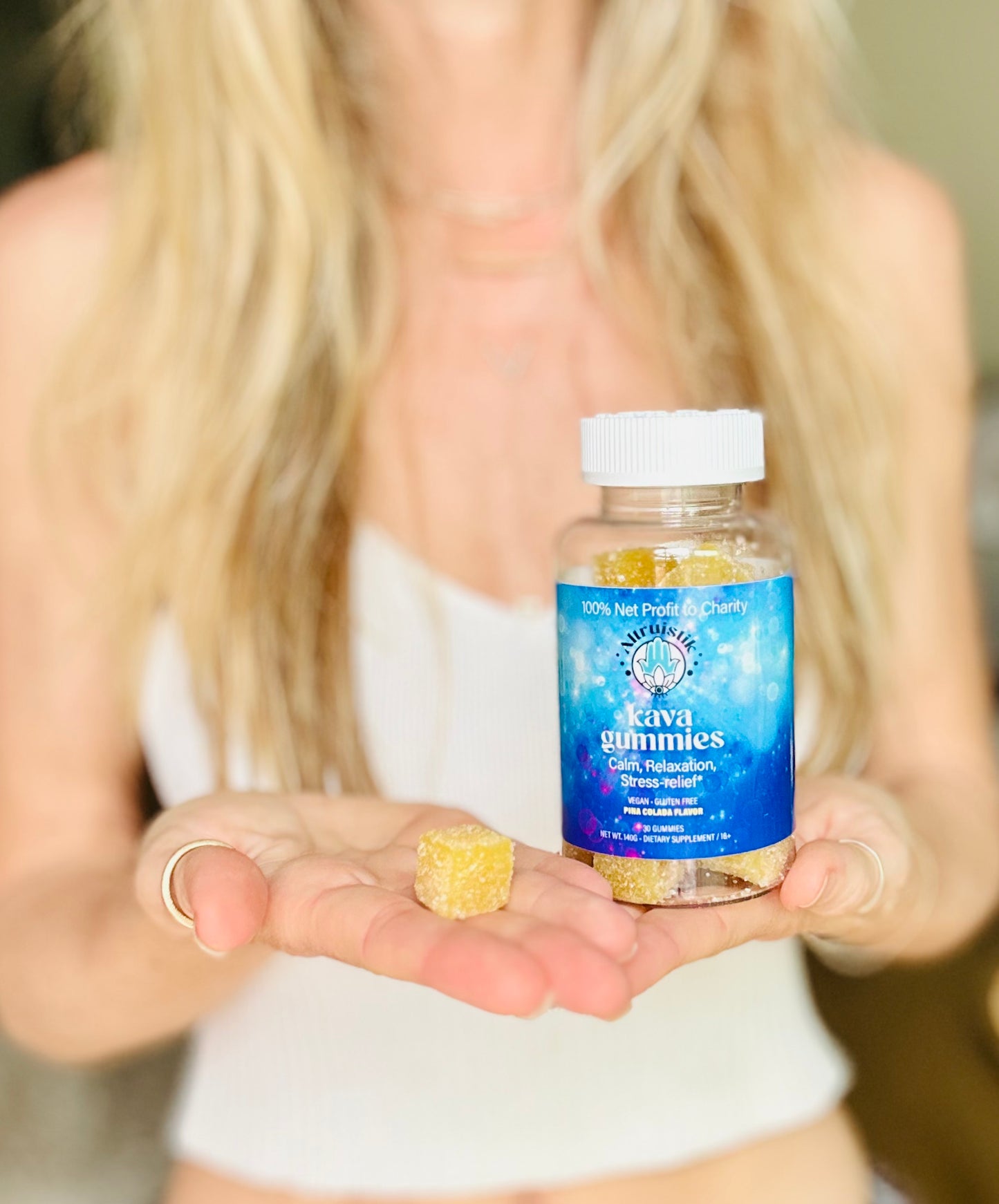
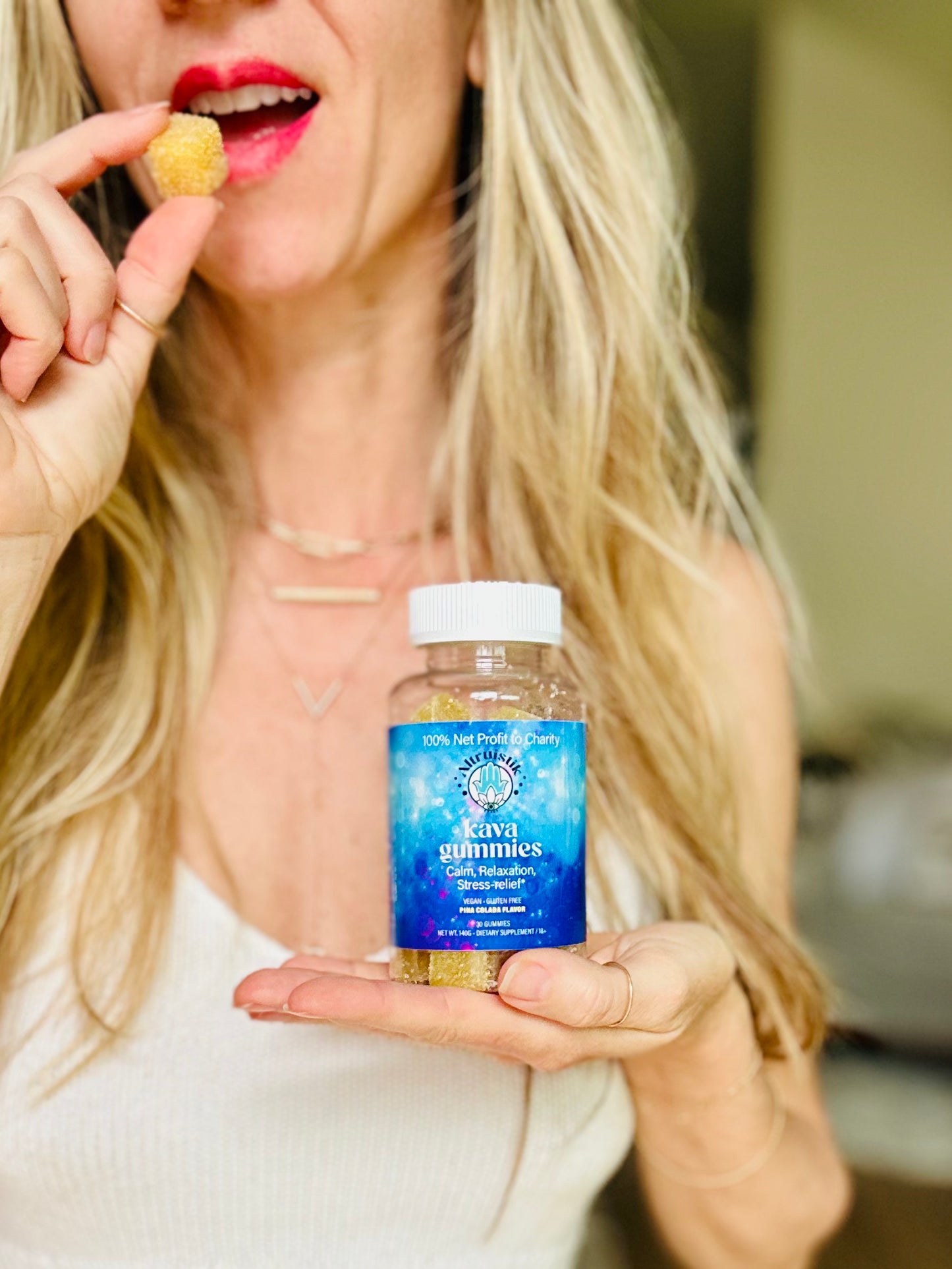
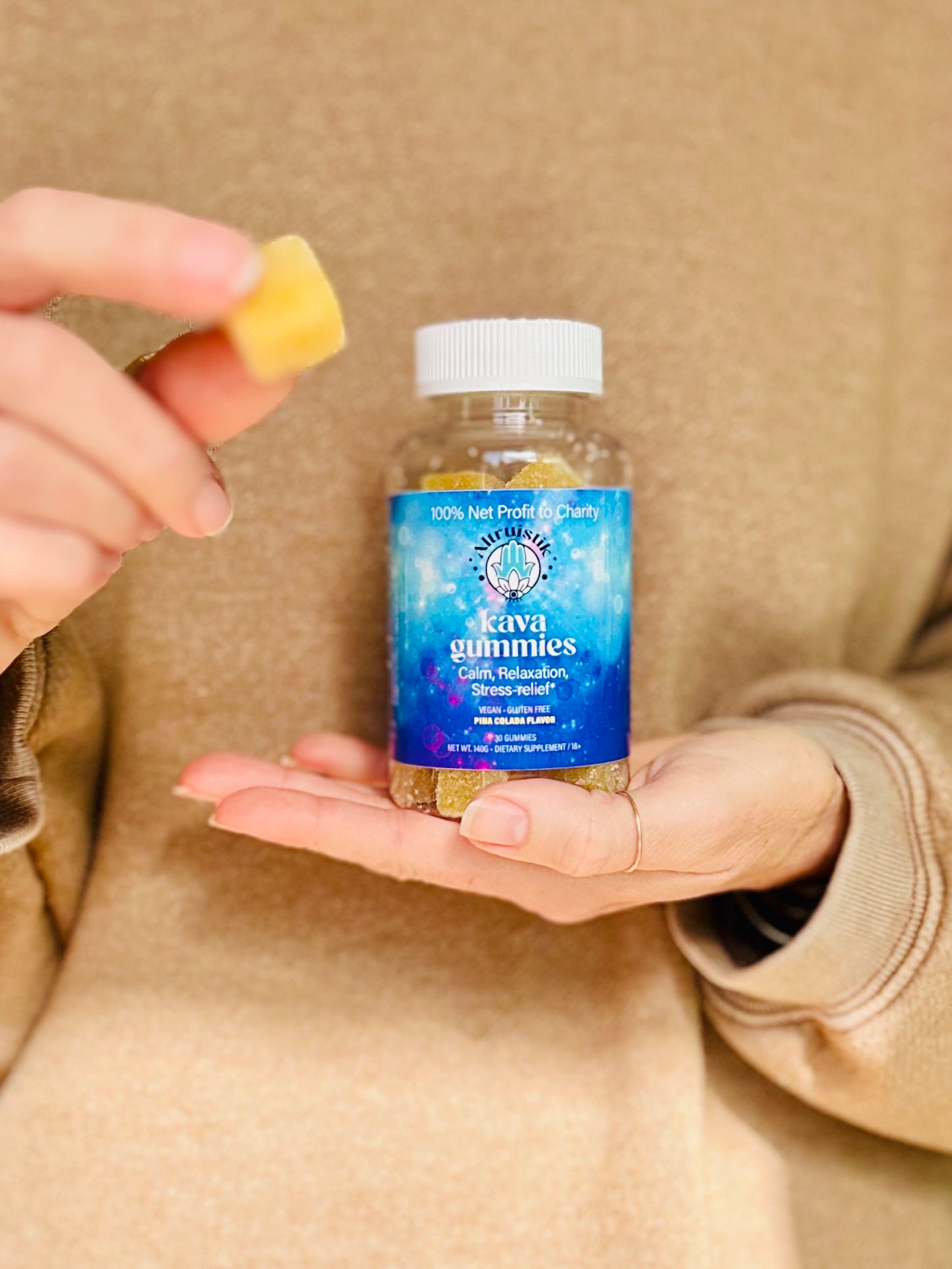
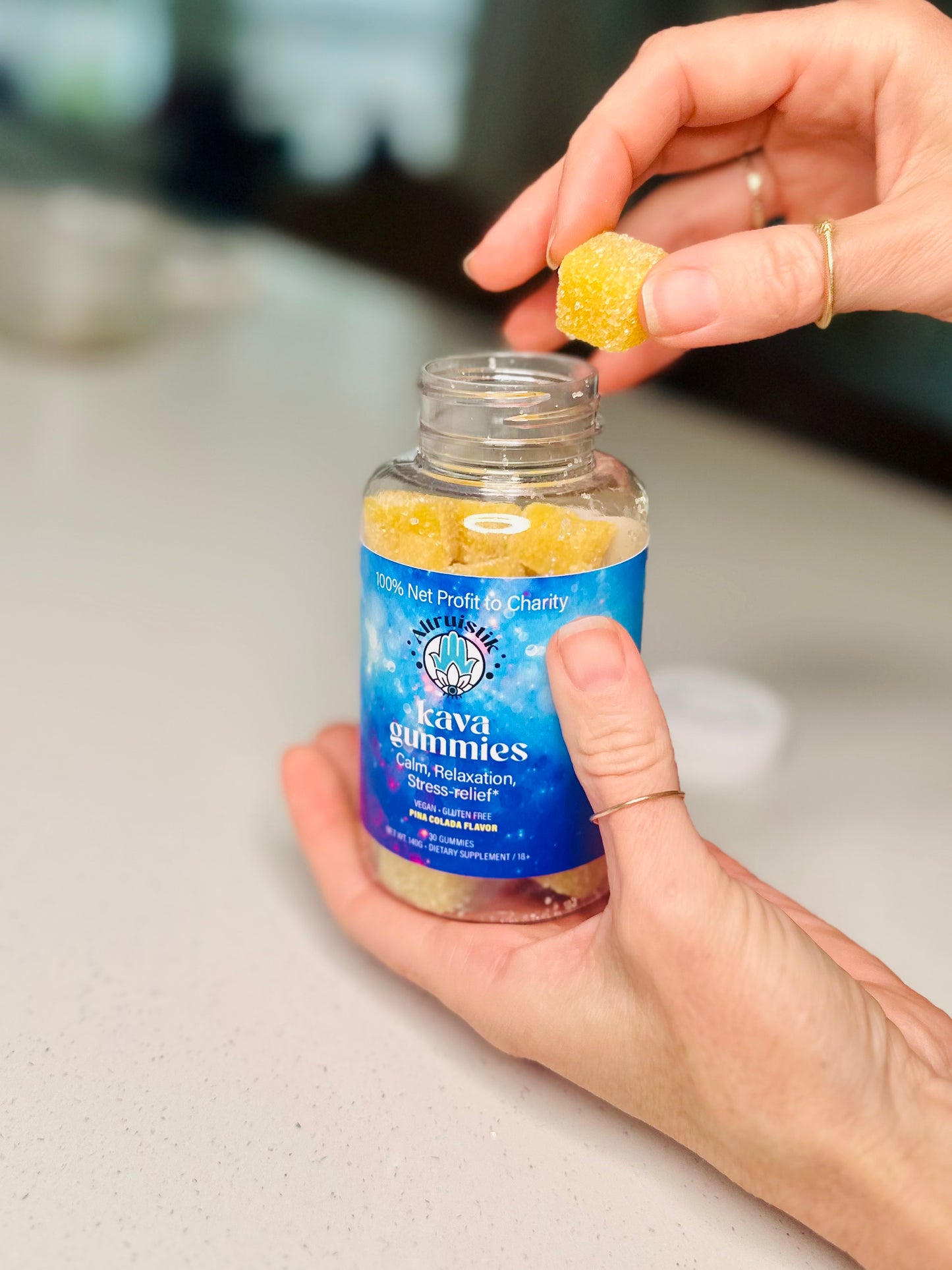
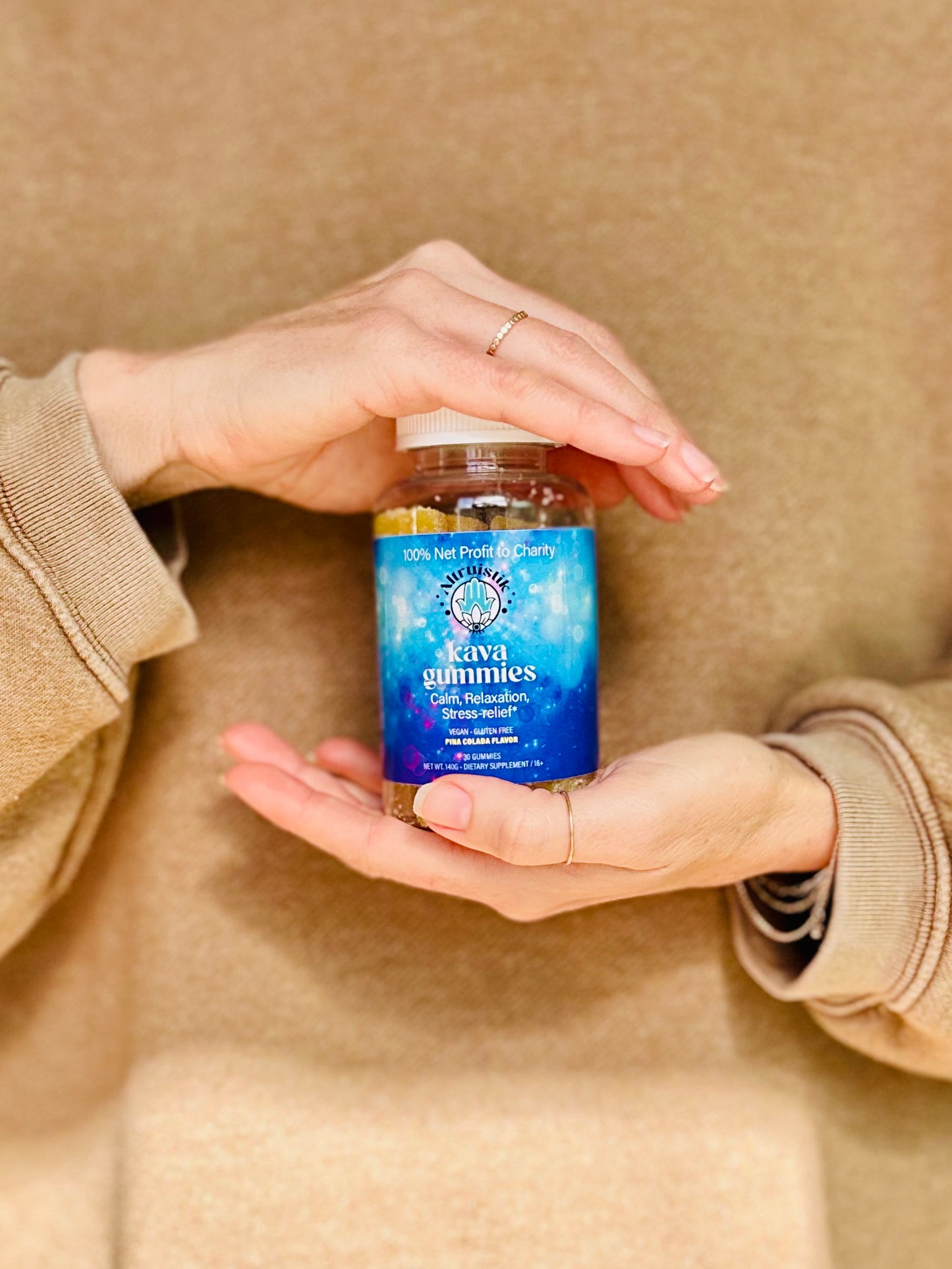
Choose the superior, safer path to relaxation. Demand the best for your body— Try our certified Noble Kava gummies today and feel the difference of authentic, clean Pacific calm!