Kanna (Sceletium tortuosum) is a powerful South African botanical with a long history of traditional use for easing stress, lifting mood, and enhancing social connection. Unlike many herbs that rely on general calming effects, Kanna’s mechanism is highly specific, involving the sophisticated modulation of key brain chemicals: Serotonin and Dopamine.
At the heart of Kanna's therapeutic power lies its dominant alkaloid, Mesembrine. Understanding how this single compound interacts with your brain's reward and emotional centers is key to appreciating Kanna’s unique ability to promote a state of calm, motivated well-being.
🧬 Mesembrine: The Core Alkaloid

Kanna contains a cocktail of alkaloids (including mesembrenone, mesembrenol, and tortuosamine), but Mesembrine is recognized as the primary and most potent active compound.
- The Structural Key: Mesembrine possesses a distinct chemical structure that allows it to interact effectively with the central nervous system. Its high affinity for specific targets in the brain gives Kanna its reliable psychoactive profile.
- Dual Action: Mesembrine is known for its dual-action pharmacology: it acts as both a Serotonin Reuptake Inhibitor (SRI) and a Phosphodiesterase 4 (PDE4) inhibitor. This combination offers a holistic approach to mood and cognition—calming stress while sharpening the mind.
- Potency Insight: Studies suggest that Mesembrine’s potency as a serotonin reuptake inhibitor is comparable to, or even stronger than, certain commonly prescribed pharmaceutical antidepressants, highlighting its significant capacity to influence brain chemistry.
😌 The Serotonin Balancing Act: Elevating Mood

The most well-known mechanism of Mesembrine is its activity as a Serotonin Reuptake Inhibitor (SRI). Serotonin (5-HT) is a crucial neurotransmitter that regulates mood, happiness, sleep, and social behavior.
- The Reuptake Mechanism: After serotonin is released into the synaptic cleft (the gap between neurons) to transmit a signal, transporter proteins (SERT) quickly reabsorb any excess serotonin back into the sending neuron. This reabsorption process is called reuptake.
- Kanna’s SRI Action: Mesembrine effectively blocks the SERT transporter protein. By inhibiting the reuptake process, Mesembrine ensures that serotonin molecules remain in the synaptic cleft for a longer duration.
- The Result: Increased Availability: This increased availability of serotonin means the neurotransmitter can continue to bind to receptors, leading to stronger and more sustained signaling. This mechanism directly contributes to Kanna’s well-documented ability to elevate mood, reduce general anxiety, and diminish symptoms of stress.
🎯 Dopamine and Reward System: Boosting Motivation

While the primary focus is often serotonin, Kanna’s effects on the dopamine reward system are critical for its ability to increase motivation and overall well-being.
- VMAT-2 Upregulation: Emerging research indicates that Kanna alkaloids can upregulate (increase the activity of) the Vesicular Monoamine Transporter-2 (VMAT-2). This transporter is responsible for packing monoamine neurotransmitters (including Dopamine and Serotonin) into vesicles for release.
- The Dopamine Connection: By potentially increasing the efficiency of VMAT-2, Kanna helps ensure that Dopamine—the neurotransmitter associated with reward, motivation, and pleasure—is more readily available for use.
- The Well-Being Effect: This boost in the availability of key monoamines translates to a significant improvement in the "drive" aspect of mood. It supports motivation, reduces the perception of effort, and promotes that feeling of contentment and focus that is central to overall well-being.
📝 What Studies Say: Validating Mesembrine’s Effects

Modern clinical research has increasingly validated the traditional uses of Kanna, confirming the anxiolytic and cognitive effects linked to Mesembrine's dual mechanism.
- Amydala Attenuation: A key pharmaco-fMRI study utilizing a standardized Kanna extract (Zembrin), which is rich in Mesembrine, demonstrated that a single 25mg dose attenuated (reduced) the reactivity of the Amygdala (the brain's threat and fear center) to fearful faces. This directly supports its role as an anxiolytic.
- Reduced Amygdala-Hypothalamus Coupling: The same study found a reduction in the coupling between the amygdala and the hypothalamus, indicating that Kanna helps to calm the core threat circuitry of the human brain.
- Cognitive Benefits: Other studies have demonstrated that Kanna supplementation can provide an ergogenic benefit in complex reactive tasks that require a cognitive load, suggesting its PDE4 inhibition mechanism is effective in supporting attention and processing speed alongside mood benefits.
These findings confirm that Kanna is working on a fundamental neurological level to promote both emotional calmness and enhanced cognitive capacity.

Ready to support your brain with a scientifically validated botanical?
Kanna offers a sophisticated, natural way to balance the critical systems governing your mood, stress response, and motivation. By targeting both serotonin and dopamine pathways, Mesembrine helps you achieve a state of balanced, motivated calm without the harsh side effects of synthetic compounds.

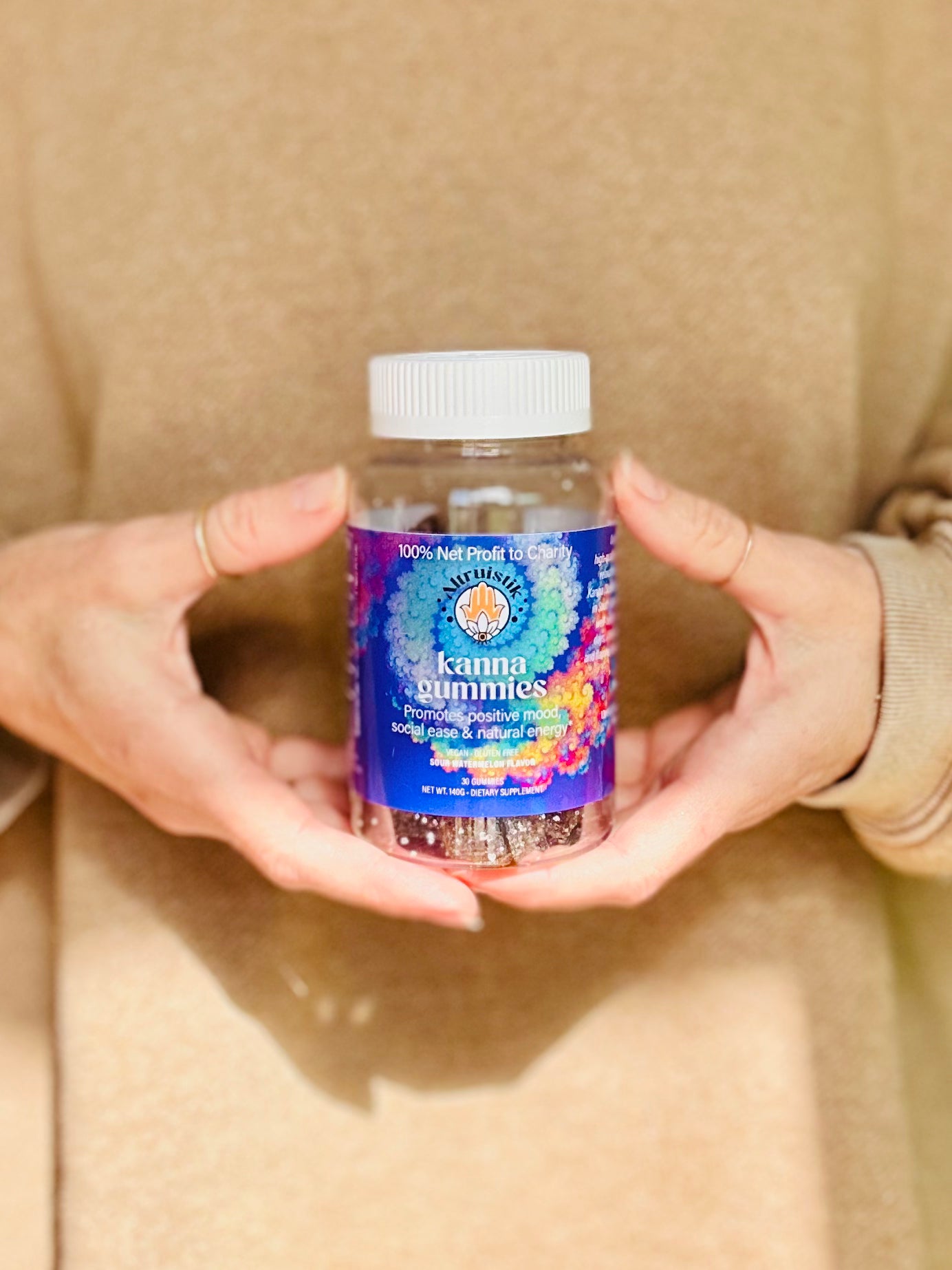
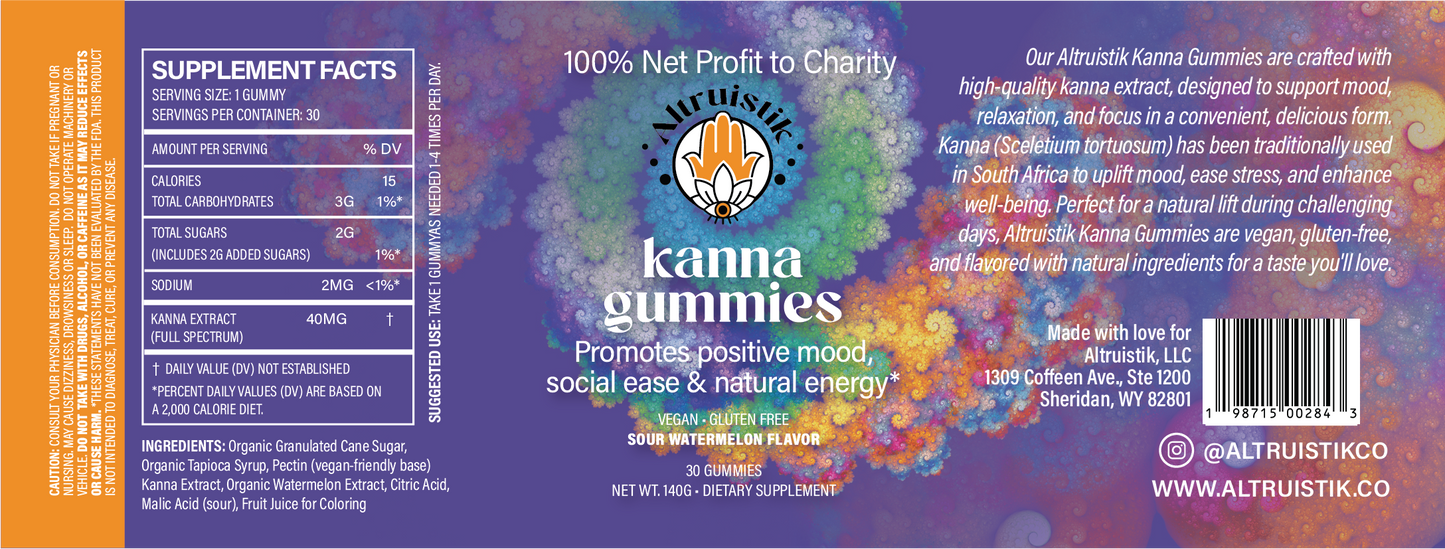
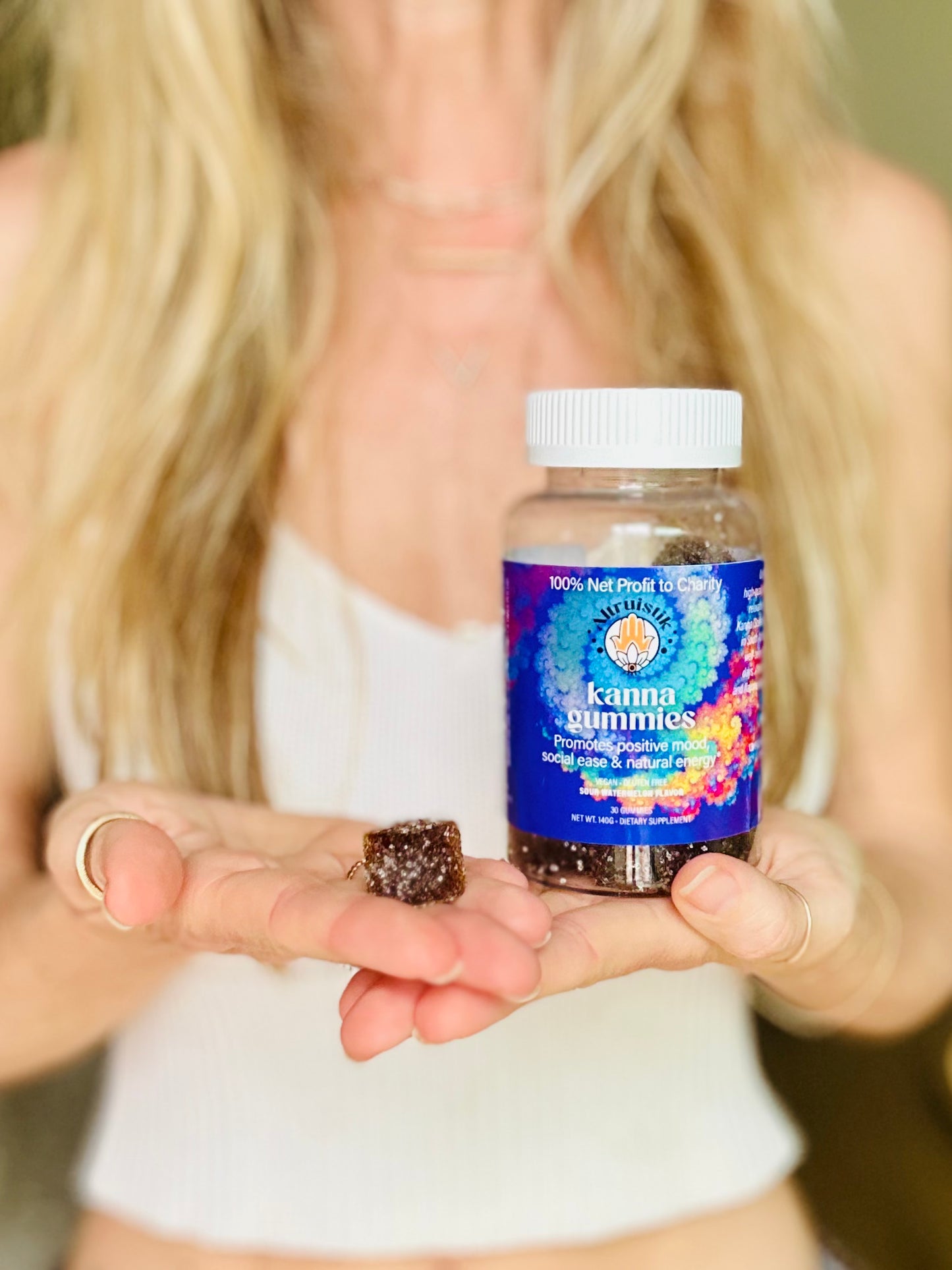
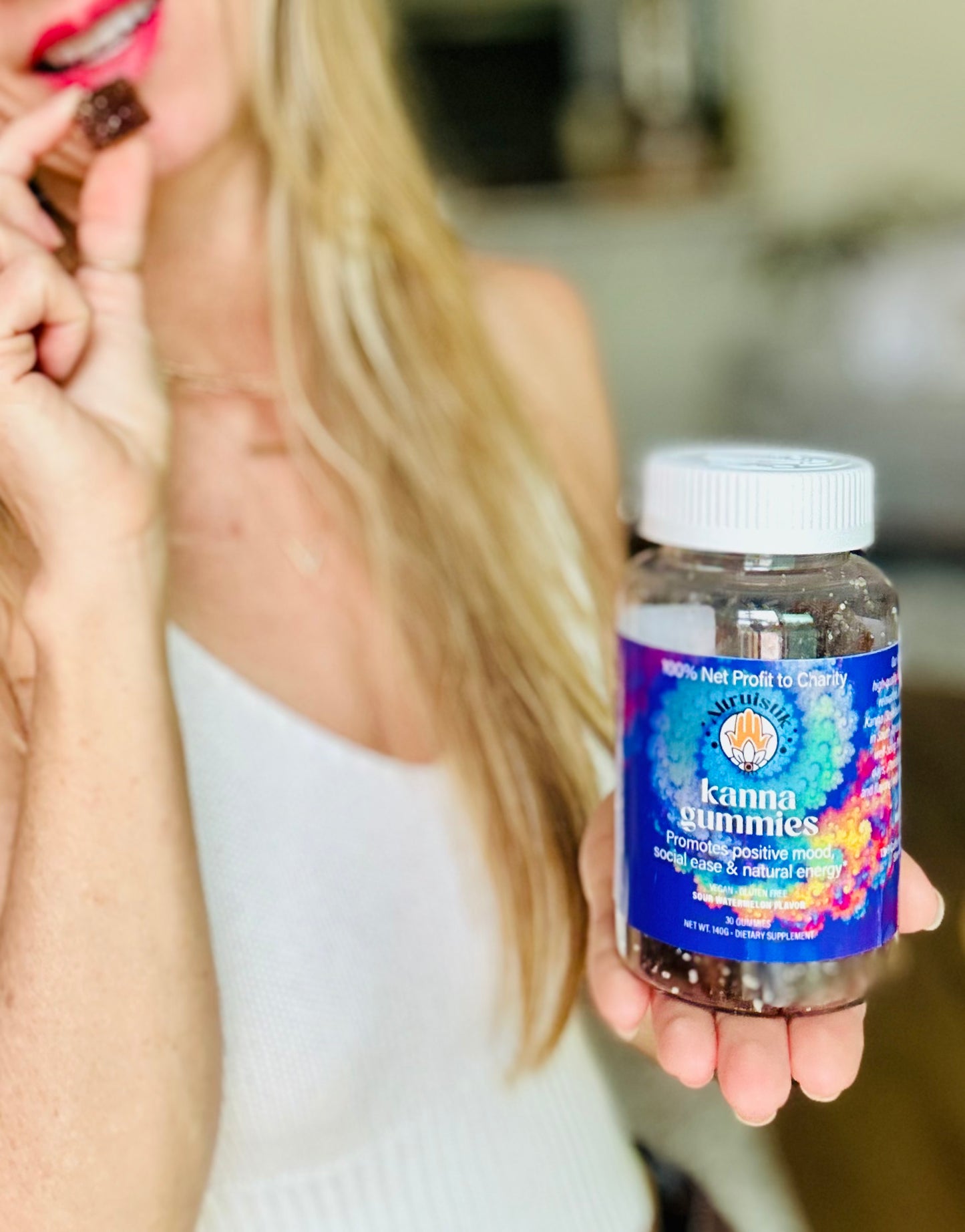
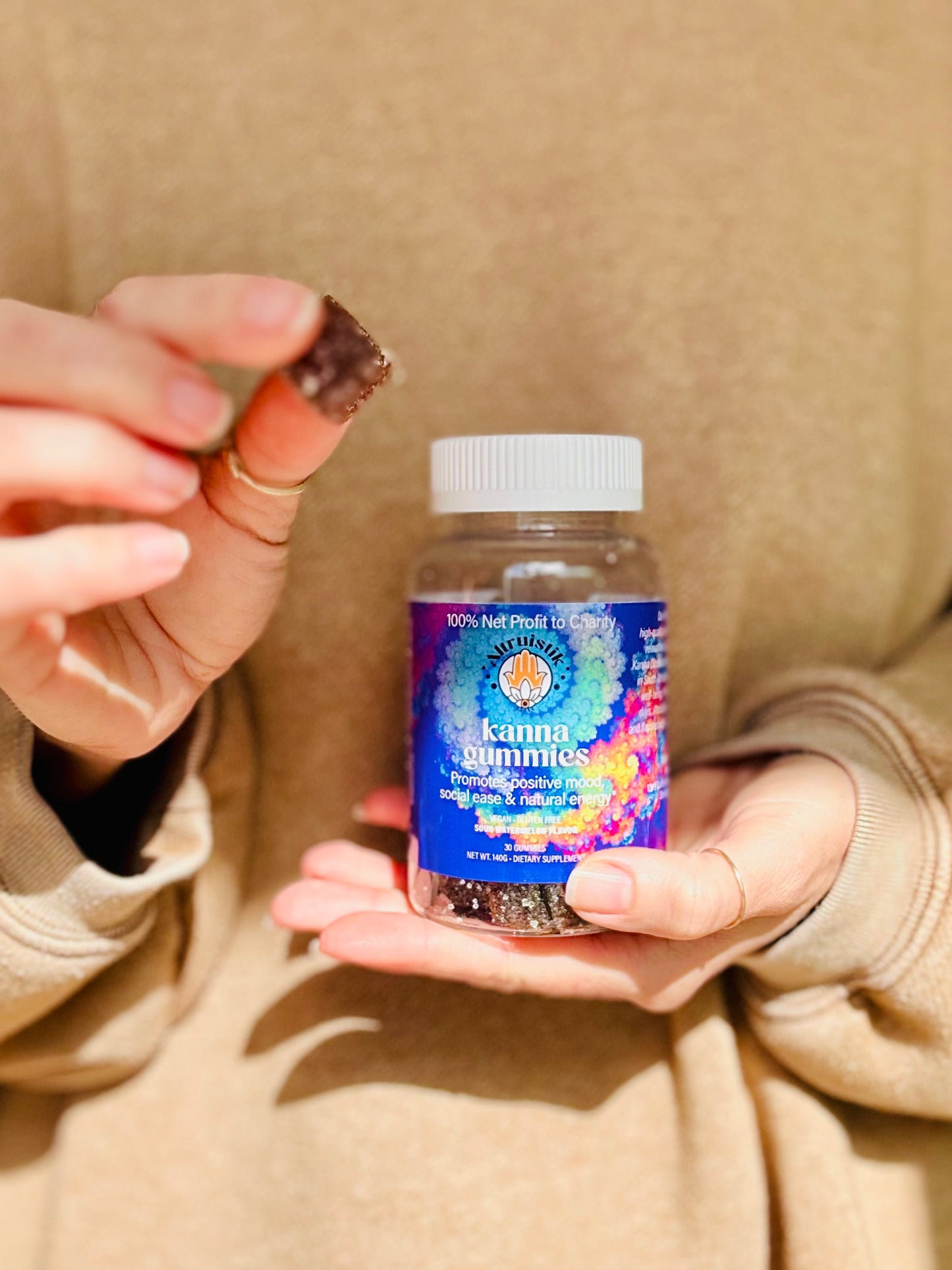
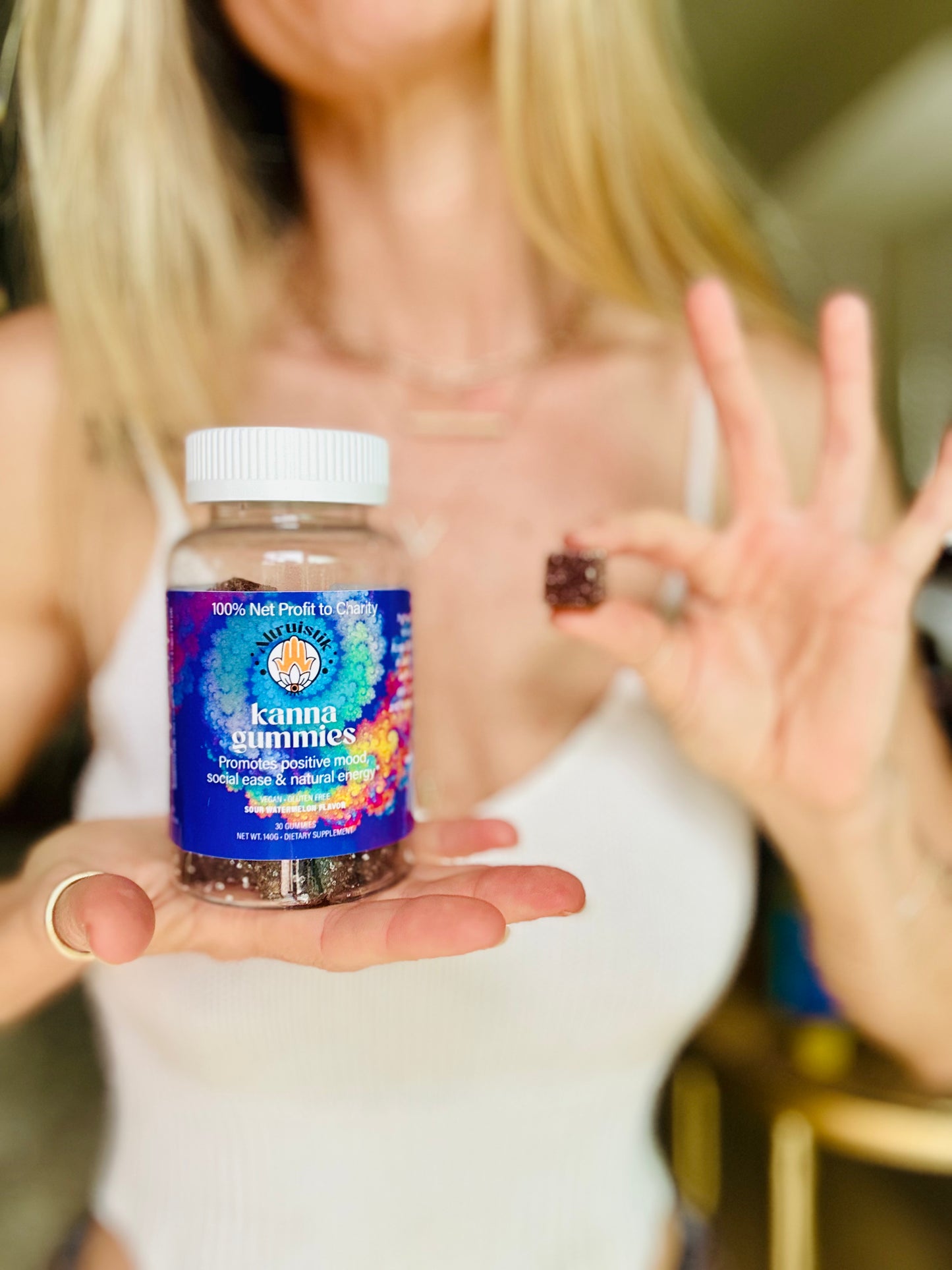
Don't settle for low mood and low drive. Choose the focused power of Mesembrine— Try our high-quality Kanna gummies today and feel the difference of scientifically grounded, natural well-being!