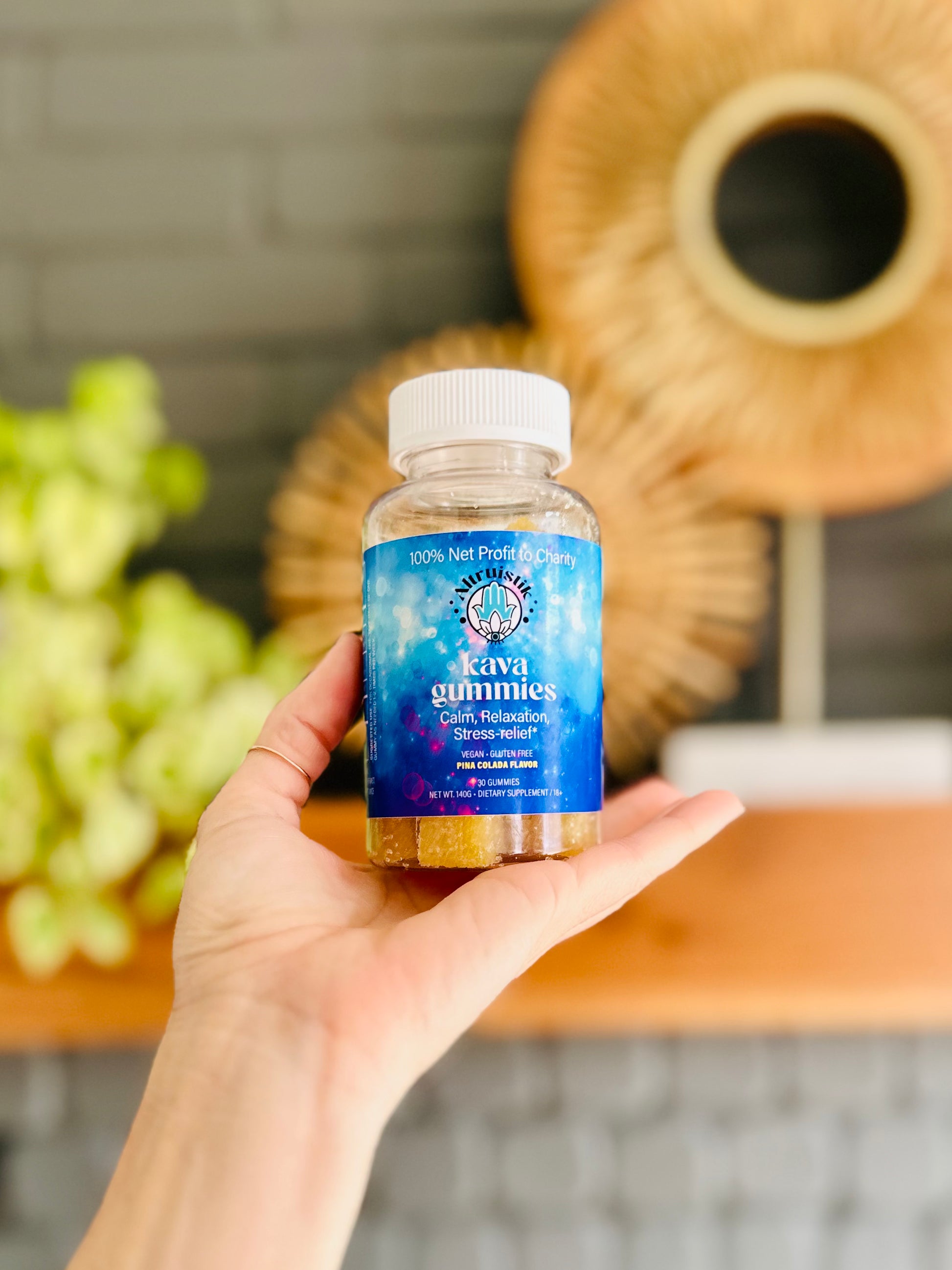
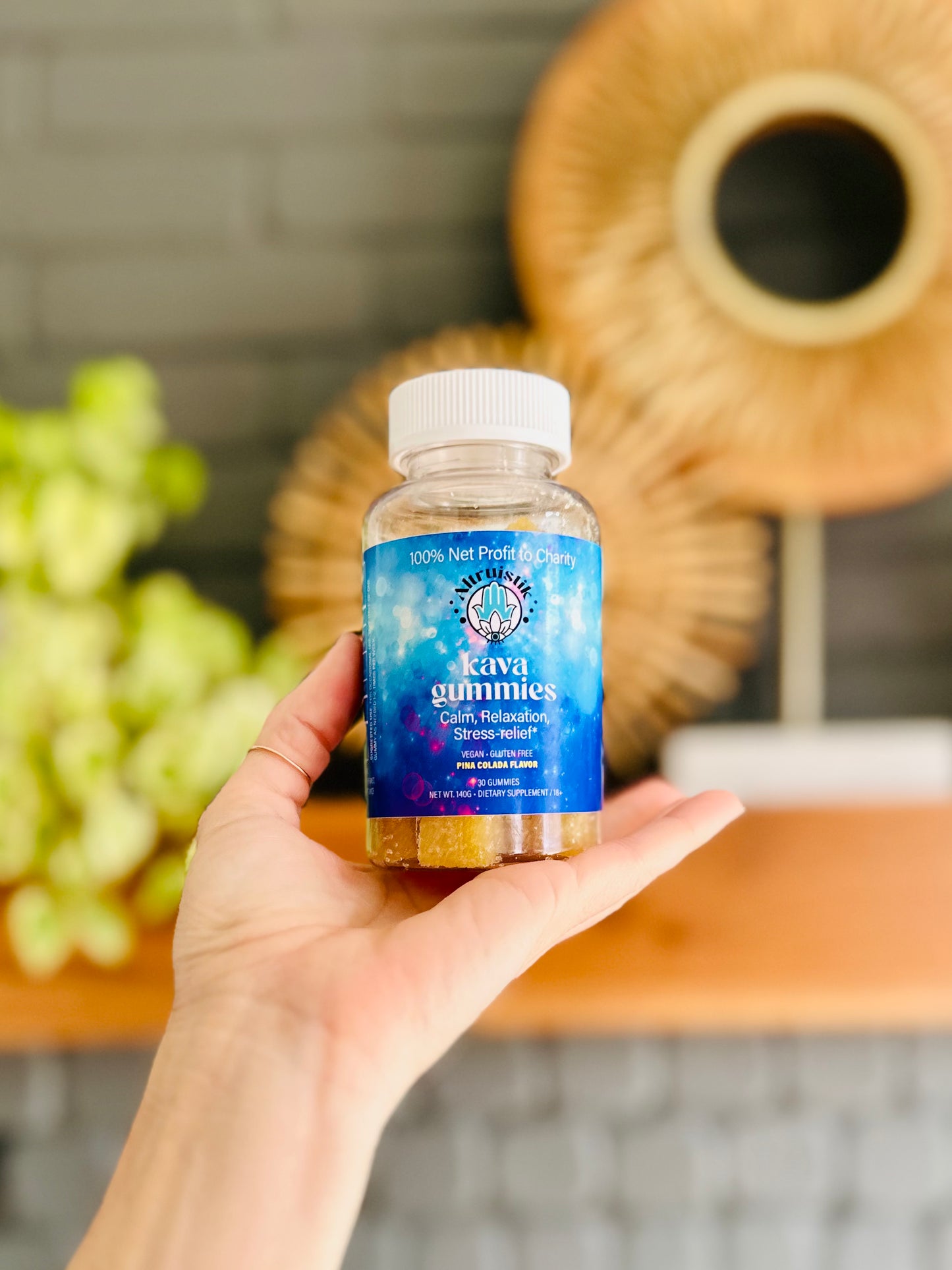
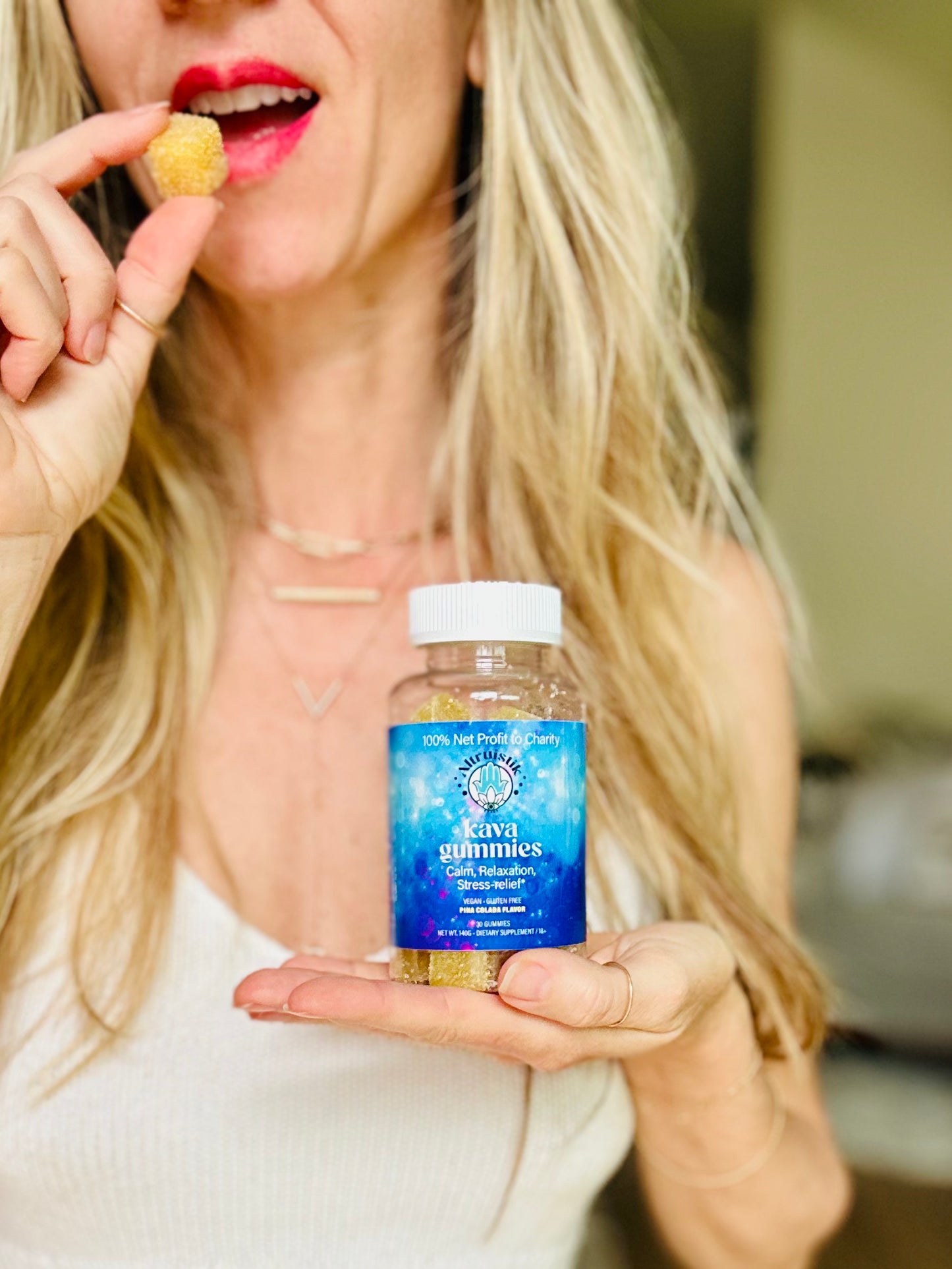
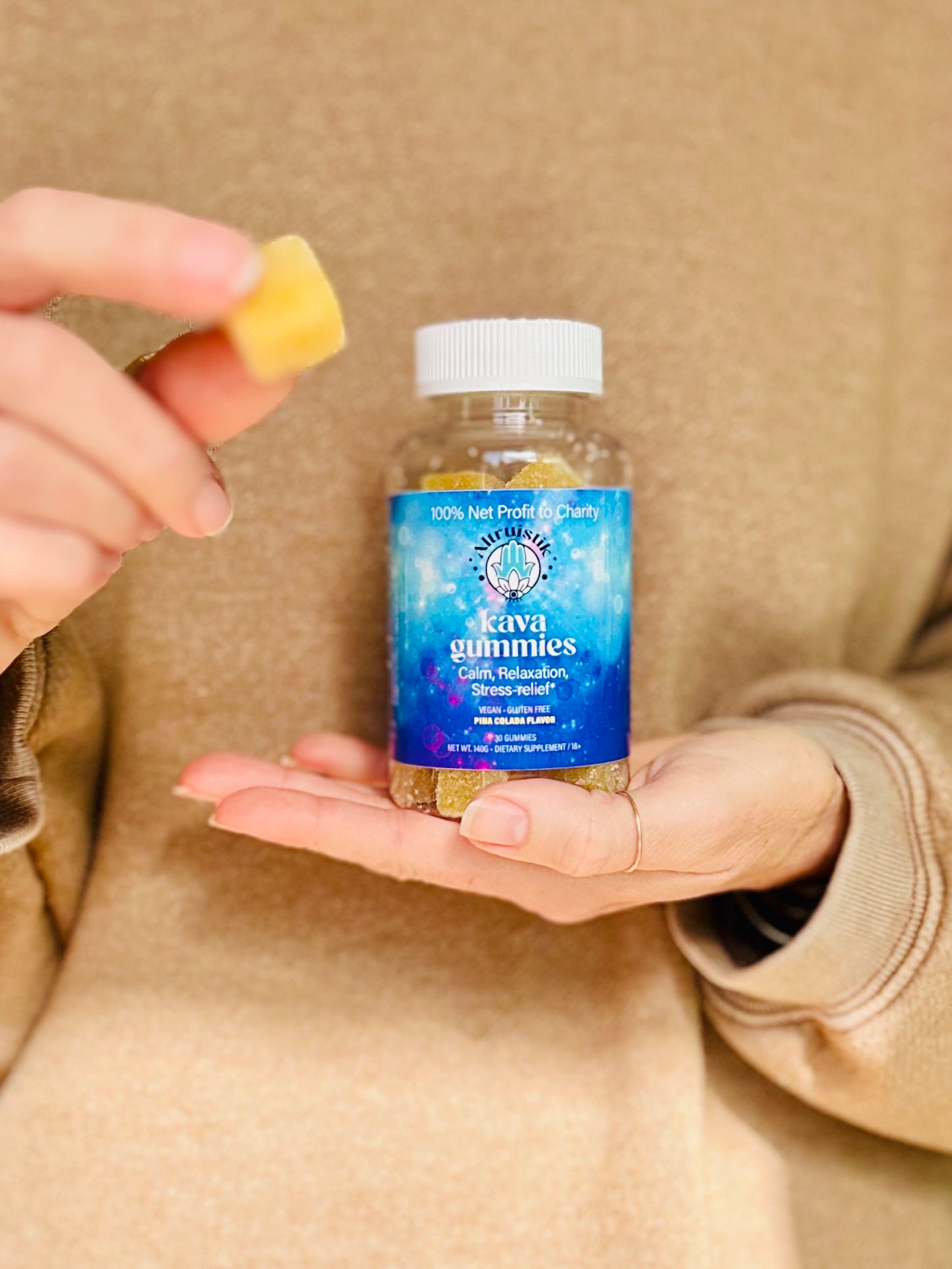
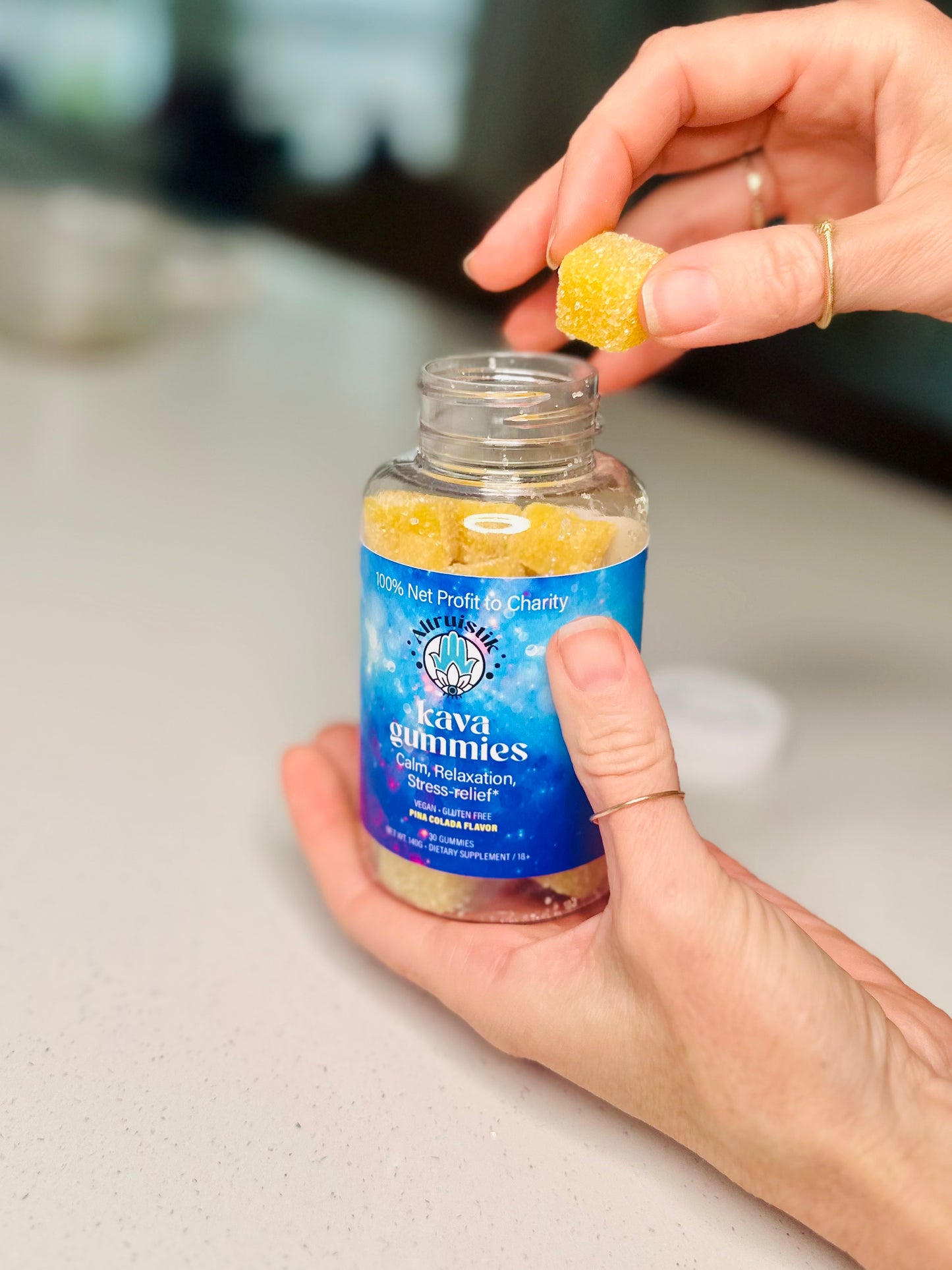
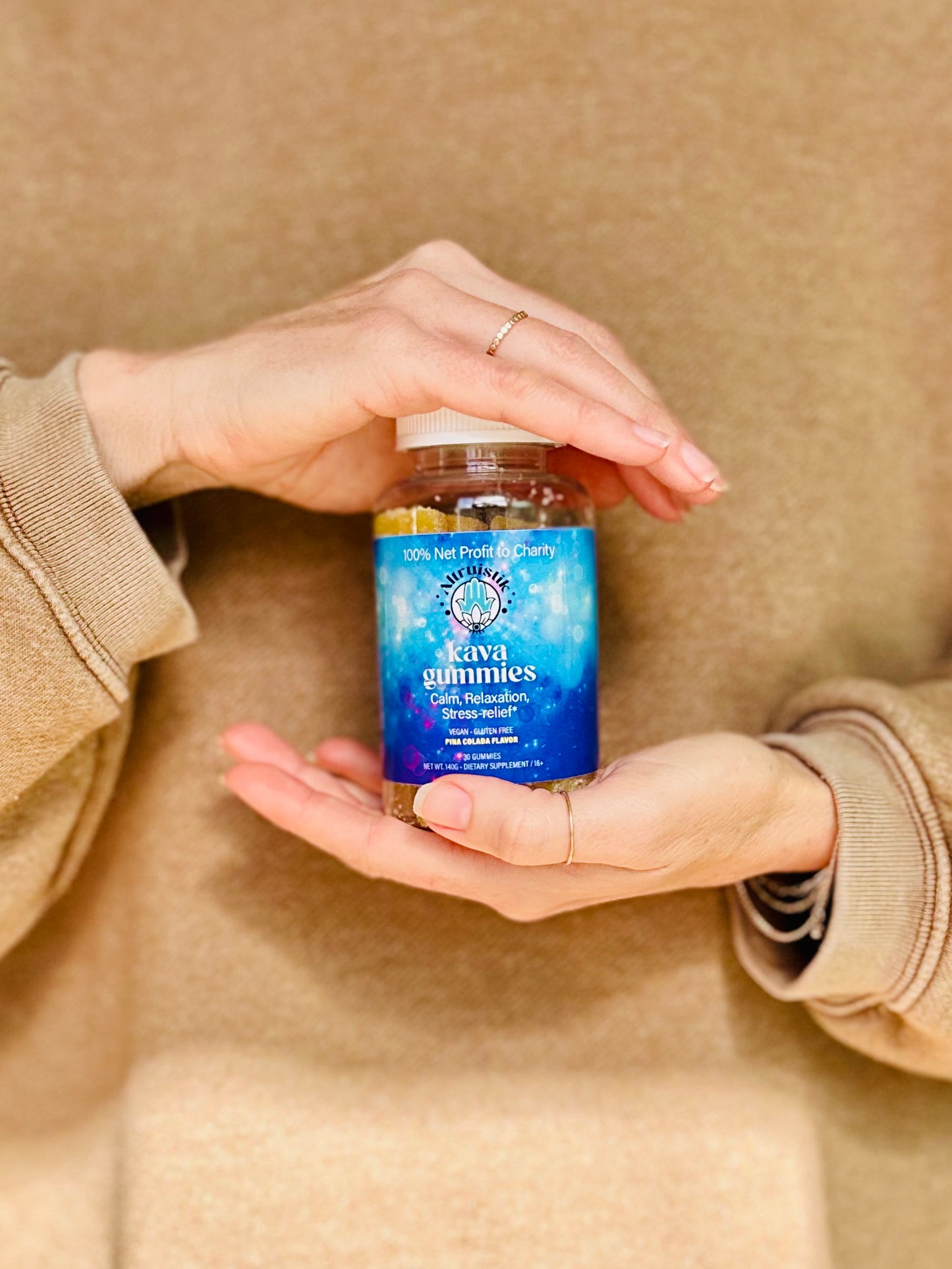
Kava (Piper methysticum) is a powerful natural aid for anxiety and stress, but the global market is flooded with products that compromise safety and efficacy. Choosing the wrong Kava can lead to unpleasant side effects, disappointment, or even serious health risks.
To unlock the clear, calm benefits of Kava, you must become a discerning consumer. This guide provides the critical tools and knowledge needed to identify authentic, high-quality Kava and ensure the purity of every product you purchase.
🔬 Third-Party Testing: The Certificate of Analysis (COA)

In the modern supplement world, the Certificate of Analysis (COA) is non-negotiable. If a vendor cannot provide a recent, batch-specific COA, walk away.
- The Gold Standard: The COA is a document from an independent, ISO-accredited laboratory that verifies the product's contents and safety. It is the single best indicator of a vendor's commitment to quality.
- What to Look For in the COA:
- Kavalactone Content: The COA must list the total kavalactone percentage (ideally $\geq 7\%$). This confirms potency.
- Chemotype Verification: It should show the six-digit chemotype (e.g., 426531), confirming the strain is Noble and not the inferior Tudei variety.
- Purity Checks: Crucially, the COA must confirm the absence of contaminants, including:
- Heavy Metals (e.g., lead, arsenic).
- Microbiological Contaminants (e.g., mold, yeast, salmonella).
- Pesticides.
Action Step: Always check the date on the COA. It must be recent and match the batch number on your product packaging.
💧 Extraction Methods: Water vs. Acetone

The method used to extract the kavalactones from the root determines the safety and authenticity of the final product.
- The Traditional and Safe Method (Water-Based):
- Process: Traditional Kava preparation uses only cold water to extract the kavalactones, mimicking centuries of indigenous use. This method is considered the safest and most effective for yielding the full spectrum of beneficial compounds.
- The Result: Products made via water extraction are closest to the natural root and rarely cause adverse effects when used responsibly.
- The Risky Method (Solvent-Based):
- Process: Some commercial extracts use chemical solvents like ethanol, acetone, or hexane to increase yield and reduce costs.
- The Risk: Acetone-extracted products, in particular, may contain residual solvents, which can be harmful. More importantly, these strong solvents can extract undesirable compounds (like alkaloids from the aerial parts of the plant, which are known to be potentially hepatotoxic) that are not water-soluble.
Always look for vendors who explicitly state their Kava products are made using a safe, traditional, or water-based extraction method.
🚩 Red Flags: Warning Signs of Low-Quality Kava

The packaging and labeling of a Kava product can reveal hidden warnings about its quality. Learn to read between the lines.
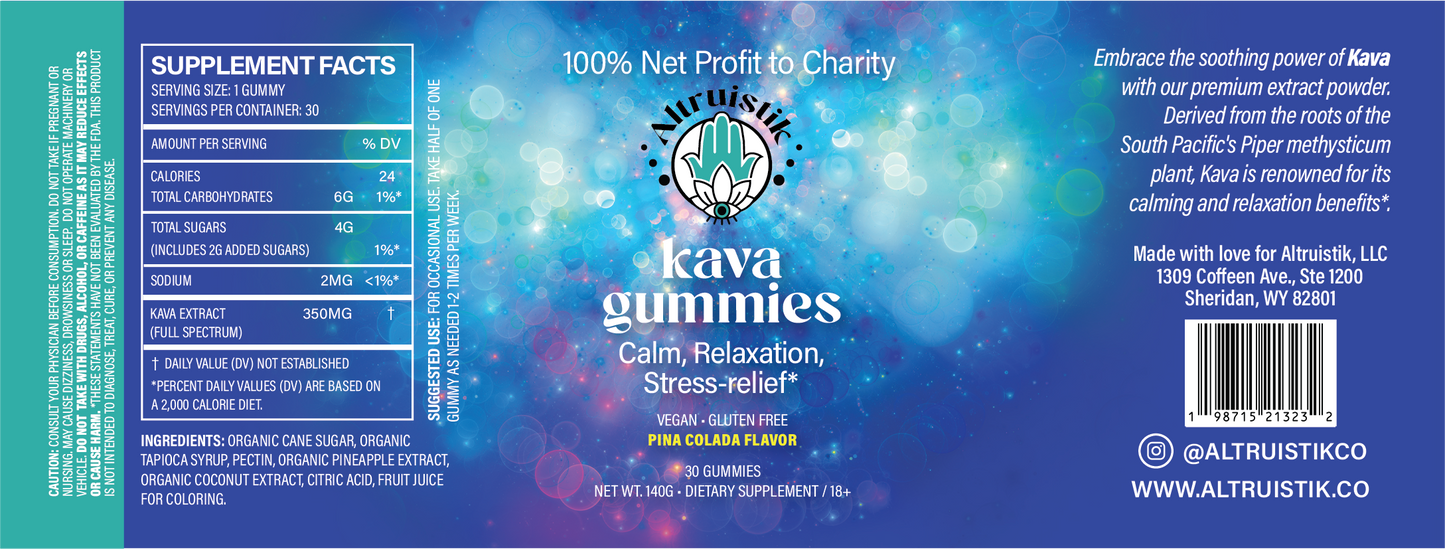
- Vague Labeling: Avoid any product that simply states "Kava Kava" or "Kava Extract." High-quality Kava must specify:
- The Botanical Name (Piper methysticum).
- The Strain Name (e.g., Borongoru, Melo Melo).
- The Country of Origin (e.g., Vanuatu, Fiji).
- Non-Root Material: Never purchase products that mention using the "stems," "peelings," or "aerial parts" of the Kava plant. Only the noble root (rhizome and lateral roots) is considered safe for consumption.
- Standardized to Kavain Only: Some poor-quality extracts standardize their product only to the kavalactone Kavain. This ignores the importance of the full spectrum of kavalactones and often results in a weak, imbalanced, or ineffective product. Look for Total Kavalactone Content.
- Extremely Low Price: Genuine, slow-grown Noble Kava is a commodity that requires years of cultivation. If the price seems too good to be true, the product is likely low-grade Tudei or adulterated.
📦 Form Factor: Powder vs. Capsules

The form in which you consume Kava affects both its absorption and your confidence in its purity.
|
Form Factor |
Pros (Purity & Absorption) |
Cons (Purity & Experience) |
|
Traditional (Tawa) Powder |
Highest Purity: You are purchasing the whole, dried, ground root. You can visually inspect the product. |
Preparation (straining) is required. Onset is slower; taste can be strong. |
|
Capsules/Tablets |
Convenience: Easy to dose and ingest. |
Purity Risk: If the vendor is dishonest, the capsule could contain poor-quality extract or non-root material hidden inside. |
|
Extracts (Tinctures, Shots, Gummies) |
Potency & Speed: Extracts are potent and fast-acting, ideal for on-the-go use. |
Purity Risk: Requires careful Third-Party testing to ensure the Noble standard was maintained during the extraction process (Section II). |
For absolute certainty of purity, buying Noble Kava root powder and preparing it traditionally remains the most transparent method. However, high-quality extracts (like gummies or capsules) from transparent, COA-providing vendors offer the best balance of purity and convenience.

Ready to choose calm with confidence?
Don't let misleading labels and low-quality products compromise your wellness journey. Armed with the knowledge of COAs, chemotypes, and red flags, you are now equipped to demand the purity and efficacy you deserve.
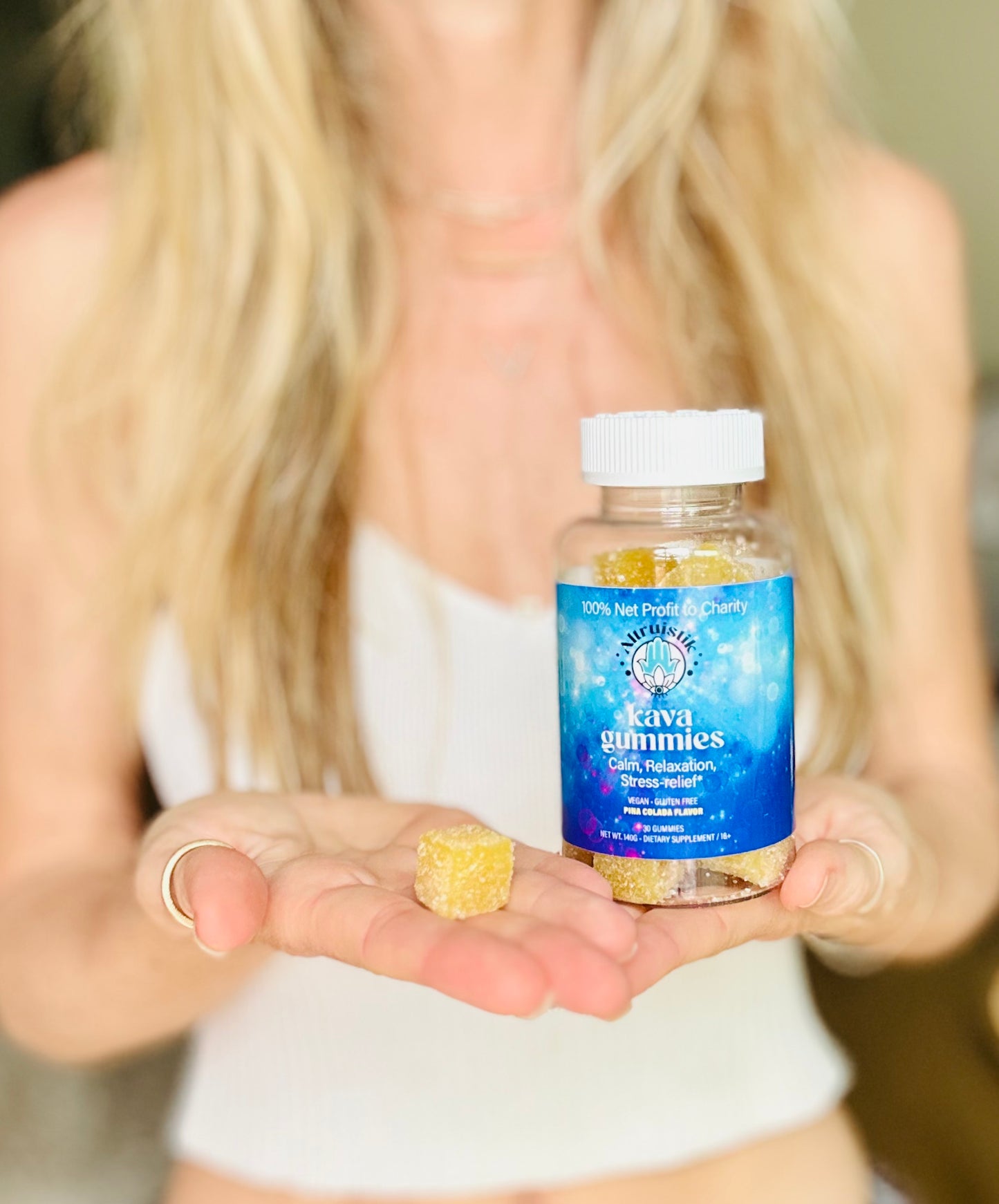
Demand true Noble Kava, demand the COA, and demand the best results— Start your worry-free experience with our certified Noble Kava gummies today!