Imagine a flower so revered that ancient civilizations carved its image into the walls of temples, offered it to gods, and used it as a gateway to deeper states of consciousness. That flower is the blue lotus and after thousands of years of near-obscurity, it is finally finding its rightful place at the center of the modern wellness conversation.
Blue lotus flowers (Nymphaea caerulea), often called the Egyptian blue water lily, are not just botanically beautiful, they are among the most historically significant herbs on the planet. From the banks of the Nile to the wellness rituals of today, blue lotus flowers have been celebrated for their gentle, natural ability to promote relaxation, uplift mood, encourage restful sleep, and support a calm, focused mind.
At Altruistik, we believe that the wisdom of ancient botanicals deserves a place in your modern wellness routine. That's why we source only premium, organic blue lotus flowers and why we're passionate about helping you understand everything this remarkable plant has to offer.
What Are Blue Lotus Flowers?
Blue lotus flowers belong to the Nymphaeaceae family of water lilies. Native to Egypt and parts of East Africa, these striking aquatic flowers bloom above still water with pale blue to violet petals and a radiant golden center. Historically, they flourished along the banks of the Nile River, which made them a central feature of Egyptian culture, religion, and medicine for thousands of years.
Unlike many herbs that have been discovered and rediscovered throughout history, the blue lotus flower never truly fell out of use; it simply went underground. Today, thanks to a renewed global interest in plant-based and holistic wellness, blue lotus is experiencing a powerful resurgence.
The plant's primary active compounds include apomorphine and nuciferine. Apomorphine is a dopaminergic compound that may positively influence mood and a sense of well-being, while nuciferine is an alkaloid believed to have calming, antispasmodic, and mild psychoactive properties. Together, these naturally occurring compounds are thought to be responsible for the gentle, pleasant effects that have made blue lotus flowers so beloved across cultures and centuries.
A Rich History: From Ancient Egypt to Modern Wellness
Few plants carry a historical legacy as rich and layered as the blue lotus. In ancient Egypt, it was considered nothing short of sacred. Paintings and hieroglyphics depicting blue lotus flowers appear throughout major archaeological sites from the tombs of pharaohs to the pillars of Karnak. The flower was closely associated with Nefertum, the Egyptian god of the sunrise and creation, and was believed to be a symbol of rebirth, spiritual awakening, and the cycle of life.
Egyptian nobility would steep the flowers in wine and use them in ceremonies designed to deepen meditation, enhance connection with the divine, and promote pleasurable states of relaxation. The flower was also used in Ayurvedic practices across ancient India, where it was prized for its ability to calm the nervous system and open the mind to higher states of awareness.
In East and Southeast Asia, the lotus flower in its many varieties has long served as a symbol of purity, enlightenment, and the capacity to rise above hardship. Even the famous lotus position in yoga draws on the symbolic power of this extraordinary flower.
What makes this history so meaningful today is that modern users are reporting experiences that align remarkably well with what ancient practitioners recorded centuries ago: a gentle sense of calm, an elevated mood, vivid and meaningful dreams, and a quiet, grounded clarity that's hard to find in a bottle of prescription pills.
The Benefits of Blue Lotus Flowers
So what can blue lotus flowers actually do for you? Here's a closer look at the key wellness benefits that users and researchers have associated with this remarkable botanical:
1. Deep Relaxation Without Sedation Blue lotus flowers are widely used by those seeking a natural way to wind down after a stressful day. Unlike some sleep aids or anti-anxiety medications, blue lotus promotes a relaxed, tranquil state without leaving you feeling sedated or foggy the next morning. Users frequently report that it takes the edge off without dulling their senses.
2. Improved Sleep Quality One of the most celebrated benefits of blue lotus is its ability to support restful, restorative sleep. The nuciferine in the flower may help quiet mental chatter and ease the kind of racing thoughts that keep so many people staring at the ceiling at night. Many Altruistik customers who struggled with insomnia have shared that incorporating blue lotus into their evening routine was genuinely transformative for their sleep.
3. Mood Enhancement and Emotional Balance The apomorphine in blue lotus interacts with dopamine receptors in the brain, which may contribute to feelings of contentment, mild euphoria, and emotional well-being. For those dealing with low-grade anxiety, daily stress, or simply a need to reset and reconnect with themselves, blue lotus can serve as a gentle, natural mood lifter.
4. Vivid Dreams and Enhanced Dream Recall Blue lotus has a long traditional association with the dream world. Users often report more vivid, meaningful, and memorable dreams when they incorporate blue lotus into their nightly routine. For those interested in lucid dreaming or dream journaling, this is a particularly exciting property.
5. Support for Meditation and Mindfulness Because of its calming effects on the nervous system, blue lotus flowers can be a wonderful companion to meditation practices. Many practitioners find that a gentle cup of blue lotus tea before sitting helps quiet external distractions and allows for deeper, more focused inward attention.
6. Gentle Aphrodisiac Properties Historically, the ancient Egyptians valued blue lotus for its role in enhancing intimacy and sensual awareness. This is another area where traditional knowledge and modern anecdote seem to align. Many users report heightened sensitivity and a deepened sense of connection to both themselves and their partners.
How to Use Blue Lotus Flowers
One of the most wonderful things about blue lotus flowers is their versatility. There are several traditional and modern methods of use:
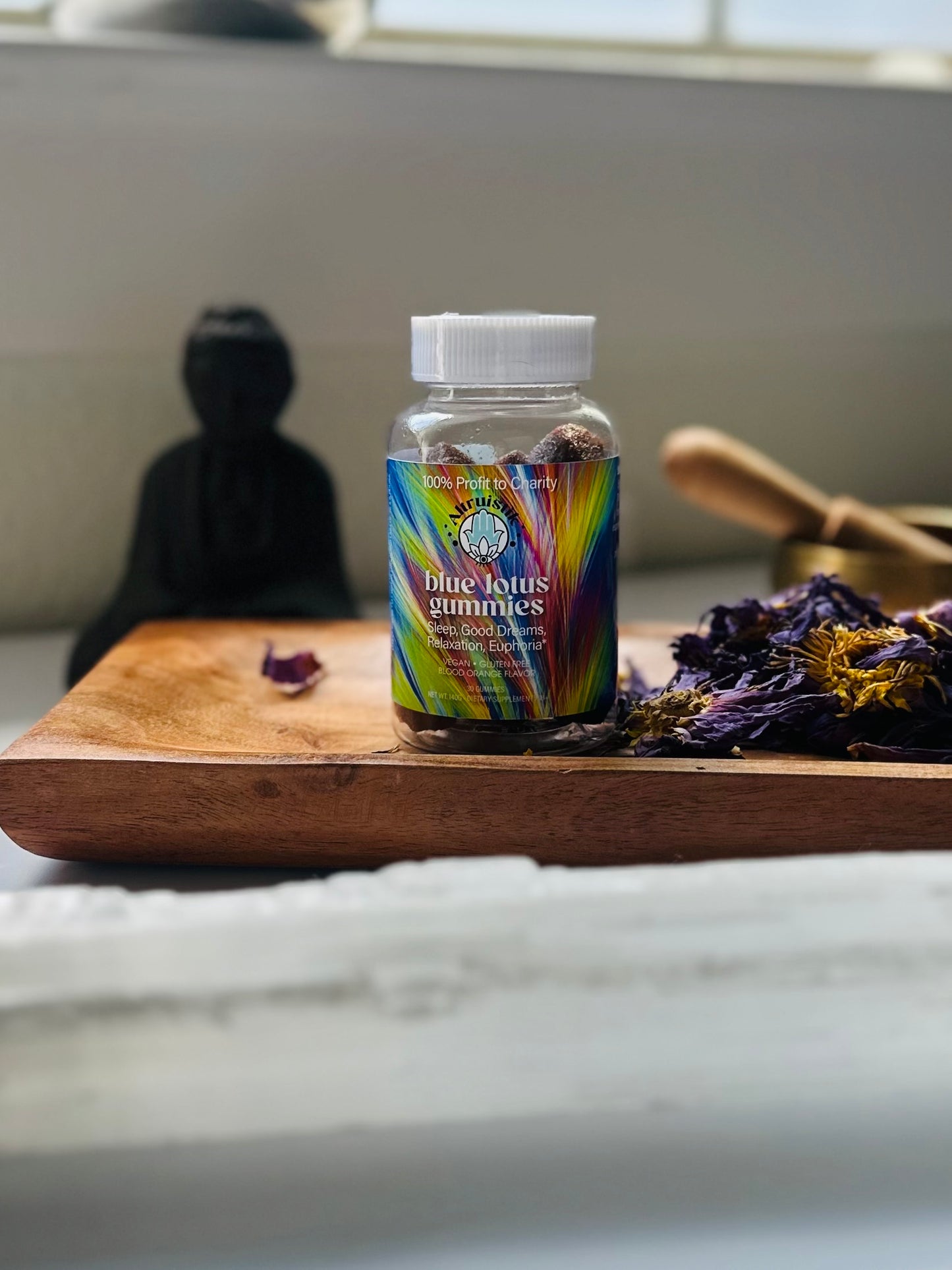
Blue Lotus Tea: This is the most traditional method. Simply steep a small handful of dried blue lotus flowers in hot (not boiling) water for 5–10 minutes. You can add honey or a squeeze of lemon to enhance the naturally light, floral flavor. Many users enjoy this as an evening ritual to decompress and prepare for sleep.
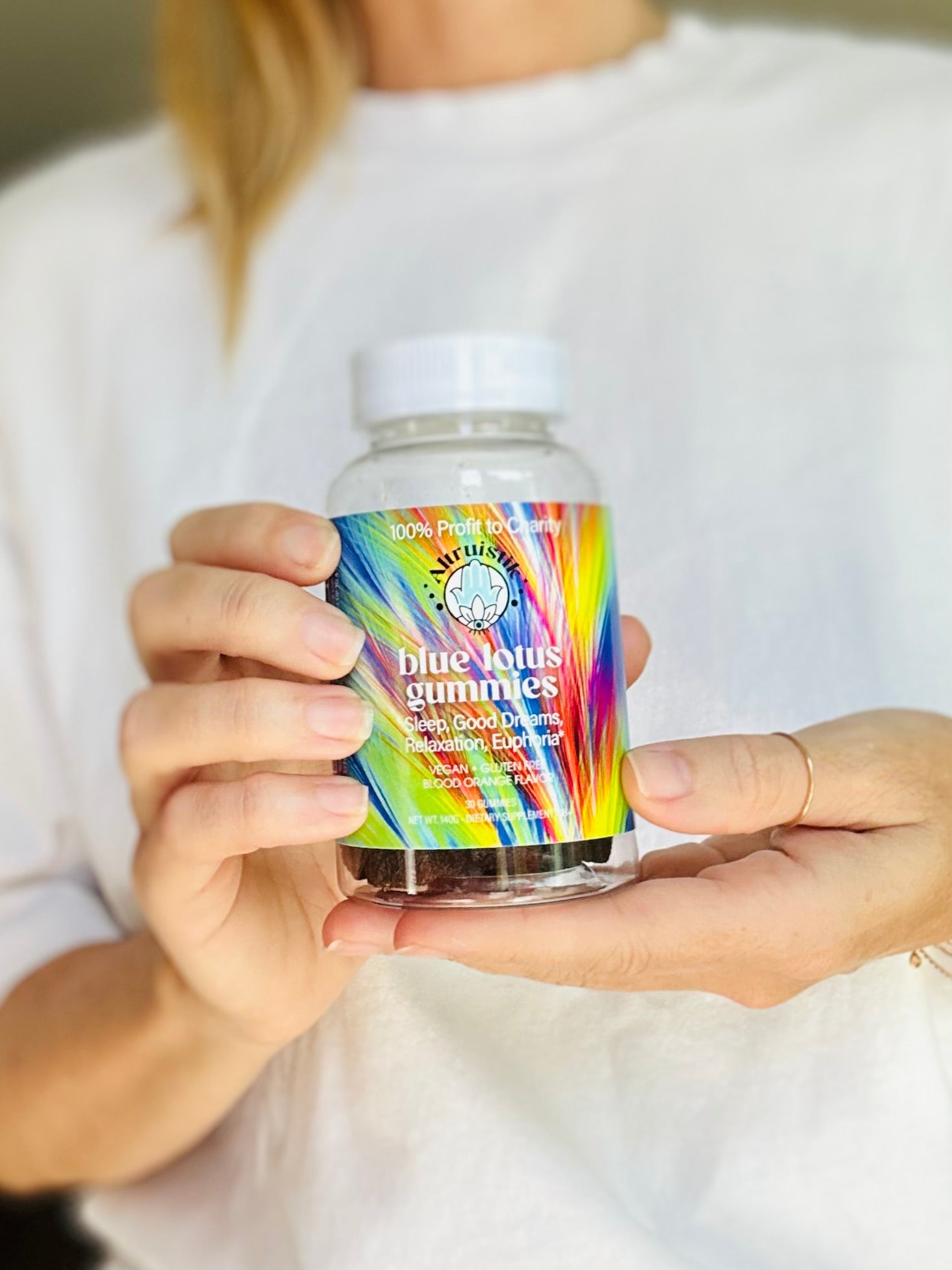
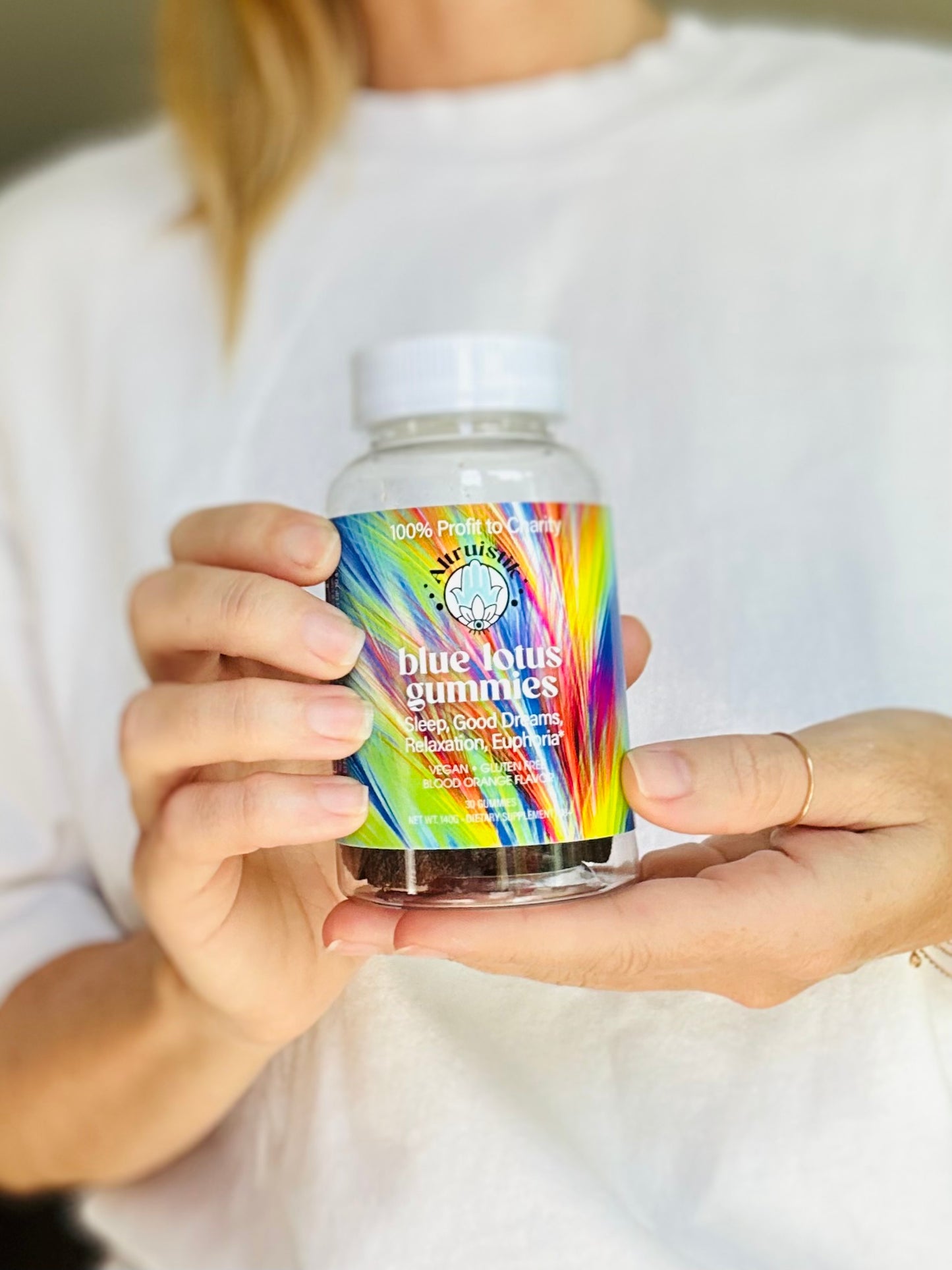
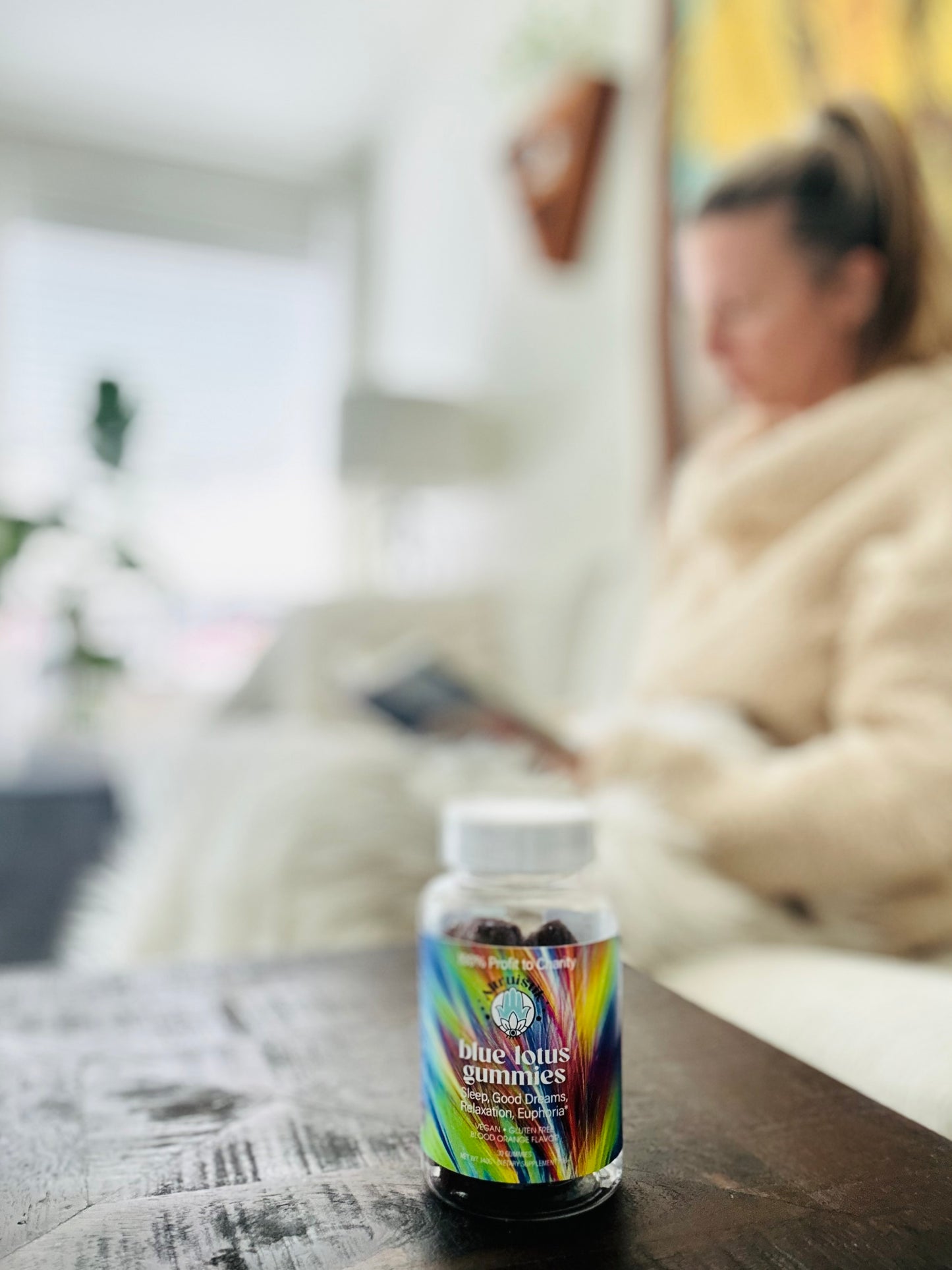
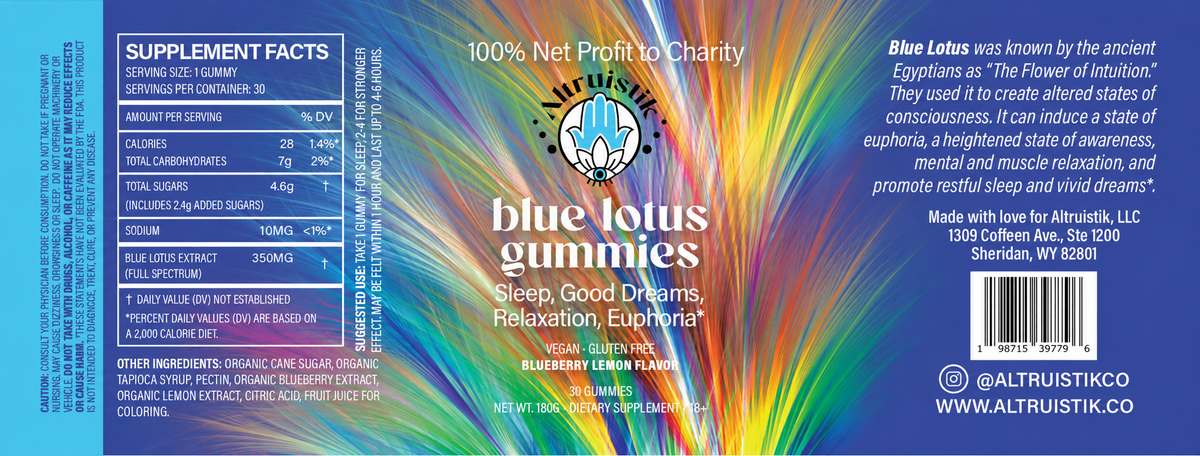
Blue Lotus Gummies: For those who want a convenient, precisely dosed, and delicious option, blue lotus gummies are an excellent choice. Altruistik's 350mg Blue Lotus Gummies are crafted with premium ingredients and designed to deliver all the calming, mood-elevating benefits of the flower in a format that fits seamlessly into any modern lifestyle.
Blue Lotus-Infused Oil: As some of our customers have discovered, blue lotus flowers can also be infused into carrier oils for use on the skin. While this method doesn't deliver the same internal effects, the aromatic and topical properties of the flower make for a beautifully fragrant, calming body oil.
Aromatherapy: The light, sweet scent of blue lotus flowers has its own calming effect. Using dried flowers in a room diffuser or as part of a bathtime ritual can create a peaceful, spa-like environment that supports relaxation and mindfulness.
Why Quality Matters: Choosing the Right Blue Lotus
Not all blue lotus products are created equal. Because this is a botanical that has surged in popularity relatively recently, the market is flooded with low-quality, improperly sourced, or misleadingly labeled products. When choosing blue lotus flowers or any derivative product, there are a few important things to look for:
Organic Certification: Pesticides and synthetic chemicals have no place in a wellness product intended to support your nervous system. Always choose certified organic flowers.
Whole Flowers vs. Crushed Powder: Whole, intact blue lotus flowers retain more of their natural aromatic compounds and active alkaloids. Products made from overly processed or crushed flowers may lose potency and freshness.
Transparent Sourcing: A brand worth trusting should be able to tell you where their flowers come from. At Altruistik, we are committed to sourcing premium, organic blue lotus flowers from trusted growers.
Third-Party Testing: Look for products that have been independently tested for purity and potency.
At Altruistik, every product in our lineup from our organic dried blue lotus flowers to our bestselling 350mg Blue Lotus Gummies meets these standards. We believe you deserve wellness products you can trust completely.

Blue Lotus Flowers and the Altruistik Mission
At Altruistik, blue lotus flowers are more than a product; they represent our core belief that nature holds profound solutions to some of the most common challenges of modern life: stress, sleeplessness, disconnection, and emotional imbalance. We also believe that true wellness extends beyond the individual. That's why we donate a portion of every sale to the Multidisciplinary Association for Psychedelic Studies (MAPS), supporting the research and legalization of psychedelic therapy for those who need it most.
When you choose Altruistik, you're not just choosing a premium botanical wellness product, you're joining a community of people committed to healing themselves, and helping to heal others.
Frequently Asked Questions About Blue Lotus Flowers
Q1: Are blue lotus flowers legal?
Yes. Blue lotus flowers (Nymphaea caerulea) are legal in the United States and in most countries worldwide. They are not classified as a controlled substance. However, regulations can vary by region, so it's always a good idea to check the laws in your specific location before purchasing.
Q2: Will blue lotus flowers make me feel "high"?
Blue lotus produces mild psychoactive effects that are quite gentle and distinct from cannabis or synthetic substances. Most users describe the experience as a pleasant, calm sense of relaxation, mild euphoria, and gentle mood elevation not an intense or disorienting "high." The effects are subtle, grounding, and manageable.
Q3: How long does it take for blue lotus flowers to work?
When consumed as a tea, effects are typically felt within 20–45 minutes and can last 2–4 hours. Blue lotus gummies may take slightly longer to kick in due to digestion, but they tend to offer a more consistent and measured experience. Start with a lower dose and observe how your body responds before increasing.
Q4: Can I use blue lotus flowers every day?
Many people incorporate blue lotus into their daily wellness routine, particularly as part of an evening wind-down ritual. However, as with any herbal supplement, it's wise to practice moderation and cycle usage. If you have any underlying health conditions or take medications, consult your healthcare provider before beginning regular use.
Q5: What is the best way to store dried blue lotus flowers?
To preserve freshness, potency, and aroma, store dried blue lotus flowers in an airtight container away from direct sunlight, heat, and moisture. A cool, dark pantry or cupboard works perfectly. Properly stored, quality dried flowers can maintain their potency for up to 12–18 months.
Final Thoughts
Blue lotus flowers are a gift from the ancient world and they are every bit as relevant, powerful, and beautiful today as they were when Egyptian priests first gathered them from the Nile thousands of years ago. Whether you're looking to sleep more deeply, feel more balanced, enhance your meditation practice, or simply find a moment of genuine calm in a noisy world, blue lotus flowers offer a natural, time-tested path forward.