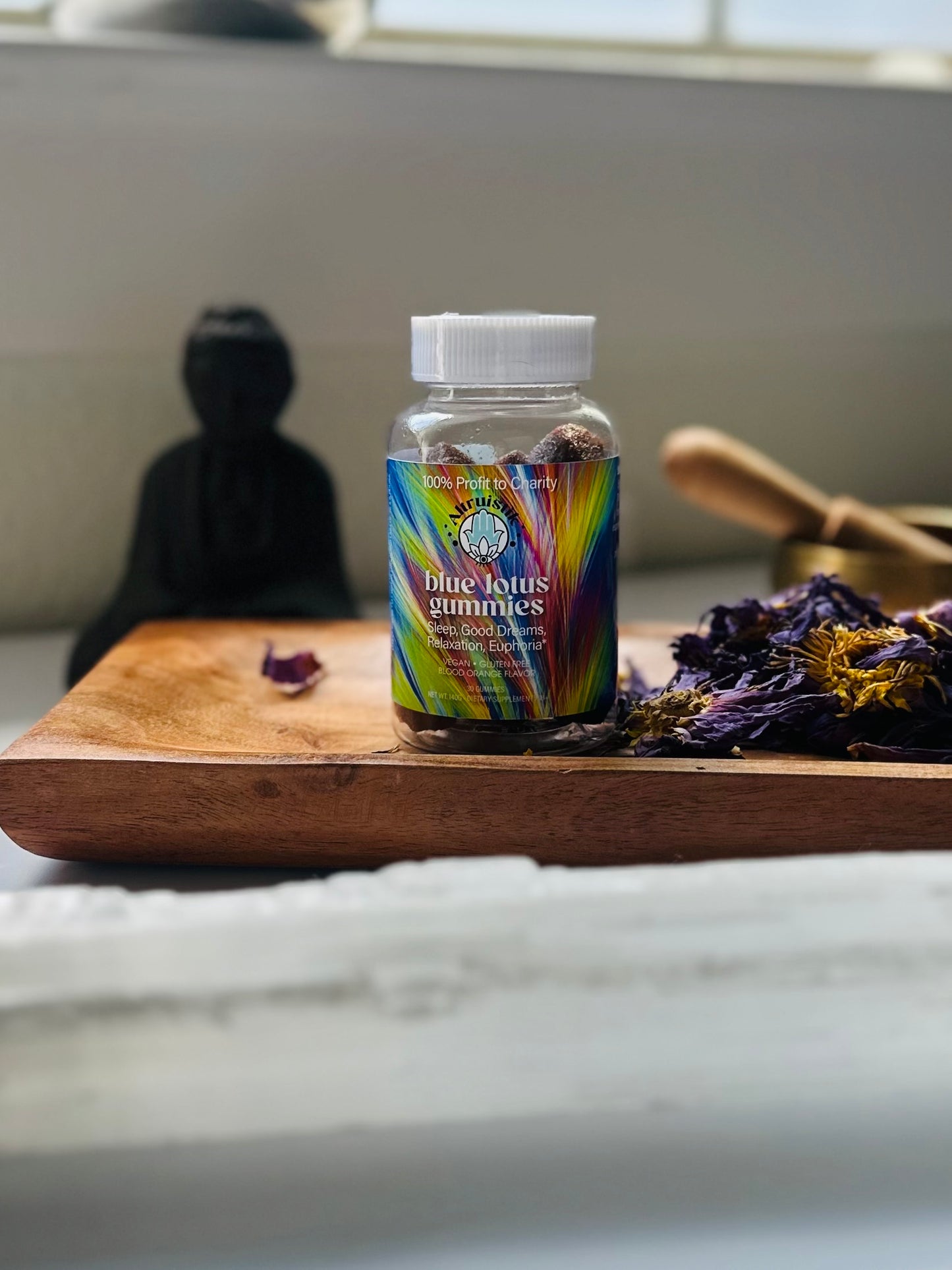
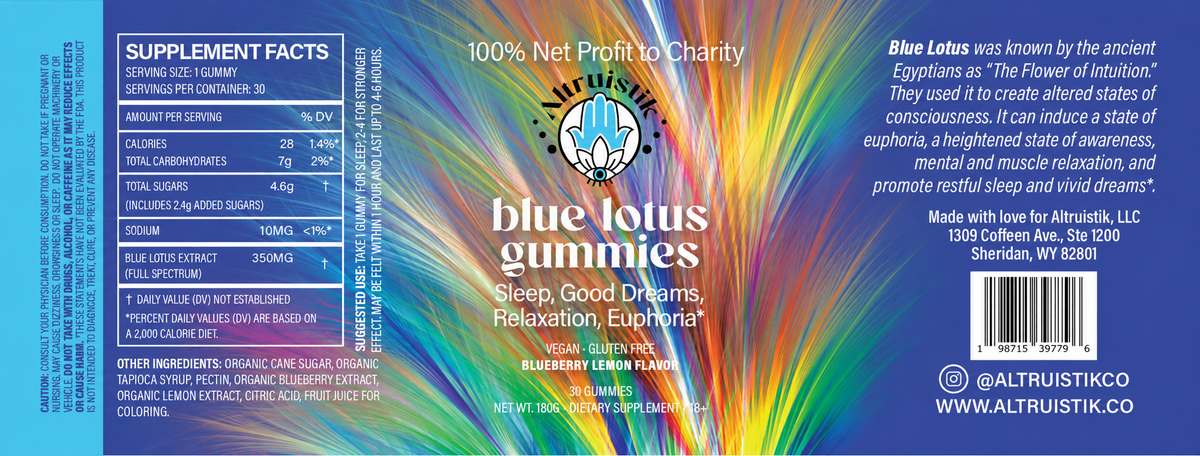
Blue lotus flowers have captivated human imagination for thousands of years. These stunning aquatic blooms hold a special place in history, culture, and contemporary interest. At Altruistik, we celebrate these remarkable creations and invite you to explore their fascinating properties. Whether you're drawn to their ethereal beauty or curious about their remarkable characteristics, understanding blue lotus flowers offers insights into one of nature's most captivating creations.
The History and Cultural Significance of Blue Lotus Flowers
Blue lotus flowers have been revered since ancient times, particularly in Egyptian civilization. The ancient Egyptians depicted blue lotus flowers prominently in their art, hieroglyphics, and religious ceremonies. These flowers symbolized rebirth and enlightenment in their spiritual practices and appeared frequently in tomb paintings and temple decorations.
The significance of blue lotus flowers extended beyond Egypt. Across various cultures in Asia, particularly in India and Southeast Asia, blue lotus flowers held deep spiritual meaning. Buddhist and Hindu traditions incorporated blue lotus flowers into their symbolism, representing purity and spiritual awakening. The flower's ability to emerge pristine from murky water made it a powerful metaphor for spiritual transformation.
Understanding the history of blue lotus flowers helps us appreciate why they continue to fascinate people worldwide. Their cultural legacy spans continents and centuries, demonstrating their universal appeal and profound significance.
Botanical Characteristics of Blue Lotus Flowers
Blue lotus flowers belong to the Nymphaea genus and are scientifically known as Nymphaea caerulea. These aquatic plants thrive in freshwater environments, particularly in slow-moving rivers, ponds, and lakes throughout Africa and Asia.
The appearance of blue lotus flowers is distinctly recognizable. The petals range from pale sky blue to deeper indigo shades, creating a gradient effect that seems almost painted. Each flower typically measures between four to eight inches in diameter. The flowers open during daylight hours and close at night, a behavior that fascinated ancient observers and contributed to the flower's symbolic associations with cycles and renewal.
The leaves of blue lotus flowers are equally distinctive. They're round and waxy, floating on the water's surface with a slightly upturned edge. The entire plant, including the roots, rhizomes, and seeds, plays important roles in the ecosystem and cultural practices of regions where blue lotus flowers naturally grow.
The Growing Process of Blue Lotus Flowers
Cultivating blue lotus flowers requires specific conditions that replicate their natural habitat. These aquatic plants need warm water, typically between 70-85 degrees Fahrenheit, and abundant sunlight to thrive. Blue lotus flowers require at least six hours of direct sunlight daily to develop their characteristic blooms.
The growing process begins with rhizomes planted in nutrient-rich pond soil at the bottom of water gardens or aquatic containers. As the plant develops, it sends up leaves and eventually produces the distinctive flowers that blue lotus flowers are known for. The blooming season typically occurs during warmer months, with blue lotus flowers producing new blooms throughout the season.
Gardeners who cultivate blue lotus flowers report that patience is essential. From planting to first bloom can take several weeks to months, depending on conditions. However, once established, blue lotus flowers reward growers with continuous blooms during their growing season. This makes blue lotus flowers a popular choice for water gardens and ornamental ponds worldwide.

Aesthetic Appeal and Garden Applications
The visual beauty of blue lotus flowers makes them highly sought after for decorative purposes. Water gardeners often create entire landscapes around blue lotus flowers, as these plants serve as natural focal points in any aquatic environment.
Blue lotus flowers work beautifully in various settings. In ornamental ponds, they create striking visual contrast against the water. In smaller container gardens, blue lotus flowers bring elegance and sophistication. Many botanical gardens feature dedicated sections showcasing blue lotus flowers, attracting visitors from around the world who come to witness their delicate beauty.
The nighttime behavior of blue lotus flowers adds another dimension to their aesthetic value. As evening approaches and the flowers close, they create a sense of mystery and magic. Photography enthusiasts particularly appreciate blue lotus flowers for their photogenic qualities, with the flowers' colors and forms creating stunning images in both natural and artificial light.
Blue Lotus Flowers in Art and Literature
Artists and writers have drawn inspiration from blue lotus flowers throughout history. In visual arts, blue lotus flowers appear in paintings, sculptures, and decorative objects spanning multiple cultures and time periods. The flower's elegant form and striking color make it a favorite subject for artists seeking to capture natural beauty.
In literature, blue lotus flowers feature prominently in poetry and prose. Writers use blue lotus flowers as symbols of transformation, beauty, and spiritual awakening. The flower's historical and cultural significance provides rich material for storytelling and artistic expression. Contemporary artists continue to find inspiration in blue lotus flowers, creating modern interpretations of this ancient symbol.
Museums and cultural institutions worldwide showcase artworks featuring blue lotus flowers. These pieces demonstrate the enduring appeal of blue lotus flowers and their importance in human creative expression. Whether in ancient Egyptian tomb paintings or modern contemporary art, blue lotus flowers continue to inspire and captivate.
Ethnobotanical Perspectives on Blue Lotus Flowers
Throughout history, various cultures have explored and documented blue lotus flowers in traditional practices. Ancient texts from Egyptian, Indian, and Asian sources reference blue lotus flowers and their various uses across different civilizations.
The ethnobotanical study of blue lotus flowers reveals fascinating insights into how different cultures valued and utilized these plants. Historical records suggest that blue lotus flowers held importance in various traditional ceremonies, rituals, and cultural practices. The flower's presence in ancient texts and artifacts indicates its significance in human history.
Understanding the ethnobotanical perspective on blue lotus flowers helps us appreciate the deep connections between humans and the natural world. Blue lotus flowers represent a bridge between ancient wisdom and contemporary curiosity, connecting us to our shared cultural heritage across geographic and temporal boundaries.
Scientific Research and Blue Lotus Flowers
Modern scientific interest in blue lotus flowers has grown considerably in recent decades. Researchers have analyzed the chemical composition of blue lotus flowers, identifying various compounds present in different parts of the plant. This scientific investigation adds another layer of understanding to why blue lotus flowers have maintained cultural importance throughout history.
Laboratories worldwide have conducted studies examining blue lotus flowers from multiple perspectives. Research focuses on understanding the composition of blue lotus flowers and how different components interact. These scientific investigations provide objective data about the nature and characteristics of blue lotus flowers.
The scientific community's interest in blue lotus flowers demonstrates that these flowers merit serious academic attention. As research continues, our understanding of blue lotus flowers expands, revealing new information about this remarkable plant. Blue lotus flowers serve as subjects for interdisciplinary research, involving botanists, chemists, and cultural historians.
Growing Blue Lotus Flowers at Home
For those interested in cultivating blue lotus flowers at home, several important considerations come into play. Blue lotus flowers require specific environmental conditions to thrive, and understanding these requirements is essential for successful growing.
To grow blue lotus flowers successfully, you'll need a suitable water garden or large container with adequate depth at least 12-18 inches of water. Blue lotus flowers require warm water, so consider using a water heater during cooler months if you live in a temperate climate. Positioning your blue lotus flowers in a location receiving six or more hours of sunlight daily is crucial.
The soil for blue lotus flowers should be nutrient-rich. Use heavy garden soil or aquatic plant soil to anchor the rhizomes. Blue lotus flowers will develop leaves within weeks and begin blooming once established. With proper care, blue lotus flowers can return year after year, becoming a permanent feature of your water garden.
Common challenges when growing blue lotus flowers include inadequate sunlight, water temperatures that are too cold, or nutrient deficiencies. Addressing these issues quickly helps ensure your blue lotus flowers thrive. Join online communities of water gardeners who share tips and experiences cultivating blue lotus flowers successfully.
The Color Spectrum of Blue Lotus Flowers
While commonly referred to as "blue" lotus flowers, the color palette of these blooms is more complex than the name suggests. Blue lotus flowers display various shades ranging from pale lavender-blue to deep indigo, with some specimens showing hints of purple.
The specific coloration of blue lotus flowers can vary based on genetics, growing conditions, and environmental factors. Some blue lotus flowers exhibit lighter, more ethereal shades that appear almost pale blue or white in certain lighting conditions. Others display richer, deeper blue tones that seem to absorb light.
Photography of blue lotus flowers often reveals the subtle color variations within individual petals. Close examination of blue lotus flowers shows gradations and transitions between different blue shades. Understanding this color complexity enhances appreciation for blue lotus flowers and explains why artists and photographers find them so compelling as subjects.
Blue Lotus Flowers and Water Garden Ecosystems
In their natural habitats, blue lotus flowers play important ecological roles. These aquatic plants provide habitat and food sources for various aquatic insects, fish, and birds. Blue lotus flowers create shade that helps regulate water temperature and reduces algae growth in natural water systems.
In ornamental water gardens, blue lotus flowers contribute to ecosystem balance. The presence of blue lotus flowers attracts pollinators and supports biodiversity within garden environments. Blue lotus flowers help create self-sustaining water gardens that require less maintenance when properly established.
Understanding the ecological importance of blue lotus flowers provides another reason to appreciate these remarkable plants. Whether in natural wetlands or cultivated gardens, blue lotus flowers support complex relationships within aquatic ecosystems. This ecological dimension adds depth to our understanding of blue lotus flowers beyond their aesthetic and cultural value.
Contemporary Interest and Blue Lotus Flowers
In recent years, interest in blue lotus flowers has surged globally. Social media platforms showcase stunning photographs of blue lotus flowers, introducing these beautiful plants to new audiences worldwide. Botanical enthusiasts, gardeners, and nature lovers increasingly seek out blue lotus flowers for their collections and gardens.
Water gardening has become increasingly popular as a hobby, with blue lotus flowers among the most desired plants. Garden centers now regularly stock blue lotus flowers to meet growing demand. Online communities dedicated to water gardening frequently discuss cultivation techniques and share experiences growing blue lotus flowers successfully.
The resurgence of interest in blue lotus flowers reflects broader trends toward connecting with nature and appreciating botanical diversity. Blue lotus flowers represent accessible ways for people to bring natural beauty and historical significance into their own spaces. The growing availability of blue lotus flowers makes them easier than ever to experience firsthand.
The Future of Blue Lotus Flowers
As environmental awareness increases, interest in preserving and cultivating blue lotus flowers continues to grow. Conservation efforts protect natural populations of blue lotus flowers in their native habitats while simultaneously encouraging cultivation in gardens worldwide.
Climate considerations are increasingly relevant to blue lotus flowers. As temperatures shift, the geographic range where blue lotus flowers can thrive may expand or contract. Gardeners in new regions are experimenting with growing blue lotus flowers and adapting techniques to their local conditions.
The future of blue lotus flowers appears bright, with continued interest from gardeners, scientists, artists, and cultural enthusiasts. Whether appreciated for their historical significance, cultural meaning, aesthetic beauty, or botanical interest, blue lotus flowers will likely remain cherished by people worldwide for generations to come.

FAQ: Blue Lotus Flowers
Q1: Where do blue lotus flowers naturally grow?
Blue lotus flowers naturally grow in freshwater environments across Africa and Asia. These aquatic plants thrive in slow-moving rivers, ponds, lakes, and wetland areas. Blue lotus flowers are particularly abundant in the Nile River region and various Asian water systems. The warm climate and shallow water conditions of these regions provide ideal environments for blue lotus flowers to flourish. Today, blue lotus flowers can be found in both their native habitats and in cultivated gardens worldwide, as enthusiasts have successfully introduced these beautiful plants to new regions.
Q2: What is the best time of year to plant blue lotus flowers?
The ideal time to plant blue lotus flowers is during spring when water temperatures begin to warm up. Blue lotus flowers prefer warm conditions, so planting should occur after the last frost date in your region. In tropical and subtropical areas, blue lotus flowers can be planted almost year-round, though spring remains optimal. Blue lotus flowers will typically begin producing leaves within weeks of planting and bloom during warmer months. If you live in a cooler climate, blue lotus flowers may require protection during winter or temporary relocation to warmer water.
Q3: How long does it take for blue lotus flowers to bloom after planting?
Blue lotus flowers typically require 4-8 weeks to produce their first blooms after rhizomes are planted. The timeline for blue lotus flowers varies based on water temperature, sunlight exposure, and growing conditions. Warmer water and abundant sunlight speed up the development of blue lotus flowers. Once established, blue lotus flowers will continue producing new blooms throughout their growing season. Patience is important when growing blue lotus flowers, as premature expectations about blooming timeframes can lead to disappointment. However, once blue lotus flowers begin blooming, they reward the wait with continuous beautiful flowers.
Q4: Can blue lotus flowers survive in cold climates?
Blue lotus flowers prefer warm water and struggle in cold climates without special care. In temperate regions with cold winters, blue lotus flowers require protection or special considerations. Options for maintaining blue lotus flowers in cold climates include using water heaters to keep water warm or temporarily moving blue lotus flowers indoors during winter. Some gardeners successfully grow blue lotus flowers in cold climates by treating them as seasonal plants. Alternatively, hardy water lily varieties might be better choices for permanently outdoor cultivation in very cold regions, though they're different from blue lotus flowers.
Q5: How can I propagate blue lotus flowers to expand my water garden?
Blue lotus flowers propagate through rhizome division, allowing you to create new plants from established specimens. To propagate blue lotus flowers, carefully remove the rhizomes during dormancy and separate them into sections, ensuring each section has at least one growing point. Blue lotus flowers can also be grown from seeds, though this method takes longer than rhizome propagation. Seeds from blue lotus flowers should be kept moist and warm to encourage germination. Dividing blue lotus flowers every few years not only propagates new plants but also rejuvenates mature plants and encourages more prolific blooming.
Conclusion
Blue lotus flowers represent a fascinating intersection of natural beauty, historical significance, and contemporary interest. From ancient Egyptian symbolism to modern water gardens, blue lotus flowers continue to capture human imagination and inspire appreciation for the natural world.
Whether you're interested in cultivating blue lotus flowers in your own garden, learning about their historical importance, or simply admiring their ethereal beauty, these remarkable aquatic plants offer something for everyone. The journey of discovering and appreciating blue lotus flowers is one that connects us to ancient cultures, natural ecosystems, and our own sense of wonder at the beauty that surrounds us.
As you explore the world of blue lotus flowers, you'll discover why these flowers have maintained their significance across centuries and cultures. Blue lotus flowers truly deserve their place as one of nature's most captivating creations. Let Altruistik be your trusted guide on this journey of botanical discovery and natural wonder.