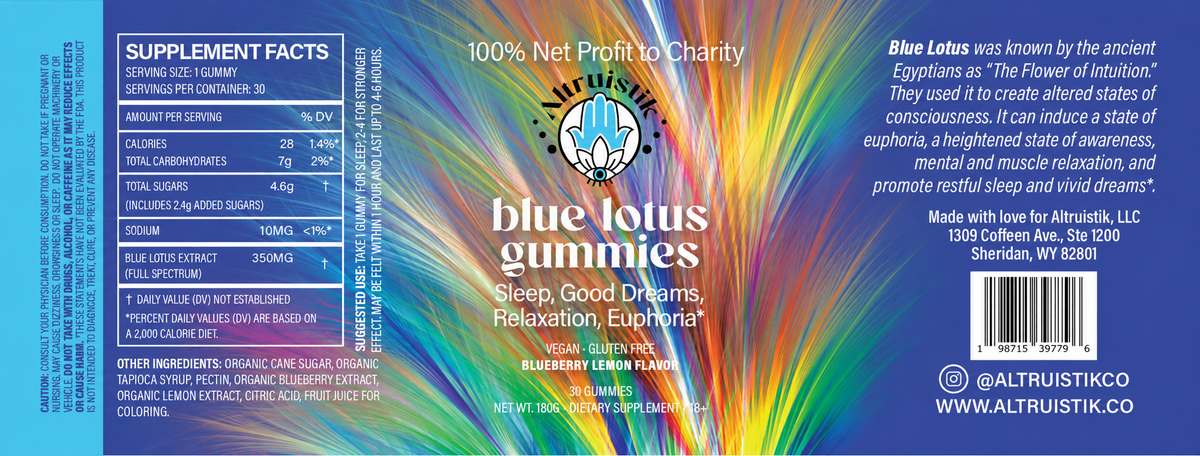
The Role of Blue Lotus Flowers in Supporting Calm
Stress has become a regular part of modern living. Work demands, financial responsibilities, digital overload, and fast daily routines often leave people feeling mentally exhausted and emotionally tense. While exercise, sleep, and mindfulness practices remain essential for maintaining balance, many individuals are also turning toward traditional herbal solutions to support relaxation and emotional wellbeing.
Among the many botanical options available today, blue lotus flowers have gained renewed attention as a gentle herbal ally that may help promote calmness, support emotional stability, and assist daily stress management. This article explores how blue lotus flowers fit into natural wellness routines, how they may help support relaxation, and how to incorporate them responsibly into everyday life.
Understanding Blue Lotus Flowers
Blue lotus (Nymphaea caerulea) is an aquatic flowering plant that has been valued for centuries in traditional herbal practices, especially in ancient Egyptian culture. Historical records suggest that the flower was used in ceremonial beverages, calming teas, and wellness rituals intended to encourage relaxation and peaceful mental states.
Today, blue lotus flowers are appreciated for similar reasons. Many herbal enthusiasts use dried petals to prepare tea or infusions that support relaxation while still allowing the mind to remain clear and focused. Unlike strong sedative herbs, blue lotus is often described as mild, balanced, and suitable for daily wellness use when consumed responsibly.
Why Stress Management Matters
Stress affects both the body and the mind. When people experience ongoing stress, the body releases hormones such as cortisol and adrenaline. These hormones are helpful in short bursts because they prepare the body to react quickly, but when they remain elevated for long periods they can contribute to fatigue, sleep difficulties, irritability, and reduced concentration.
Long term stress may also influence emotional resilience, making everyday challenges feel more overwhelming than they actually are. Because of this, many individuals build daily habits that support calmness, including meditation, breathing exercises, regular movement, and herbal relaxation practices.
How Blue Lotus Flowers May Support Relaxation

Nervous System Support
Blue lotus flowers contain natural plant compounds that are believed to interact with mood related pathways in the body. Herbal practitioners traditionally use the flower to encourage a sense of ease and relaxation without heavy sedation. Many people who consume blue lotus tea describe a gentle calming effect that helps the body release tension while allowing the mind to stay alert.
This balanced relaxation can make the herb particularly appealing for individuals seeking daily stress support rather than strong sleep inducing remedies.
Emotional Balance and Mood Support
Stress often creates emotional tension, leading to irritability, restlessness, or mental fatigue. Herbal relaxation practices may help create moments of calm throughout the day, supporting emotional steadiness. Blue lotus flowers are often used in evening or quiet time routines to help promote a peaceful mindset and reduce feelings of overwhelm.
Consistent use within a balanced lifestyle may help individuals develop healthier stress responses and maintain emotional clarity during demanding periods.
Encouraging Mindful Relaxation Rituals
One of the most beneficial aspects of herbal wellness is the ritual itself. Preparing a warm herbal beverage creates a pause in the day, encouraging slower breathing and mindful awareness. Over time, this repeated calming routine signals the body to shift from a high activity state into a more relaxed mode.
Blue lotus flowers are especially suitable for this purpose because they have a gentle aroma, appealing appearance, and long history of ceremonial tea preparation.
Ways to Use Blue Lotus Flowers in Daily Stress Routines
Herbal Tea Preparation
The most traditional method is brewing dried blue lotus flowers into herbal tea. A simple preparation method includes:
-
Place a small portion of dried blue lotus flowers into a teapot or tea infuser.
-
Add hot water over the flowers.
-
Allow the infusion to sit until the water develops a rich color and pleasant aroma.
-
Sip slowly while relaxing, journaling, or practicing quiet breathing.
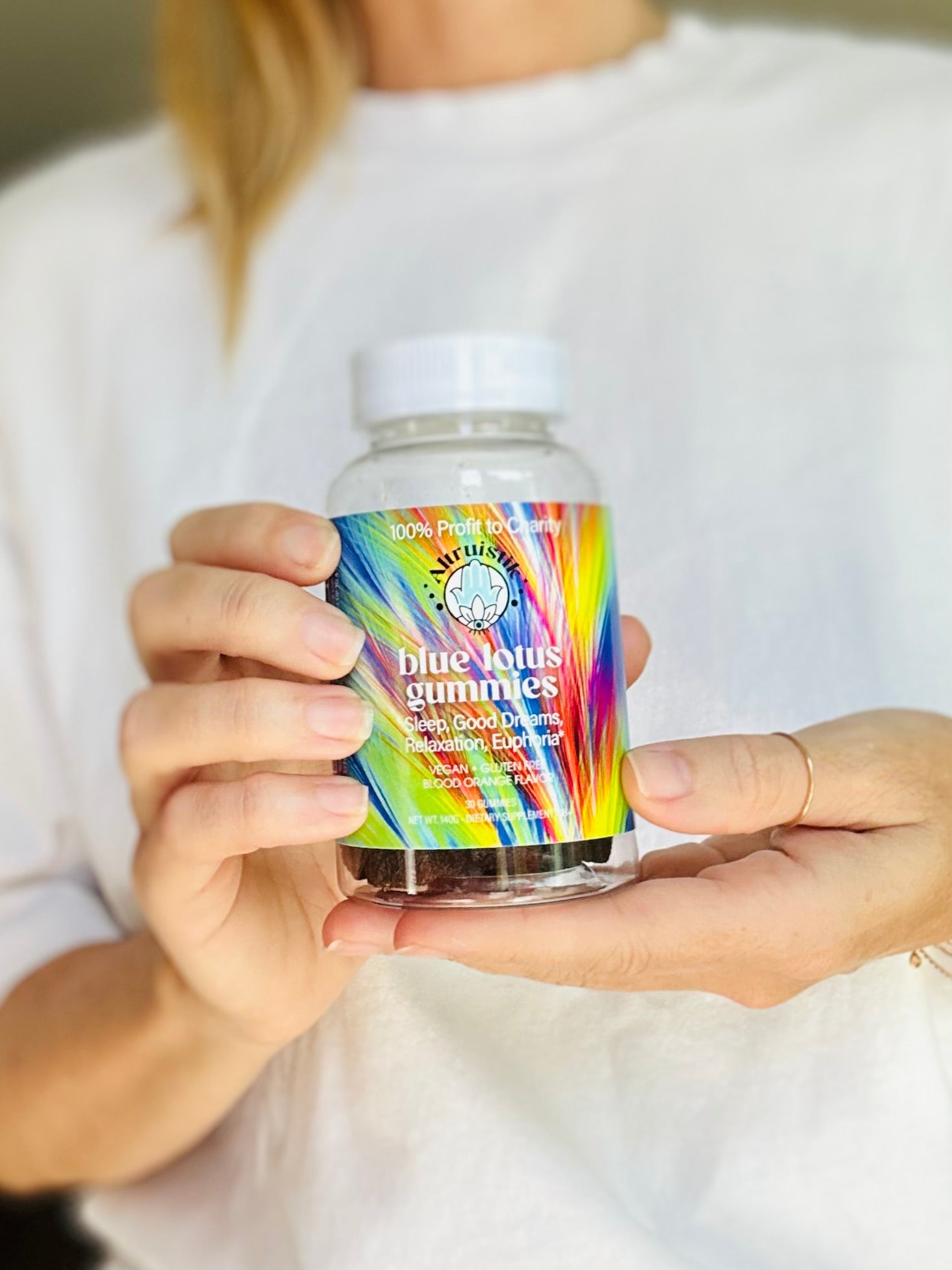
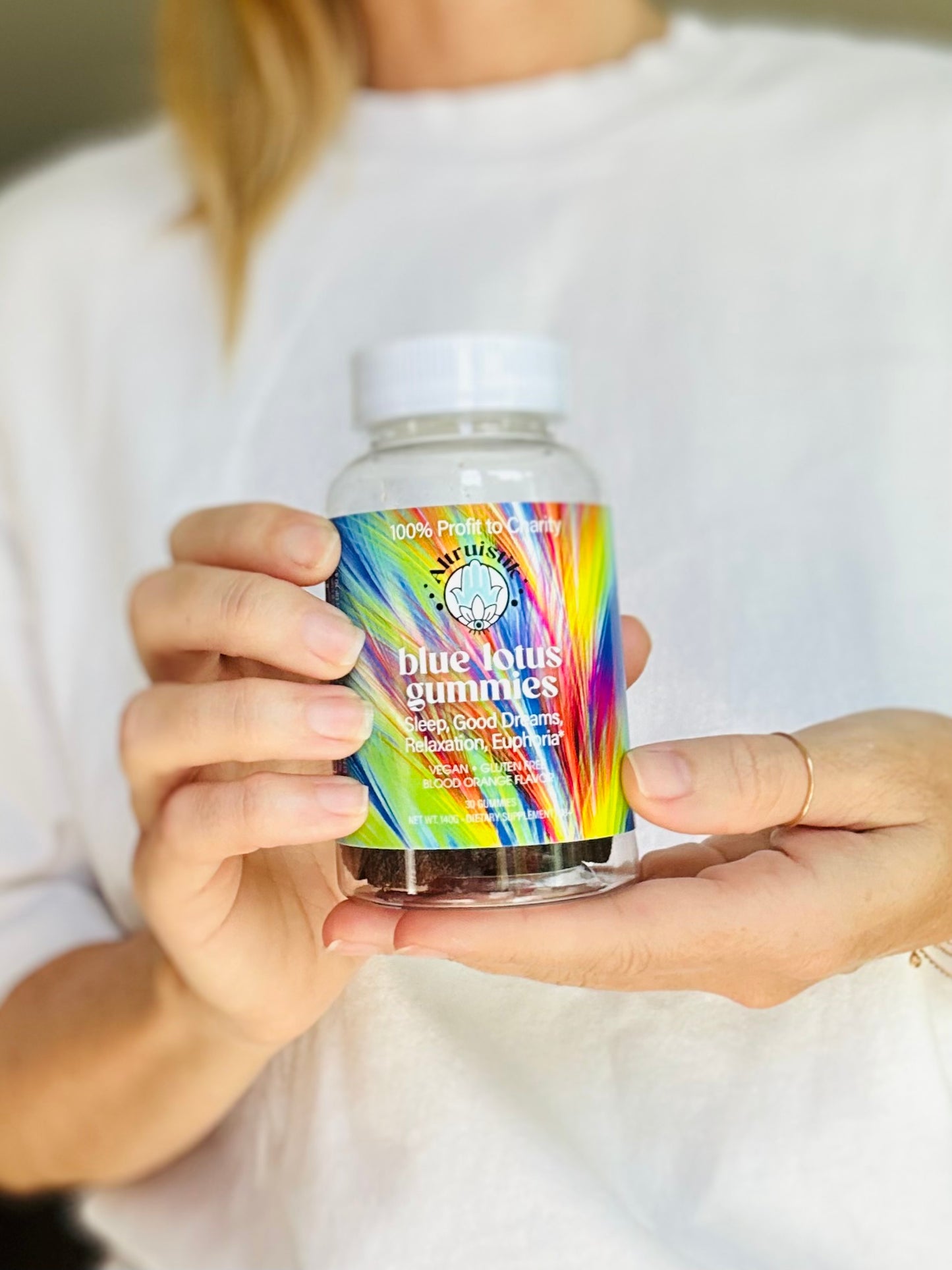
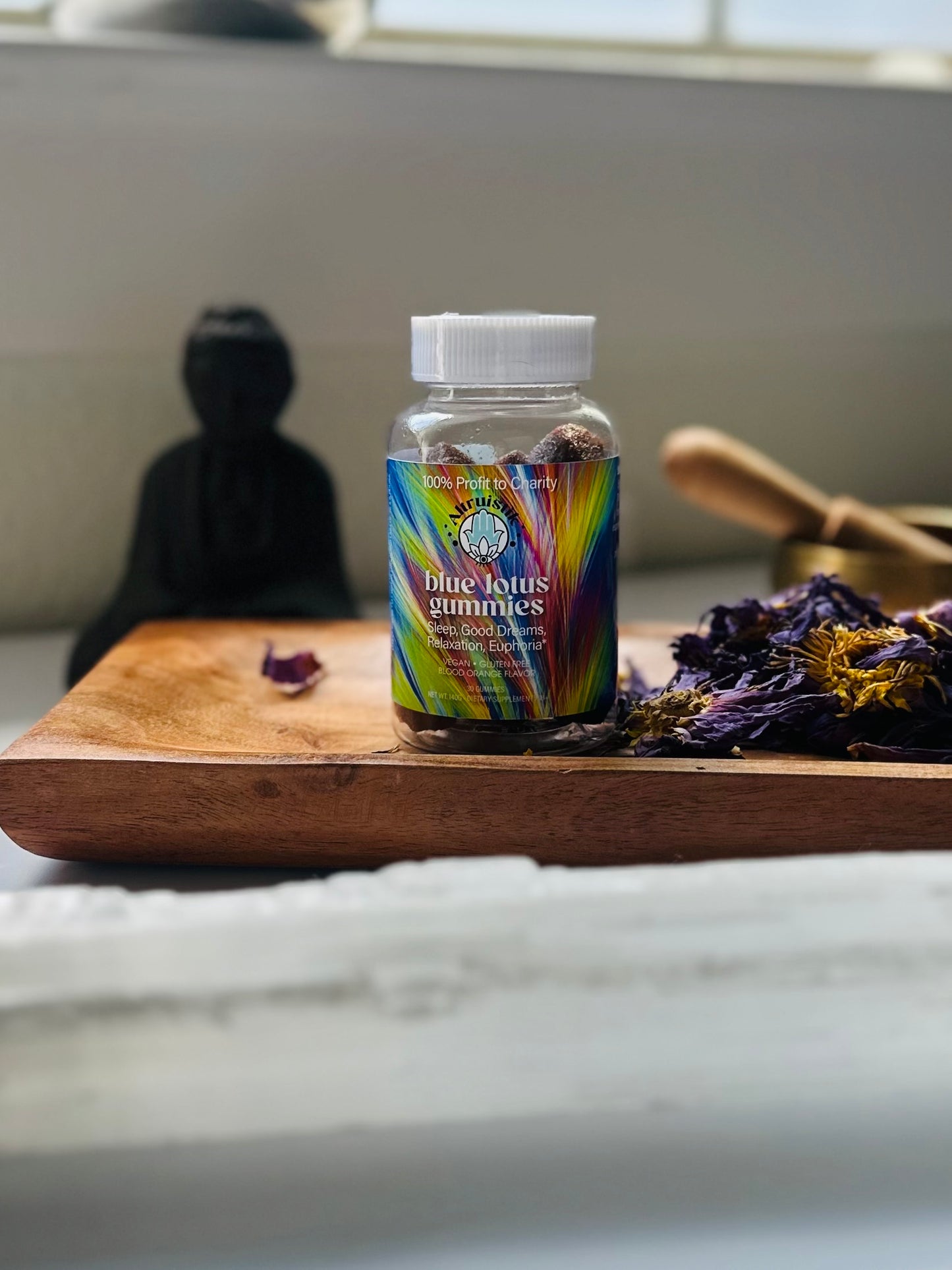
High quality organic blue lotus flowers can be found from carefully sourced botanical suppliers such as Altruistik, where the flowers are prepared for traditional infusion use.
Pairing With Meditation or Breathwork
Combining herbal tea with mindfulness practices may strengthen relaxation benefits. Many people drink blue lotus tea before meditation sessions, evening reflection, or calming breathing exercises. The soothing sensory experience of the tea can help the body settle, making it easier to focus and remain present.
Evening Relaxation Routine
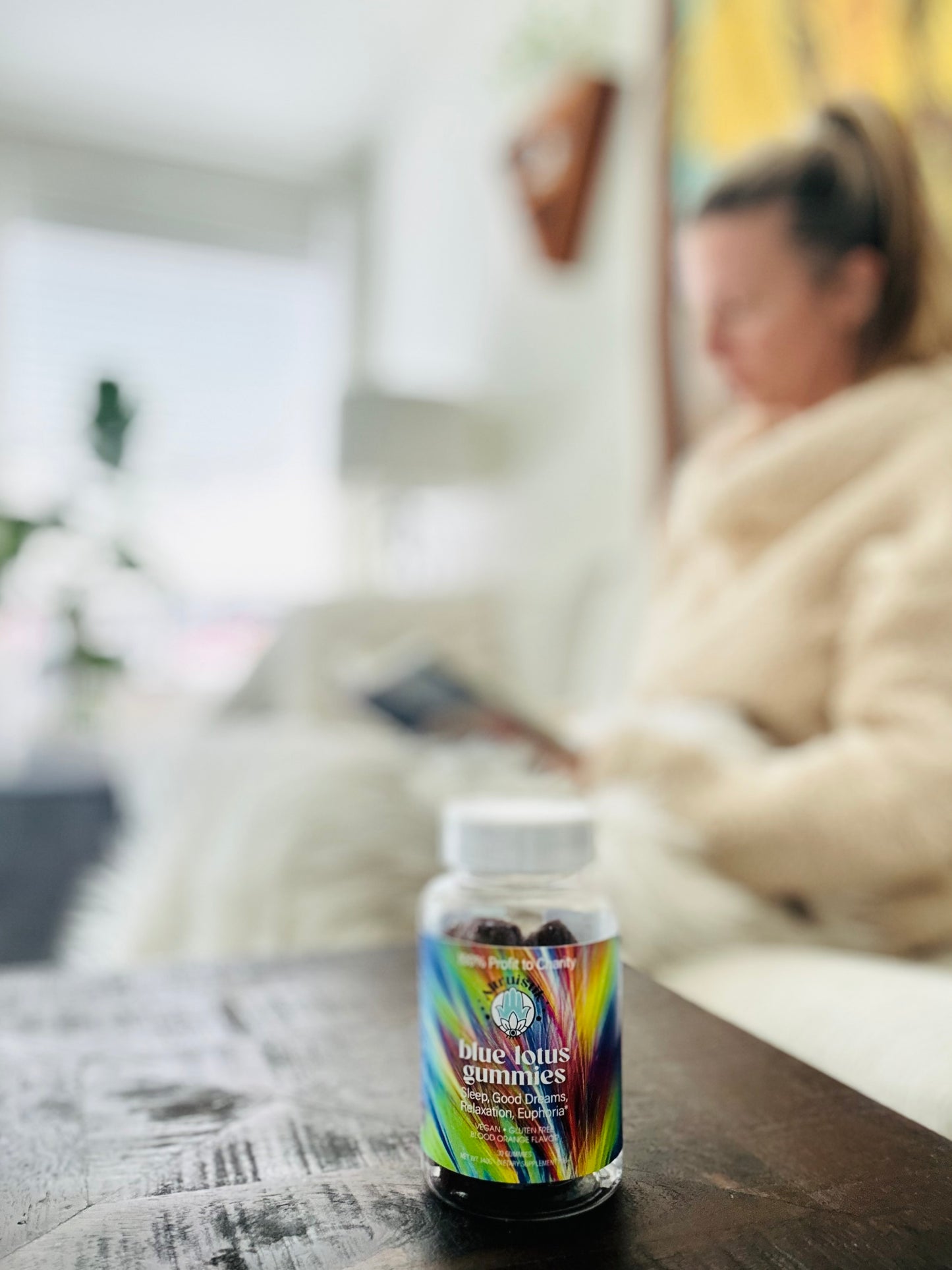
Evening routines play an important role in stress recovery. After a busy day, preparing a cup of blue lotus tea while dimming lights, reading, or listening to calming music can help the nervous system transition into rest mode. Consistent relaxation rituals help reinforce the body’s natural sleep cycle and emotional recovery processes.
Choosing Quality Blue Lotus Flowers
Herbal quality is essential for both safety and effectiveness. When selecting blue lotus flowers, consider the following factors:
-
Organic or naturally cultivated sources
-
Clean drying processes that preserve aroma and color
-
Absence of artificial additives or preservatives
-
Transparent sourcing practices
Premium botanical options such as Altruistik Organic Blue Lotus Flowers are prepared with attention to purity and freshness, helping ensure a consistent herbal experience for tea preparation and relaxation rituals.
Supporting Stress Management Through Lifestyle Habits

Herbal solutions work best when combined with supportive daily habits. Individuals who combine blue lotus tea with healthy routines often experience greater long term benefits.
Physical Movement
Regular physical activity such as walking, stretching, or yoga helps release muscular tension and supports healthy circulation. Movement also stimulates natural endorphin release, which improves mood.
Sleep Consistency
Maintaining regular sleep times helps the body regulate hormonal rhythms and improve emotional resilience. Evening relaxation rituals that include herbal tea can reinforce this habit.
Mindful Breathing
Deep breathing exercises slow the heart rate and reduce stress signals in the nervous system. Practicing breathing techniques while enjoying herbal tea enhances relaxation.
Balanced Nutrition
Whole foods rich in vitamins, minerals, and healthy fats support brain function and emotional stability. Proper nutrition strengthens the body’s ability to respond calmly to daily challenges.
Responsible Use and Safety Considerations
Although blue lotus flowers are generally considered mild, responsible use is important. Individuals should consult a healthcare professional before adding herbal products to their routine if they are pregnant, breastfeeding, or currently taking medications. Starting with small amounts allows users to understand how their body responds. Combining herbal relaxation products with alcohol or sedative medications should be avoided.
Using herbal products mindfully ensures that relaxation practices remain safe and beneficial.
Building a Sustainable Stress Management Routine
Daily stress management is not achieved through a single solution. Instead, it develops through consistent small habits practiced over time. Creating intentional relaxation moments, spending time outdoors, maintaining supportive relationships, and prioritizing sleep all contribute to emotional wellbeing.
Herbal rituals such as preparing blue lotus tea can serve as daily reminders to slow down, breathe deeply, and reconnect with a calmer pace of life. These quiet moments accumulate, gradually improving resilience to everyday stress.
Final Thoughts
Modern lifestyles often demand constant attention and productivity, making relaxation feel like a luxury rather than a necessity. However, emotional balance requires regular restoration periods. Natural herbal traditions offer gentle ways to support this process without disrupting daily functioning.
Blue lotus flowers provide a traditional botanical option that may help promote calm awareness, ease daily tension, and support mindful relaxation routines. When combined with movement, healthy sleep habits, balanced nutrition, and intentional stress reduction practices, herbal relaxation rituals can play a meaningful role in long term wellbeing.
Developing daily wellness habits does not require drastic changes. Simple practices such as preparing herbal tea, taking quiet reflection time, and engaging in mindful breathing can gradually transform how the body and mind respond to stress. Over time, these small steps create a stable foundation for a calmer, healthier lifestyle centered on balance and natural support.