Modern life often feels nonstop. Busy schedules, constant notifications, and daily responsibilities can leave the mind restless and the body tense. Because of this, many people are searching for gentle, plant-based ways to relax and restore balance. One option gaining renewed interest is blue lotus flowers, traditionally enjoyed as a natural calming herbal tea.
Blue lotus tea has a long history rooted in traditional wellness practices. Known for its soothing nature and subtle relaxing effects, it has been used for generations by those seeking calm without relying on caffeine or synthetic solutions. While it may feel like a new trend to some, blue lotus is far from new.
This article explores what blue lotus tea is, how it works, and why it has become a valued choice among natural calming herbal teas.
What Is Blue Lotus Tea
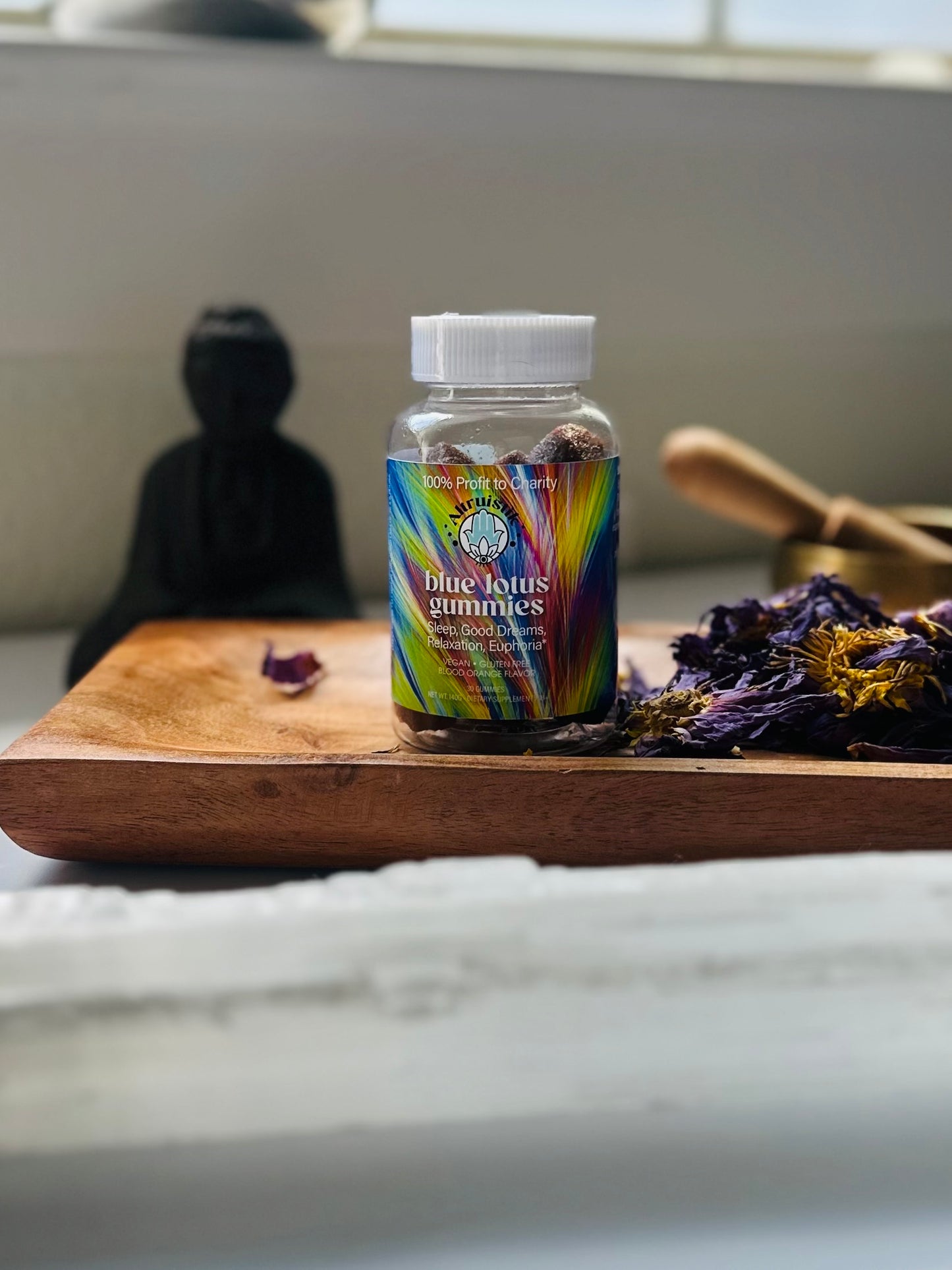
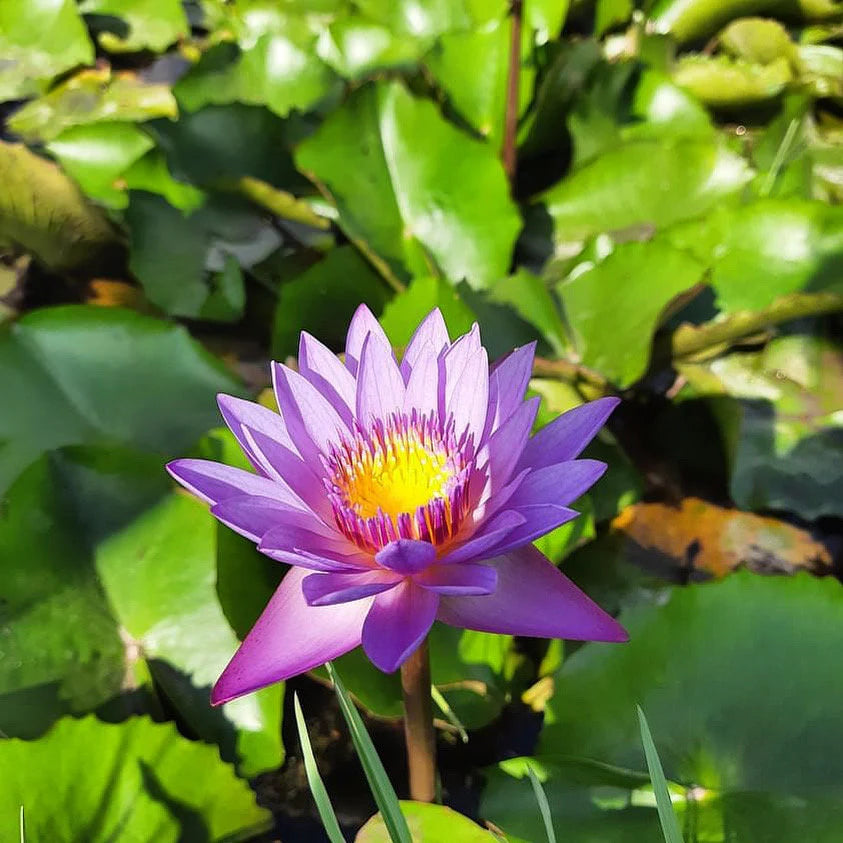
Blue lotus tea is an herbal infusion made from the dried petals of the blue lotus flower, scientifically called Nymphaea caerulea. The flower has been used historically in rituals and wellness traditions, especially for relaxation and reflection.
Because it is an herbal tea, blue lotus does not contain caffeine. This makes it different from black or green tea, which can stimulate the nervous system. Instead, blue lotus tea is often chosen for its gentle and calming qualities.
The taste is light and floral with mild earthy notes. Some people enjoy it plain, while others blend it with additional herbs for a more layered flavor.
Why Natural Calming Herbal Teas Are Popular
 Herbal teas have long been part of relaxation routines. A warm cup of tea naturally encourages slowing down, creating a moment of pause in a busy day. Natural calming herbal teas are especially popular because they support relaxation without overwhelming the body.
Many people choose herbal teas because they are:
· Free from caffeine
· Easy to prepare
· Gentle on the system
· Support mindful habits
Blue lotus tea fits naturally into this category. Its calming reputation and traditional use make it appealing to those looking for balance through natural means.
How Blue Lotus Tea Supports Calm
Blue lotus flowers contain naturally occurring plant compounds such as flavonoids, alkaloids, and antioxidants. These compounds interact with the body in subtle ways that may encourage relaxation and emotional ease.
Rather than creating an intense effect, blue lotus tea works gradually. Many people describe the experience as a gentle release of tension rather than a sudden change. This makes it suitable for quiet moments, evening routines, or times when mental clarity and calm are desired.
Because it does not overstimulate the nervous system, it is often preferred by those sensitive to stronger herbs or caffeinated drinks.
Benefits of Blue Lotus as a Natural Calming Herbal Tea
Individual experiences may vary, but blue lotus tea is commonly associated with several calming benefits.
Relaxation and Stress Support
A warm cup of blue lotus tea can help the body shift into a more relaxed state. It is often used after long days or during moments of emotional strain.
Emotional Balance
Some of the compounds found in blue lotus are believed to support mood balance. Many people report feeling more grounded and emotionally steady after drinking the tea.
Support for Evening Wind Down
Blue lotus tea is often included in nighttime routines. While it is not a sleep aid, it may help reduce mental activity and prepare the body for rest.
Antioxidant Properties
Like many herbal teas, blue lotus contains antioxidants that help protect cells from oxidative stress. This contributes to overall wellness in addition to relaxation.
How to Prepare Blue Lotus Tea
Preparing blue lotus tea is simple and requires minimal ingredients. Dried petals are steeped in hot water for several minutes. Water should be hot but not boiling to preserve the delicate compounds within the flower.
Steeping time can be adjusted based on taste preference. A shorter steep creates a lighter flavor, while a longer steep results in a richer infusion.
Many people find the preparation process itself to be calming. Taking a few minutes to brew tea and enjoy it slowly can enhance the overall experience.
Blue lotus is sometimes combined with other calming herbs such as chamomile or lemon balm, creating a soothing blend without overpowering flavors.
When to Drink Blue Lotus Tea
Blue lotus tea can be enjoyed at various times depending on personal preference. Some people drink it in the evening as part of a relaxing routine, while others enjoy it during quiet moments throughout the day.
Because it contains no caffeine, it does not interfere with rest when consumed later. However, starting with a small amount is recommended, especially for first-time users.
Consistency and moderation are key. Paying attention to how the body responds helps ensure a positive experience.
Safety and Mindful Use
Although blue lotus tea is considered gentle, it should still be used thoughtfully. Individuals who are pregnant, nursing, or taking medications should consult a healthcare professional before using new herbal products.
Blue lotus may have mild relaxing effects, so it should not be combined with substances that cause drowsiness. As with any herbal tea, listening to your body is essential.
Using herbs mindfully and responsibly helps maintain balance and well-being.
Blue Lotus Tea and Modern Wellness
As interest in holistic wellness continues to grow, many people are returning to traditional plant-based practices. Simple habits such as drinking herbal tea, practicing mindfulness, and slowing daily routines are becoming more valued.
Blue lotus tea fits naturally into this lifestyle. It is not about dramatic effects or instant results. Instead, it offers a gentle way to support calm and mental clarity through consistency and intention.
This shift toward natural calming herbal teas reflects a desire for balance rather than stimulation, and blue lotus has become part of that conversation.
Final Thoughts
Blue lotus flowers offer a unique approach to relaxation through a natural calming herbal tea. With its long history, mild effects, and caffeine-free nature, it provides a soothing option for those seeking calm in everyday life.
While it is not a replacement for medical care or lifestyle changes, blue lotus tea can complement a mindful routine focused on balance and relaxation. When used with awareness and moderation, it may become a comforting part of daily self-care.