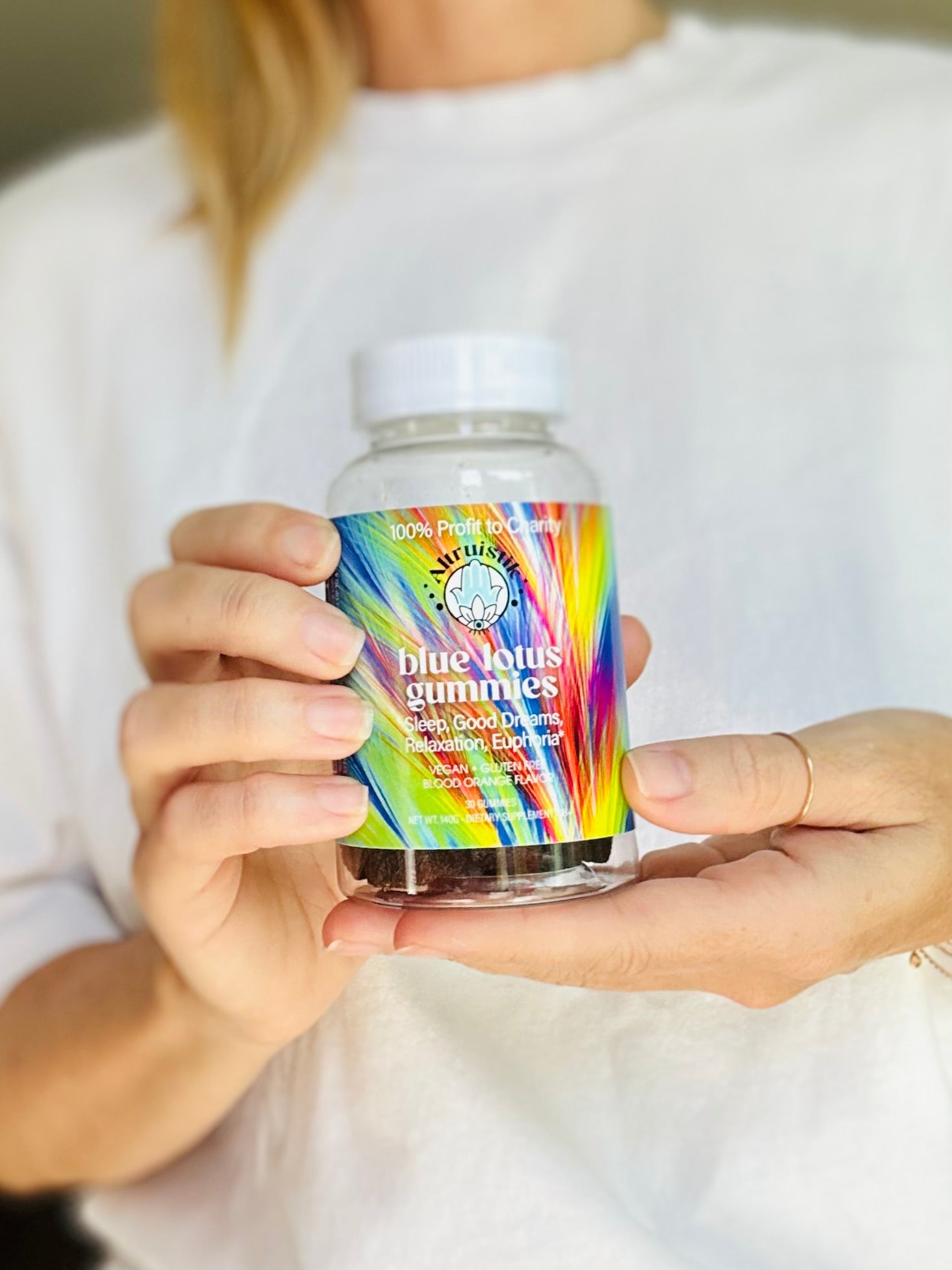
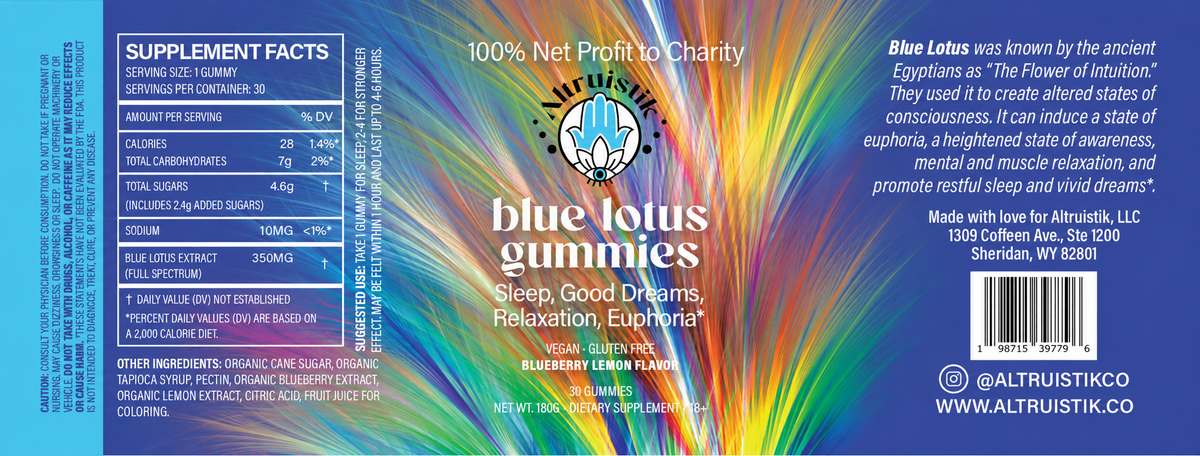
Modern life rarely slows down. Notifications, responsibilities, and constant stimulation keep the mind active long after the body is ready to rest. As stress becomes part of daily life, many people are looking for natural, plant-based ways to support calm, clarity, and emotional balance, without relying on harsh stimulants or sedatives.
One botanical that has quietly re-emerged in mindful wellness practices is Blue Lotus. Known for its gentle, grounding nature, blue lotus flowers are increasingly used to support relaxation, mental clarity, and inner balance.
At Altruistik, we believe in simple, intentional wellness rooted in nature. Our Blue Lotus Flowers are offered in their natural form so you can experience the plant as it has traditionally been used, thoughtfully, slowly, and with purpose.
This article explores what blue lotus flowers are, how they are used, and how they may support relaxation, focus, and emotional balance in a modern wellness lifestyle.
Understanding the Benefits of Blue Lotus Flowers
Blue lotus (Nymphaea caerulea) is a flowering aquatic plant that has been respected for centuries for its calming and centering qualities. The dried flowers are traditionally steeped into tea or used in intentional rituals designed to promote a relaxed yet aware mental state.
Unlike stimulating herbs that push energy levels higher or sedatives that force the body into rest, blue lotus is valued for its balance. It supports calm without dullness and clarity without overstimulation.
This unique middle ground is what makes blue lotus especially relevant today, when many people feel both mentally exhausted and overstimulated at the same time.
What Are Blue Lotus Flowers?
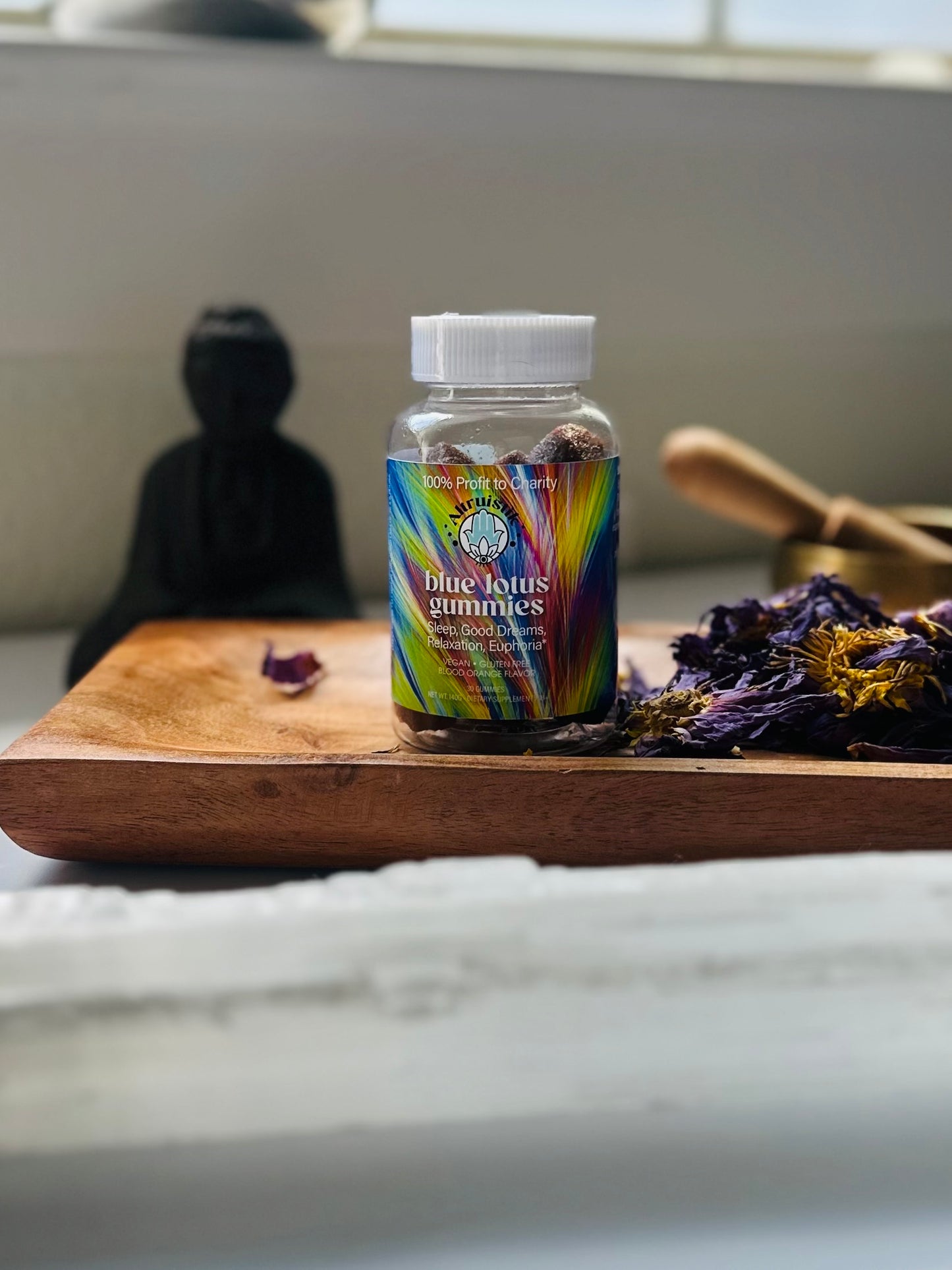
Blue lotus flowers grow naturally in freshwater environments and are known for their vibrant blue petals and subtle floral aroma. Once harvested and dried, the flowers are commonly used in herbal teas and wellness rituals.
Historically, blue lotus has been associated with:
-
Calm awareness
-
Emotional balance
-
Mindful presence
-
Gentle relaxation
In modern wellness, blue lotus is valued not for its intensity but for its subtle, supportive nature.
How Blue Lotus Flowers Support Relaxation
One of the most common reasons people turn to blue lotus flowers is for relaxation. Daily stress often shows up as racing thoughts, physical tension, shallow breathing, and emotional irritability.
Blue lotus supports relaxation by gently helping the body and mind shift out of a heightened stress response.
A Calm Without Numbness
Blue lotus contains naturally occurring plant compounds that interact gently with the nervous system. Rather than acting as a strong sedative, these compounds may help soften mental tension and encourage a calmer internal state.
Many people describe the experience as:
-
A gradual sense of calm
-
Reduced mental chatter
-
Relaxed breathing
-
A feeling of ease in the body
This makes blue lotus well-suited for those who want to relax without feeling disconnected or foggy.
When Blue Lotus May Be Most Helpful
-
After long or mentally demanding days
-
During periods of emotional stress
-
When transitioning from work to rest
-
As part of an evening wind-down routine
A warm cup of blue lotus tea can become a signal to slow down, not to shut off, but to soften.
Focus: How Relaxation Supports Mental Clarity
Focus is often mistaken for something that requires stimulation. In reality, deep focus usually emerges when the mind is calm, uncluttered, and present.
Stress, anxiety, and overthinking are some of the biggest barriers to clarity.
Calm Awareness and Focus
By supporting relaxation, blue lotus helps create a state of calm awareness, a mental space where attention can naturally settle.
Users often report:
-
Improved ability to stay present
-
Less internal distraction
-
Smoother thought patterns
-
A reflective, clear mental state
This makes blue lotus a supportive option for:
-
Meditation and mindfulness practices
-
Journaling and self-reflection
-
Reading or learning
-
Creative or intentional work
Rather than forcing focus, blue lotus supports the conditions in which focus can arise naturally.
Inner Balance: Emotional Grounding and Stability
Inner balance doesn’t mean feeling calm all the time. It means being able to experience emotions without becoming overwhelmed by them.
Blue lotus has long been associated with emotional grounding and gentle regulation.
Emotional Support Without Suppression
Blue lotus does not block emotions. Instead, it may help soften emotional extremes, allowing feelings to pass more smoothly.
People who use blue lotus regularly often describe:
-
Reduced emotional reactivity
-
A greater sense of calm during stress
-
Improved emotional awareness
-
Feeling centered rather than scattered
This makes blue lotus especially helpful during periods of change, uncertainty, or emotional overload.
Common Uses of Blue Lotus Flowers
Blue lotus flowers are versatile and can be incorporated into wellness routines in several simple ways.
1. Blue Lotus Tea
The most common and accessible way to enjoy blue lotus is as an herbal tea.
How to Prepare Blue Lotus Tea
-
Use 1–2 teaspoons of dried blue lotus flowers
-
Pour hot (not boiling) water over the flowers
-
Steep for 5–10 minutes
-
Strain and sip slowly
The flavor is naturally mild and floral. Some people enjoy it plain, while others add honey or lemon.
2. Meditation and Mindfulness Support
Blue lotus is often used before meditation to quiet the mind and support presence. Drinking tea slowly before sitting in silence can help ease the transition into stillness.
3. Evening Wind-Down Rituals
Many people include blue lotus in their nighttime routine as a way to mentally disconnect from the day and prepare for rest.
4. Journaling and Reflection
The calm clarity supported by blue lotus makes it a useful companion for journaling, intention setting, and self-reflection.
Creating Intentional Rituals With Blue Lotus
Wellness is not only about what you consume, it’s also about how you consume it. Blue lotus naturally lends itself to intentional, mindful practices.
Simple Ritual Ideas
-
Drink blue lotus tea while practicing deep breathing
-
Use it before meditation or gentle stretching
-
Pair it with journaling or gratitude reflection
-
Enjoy it during quiet, screen-free moments
These rituals align closely with Altruistik’s philosophy: slow, intentional wellness that supports the whole person.
Why Choose Altruistik Blue Lotus Flowers?
At Altruistik, we focus on offering botanicals that are simple, honest, and thoughtfully sourced. Our Blue Lotus Flowers are provided in their natural dried form so you can experience the plant as it was traditionally used.
What Sets Our Blue Lotus Apart
-
Natural, dried blue lotus flowers
-
Carefully handled to preserve aroma and quality
-
Suitable for tea, rituals, and mindful practices
-
Free from unnecessary additives
Our goal is not to overwhelm the senses, but to support balance and awareness, gently and naturally.
Safety and Responsible Use
Blue lotus flowers are generally well-tolerated when used mindfully. Responsible use helps ensure a positive experience.
Important Considerations
-
Avoid use during pregnancy or breastfeeding unless advised by a professional
-
Start with a small amount to assess personal sensitivity
-
Do not combine with alcohol or sedatives
-
Avoid driving or operating machinery if drowsiness occurs
Blue lotus is best enjoyed in calm, safe environments where relaxation is welcomed.
Blue Lotus in Modern Wellness
As wellness trends move toward intentional living and nervous-system support, blue lotus fits naturally into modern routines. It encourages slowing down rather than speeding up, awareness rather than distraction, and balance rather than extremes.
Blue lotus is not a shortcut or a quick fix. It is a supportive companion, encouraging calm presence and emotional steadiness over time.
This philosophy reflects Altruistik’s broader approach to wellness: supporting mindful living through natural, purposeful choices.
Frequently Asked Questions (FAQ)
What are blue lotus flowers commonly used for?
Blue lotus flowers are commonly used to support relaxation, calm focus, emotional balance, and mindfulness through tea or wellness rituals.
Does blue lotus make you sleepy?
Blue lotus may promote relaxation, but it is not a strong sedative. Many people feel calm and mentally clear rather than sleepy.
How long does blue lotus tea take to work?
Effects are usually subtle and gradual, often noticed within 20–40 minutes after drinking tea.
Can blue lotus help with meditation?
Yes. Many people use blue lotus before meditation to quiet the mind and support focus and presence.
Is blue lotus safe for daily use?
When used responsibly and in moderate amounts, many people include blue lotus tea as part of a regular wellness routine.
Can I drink blue lotus tea during the day?
Yes. Some people enjoy it during the day for calm focus, while others prefer it in the evening for relaxation.
Final Thoughts
Blue lotus flowers offer a gentle, natural way to support relaxation, focus, and inner balance in a world that rarely slows down. Through mindful use, whether as tea or ritual, this botanical invites you to reconnect with calm awareness and emotional steadiness.
At Altruistik, we believe wellness doesn’t need to be complicated. Our Blue Lotus Flowers are an invitation to create space for calm thoughts, clear focus, and balanced living.
Blue lotus isn’t about chasing an effect.
It’s about cultivating presence, one mindful moment at a time.