Herbal tea is not just a beverage, but can also be a great way of incorporating a variety of herbs into one’s life. One of the many types of flowers that can be found in the preparation of herbal tea is blue lotus because of its unique looks, fragrant smell, and usage since time immemorial.
Prepared as an infusion, dried blue lotus flowers can be made into a tea which is inherently delicate in nature. Those who are interested in experimenting with different botanical ingredients will find Organic Blue Lotus Flower a good choice for their herbal tea assortment.

What Is the Blue Lotus Flower?
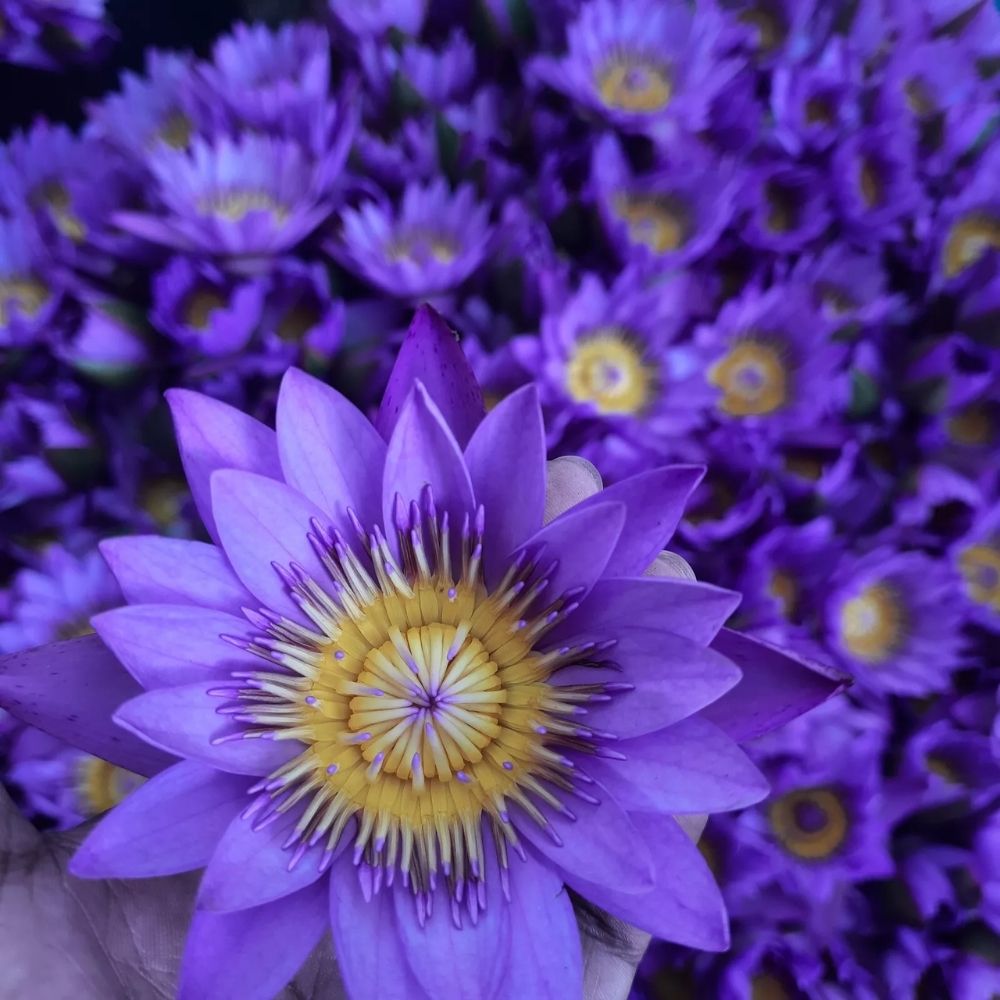
Blue lotus flower is a term that usually refers to Nymphaea caerulea, an aquatic plant commonly known as the blue water lily or the Egyptian blue lotus. Despite being referred to as a lotus flower, botanically, the plant is actually a water lily flower, not a true lotus flower.
There is a rich history of the use of the flower culturally and traditionally. Currently, dried flowers can be purchased in order to make various botanicals such as herbal teas.
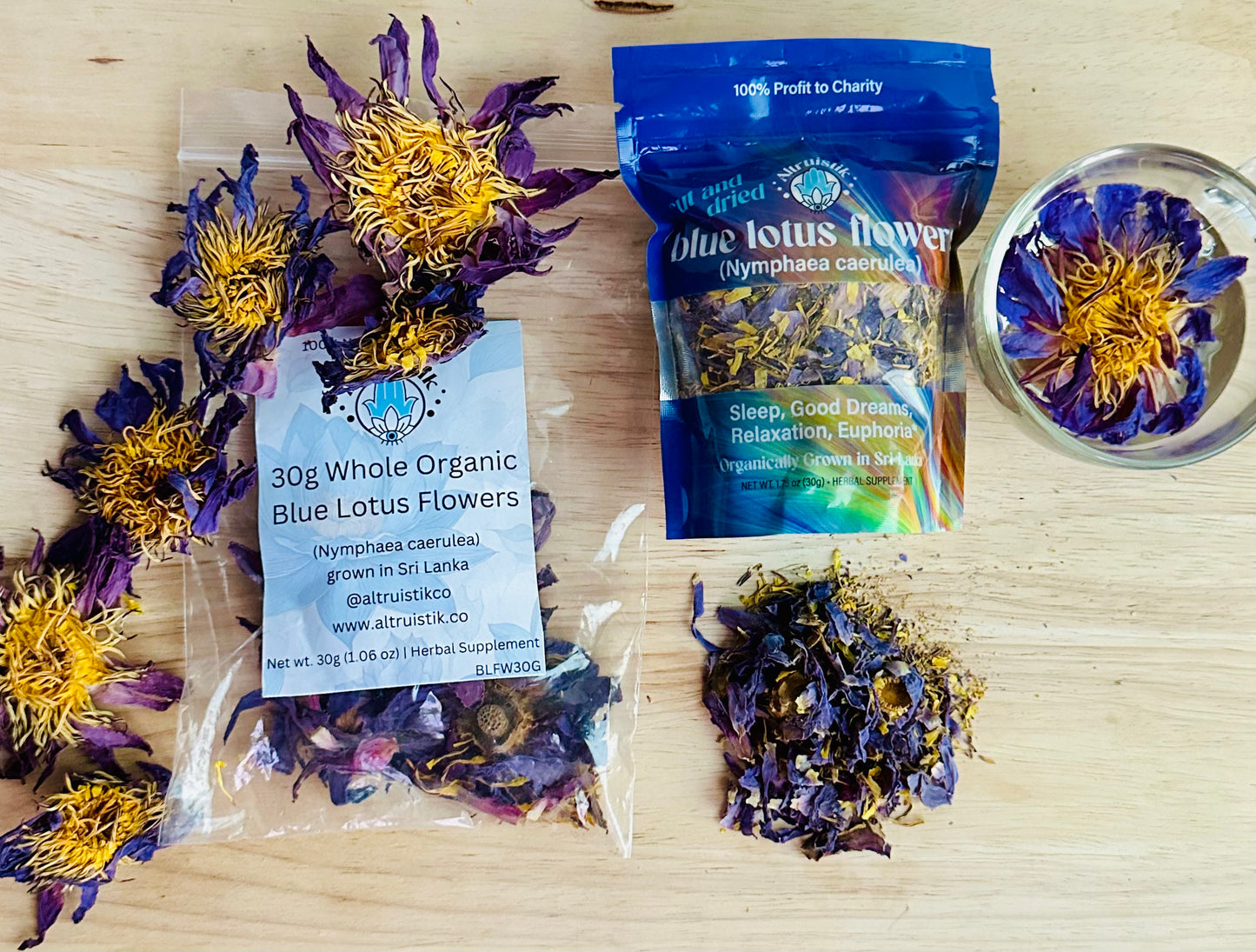
At Altruistik, you can purchase organic dried blue lotus flowers both in whole and cut versions. There are no preservatives used, and flowers are selected according to their color and scent.
Reasons for Using Blue Lotus in Herbal Tea
One of the positive features of the blue lotus tea is the fact that the preparation does not involve any complex components or flavorings of tea. Instead, one can just steep dried flowers in the water and get a nice floral infusion.
Distinctive Floral Aroma
Blue lotus has its unique aroma which can bring something special to the herbal tea drink. The smell will give the infusion the feel of some kind of botanical ritual rather than just another drink.
Caffeine-Free Herbal Alternative
Dried flowers can serve as an alternative to regular caffeinated tea drinks. It means that floral infusions can be tried by those who are interested in trying different types of evening beverages without caffeine.
Good for Combinations with Other Herbs
Blue lotus does not have to be used alone. Based on individual preferences, it is possible to combine dried flowers with other culinary or herbal herbs and make your own blend of tea.
How to Brew Blue Lotus Herbal Tea
Brewing a flower tea is not complicated. It is important to remember that one should always follow the instructions from the product’s packaging because a plant-based tea cannot be confused with a medicinal brew.
Step 1: Measure Dried Flowers
One should begin by following the instructions provided on the packaging. Altruistik sells both whole and cut dried flowers; the latter type is especially convenient to measure if brewing a tea.
Step 2: Pour Hot Water
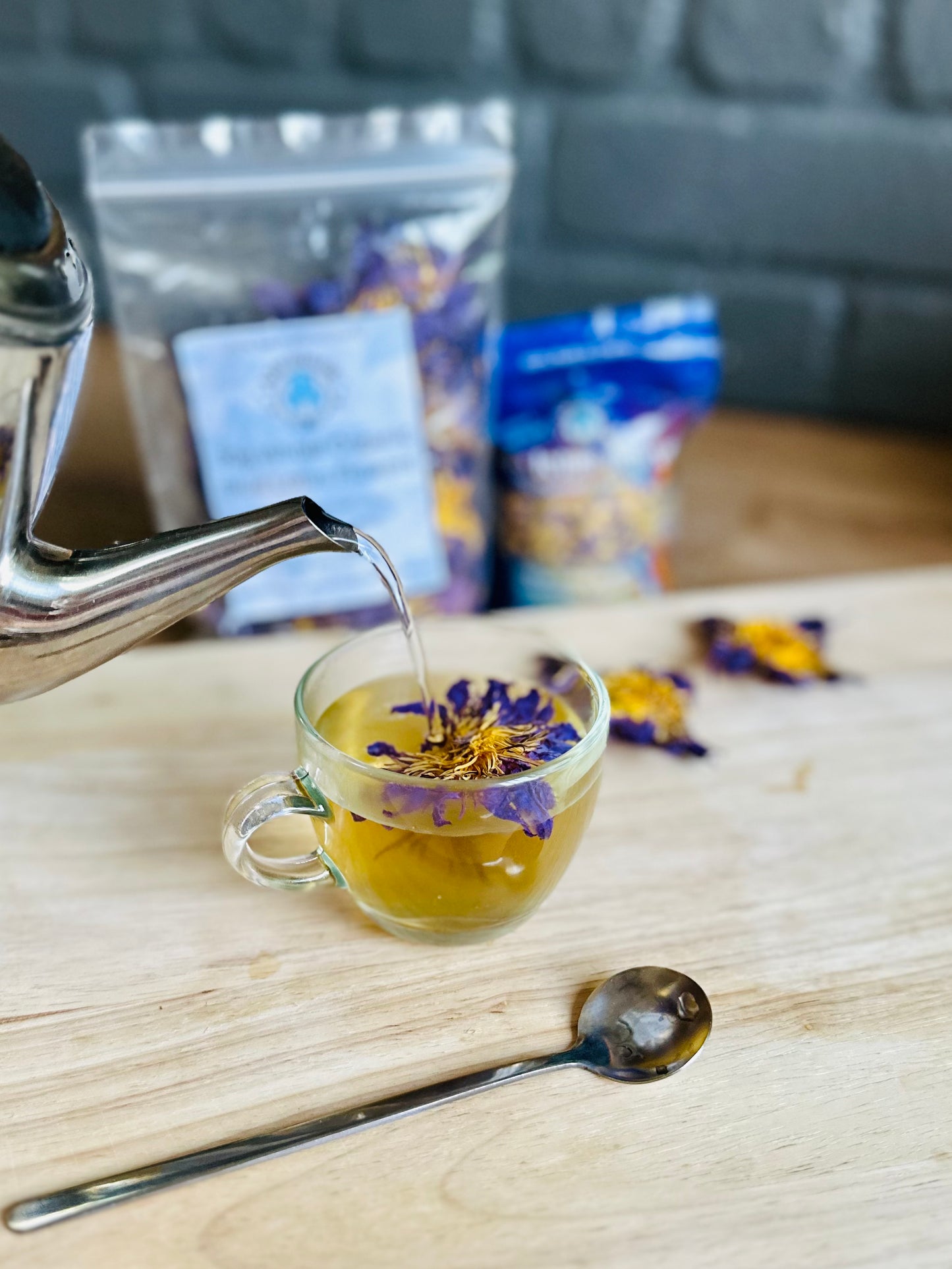
Dried flowers can be poured into a cup, a teapot, or any appropriate infuser and hot water should be added.
Step 3: Allow Infusion Time
Let the flowers brew before removing the strainer. According to the product's webpage of Altruistik, it is recommended to leave the flowers to brew in hot water for 5-10 minutes.
Step 4: Strain and Drink
When the tea reaches the desired concentration, flowers can be strained and the beverage enjoyed.

Whole Flowers versus Cut Flowers
Whether you decide on using whole flowers or cut flowers depends mostly on how you intend to use them.
Whole Flowers
The whole flowers offer the full picture of the dried botanical. They can be attractive in the case of presentation and the experience of whole flowers.
It is also convenient where you need to store a large quantity or arrange botanical displays.
Cut Flowers
Cut flowers are convenient when preparing tea since they can be measured and proportioned easily. They are also useful where you are preparing your tea often and need a convenient process of preparation.
Altruistik currently provides 30g of blue lotus in both whole and cut flowers, but the larger quantities available are whole flowers, depending on stock.
A Simple Tea Ritual Using Herbs
The process of preparing tea may turn out to be a little ritual instead of just a part of daily life.
You can prepare a cup while you read, write in your journal, meditate, or relax before going to bed. The smell of flowers and the preparation procedure will make the ritual more sensory.
If you try the world of botanical tea, then Organic Blue Lotus Flower can be added to your simple tea ritual without involving complicated rituals of preparation.
The main point is to enjoy the botanical as such — the smell, the look, and the taste.
What Should You Consider While Buying Dried Blue Lotus?
All botanical products do not always get manufactured or offered in the same manner. While selecting dried flowers, there are some basic things you need to consider.
Botanical Identity
Make sure that the botanical identity of the plant and the kind of botanical material that it represents are clearly identified. Blue lotus belongs to the species Nymphaea caerulea and the knowledge of botanical identity will help you choose the right one.
Growing and Harvesting Details
Details on how the plant is grown and harvested and the place where it is grown can be beneficial for you. According to Altruistik, its blue lotus flowers have been organically grown and at present are harvested in Sri Lanka from the growers.
Appearance and Aroma
Natural dried flowers may differ from batch to batch. Appearance and aroma details will give you valuable insight into the selection of the botanical product.
According to Altruistik, its flowers have been carefully selected according to these features.
Blue Lotus Tea and Responsible Consumption
Blue lotus has garnered significant interest on the Internet, but scientific studies regarding the plant’s effects and safety are still few. There are also findings that the composition of different types of blue lotus and their extracts varies from each other, which means that the information gathered about one product cannot necessarily be true of all products.
It is best, then, to consider dried blue lotus tea as a plant extract and not as medicine for an illness.
Those who are pregnant or lactating, taking medication, or with an existing ailment must first consult with a health care professional prior to consumption. Altruistik further warns that the product can induce drowsiness and must not be taken with alcohol or sedatives.
Adding Blue Lotus to Your Tea Selection
The world of herbal tea leaves many doors open to try new things, and floral additions may offer a new twist to the process. Blue lotus, for instance, possesses a unique visual appeal, aroma and a botanical background.
Whether you like the whole flowers for their looks, or chopped flowers, which will make preparation easier, Altruistik products allow you to experiment with this particular botanical addition to tea. The product comes in various sizes, so you may use it either occasionally, for tea purposes, or for larger-scale use of this botanical product.
In the end, making herbal tea comes down to using quality ingredients and simple preparation methods, along with reasonable expectations. If you are willing to try a new addition to your tea drinking rituals, blue lotus may become a good choice.

Conclusion
The blue lotus is well suited to become a part of the herbal tea world because it includes an interesting flower, a pleasant botanical scent, and a simple brewing technique. With proper use, it will provide diversity to your own tea collection or blend of herbs.
If you want to try out some organically dried flowers for your herbal tea, consider Altruistik Blue Lotus Flowers.