A Practical Guide Using Blue Lotus Flowers for Calm Awareness
Meditation and mindfulness practices are becoming essential tools for managing stress, improving emotional stability, and enhancing mental clarity. While breathing exercises and guided meditation form the foundation of mindfulness, many practitioners also incorporate herbal rituals to create a calming environment that prepares the mind for deeper focus. One of the most respected traditional herbs used in meditation rituals is the Blue Lotus flower.

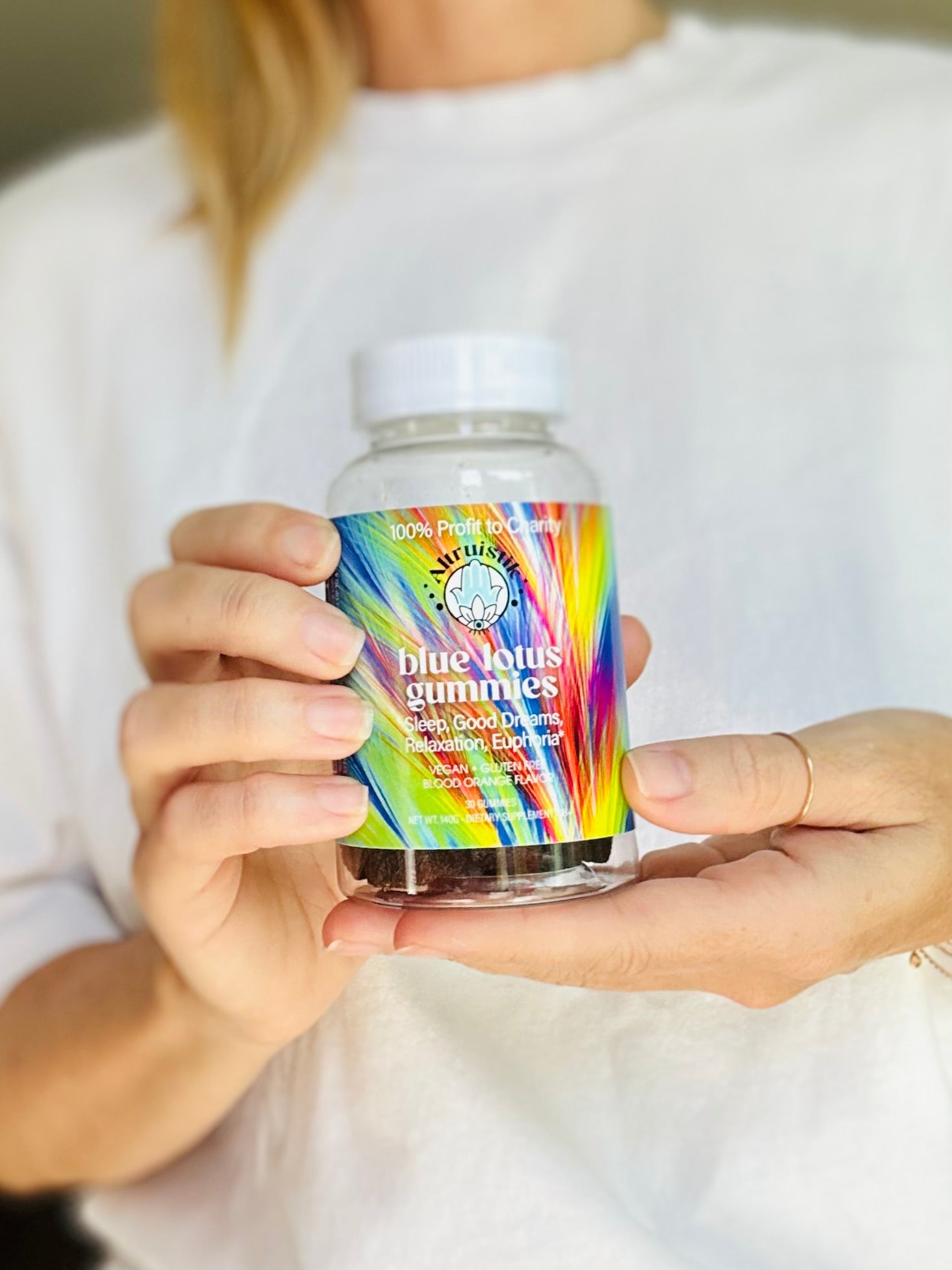
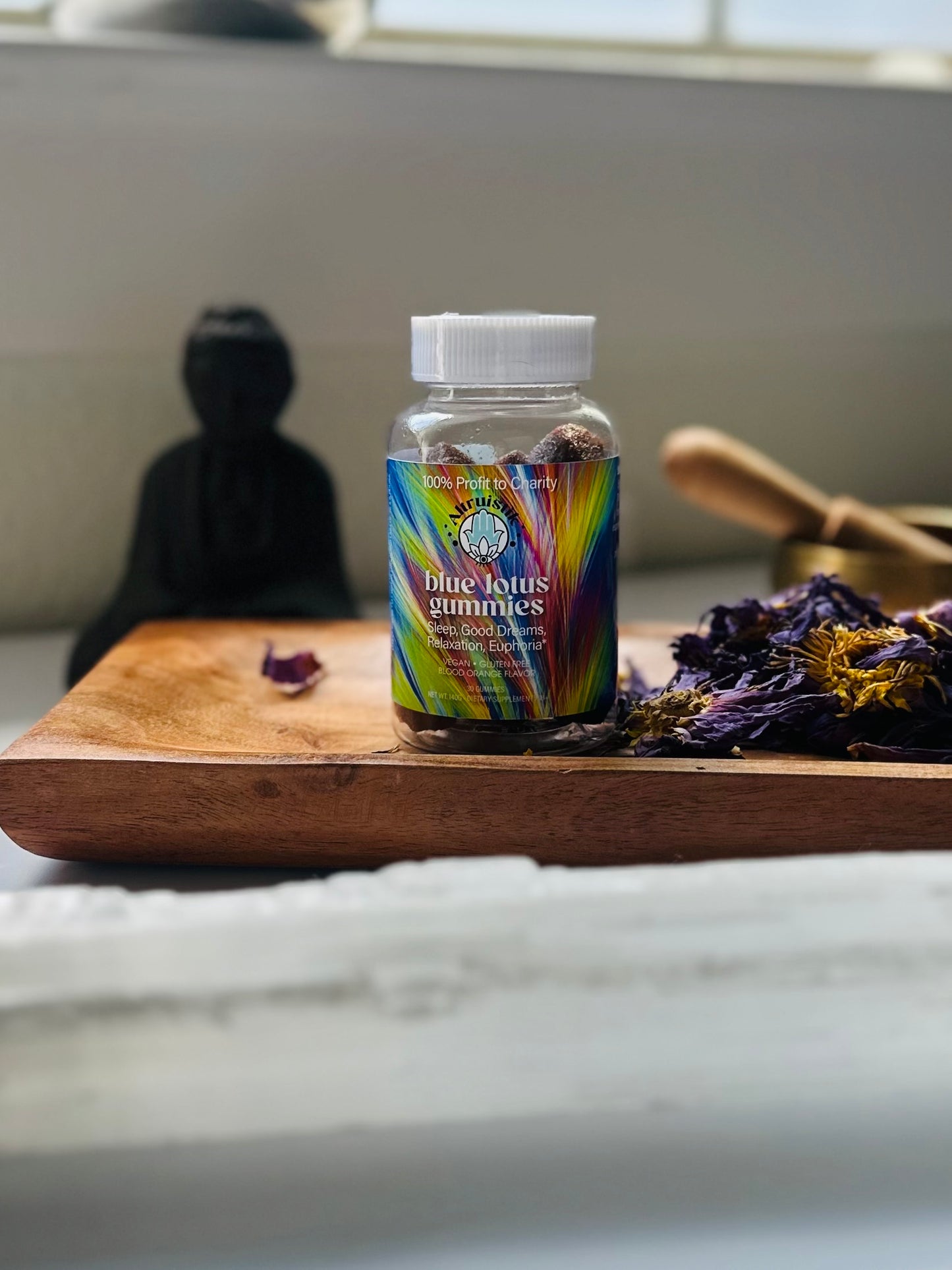
Blue Lotus flowers have been valued for centuries for their calming, mood supporting, and spiritually symbolic qualities. Today, natural wellness brands such as Altruistik provide carefully prepared dried Blue Lotus flowers that can be used in tea rituals, relaxation routines, and meditation ceremonies. Learning how to use Blue Lotus correctly can help practitioners create a deeper sense of presence and inner awareness during mindfulness practices.
Understanding Blue Lotus Flowers
Blue Lotus, scientifically known as Nymphaea caerulea, is a water flower historically associated with calmness, spiritual symbolism, and ceremonial relaxation practices. Ancient civilizations considered the flower a symbol of awakening, renewal, and expanded awareness. Over time, herbal traditions preserved its use in relaxation rituals and contemplative practices.
The dried petals available today are typically brewed as herbal tea or used as part of meditation preparation rituals. When used mindfully, Blue Lotus flowers help create a sensory environment that supports calm breathing, emotional balance, and deeper introspection.
Why Blue Lotus Is Used for Meditation
Meditation requires a relaxed body and a focused mind. Many beginners struggle to settle their thoughts or release tension before starting a session. Herbal rituals such as Blue Lotus tea preparation provide a gentle transition from daily activity into mindful awareness.
Blue Lotus flowers are traditionally associated with three supportive meditation qualities:
Relaxation support
The calming nature of the herb helps the body release physical tension, allowing breathing to slow naturally and preparing the nervous system for meditation.
Mood balancing effects
A calm emotional baseline helps individuals observe thoughts without becoming overwhelmed, making mindfulness exercises more effective.
Enhanced sensory awareness
The aroma, warmth of tea, and intentional ritual encourage practitioners to remain present and attentive to the moment.
These qualities make Blue Lotus a valuable companion for individuals who wish to deepen meditation consistency and focus.
Preparing a Blue Lotus Meditation Ritual
Creating a ritual around meditation strengthens psychological readiness. When the mind begins to associate a specific preparation process with relaxation, it becomes easier to enter a meditative state.
Step 1: Prepare the Environment
Choose a quiet space where interruptions are minimal. Soft lighting, comfortable seating, and a clean environment help signal the brain that it is time to relax.
Step 2: Brew Blue Lotus Tea
Add dried Blue Lotus petals to warm water and allow them to steep for several minutes. The gentle aroma and warmth help initiate the relaxation process even before meditation begins.
Step 3: Set an Intention
Before drinking the tea, quietly set an intention such as calmness, clarity, gratitude, or emotional balance. Intentions give the meditation session purpose and direction.
Step 4: Begin Slow Breathing
Once seated comfortably, take slow breaths while holding the cup or sitting quietly after drinking. This step prepares the nervous system for deeper awareness.
Step 5: Enter Meditation
Close your eyes and focus on breathing, body sensations, or a mindfulness mantra. Allow thoughts to appear and pass without judgment.
Step 6: Gentle Completion
After the session, take a moment to observe how your body and mind feel before returning to daily activities.
Repeating this ritual regularly trains the brain to transition into meditation more quickly over time.
Benefits of Using Blue Lotus in Mindfulness Practice
Easier Transition Into Meditation
Many individuals find it difficult to shift directly from busy daily routines into stillness. The tea preparation ritual acts as a psychological bridge between activity and calm awareness.
Improved Emotional Calmness
Relaxation rituals help reduce mental restlessness, making it easier to remain focused during meditation sessions. Over time, this may lead to improved emotional balance.
Consistency in Meditation Habits
Creating a pleasant ritual encourages regular practice. When meditation becomes associated with a soothing sensory experience, individuals are more likely to maintain a daily routine.
Greater Mind Body Awareness
The slow preparation process encourages mindful movements, breathing awareness, and sensory engagement, all of which deepen the meditation experience.
Using Blue Lotus for Different Meditation Styles
Blue Lotus rituals can complement many forms of meditation.
Breath meditation
Drink Blue Lotus tea before focusing on inhalation and exhalation cycles to encourage relaxation.
Mindfulness observation
Use the ritual to prepare the mind for observing thoughts and sensations without reacting to them.
Gratitude meditation
Combine the calming tea ritual with gratitude reflection to promote emotional positivity.
Evening relaxation meditation
Use Blue Lotus tea in the evening to support calming nighttime mindfulness routines.
Integrating Blue Lotus Into a Daily Mindfulness Routine

Consistency plays a major role in mindfulness progress. Rather than using the herb occasionally, incorporating it into a structured routine can strengthen meditation habits.
Morning routine
-
Short breathing meditation
-
Intention setting
-
Gentle herbal tea ritual
Afternoon reset
-
Short mindful pause
-
Slow breathing
-
Reflection break
Evening routine
-
Blue Lotus tea preparation
-
Quiet meditation session
-
Journaling or gratitude reflection
Over time, these routines help the brain associate specific daily periods with calm awareness.
Safety and Responsible Use
Herbal supplements should always be used responsibly. Individuals should begin with small amounts and observe personal response. Consulting a healthcare professional is recommended for those who are pregnant, nursing, or taking medications. Blue Lotus should be viewed as a supportive wellness ritual rather than a medical treatment.
Choosing Quality Blue Lotus Flowers
Selecting high quality herbs ensures consistency and effectiveness. Altruistik Blue Lotus Flowers are prepared for traditional tea and ritual use, offering dried petals suitable for meditation preparation and relaxation routines. Using clean and properly sourced herbs enhances both the sensory experience and reliability of preparation.
The Psychological Power of Ritual
One of the most important benefits of herbal meditation rituals is psychological conditioning. When the brain repeatedly associates a specific activity such as preparing Blue Lotus tea with relaxation, the ritual itself begins to trigger calmness automatically. Over time, simply smelling the tea or beginning the preparation process can help the mind settle more quickly.
This conditioning effect strengthens meditation depth and reduces the effort required to reach a relaxed state.
Conclusion
Blue Lotus flowers have long been associated with calm awareness, reflection, and ceremonial relaxation. When incorporated into meditation rituals, they help create a peaceful sensory environment that supports mindfulness practice. Preparing Blue Lotus tea, setting intentions, and practicing slow breathing can significantly improve meditation consistency and emotional balance.
Meditation remains the core of mindfulness practice, but supportive rituals enhance the experience by preparing the body and mind for stillness. By integrating Blue Lotus flowers into daily routines, practitioners can develop a deeper sense of calm, clarity, and presence that extends beyond meditation sessions into everyday life.
With consistent use, mindful preparation, and intentional practice, Blue Lotus rituals can become a meaningful part of a holistic approach to mental wellness and inner awareness.