When your head hits the pillow, does your brain decide it's time for a high-speed planning session or a worry marathon?
For millions, the inability to fall asleep isn't about physical discomfort—it's about a mind that simply won't switch off. This hyper-arousal, fueled by anxiety and stress, is one of the most stubborn forms of insomnia. You’re exhausted, but your internal alarm system is still ringing.
Kava (Piper methysticum), the traditional Pacific Island root, offers a targeted, non-addictive solution. Unlike sedatives that force unconsciousness, Kava works by gently and effectively calming the frantic mental activity caused by anxiety, paving a clear, quiet path to deep, restorative sleep.
🛑 The Link: Anxiety and Sleep Disturbance

The crucial connection between anxiety and insomnia lies in the concept of hyper-arousal—a state where the brain remains overly active and alert, even when attempting to rest.
- The Racing Mind: Anxiety triggers the sympathetic nervous system (the "fight or flight" response). Even if the physical danger is gone, the brain remains vigilant, constantly rehearsing problems, planning the next day, or ruminating over past events. This "racing mind" is incompatible with the quiet, slowed activity required for sleep onset.
- Cortisol Overload: Chronic anxiety leads to elevated levels of the stress hormone cortisol late into the evening. Cortisol is designed to wake you up and prepare you for action; its late-night presence actively suppresses the release of melatonin and prevents the natural transition into sleep.
- The Central Problem: To achieve deep sleep, you need a safe and quiet brain. If anxiety is preventing that quiet, any solution must focus on modulating the brain's internal chatter.
😌 Kava’s GABA-Mediated Effect: The Anxiolytic Sleep Bridge

Kava’s powerful ability to facilitate sleep is primarily a secondary effect of its action as a robust anxiolytic (anti-anxiety agent).
- Targeting the Brain's Brake Pedal: Kava’s active compounds, kavalactones, are scientifically shown to modulate the activity of the neurotransmitter GABA (Gamma-Aminobutyric Acid). GABA is the principal inhibitory neurotransmitter in the central nervous system—it acts as the brain's natural "brake pedal."
- The Calming Effect: By enhancing GABA activity, kavalactones help to dampen excessive neuronal firing that drives anxiety and mental racing. This results in a profound feeling of mental and physical calm without heavy sedation.
- A Gentle Switch-Off: Kava doesn't knock you out; it simply turns down the volume on the frantic, anxious thoughts. When the mind is quieted, the natural sleep mechanisms (like melatonin release) are allowed to function properly, facilitating a smooth and natural sleep onset.
The Difference: Kava treats the cause of the insomnia (anxiety) rather than just masking the symptom (wakefulness).
⚖️ Kava vs. Prescription Sleep Aids: Supporting Healthy Sleep Architecture

When seeking relief from sleep disturbance, the long-term impact on your sleep quality is paramount.
- Prescription Risks (e.g., Benzodiazepine-related hypnotics): Many common sleep medications are chemically similar to sedatives. They can create a state of dependency and often interfere with the natural structure of sleep (sleep architecture), particularly reducing time spent in vital REM and deep non-REM stages. This results in sleep that is not truly restorative.
- Kava's Advantage: Kava, when sourced as Noble Kava, is generally well-tolerated and is not associated with dependency or addiction. Because it enables natural sleep by reducing anxiety, it is believed to support the healthy architecture of sleep, allowing the brain to cycle effectively through all restorative phases.
- The Morning After: Users often report waking up feeling clear-headed and refreshed after taking Kava for sleep, starkly contrasting the persistent "hangover" or grogginess often associated with pharmaceutical sleep aids.
Dosages. Nighttime Dosing Protocol: Precision for Sleep

Using Kava effectively for sleep requires choosing the right strain (Noble) and applying a specific dosing strategy to avoid over-sedation or residual morning grogginess.
- Focus on Noble Kava: Always choose a Noble Kava chemotype (verified by a COA). Noble strains provide a cleaner, clearer anxiolytic effect that is superior for inducing restful sleep compared to the heavier, longer-lasting effects of Tudei strains.
- The Time Window: Consume your Kava dose 45 to 90 minutes before your desired bedtime. This timing allows the kavalactones to be fully absorbed and the peak anxiolytic effect to align perfectly with the moment you lie down to rest.
- Dosing Moderation: Start with a moderate dose (consult a certified vendor for extract-specific amounts). While you need enough Kava to quiet the racing mind, an excessively large dose may lead to unnecessary grogginess. The goal is anxiety relief, not total sedation.
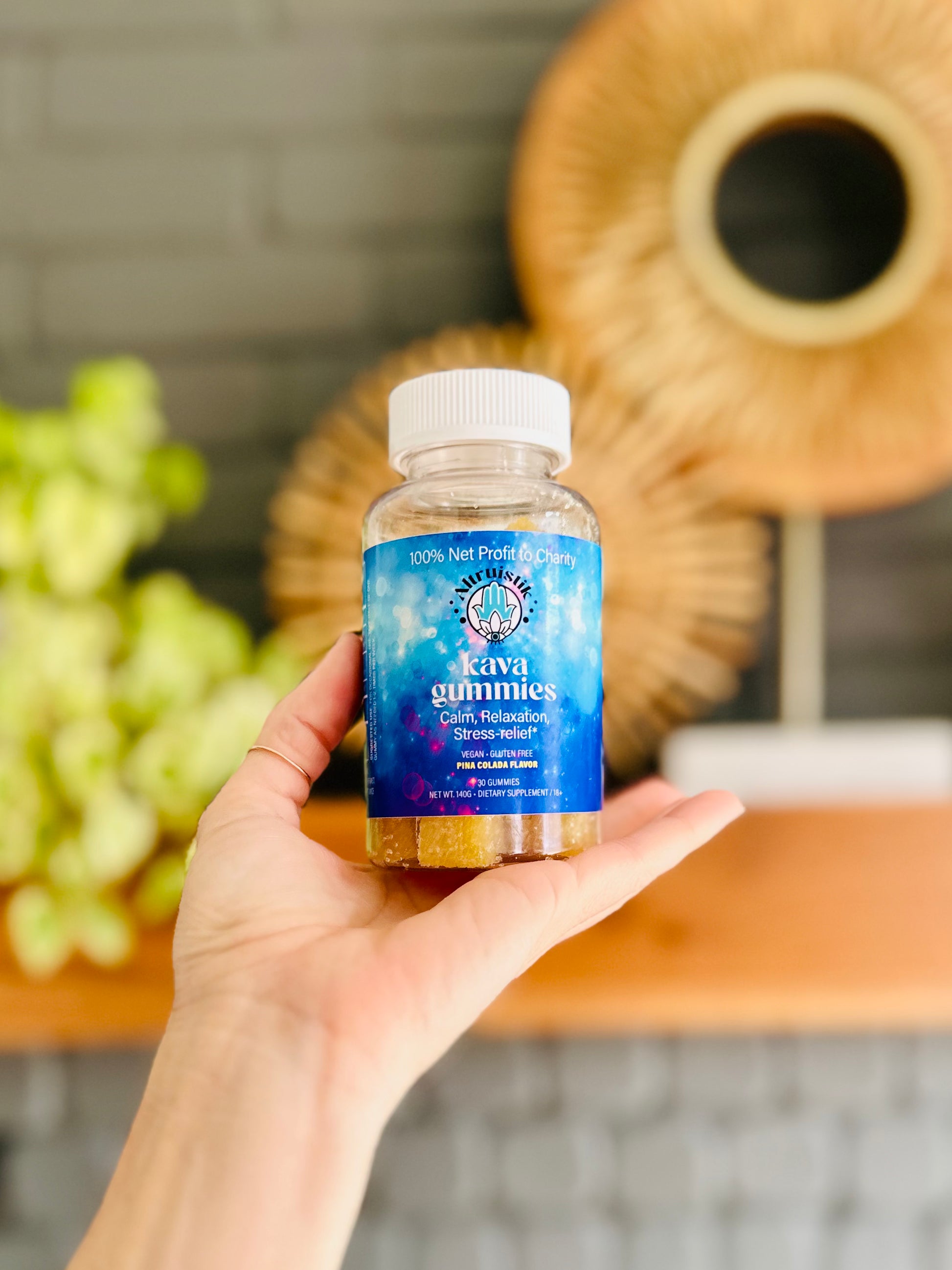
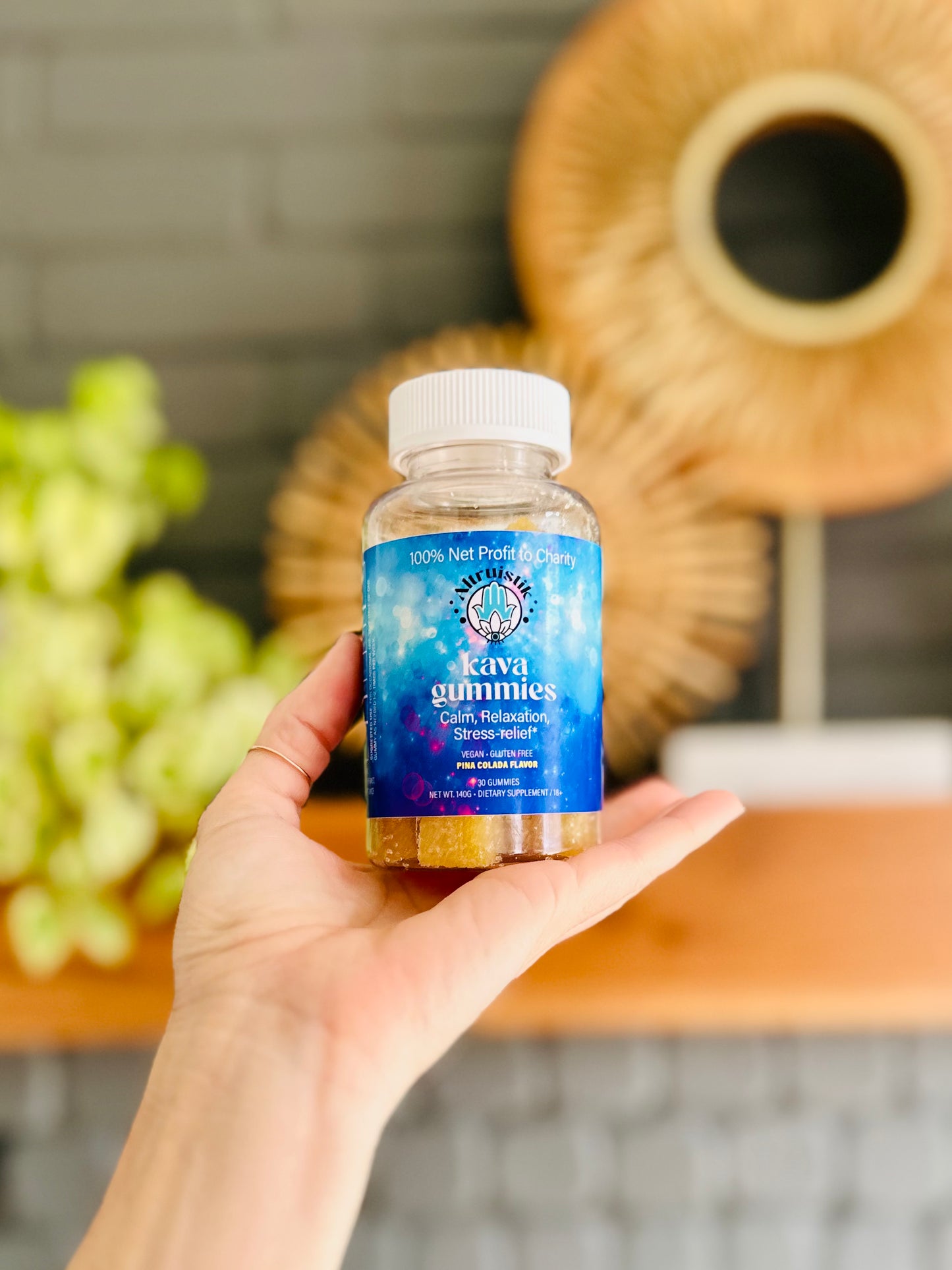
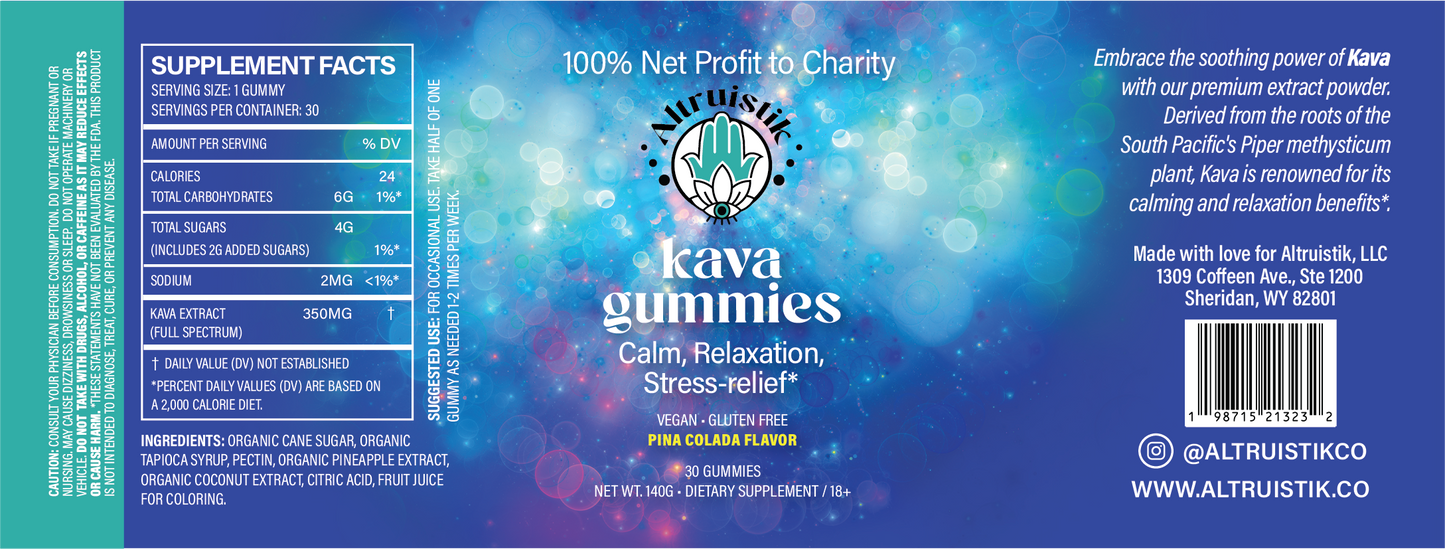
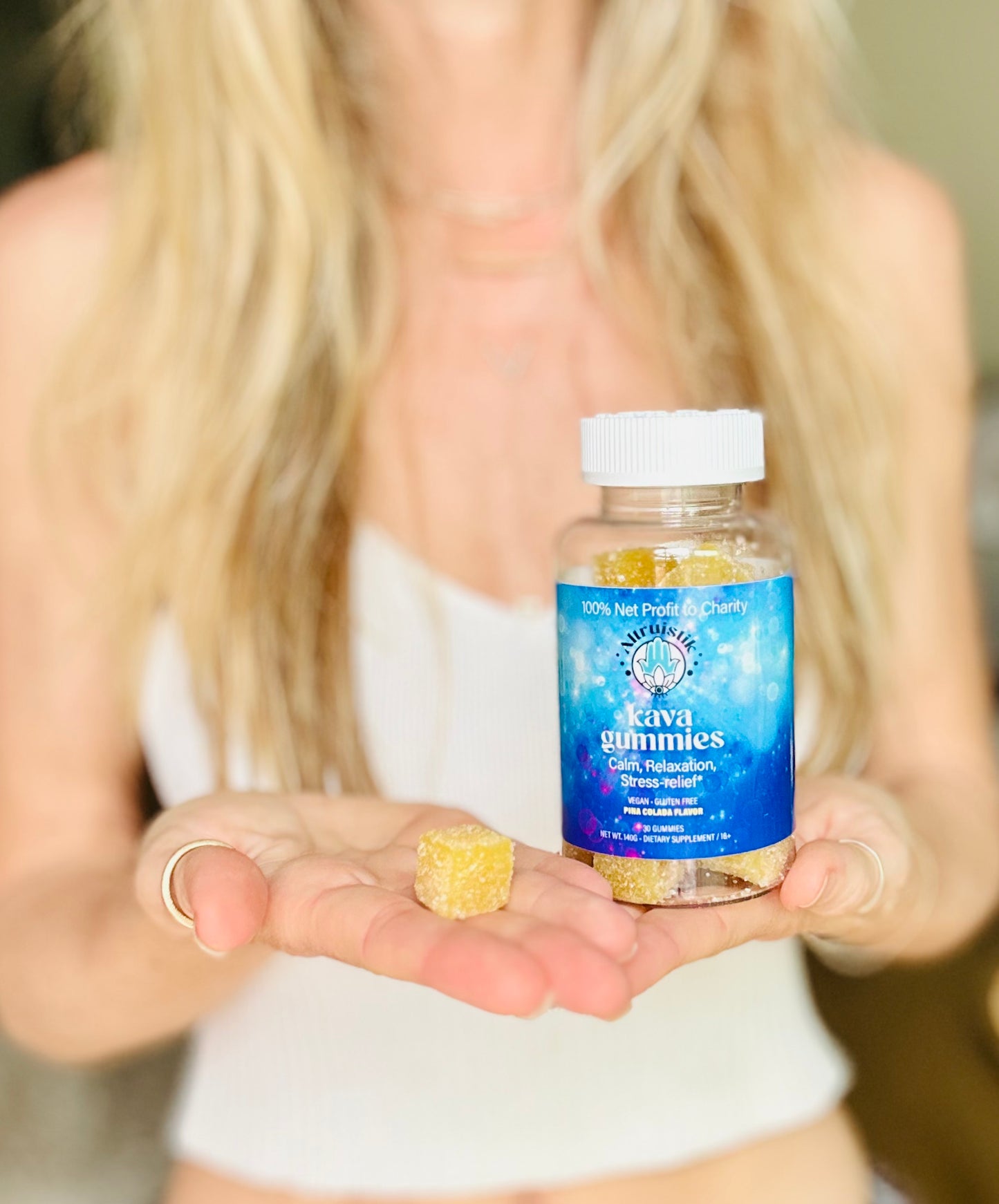
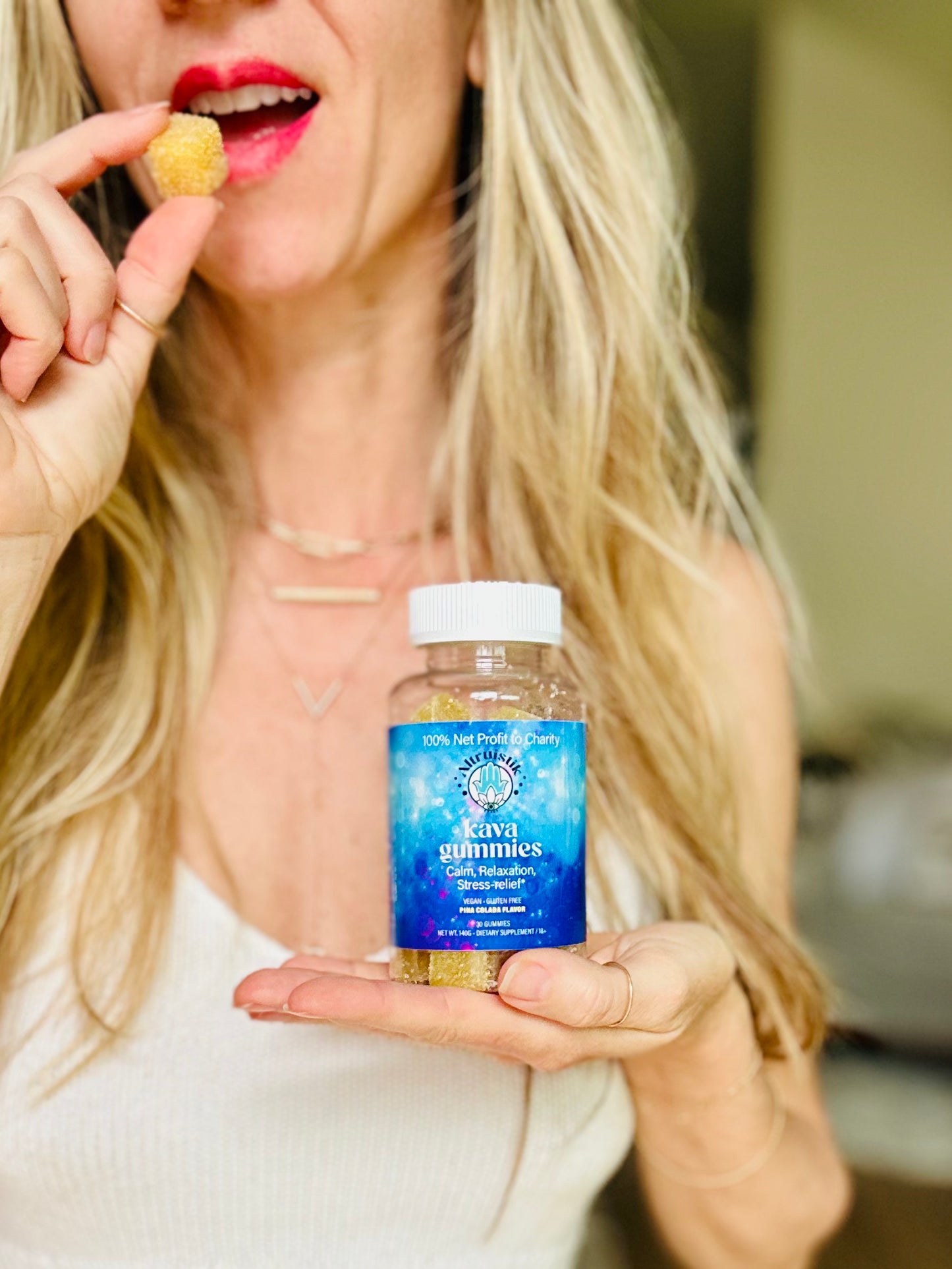
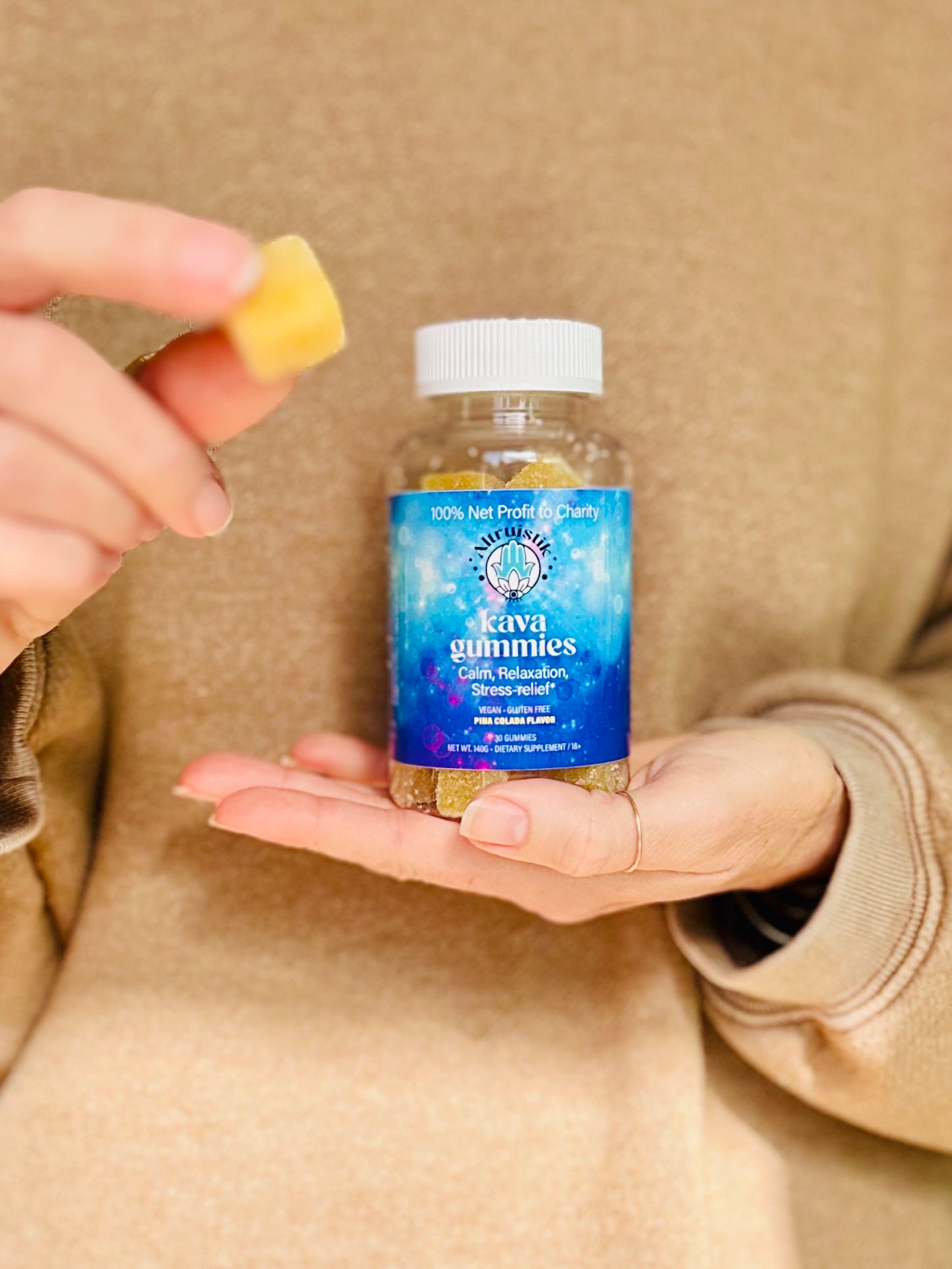
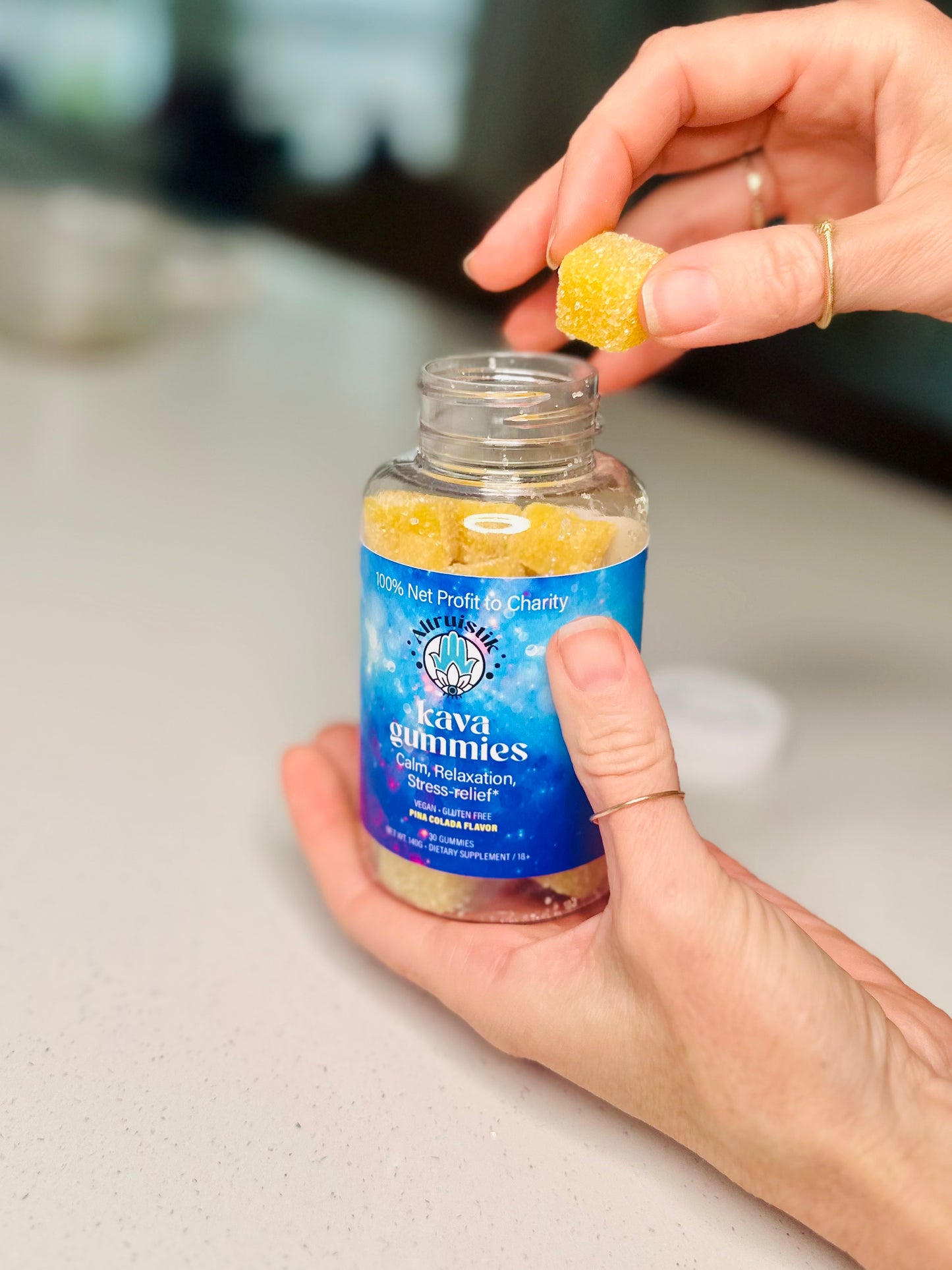
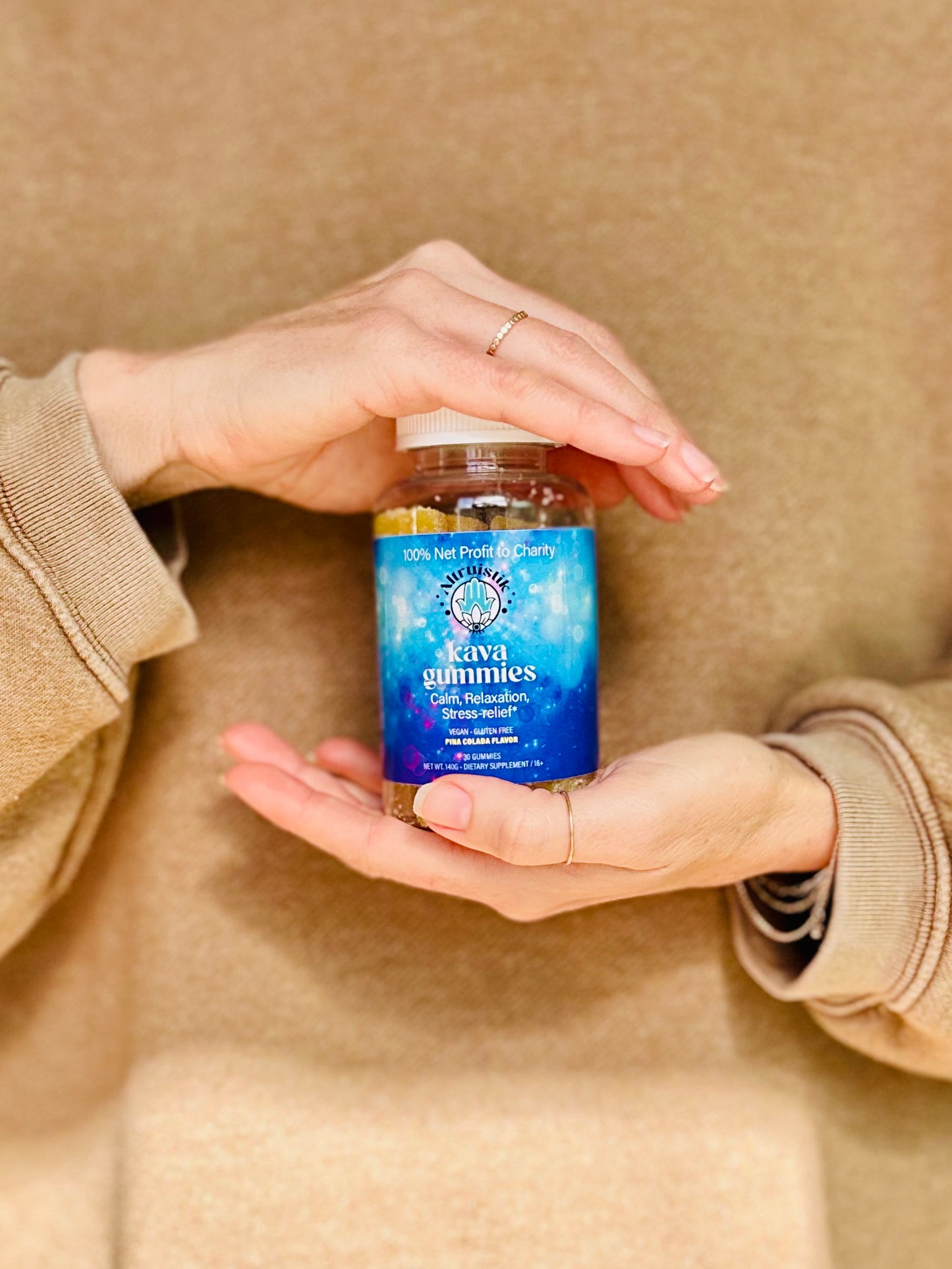
- Form Factor: High-quality Kava gummies, tinctures, or traditionally prepared Tawa powder are all effective, provided they are made from verified Noble root.

Ready to reclaim your nights from the anxious racing mind?
Kava offers a powerful, natural, and non-addictive solution to insomnia rooted in anxiety. By tapping the brain's natural "brake pedal" (GABA), it provides the profound calm needed to switch off and sink into deep, restorative sleep.
Stop fighting your thoughts and start sleeping soundly. Demand certified Noble Kava— Try our premium Kava gummies tonight and find the peace that guarantees restful sleep!