Long before supplements lined pharmacy shelves and wellness apps tracked our sleep, ancient civilizations had already discovered one of nature's most elegant remedies. Carved into the walls of Egyptian temples, floated on the waters of sacred pools, and woven into ceremonial rituals spanning thousands of years, this flower was considered a bridge between the earthly and the divine.
Today, that same botanical is making a quiet but powerful comeback in the modern wellness world. If you've been curious about herbal alternatives for stress, sleep, and mood, or are simply looking for something that actually has deep roots in human history, this guide is for you.
We're talking about blue lotus flowers: Nymphaea caerulea, the flower of enlightenment, and one of the most fascinating botanicals available to wellness seekers today.
A Brief History: From the Nile to Your Nightstand
To understand why blue lotus flowers have captured so much attention in recent years, it helps to understand where they came from.
In ancient Egypt, the blue lotus was everywhere. It appeared in hieroglyphics, in tomb paintings, in the headdresses of gods. Pharaohs used it in sacred ceremonies. Priests steeped it in wine or water and consumed it during rituals intended to induce states of heightened awareness, euphoria, and spiritual connection. It was not merely decorative; it was considered a tool for transcendence.
The flower also played a role in ancient Hindu, Mayan, and Buddhist traditions, each culture independently recognizing something profound in its properties. This cross-cultural reverence across thousands of years and multiple civilizations is not a coincidence. It is the kind of historical validation that no marketing campaign can manufacture.
After centuries of relative obscurity in the Western world, blue lotus is now being rediscovered, this time backed not only by tradition but by a growing body of modern inquiry into its active compounds and their effects on the human brain and body.
What Makes Blue Lotus Work? The Science Behind the Serenity
The calming and mood-enhancing effects of blue lotus are attributed primarily to two active alkaloids: nuciferine and aporphine.
Nuciferine is the more studied of the two. It has been shown to interact with dopamine receptors in the brain not by flooding the system with artificial stimulation, but by modulating the pathways through which dopamine functions. This is why users often describe the experience of blue lotus as feeling "dreamy" or "inspired" rather than wired or artificially elevated. It supports what might be called a natural flow state, a mental space of ease, creativity, and presence.
Aporphine, the second key compound, has mild interactions with serotonin receptors, contributing to feelings of calm and emotional balance. Together, these two alkaloids work synergistically to produce effects that are genuinely distinct from other herbal supplements on the market.
Unlike stimulants that push your brain into gear, or sedatives that simply switch it off, blue lotus works with your neurobiology, gently supporting the conditions for calm focus, emotional openness, and relaxation without the sluggishness that often follows synthetic options.
The Benefits: What People Actually Experience
Research into blue lotus is still developing, but centuries of traditional use combined with what we know about its active compounds paint a compelling picture. Here is what users consistently report:
Stress and anxiety relief: The nuciferine content appears to ease the nervous system's stress response, making daily stressors feel more manageable without dulling awareness.
Improved sleep quality: Many users find that incorporating blue lotus into their evening routine deepens sleep and supports more vivid, restful dreaming. The relaxation it induces is physical as well as mental.
Mood elevation: By engaging dopamine pathways, blue lotus promotes a positive, motivated emotional state. This is not the "numbed contentment" associated with purely serotonergic supplements; it is the kind of mood lift that makes you feel engaged and inspired.
Enhanced meditation and mindfulness: The flower's long association with spiritual practice has a practical basis. Its capacity to quiet mental chatter makes meditation feel more accessible and rewarding.
Antioxidant protection: Beyond mood and relaxation, the plant contains flavonoids and other compounds that provide antioxidant support, a benefit that often goes unmentioned but adds meaningful value to regular use.

How to Use Blue Lotus: From Traditional Tea to Modern Gummies
One of the most appealing things about blue lotus is its versatility. There are several effective ways to incorporate it into your wellness routine, depending on your lifestyle and preferences.
As a herbal tea
This is the most traditional method, and arguably the most ritualistic. Steep 1–2 grams of dried flowers in hot water (just under boiling, around 195°F) for 10–15 minutes. The resulting liquid takes on a pale, natural hue. Adding raw honey or a touch of mint can smooth out the earthy, mildly bitter flavor. Drinking it slowly, 30–60 minutes before you want to relax, allows the effects to build gently.
As a gummy supplement
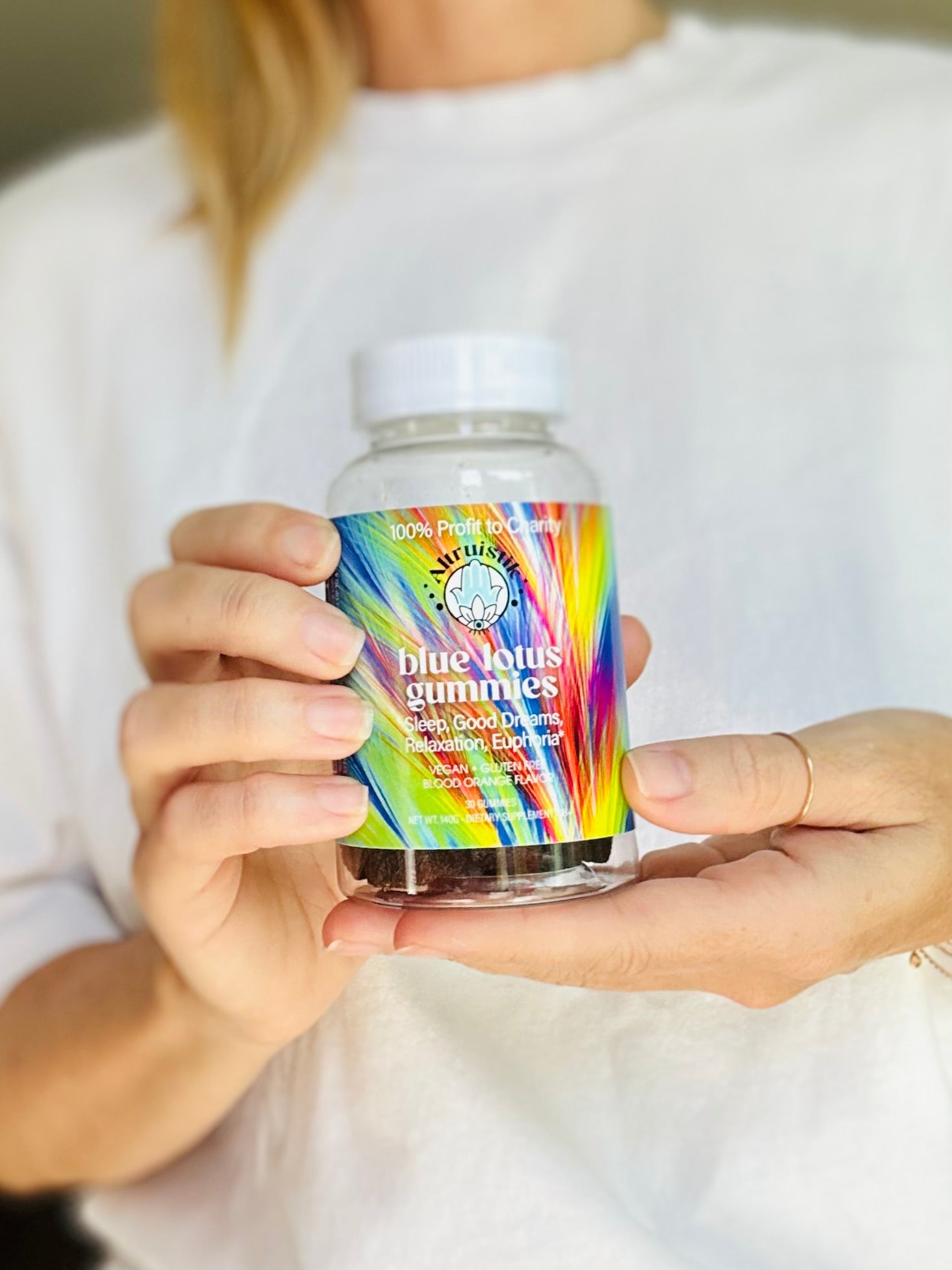
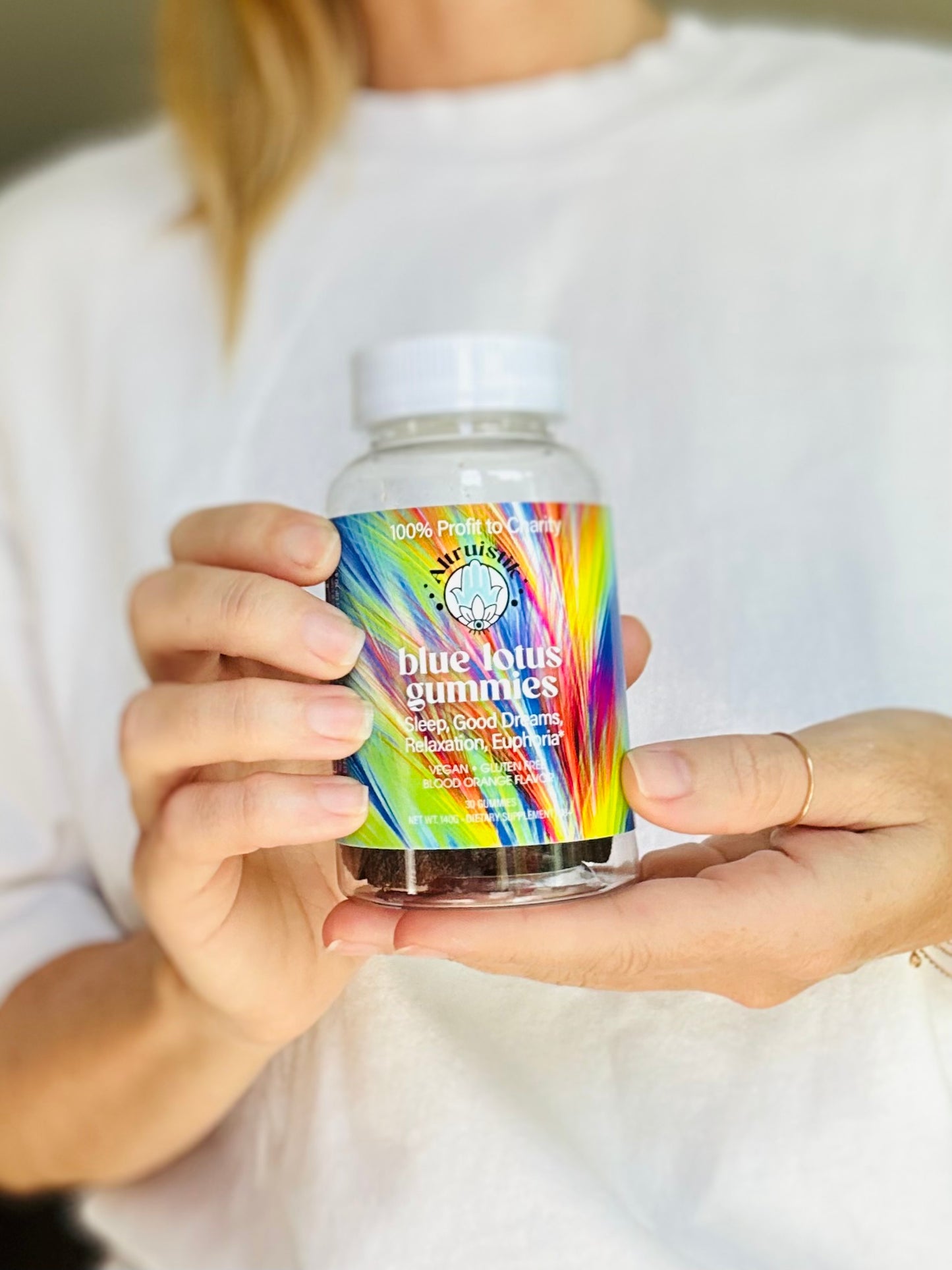
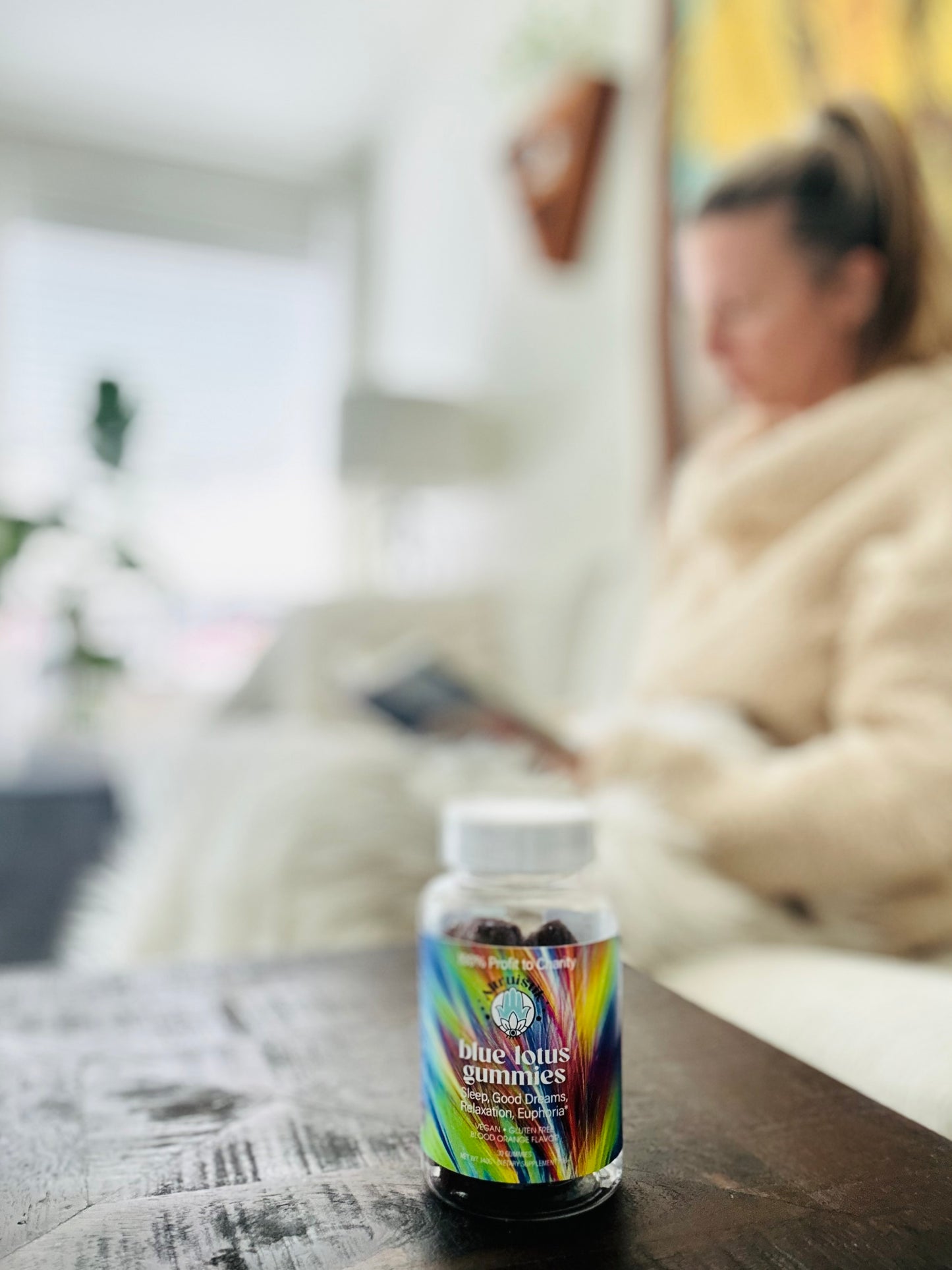
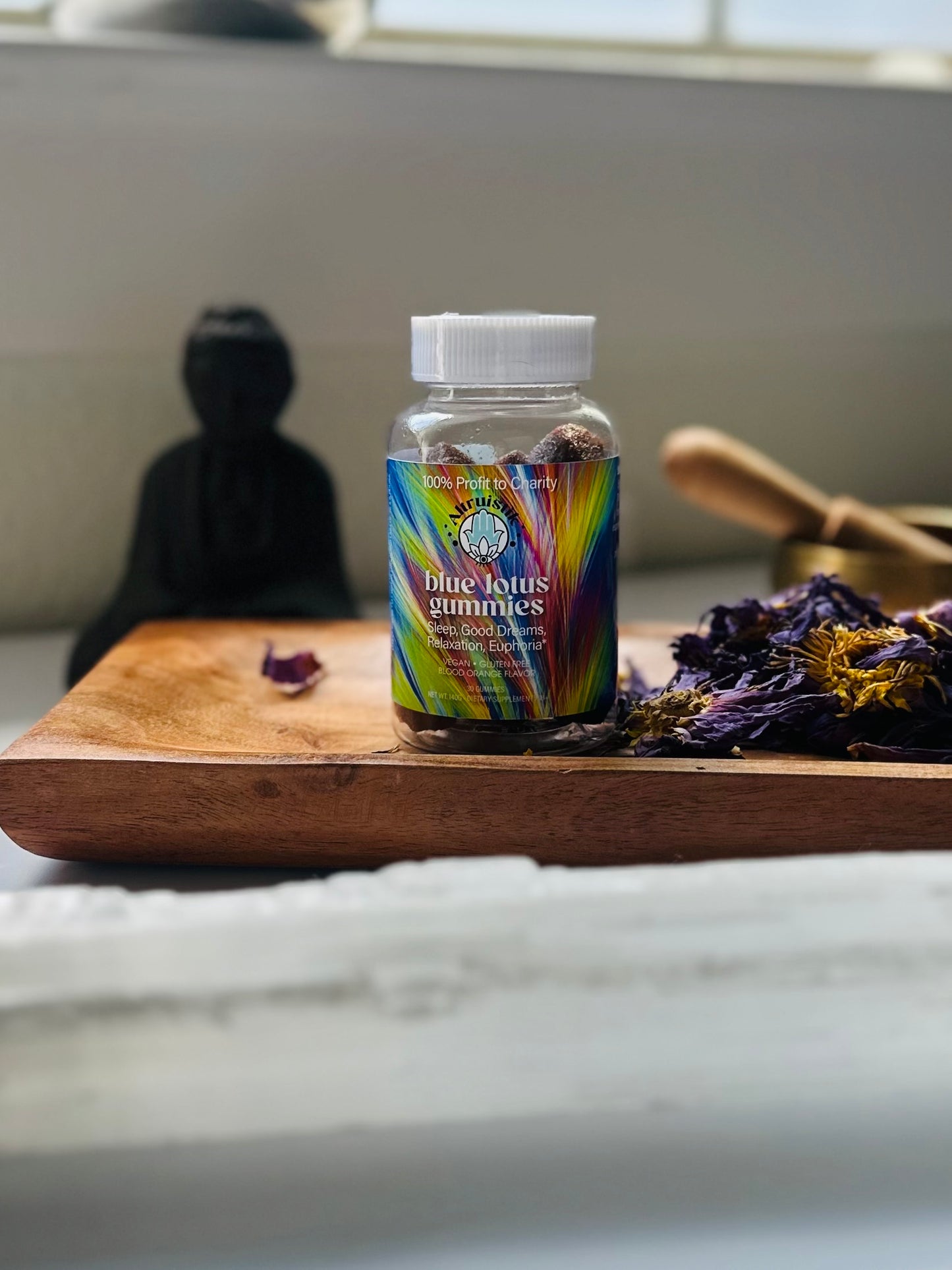
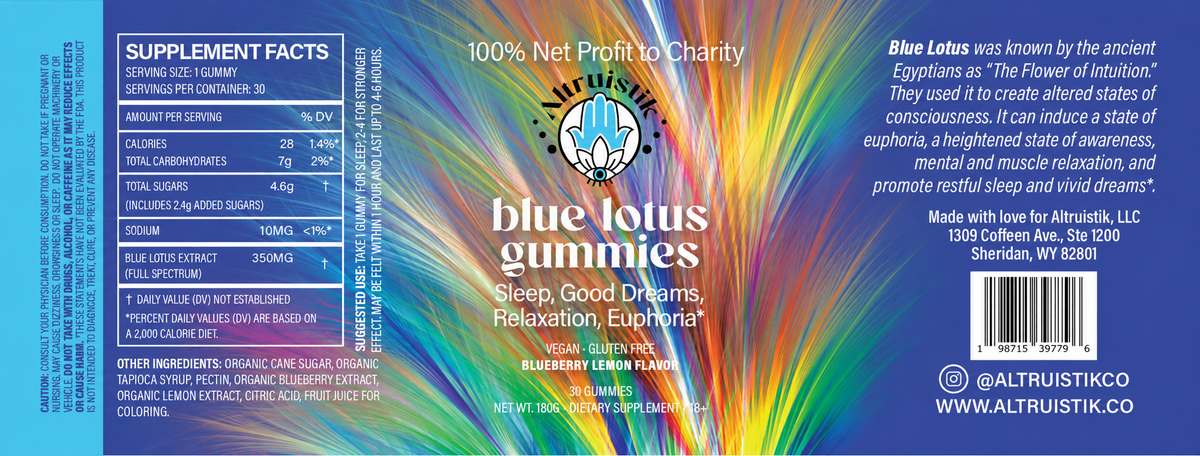
For those who prefer precision and convenience, Altruistik's 350mg Blue Lotus Gummies offer a standardized dose in a format that fits easily into daily life. Each gummy is crafted with organic ingredients and delivers a consistent experience ideal for evening use before bed or for unwinding after a demanding day.
As a culinary infusion
Dried flowers can be incorporated into honeys, oils, and tinctures for those who enjoy a more hands-on approach to herbal preparation.
Altruistik sources its blue lotus flowers from certified organic growers in Sri Lanka, ensuring each batch is free from pesticides and preservatives. The flowers are carefully selected and processed to preserve their natural alkaloid profile, meaning you get the full benefit of what the plant has to offer, not a degraded version of it.
Why Quality Matters More Than Price
The herbal supplement market is largely unregulated, which means quality varies enormously from one supplier to another. With blue lotus specifically, the potency and purity of what you purchase can make a significant difference in the experience you have.
Low-quality products may be adulterated, poorly stored, or harvested from plants that were not given the growing conditions needed to develop their alkaloid content. This is why sourcing matters as much as the botanical itself.
Altruistik has built its reputation on transparency and quality. Their blue lotus flowers are 100% organic, preservative-free, and sourced from trusted growers with a genuine commitment to sustainable harvesting. Customers receive what they pay for, and at Altruistik's prices, they receive considerably more than what most competitors charge for the same quality.
The brand also donates a portion of every sale to the Multidisciplinary Association for Psychedelic Studies (MAPS), connecting your purchase to meaningful research into plant-based healing, a value alignment that is rare in the supplement industry.
Who Should Consider Blue Lotus?
Blue lotus is a particularly good fit for people who:
Are dealing with chronic stress or anxiety and want a natural, non-pharmaceutical option to support their nervous system. Are curious about herbal wellness and want to start with something that has a genuine historical record. Struggle with sleep quality and are looking for an alternative to melatonin or over-the-counter sleep aids. Practice meditation, yoga, or other mindfulness traditions, and want botanical support for deeper states of presence. Are interested in dopamine-supportive wellness, particularly those who find purely serotonergic supplements like 5-HTP leave them feeling flat rather than uplifted.
It's worth noting that blue lotus is not appropriate for everyone. Those who are pregnant or nursing, on sedative medications, or managing serious medical conditions should consult a healthcare provider before use. As with all herbal supplements, responsible use and realistic expectations are part of the picture.

Final Thoughts: Ancient Wisdom, Modern Access
There is something quietly remarkable about a plant that was revered by pharaohs, depicted in sacred art across multiple civilizations, and is now available to anyone with an internet connection and a desire to feel better.
The growing popularity of blue lotus flowers in the modern wellness world is not a trend in the superficial sense; it is a rediscovery. A reconnection with plant wisdom that predates pharmaceutical medicine by thousands of years, now being understood through the lens of neuroscience and made accessible through brands that actually care about what they're selling.
Whether you brew it as a tea in the evening, take a gummy before bed, or simply want to explore what botanical wellness can offer, blue lotus deserves a place in your consideration.
Frequently Asked Questions
Q1: What does blue lotus actually feel like, and is it psychoactive?
Blue lotus produces gentle, subtle effects, not intoxication. Most users describe a quiet sense of calm, mild euphoria, reduced mental chatter, and a dreamlike ease. It is not a narcotic and does not cause heavy sedation or hallucinations. The experience is closer to a deep exhale than any kind of high. Because it interacts with dopamine and serotonin receptors, the effects are mood-supportive rather than mind-altering, making it well-suited for evening relaxation, meditation, or stress relief.
Q2: How long does it take to feel the effects of blue lotus tea?
Effects typically begin within 20 to 60 minutes after drinking the tea. The onset can vary depending on your individual metabolism, whether you've eaten recently, the potency of the flowers used, and how long you steeped them. Starting with a conservative dose of around 1 to 2 grams of dried flowers per cup is recommended for first-time users. Allow at least two hours before increasing the amount to give your system adequate time to respond.
Q3: Can blue lotus be used daily?
Many users incorporate blue lotus into their daily wellness routine without issue, particularly in tea or gummy form at low to moderate doses. Daily use is most commonly associated with sleep support, evening wind-down rituals, or ongoing stress management. That said, it's generally wise to listen to your body and take occasional breaks, as with any herbal supplement. People with pre-existing health conditions or those taking medications should consult a healthcare professional before using it regularly.
Q4: What is the difference between whole blue lotus flowers, petals, and extract?
Whole dried flowers contain the complete botanical profile of alkaloids, flavonoids, and aromatic compounds and are ideal for tea and ceremonial preparation. Petals and stamens are a more refined cut that steeps more easily and is convenient for regular tea use. Extracts, like those used in Altruistik's gummies, are concentrated and standardized, offering a precise, consistent dose without the preparation involved in brewing tea. Each format has its place, depending on your preference for ritual, convenience, or dosage precision.
Q5: Is Altruistik's blue lotus organic and third-party tested?
Altruistik's blue lotus is 100% certified organic, sourced from trusted growers in Sri Lanka, and free from pesticides and preservatives. The brand prioritizes quality and purity at every stage, from sourcing and processing to packaging. Customers regularly note the product's freshness, potency, and the generous value they receive relative to cost. Altruistik also operates with a clear commitment to transparency and responsible sourcing, which sets it apart from many competitors in the herbal supplement space.