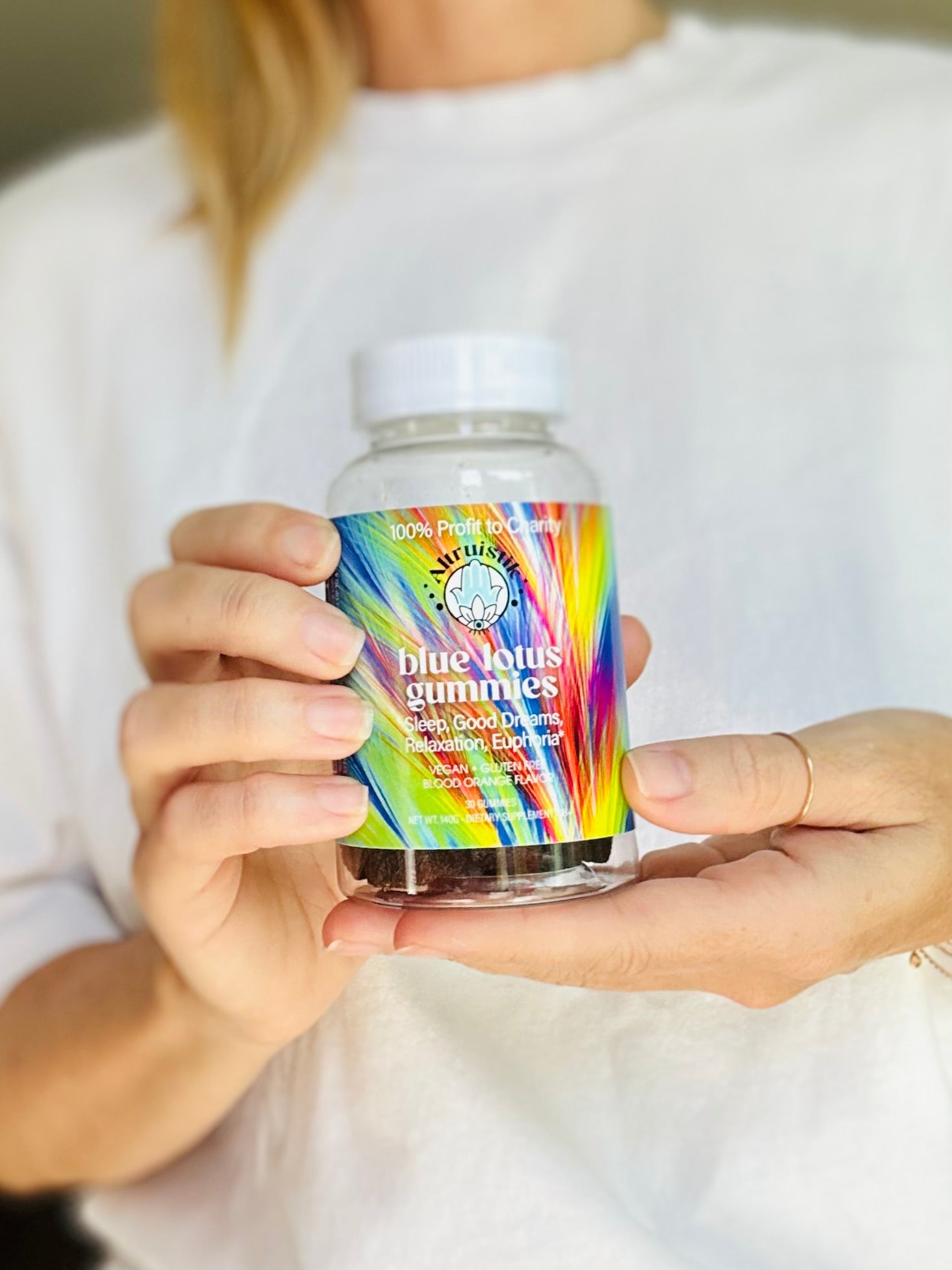
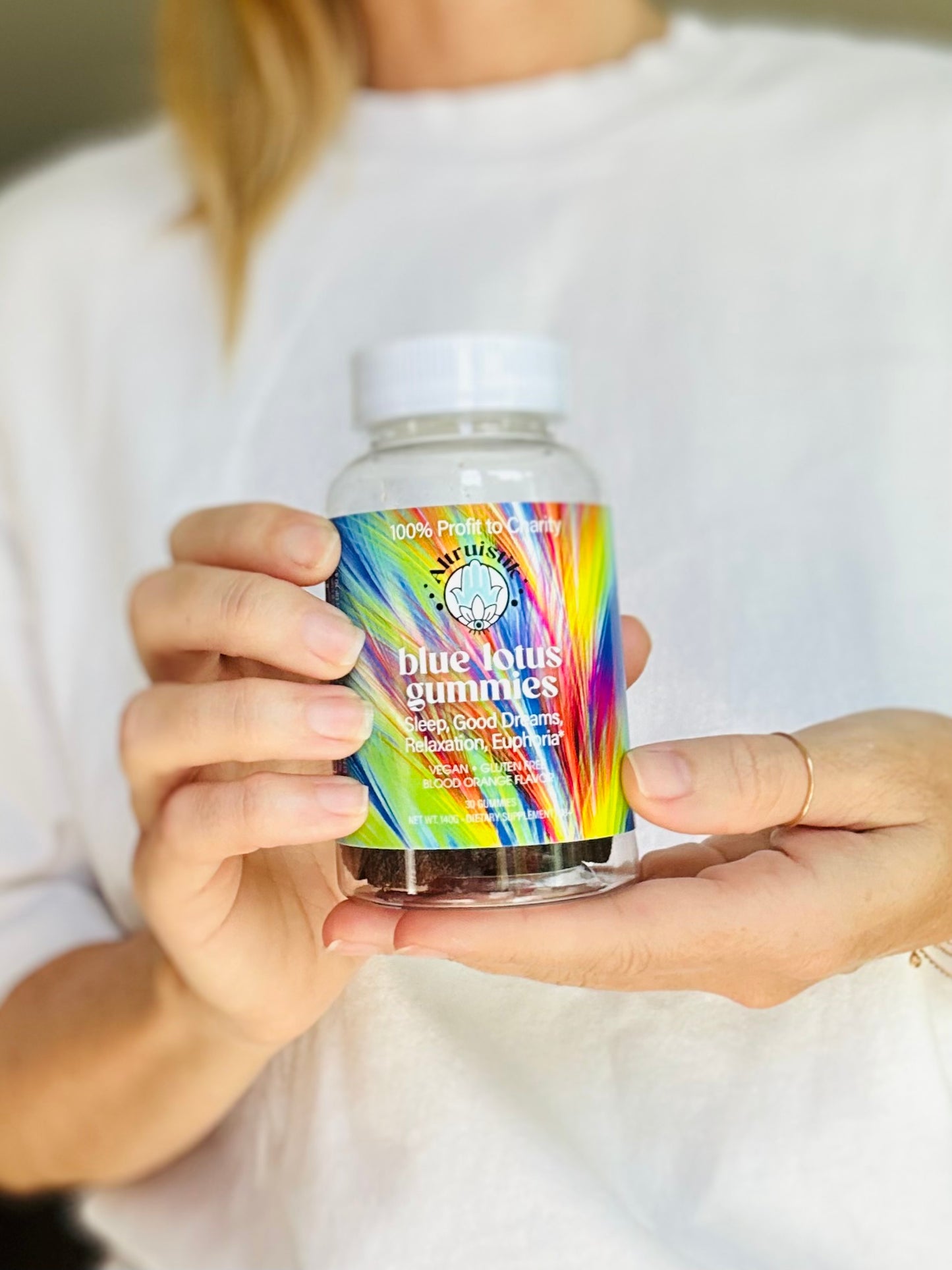
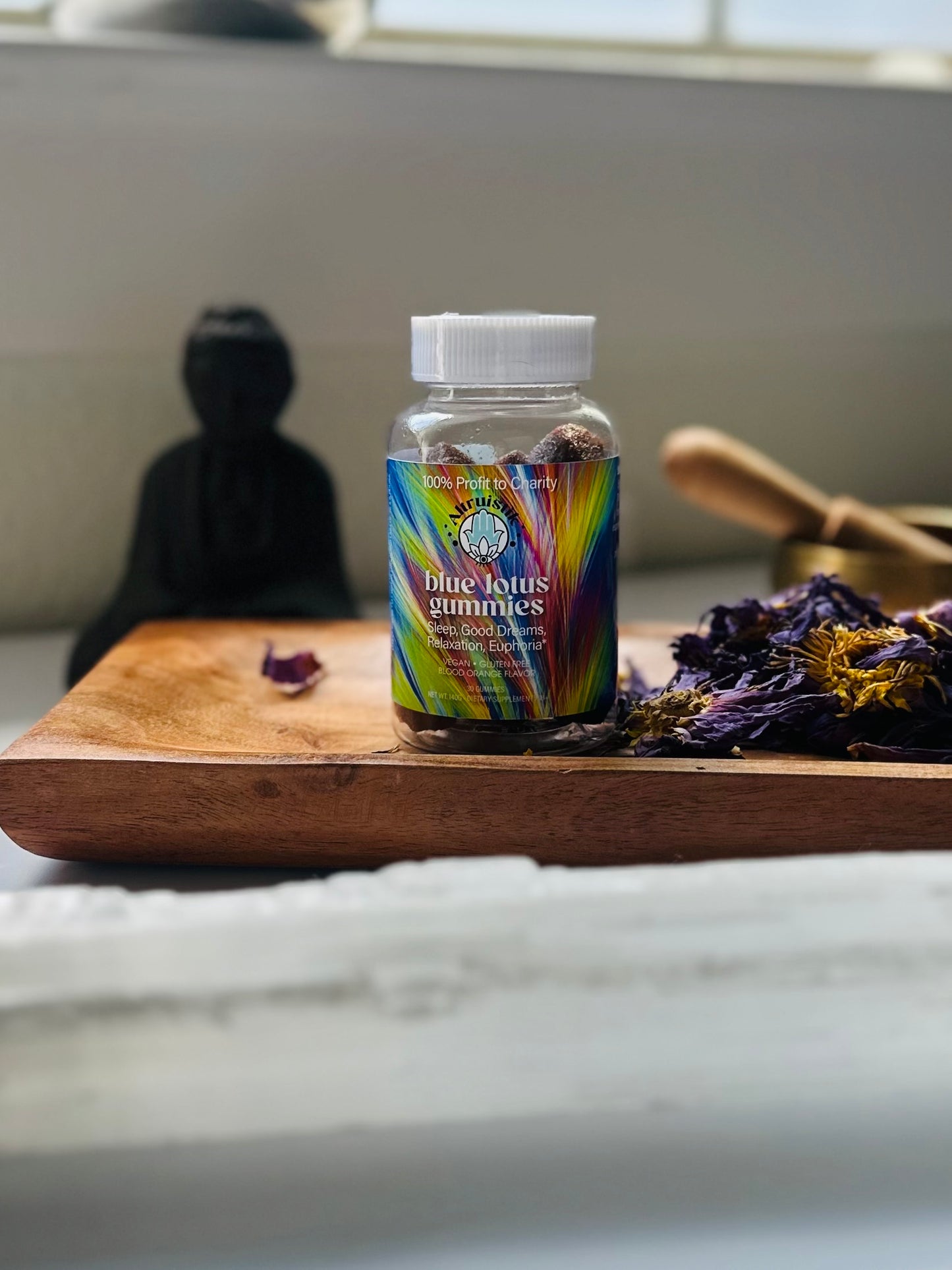
Featuring the calming benefits of White Lotus Tea
Modern life moves quickly. Work pressure, constant notifications, financial concerns, and limited personal time have made stress a daily experience for millions of people. While stress is a natural biological response designed to help us react to challenges, long term exposure can harm both mental and physical health.
Because of this, many people are searching for natural ways to restore calm and emotional balance. One method gaining renewed attention is the use of herbal teas. These botanical infusions have been part of human wellness traditions for centuries, and today they are returning as simple yet powerful tools for managing stress.
Among the many options available, White Lotus Tea is becoming especially popular among people seeking gentle relaxation, mindfulness, and emotional clarity.
Why Stress Has Become a Modern Health Concern
Stress used to be short term and survival based. Historically, it helped humans react to danger or physical threats. Today, however, stress is often psychological and constant. Deadlines, digital overload, lack of sleep, and information fatigue keep the nervous system in a prolonged state of alertness.
This chronic stress can lead to headaches, poor digestion, weakened immunity, anxiety, and burnout. Unlike physical threats that pass quickly, modern stress tends to accumulate quietly over time.
This shift in lifestyle is one reason why people are turning toward slower, more intentional wellness practices such as herbal tea rituals.
How Herbal Teas Support Stress Relief

Herbal teas help manage stress through several overlapping effects that influence both body and mind.
Natural Botanical Properties
Many herbs contain compounds that support relaxation and emotional balance. These plant based elements work gently with the nervous system rather than forcing dramatic chemical shifts.
Sensory Relaxation
Warm beverages send calming signals to the brain. The heat relaxes muscles, the aroma stimulates the senses, and the act of sipping slowly encourages deep breathing. Together, these signals tell the body that it is safe to relax.
Ritual and Mindfulness
Preparing tea creates a structured pause in the day. Waiting for water to heat, watching herbs infuse, and sitting quietly with a cup slows the mind. This ritual aspect is often as important as the tea itself.
This is why certain floral teas, including White Lotus Tea, are becoming associated with mindfulness and intentional living.
The Cultural Roots of Herbal Tea for Emotional Balance
Across many cultures, herbal teas were historically used not only for physical health but also for emotional harmony. Flowers, leaves, and roots were chosen based on their energetic qualities as much as their medicinal value.
The lotus flower in particular has long been linked to purity, calmness, and clarity. In several traditions, it symbolizes rising above chaos while remaining peaceful and centered. This symbolism continues to resonate today, especially among people seeking calm in fast paced environments.
White Lotus Tea reflects this heritage. Its gentle floral profile and visual elegance make it more than just a beverage. It becomes part of a calming experience.
Why Floral Herbal Teas Are Rising in Popularity
The wellness movement has shifted toward natural and sensory experiences rather than synthetic solutions. Floral teas fit this trend perfectly.
There are several reasons for their growing appeal:
People are reducing caffeine consumption
Natural sleep and relaxation solutions are in demand
Daily self care rituals are becoming more common
Mindful aesthetics influence lifestyle choices
Floral teas combine beauty, taste, and relaxation. White Lotus Tea stands out because it carries both symbolic meaning and a calming sensory experience.
The Unique Qualities of White Lotus Tea
White Lotus Tea offers a delicate infusion with a soft floral taste and subtle aroma. Many drinkers find it soothing without being heavy or sedating. This makes it suitable for evenings, quiet moments, or meditation practices.
Beyond flavor, the flower itself carries strong symbolic meaning. The lotus grows in muddy water yet blooms in pristine beauty. This image represents emotional resilience and inner calm. Drinking White Lotus Tea can feel like a reminder to pause and regain clarity.
For those seeking carefully sourced lotus flowers for tea rituals, many wellness enthusiasts explore botanical offerings from Altruistik, known for focusing on mindful and natural tea experiences.
The Psychology of Tea Rituals
Stress relief is not only about substances we consume. It also depends on behaviors and habits.
Tea rituals support emotional wellbeing in several ways.
They Slow Time
Making tea forces a break from constant activity. This interruption alone can lower stress levels.
They Encourage Presence
Watching flowers open in hot water or noticing the aroma draws attention to the present moment. This reduces anxious thought loops.
They Build Emotional Associations
When repeated daily, tea time becomes linked with relaxation. Over time, simply preparing tea can trigger a calming response.
White Lotus Tea is particularly suited for rituals because its visual transformation during brewing reinforces the feeling of peaceful unfolding.
Practical Ways to Use White Lotus Tea for Stress Management

Consistency is essential when using herbal teas for emotional balance. Incorporating them into routine moments makes them more effective.
Here are some practical ideas.
Evening Transition Ritual
Drinking White Lotus Tea after dinner signals the body that the day is ending. Pairing it with reading or gentle music can deepen relaxation.
Midday Reset
A short tea break during work hours can interrupt stress cycles and restore focus.
Meditation Preparation
The soft aroma and warmth of the tea can help prepare the mind for breathing exercises or mindfulness sessions.
Screen Free Moment
Enjoying tea without digital distractions gives the brain a rare chance to rest.
Many people building intentional self care routines choose botanical teas from brands like Altruistik because they align with mindful lifestyle choices and natural sourcing principles.
Herbal Teas Compared with Modern Stress Solutions
Many stress relief products promise instant results, but not all support long term wellbeing. Some rely on stimulants while others may create dependency or disrupt sleep cycles.
Herbal teas offer a different approach. They support the body gently rather than forcing rapid changes. They also encourage behaviors that improve emotional resilience over time.
White Lotus Tea fits this philosophy well. Instead of masking stress, it creates a space to pause, breathe, and regain mental clarity.
The Future of Stress Management
Mental wellness is becoming a central part of modern health discussions. More people are realizing that prevention is more effective than recovery after burnout.
Simple daily habits are proving powerful. Drinking herbal tea, practicing mindfulness, and creating quiet moments throughout the day can help maintain emotional balance before stress becomes overwhelming.
Botanical teas are likely to remain important in this shift because they are accessible, affordable, and deeply rooted in human tradition.
White Lotus Tea represents this blend of history and modern wellness. It offers calm without complexity and ritual without effort.
Final Thoughts
Stress may be a permanent feature of modern life, but our response to it can change. Small rituals often have the greatest impact. Preparing tea, stepping away from noise, and allowing the mind to settle can restore balance in meaningful ways.
Herbal teas offer more than hydration. They create pauses, encourage mindfulness, and reconnect us with natural rhythms. Among them, White Lotus Tea stands out for its calming presence, cultural symbolism, and suitability for daily rituals.
By integrating simple practices like tea preparation into everyday routines, we create moments of stillness that support both mental clarity and emotional wellbeing. Over time, those moments accumulate, helping us move through life with greater calm and resilience.