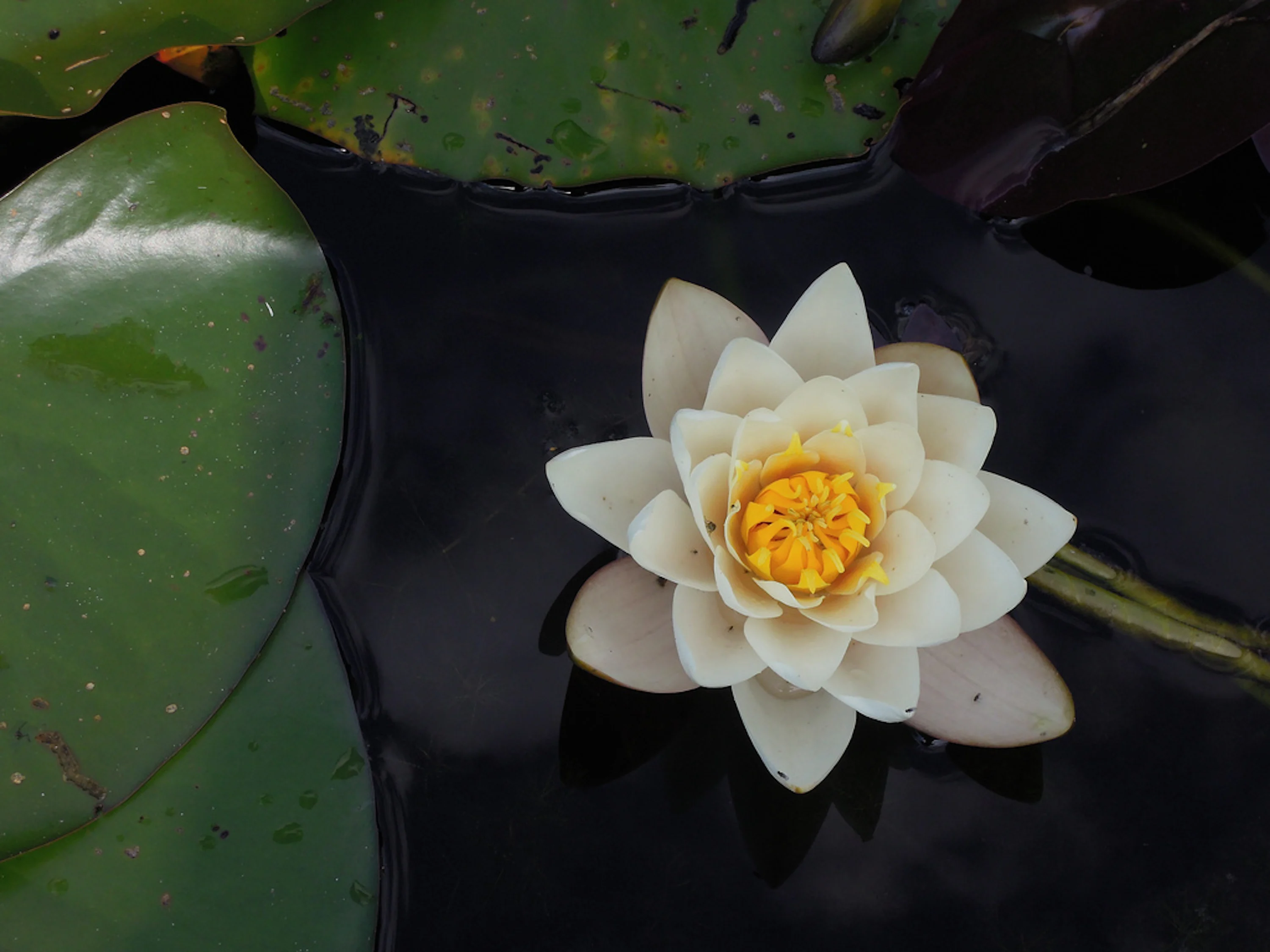
For thousands of years, white lotus flowers have been revered across cultures as symbols of purity, spiritual awakening, and natural healing. From the sacred temples of ancient Egypt to the serene waterways of Southeast Asia, this extraordinary bloom has quietly shaped humanity's relationship with wellness. Today, as more people look to botanical remedies to support a calmer, more balanced life, white lotus flowers are reclaiming their place at the center of the herbal wellness conversation.
At Altruistik, we believe that nature holds timeless answers to modern challenges. Whether you are navigating daily stress, struggling with restless nights, or simply seeking a more grounded sense of being, understanding the story and science behind white lotus flowers can open a door to a more intentional wellness routine.
The Rich History of White Lotus Flowers
White lotus flowers are not a recent discovery. Ancient Egyptians considered them sacred plants connected to the sun, rebirth, and the divine cycle of life. They were depicted in temple carvings, used in ceremonial rituals, and consumed as a calming botanical tea during meditation and spiritual ceremonies. In Hindu and Buddhist traditions, the lotus in full bloom represents the soul rising above suffering rooted in mud yet reaching toward light.
The dual nature of white lotus flowers growing in murky waters while blooming immaculately above the surface made them a profound spiritual metaphor. But beyond symbolism, these blossoms carried practical value. Ancient healers brewed them into tonics, steeped them in wine, and applied them in poultices. The botanical wisdom embedded in traditional practices was not accidental; it was earned through centuries of careful, lived experience with the plant.
Today, modern herbal enthusiasts are rediscovering what ancient cultures already knew: that white lotus flowers offer a gentle, natural pathway to relaxation and mental clarity.
What Makes White Lotus Flowers Unique?
The wellness appeal of white lotus flowers comes from their naturally occurring plant compounds, including nuciferine and aporphine alkaloids. These compounds are believed to interact with the body's receptors in ways that may promote a calm, relaxed state of mind. Unlike synthetic relaxants or pharmaceutical sleep aids, white lotus flowers work gently and holistically, supporting the nervous system rather than overriding it.
People who incorporate white lotus flowers into their routine often report:
-
A noticeable easing of mental tension after a demanding day
-
A smoother transition into rest and sleep in the evening hours
-
A mild uplift in mood that feels natural rather than forced
-
A greater sense of presence and mindfulness during daily activities
These effects are generally described as subtle and restorative rather than sedating, making white lotus flowers a popular choice for those who want to decompress without feeling heavy or foggy the next morning.

How to Use White Lotus Flowers in Your Daily Ritual
One of the most approachable ways to experience the benefits of white lotus flowers is through herbal tea. Steeping dried white lotus flowers in hot water for five to ten minutes releases their natural plant compounds into a warm, lightly fragrant infusion. Many people enjoy this ritual in the evening as a mindful wind-down practice, a deliberate pause before the noise of the day gives way to the stillness of night.
You can also combine white lotus flowers with other complementary botanicals. Pairing them with chamomile, passionflower, or lavender creates a soothing herbal blend that layers multiple calming effects. Some people add a touch of raw honey or oat milk to their lotus tea for a more nourishing, full-bodied experience.
Beyond tea, white lotus flowers can be used in aromatherapy-style skin preparations, bath soaks, and infused oils, as some of our customers have creatively explored. The possibilities reflect the versatility of this ancient botanical.
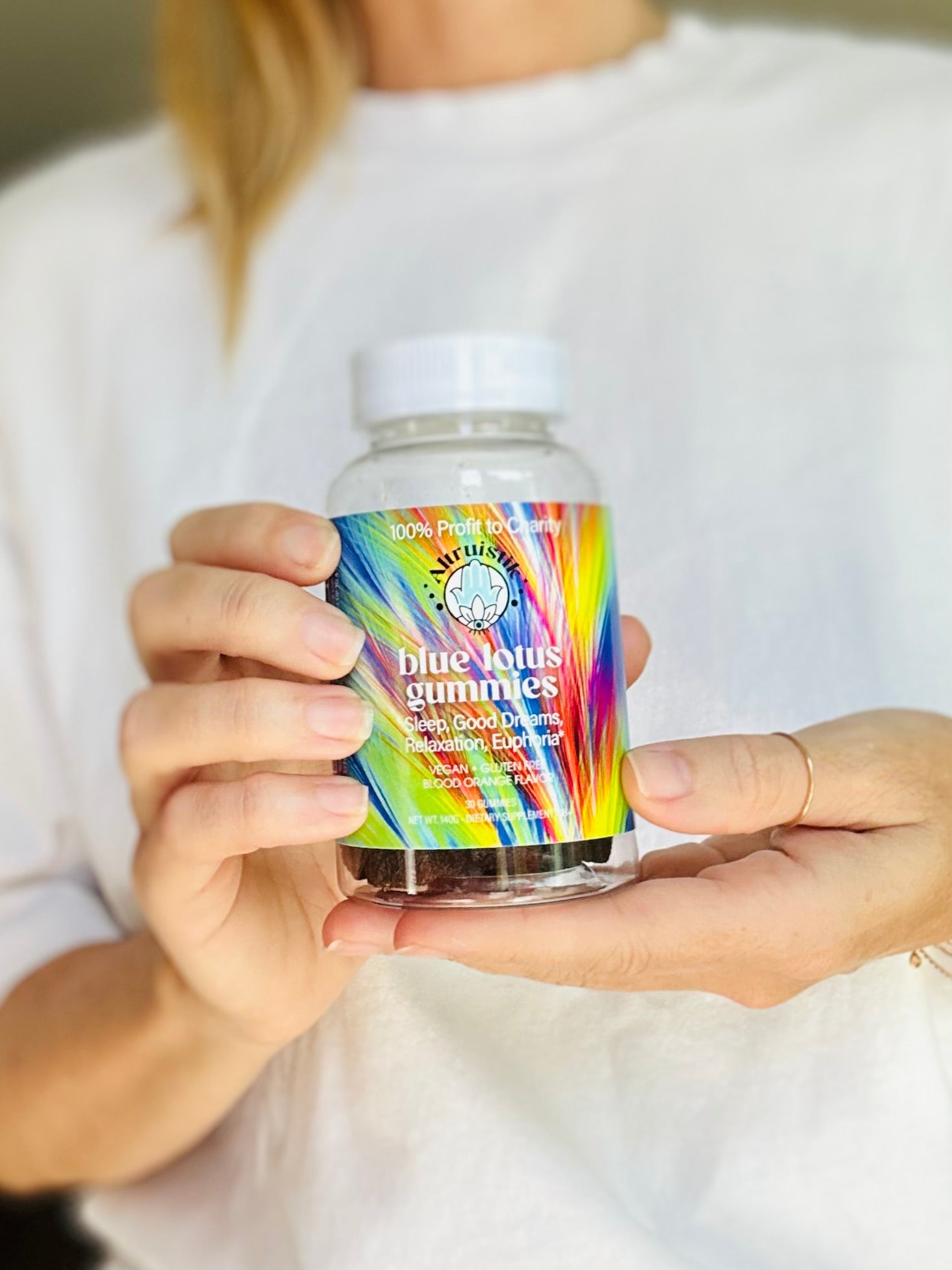
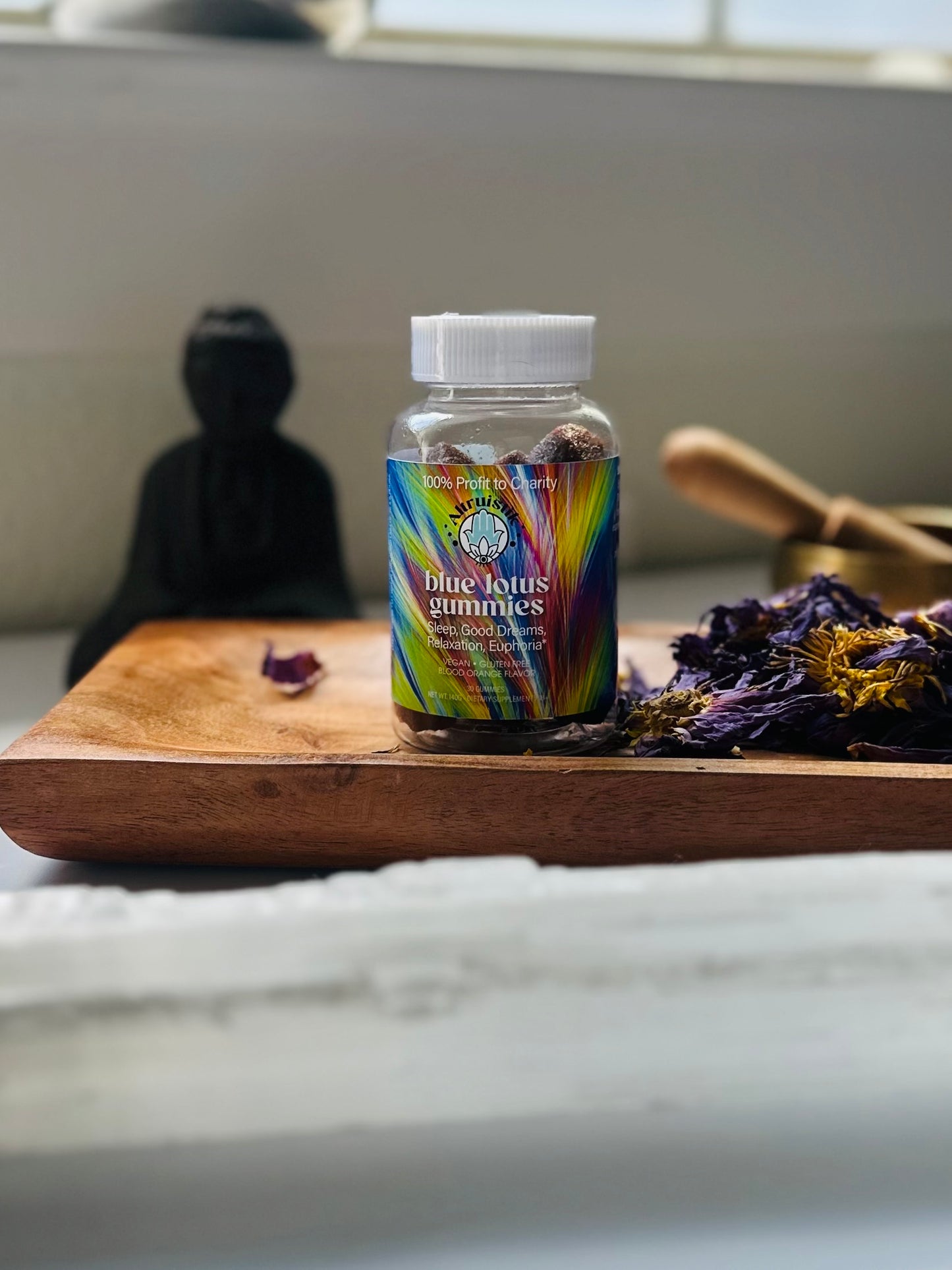
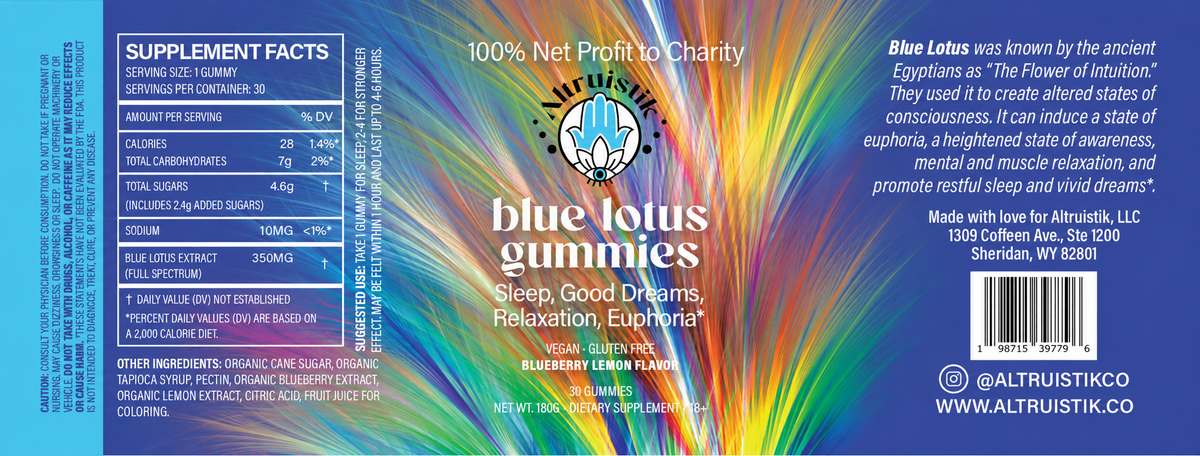
For those who prefer a more convenient format, Altruistik also offers botanically inspired gummy products rooted in a similar philosophy of herbal wellness, providing a simple, enjoyable path to the calming benefits that nature offers.
White Lotus Flowers and the Modern Wellness Movement
There is something meaningful happening in the broader wellness world right now. People are increasingly skeptical of one-size-fits-all pharmaceutical solutions and are turning instead toward plant-based, holistic approaches that align with the body's natural rhythms. White lotus flowers sit beautifully within this movement.
The growing interest in botanical herbs from kava and kanna to blue lotus and now white lotus flowers reflects a collective desire to reconnect with ancient wisdom. These are not fads. They are rediscoveries. Modern research is beginning to catch up with what traditional healers understood intuitively, and the results are encouraging a wider conversation about the role of botanical wellness in everyday life.
At Altruistik, every product and every ingredient we explore is part of that larger mission: to make premium, purposeful herbal wellness accessible to everyone, and to do so with the kind of transparency and integrity that builds real trust. Our commitment to donating a portion of profits to the Multidisciplinary Association for Psychedelic Studies reflects our belief that healing at every level deserves support and advocacy.
Sourcing and Quality: What to Look For
Not all white lotus flowers are created equal. Quality matters enormously when it comes to botanical herbs. When choosing white lotus flowers for personal use, look for products that are organically grown, free from pesticides, and sourced transparently. Dried white lotus flowers should appear whole and vibrant, not crushed or discolored, and the scent should be light and naturally floral rather than musty or artificial.
At Altruistik, quality and freshness are non-negotiable. Our customers consistently note that our organic blue lotus flowers, a close botanical relative, arrive looking whole and beautiful, with a natural scent and clear signs of freshness. We apply that same standard of care to everything we offer.
When you invest in premium white lotus flowers, you are not just buying a product. You are building a ritual, a practice, and a relationship with a botanical that has supported human wellbeing for millennia.
Frequently Asked Questions About White Lotus Flowers
Q1: Are white lotus flowers safe to consume as an herbal tea?
For most healthy adults, white lotus flowers prepared as an herbal tea are generally considered safe when consumed in moderate amounts. Like any botanical herb, they should be approached with a degree of mindfulness. If you are pregnant, nursing, taking prescription medications, or managing a diagnosed health condition, it is always best to consult with a qualified healthcare provider before adding any new herbal product to your routine. White lotus flowers are not intended to diagnose, treat, cure, or prevent any disease.
Q2: What is the difference between white lotus flowers and blue lotus flowers?
White lotus flowers (Nymphaea lotus) and blue lotus flowers (Nymphaea caerulea) are closely related species that share a botanical family and many overlapping wellness associations. Both have deep roots in ancient Egyptian and Asian traditions, and both are valued for their calming, mood-supportive properties. Blue lotus flowers have been more extensively studied in modern herbal literature and are often praised for their nuciferine content and gentle relaxing effects. White lotus flowers carry a similar profile and cultural heritage, though each bloom brings its own subtle character to an herbal practice. Many enthusiasts enjoy exploring both as part of a thoughtful botanical wellness routine.
Q3: How often should I use white lotus flowers, and what is a good starting amount for tea?
For those new to white lotus flowers, starting with a small amount, roughly one to two grams of dried flowers per cup of hot water, is a sensible place to begin. Steep for five to ten minutes, strain, and enjoy slowly. Many people find that a single cup in the evening, three to five times per week, fits naturally into a wind-down ritual without overwhelming the senses. Over time, you can adjust based on how your body responds. The goal is always a gentle, supportive experience, not intensity.
Final Thoughts
White lotus flowers are more than a beautiful botanical. They are a living bridge between ancient healing traditions and the modern search for calm, clarity, and connection. In a world that rarely slows down, the simple ritual of steeping white lotus flowers into a warm cup of tea can become a meaningful act of self-care, a quiet moment that belongs entirely to you.
At Altruistik, we are honored to be part of your wellness journey. Explore our range of premium herbal products at altruistik.co and discover the calming power of nature, one intentional ritual at a time.