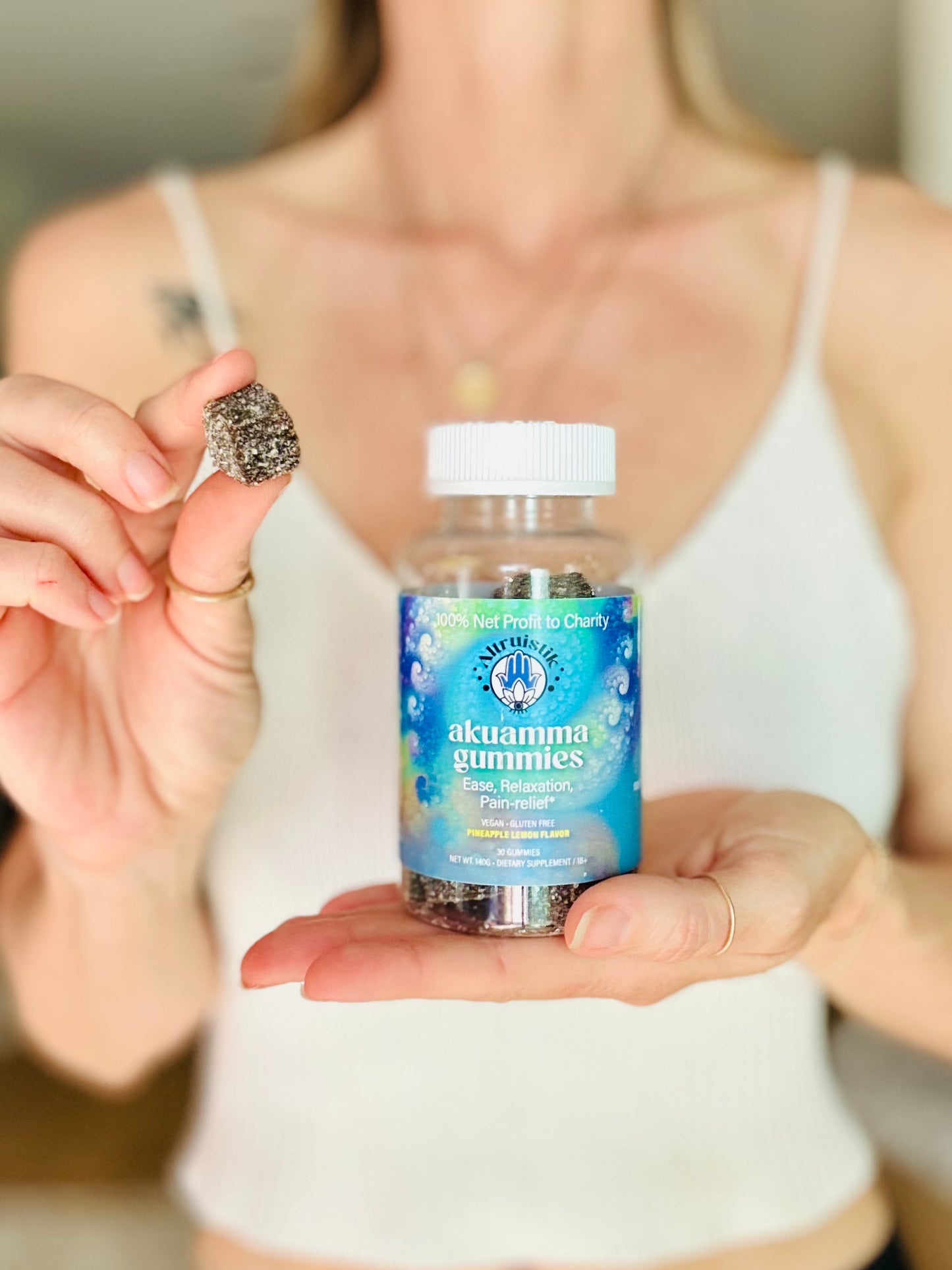
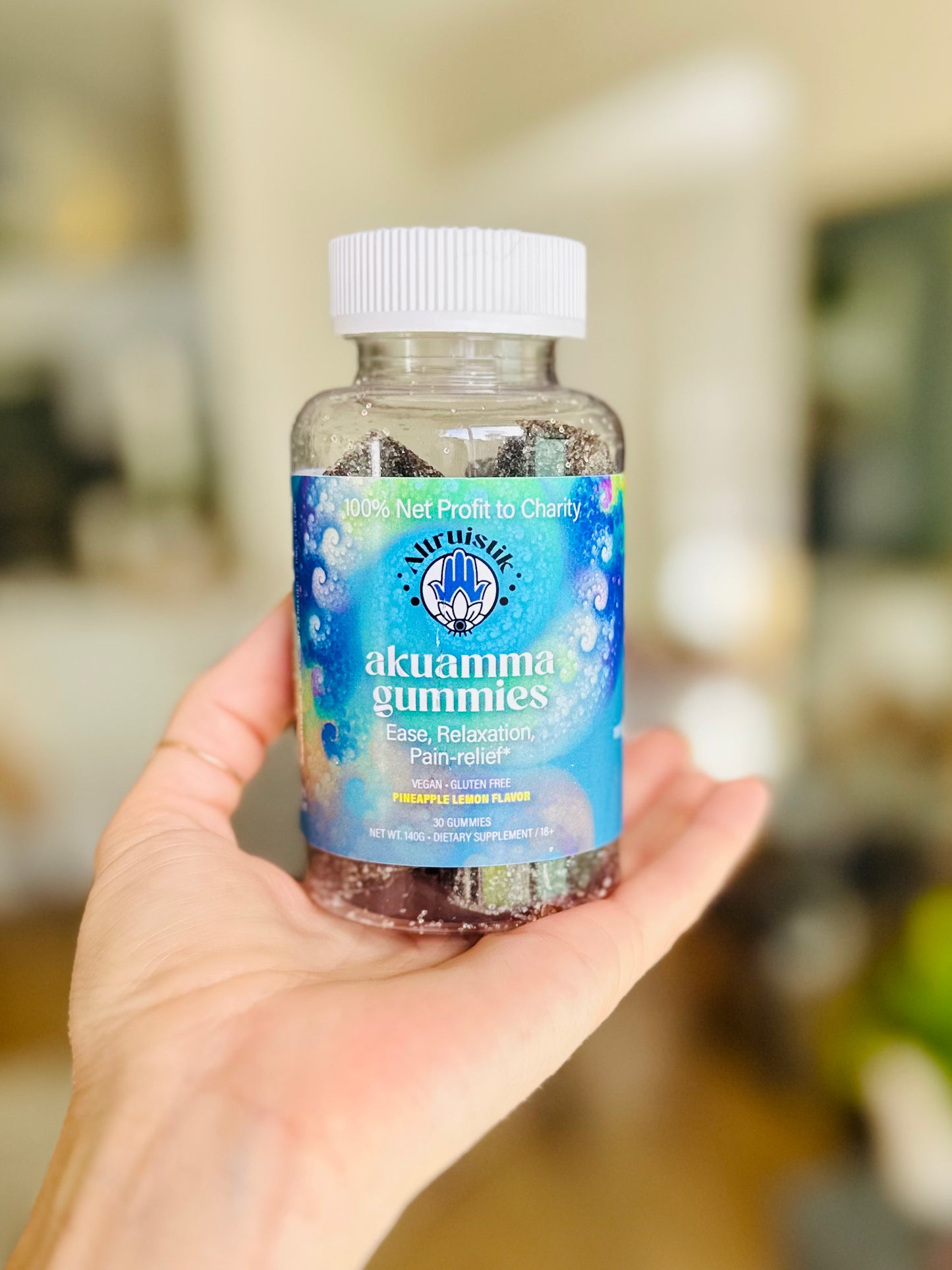
A certificate of analysis, or COA, is a lab report for one specific batch. For Akuamma Gummies, it's the document that can tie label claims like identity, strength, and cleanliness to measured results instead of marketing copy.
That matters here more than with ordinary candy. Akuamma Extract Gummies carry a plant extract from the Picralima nitida tree inside a pectin and cane sugar base. Extracts can shift from one harvest to the next. A gummy base can spread an ingredient unevenly if mixing slips. A COA is the one piece of paper that can show whether a batch matched its label. This guide walks through each part of a COA and how to use it when you compare Natural Relaxation Gummies.

The Short Answer on What a COA Tells You
A COA tells you what a lab found when it tested one batch of a product, and which methods it used. It can confirm the batch number, show tested ingredients against targets, and list screening results for contaminants. It doesn't tell you how you'll feel, and it isn't a government approval.
Think of it this way:
-
What it can show: the batch tested, the lab and test date, measured amounts, and screening results.
-
What it can't show: whether a gummy will suit you, or whether next month's batch will match this one.
-
What it never replaces: advice from your own healthcare provider.
Why a COA Matters for Akuamma Extract Gummies
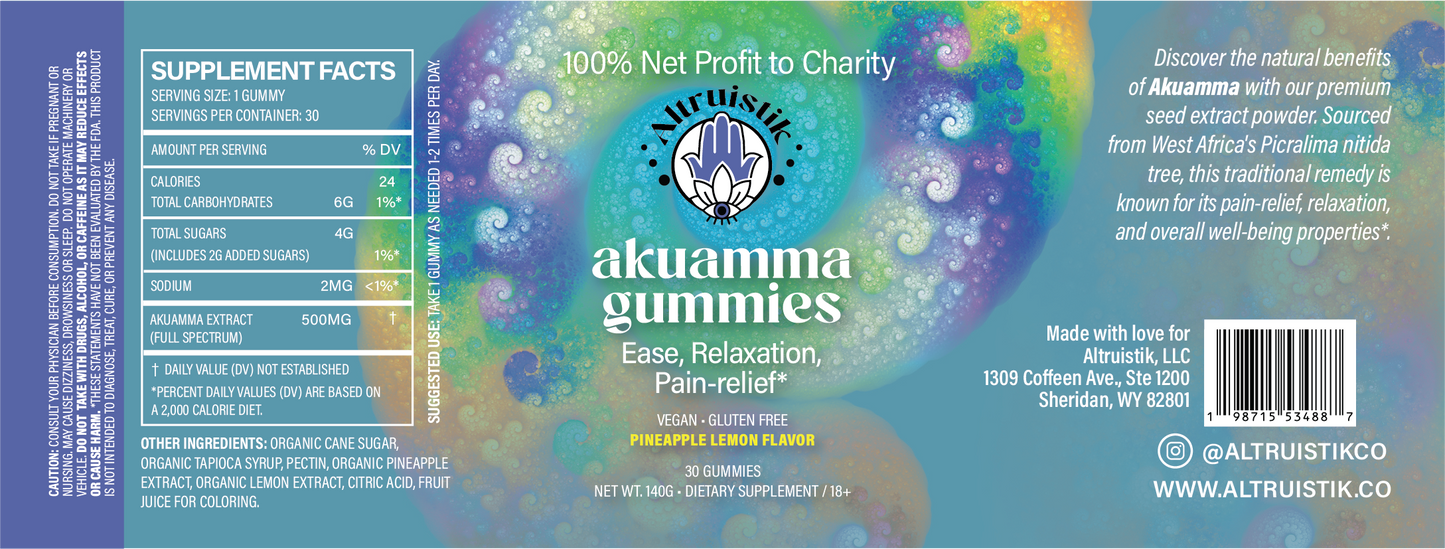
Our Akuamma Gummies product page lists the ingredients plainly. You'll see organic cane sugar, organic tapioca syrup, pectin, Akuamma extract, organic pineapple and lemon extracts, citric acid, and fruit juice for coloring. The page also says the gummies are vegan friendly and gelatin free. That's a short list, but each item behaves differently in a batch.
Botanical Extracts Can Vary From Batch to Batch
Plants don't come out identical every season. Growing conditions, harvest timing, and extraction methods all play a part. So an extract can differ a little between lots, even from the same supplier. A COA is how you check one lot instead of trusting an average.
Gummy Bases Make Even Mixing Important
Pectin sets as it cools. If an extract isn't blended well before that happens, one gummy can end up with more than the next. Strength testing on the finished gummy, not just the raw extract, speaks to that risk.
How to Read a COA Section by Section
Most COAs follow a similar order. You don't need a chemistry background to follow one.
Lot or Batch Number
This number should match the one printed on your bottle. If it doesn't, the report is about something else. Simple as that.
Lab Name and Test Date
A real report names the lab that ran the tests and shows a date. Some labs also list their accreditation. A missing lab name or a date from years ago is worth a question.
Identity and Strength Results
Here the lab reports what it measured in the product, usually as numbers. If a label carries a milligram figure, this is the section where that number should be backed by a measured result. Compare the two. Small differences are normal. Big gaps deserve an explanation.
Contaminant Screens
Many panels cover heavy metals and microbes. Some add pesticides or residual solvents. Each result should come with a limit, so you can see whether the batch stayed under it. Results marked "ND" mean not detected.
Methods and Limits
Look for the test method and the detection limit. They tell you how sensitive the test was. A result of "pass" with no number behind it tells you very little.
One more habit helps. Reports belong to a batch, so a COA from last spring doesn't vouch for the bottle you're holding today. When a brand restocks, the lot number changes and a new report should follow. If you buy Akuamma Gummies often, check the number each time.
What Federal Rules Expect Behind the Paperwork
A COA sits on top of a bigger system. Under 21 CFR 111.70, dietary supplement makers must set product specifications for each finished batch, along with limits on contaminants. The specifications cover four qualities:
-
Identity
-
Purity
-
Strength
-
Composition
A COA is one common way a brand can show a batch met its targets. Publishing it for customers is a brand choice, though, not something the rule hands you. So asking is up to you.
Red Flags on Natural Relaxation Gummies COAs
Not every report is worth the paper. Watch for these:
-
No lot number, or one that doesn't match your product
-
No named lab and no test date
-
Results that only say "pass" with no figures
-
A report on the raw extract only, with nothing on the finished gummy
-
Blurry screenshots that can't be read or checked
One red flag isn't always a dealbreaker. Several together tell a clear story.

What to Ask a Brand When There's No COA in Front of You
Plenty of products don't show a report on the page. That doesn't automatically mean something's wrong, but it does mean you should ask. A short message is enough. Keep the questions simple:
-
Was the finished gummy tested, or only the raw extract?
-
Which lab ran the tests, and on what date?
-
Can you share the report for the lot I'm buying?
Pay attention to how the answer comes back. A clear reply with specifics is a good sign. A vague one, or no reply at all, is information too. And if a brand does share a report, run it through the checks above before you decide.
How to Use a COA When Choosing Herbal Comfort Support
Once you've got a report in hand, a quick routine keeps you from getting lost.
-
Match the lot number to your bottle.
-
Check the lab name and date.
-
Compare measured strength to the label.
-
Scan the contaminant results for limits and numbers.
-
Ask the brand about anything that looks off.
Do this with every brand you're considering, including ours. It takes five minutes, and it tells you a lot about how a company handles questions.
What a COA Can't Tell You About How You'll Feel
A report can confirm what's in a gummy. It can't predict your experience. People respond differently to herbal comfort support, and a clean lab result doesn't change that.
Our product page asks you to consult a healthcare professional before use. It says the gummies aren't recommended for people who are pregnant or nursing. It also says to keep them out of reach of children and that they aren't intended to diagnose, treat, cure, or prevent any disease. The suggested use is one gummy up to twice per day, and you can start with the lowest amount that works for you.
Questions About Our Akuamma Gummies Documentation? Ask Altruistik
We'd rather you buy with confidence than with guesswork. If documentation matters to you, tell us.
What You Can See on Our Product Page
The page covers the ingredient list, suggested use, and the warnings above. You can try a 2 pack sample for $4.95 or pick up a 30 count bottle for $35. Free US ground shipping applies on orders of $35 and up, per the page.
How to Reach Us and Keep Reading
Questions about testing or batch details can go through our contact page. Our refund policy is there too if you want to read it before checkout. For more background, check out what makes Akuamma Gummies stand out or browse our education center.
Ready to try Natural Relaxation Gummies made with Akuamma extract? Shop Altruistik Akuamma Gummies and see how they fit into your routine.
Akuamma Gummies FAQs
Is a COA the same as FDA approval?
No. A COA is a lab report on one batch. It isn't an approval from any agency.
What is Akuamma extract made from?
According to our product page, it comes from the Picralima nitida tree.
Are Akuamma Gummies vegan?
Our page describes them as vegan friendly, with a pectin base and no gelatin.
How many Akuamma Gummies can I take in a day?
The suggested use is one gummy up to twice per day. Check with your healthcare provider first.
Can I take Akuamma Gummies with my medications?
Our page says anyone taking medications should talk with a healthcare provider before using them.