White lotus flowers have fascinated humans for thousands of years. Known for their beauty, purity, and spiritual symbolism, these flowers hold an important place in religion, wellness, and meditation practices. If you’re curious about the meaning, uses, and benefits of white lotus flowers this comprehensive guide is for you.
What Are White Lotus Flowers?
The white lotus (Nymphaea lotus) is an aquatic plant that grows in shallow ponds, lakes, and slow-moving rivers. Its most striking feature is its pure white petals, often floating gracefully above the water’s surface. The white lotus is not only admired for its beauty but also revered for its symbolic and spiritual significance across cultures.
White lotus flowers bloom in the morning and close at night, symbolizing renewal and enlightenment. They are common in Buddhist, Hindu, and Egyptian traditions, representing purity of mind, body, and spirit.
Symbolism of White Lotus Flowers
The white lotus is one of the most symbolic flowers in the world. Its meanings include:
-
Purity and Innocence: White lotus flowers rise from muddy waters, yet remain untouched and clean. This makes them a universal symbol of purity.
-
Spiritual Enlightenment: In Buddhism, the white lotus is associated with spiritual awakening and enlightenment. It represents the journey from ignorance to wisdom.
-
Peace and Serenity: The gentle white petals symbolize calm, tranquility, and inner peace.
-
New Beginnings: Since the lotus blooms daily, it is also a symbol of renewal and fresh starts.
-
Divine Beauty: Many ancient cultures, including Egyptians and Hindus, consider the white lotus as a representation of divine beauty and cosmic harmony.
White Lotus Flowers in Spiritual Practices
White lotus flowers have deep roots in meditation, yoga, and wellness rituals:
-
Meditation and Mindfulness: Practitioners often use white lotus flowers as a visual focal point during meditation to cultivate calm and clarity.
-
Yoga Symbolism: The lotus pose (Padmasana) is inspired by the lotus flower, promoting balance and grounding during meditation.
-
Altar Decoration: In spiritual traditions, white lotus flowers are placed on altars as a symbol of purity, offering, and devotion.
-
Essential Oils and Aromatherapy: White lotus extracts are used in oils and incense to create a serene and spiritual atmosphere.
Health Benefits of White Lotus Flowers

Beyond spirituality, white lotus flowers have medicinal and wellness benefits:
1. Stress Reduction
The gentle aroma of white lotus flowers helps calm the mind and reduce stress, making it popular in aromatherapy.
2. Skin Care
White lotus extracts are rich in antioxidants, which can help nourish the skin, reduce inflammation, and promote a youthful glow.
3. Relaxation and Sleep
Lotus teas or bath products infused with white lotus flowers promote relaxation and can improve sleep quality.
4. Heart Health
Some studies suggest that white lotus flower extracts may support healthy blood pressure and circulation due to natural alkaloids in the plant.
How to Grow White Lotus Flowers
Growing white lotus flowers requires patience and care, as they thrive in aquatic environments.
Steps to Grow White Lotus:
-
Choose a Container or Pond: Shallow ponds or water containers with at least 12 inches depth work well.
-
Plant Lotus Tubers: Lotus tubers should be planted in clay soil at the bottom of the water container.
-
Provide Sunlight: White lotus flowers require full sun for at least 6 hours daily.
-
Maintain Water Quality: Ensure clean, fresh water and avoid stagnant or polluted water.
-
Patience: Lotus tubers may take a few weeks to sprout, but the reward is beautiful blooms.
White Lotus Flowers in Meditation and Mindfulness

In spiritual practices, white lotus flowers are not just decorative, they're tools for mindfulness.
-
Visual Focus: Meditating while focusing on a lotus flower can enhance concentration and clarity.
-
Symbolic Contemplation: Observing the lotus rise from muddy waters reminds practitioners that they can overcome life’s challenges and maintain purity.
-
Guided Lotus Meditation: Imagine a white lotus blooming in your heart center to cultivate peace, compassion, and inner wisdom.
White Lotus in Culture and Religion
White lotus flowers appear in many cultural and religious contexts:
-
Buddhism: Symbolizes spiritual enlightenment and purity of thought. Often seen in Buddha statues and paintings.
-
Hinduism: Associated with deities like Lakshmi and Brahma, representing prosperity and purity.
-
Ancient Egypt: Represented rebirth and creation. Lotus flowers appear in hieroglyphs and sacred art.
-
Chinese Culture: Symbolizes harmony, peace, and eternal beauty.
This universal symbolism makes the white lotus a powerful emblem of spiritual growth and aesthetic beauty.
Ways to Use White Lotus Flowers
You can enjoy white lotus flowers in several ways:
-
Home Decor: Floating white lotus flowers in a bowl or pond adds elegance and tranquility.
-
Tea and Infusions: Lotus flower tea can calm the mind and aid relaxation.
-
Meditation Practice: Place a white lotus flower on your altar or in your meditation space.
-
Skincare Products: White lotus extracts are used in creams, lotions, and masks.
-
Aromatherapy: Lotus-scented candles, oils, and incense promote serenity.
Buying White Lotus Flowers
When purchasing white lotus flowers, consider:
-
Fresh vs. dried flowers
-
Organic or pesticide-free options
-
White lotus tea or extracts for wellness purposes
-
Ethical and sustainable sourcing
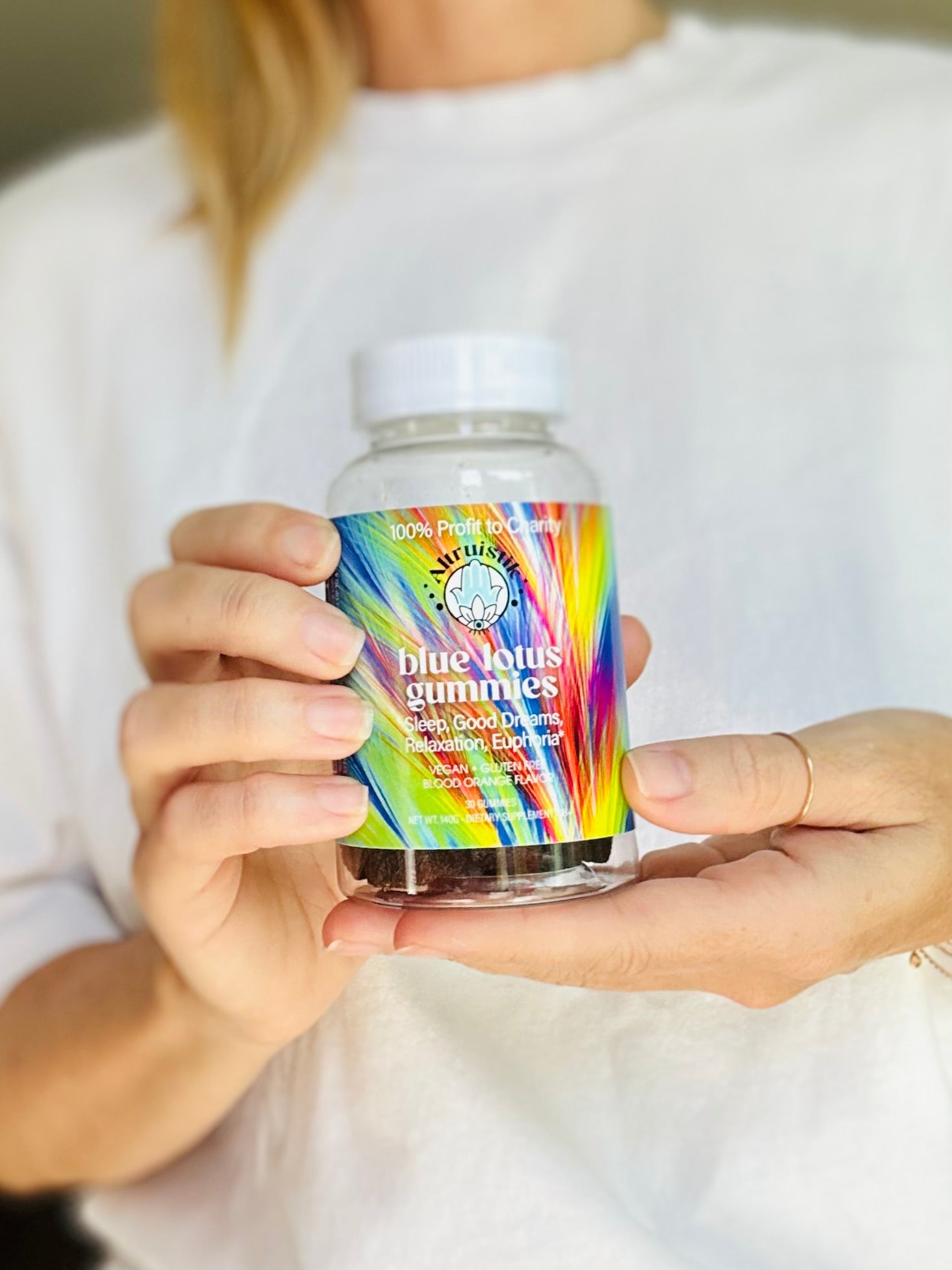
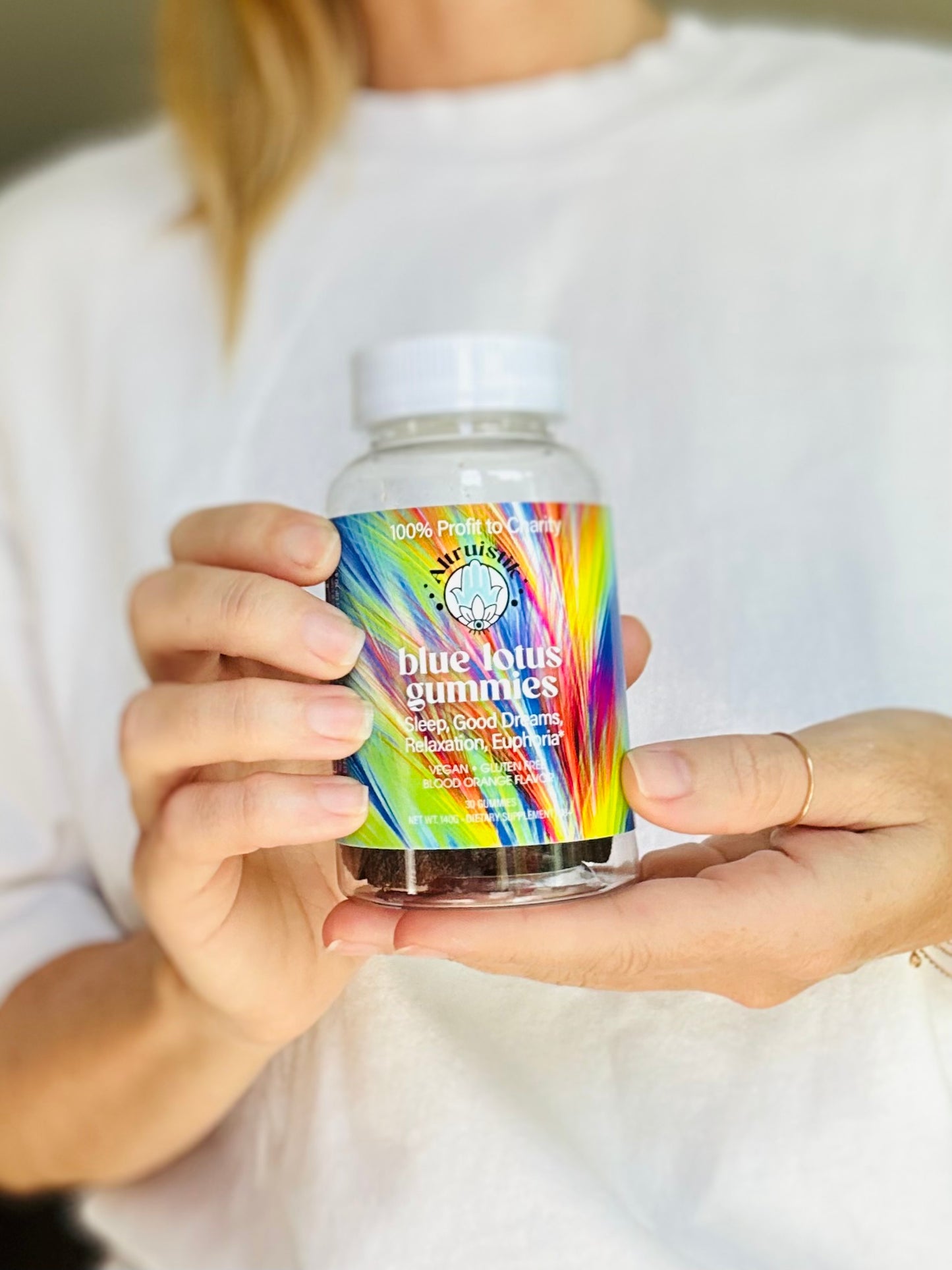
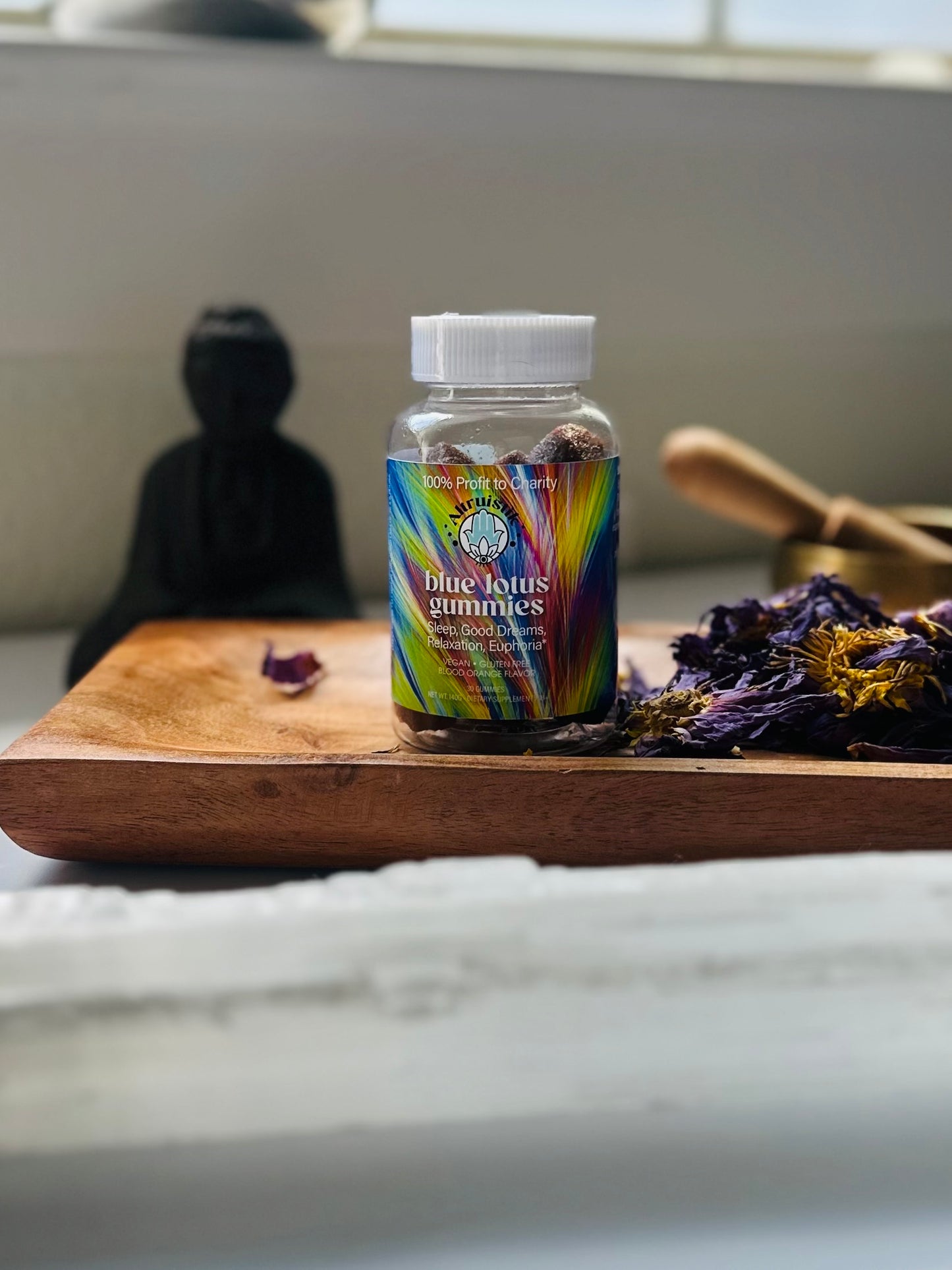
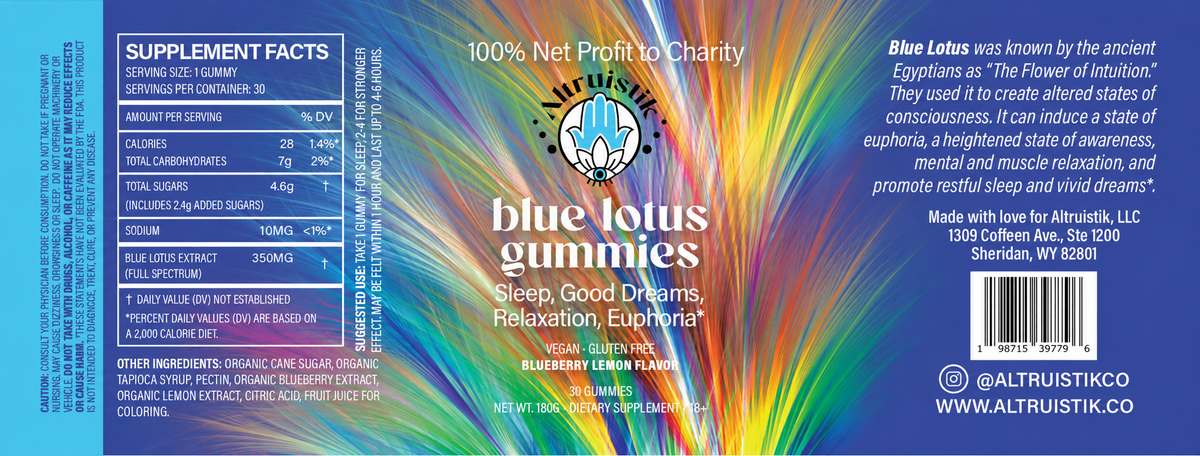
At Altruistik, you can find premium wellness products inspired by natural and spiritual elements, including white lotus-based offerings.
FAQ
1. What do white lotus flowers symbolize?
White lotus flowers symbolize purity, spiritual enlightenment, peace, and new beginnings. They are revered in Buddhism, Hinduism, and ancient Egyptian traditions.
2. Can I grow white lotus flowers at home?
Yes! They grow in shallow ponds or water containers with full sunlight and clay soil. Patience is key, as they may take weeks to bloom.
3. Are white lotus flowers edible?
Yes, the petals and seeds of the lotus plant are edible. They are used in tea, desserts, and wellness infusions.
4. How are white lotus flowers used in meditation?
They are used as a visual focal point or symbol during meditation to cultivate mindfulness, inner peace, and spiritual growth.
5. Do white lotus flowers have health benefits?
Yes. White lotus flowers may reduce stress, improve sleep, support skin health, and promote relaxation through aromatherapy.
6. What is the difference between white lotus and pink lotus?
White lotus represents purity and spiritual enlightenment, while pink lotus is often associated with Buddha, devotion, and love.
7. Can children and adults use white lotus flowers?
Yes. White lotus flowers are safe for all ages when used for teas, aromatherapy, or meditation practices.
8. How do white lotus flowers benefit skin and beauty?
White lotus extracts have antioxidant and anti-inflammatory properties that soothe skin, reduce redness, and improve overall complexion.
Conclusion
White lotus flowers are more than just a beautiful aquatic plant. They are a symbol of purity, spiritual awakening, and peace, with multiple wellness and cultural benefits. Whether used in meditation, home decor, or herbal teas, white lotus flowers offer a unique combination of beauty, symbolism, and health benefits. For those seeking wellness products inspired by natural and spiritual traditions, Altruistik provides quality offerings that honor the calming and restorative essence of white lotus flowers
Explore the world of white lotus flowers and let their serenity and symbolism transform your space and mind.