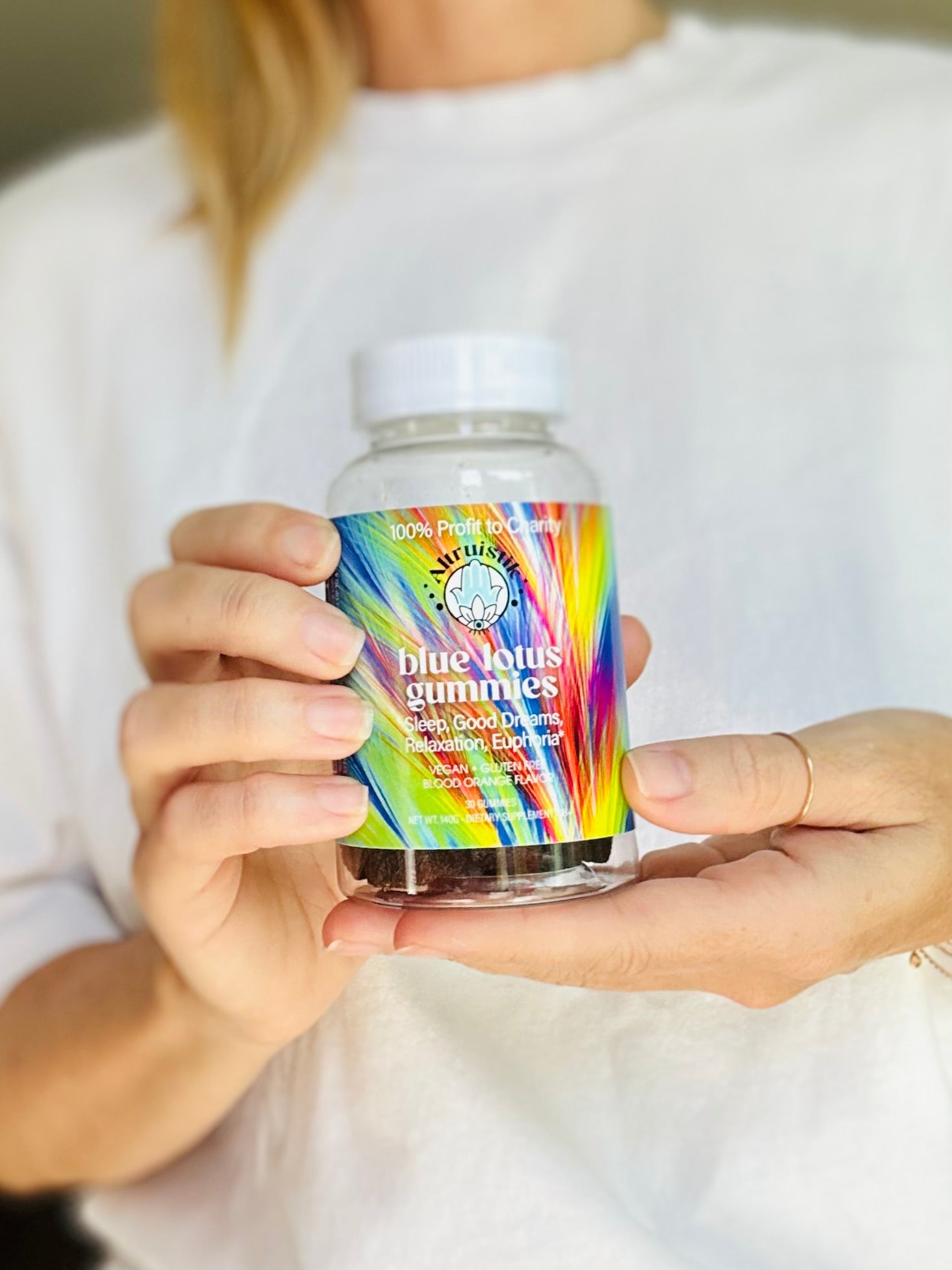
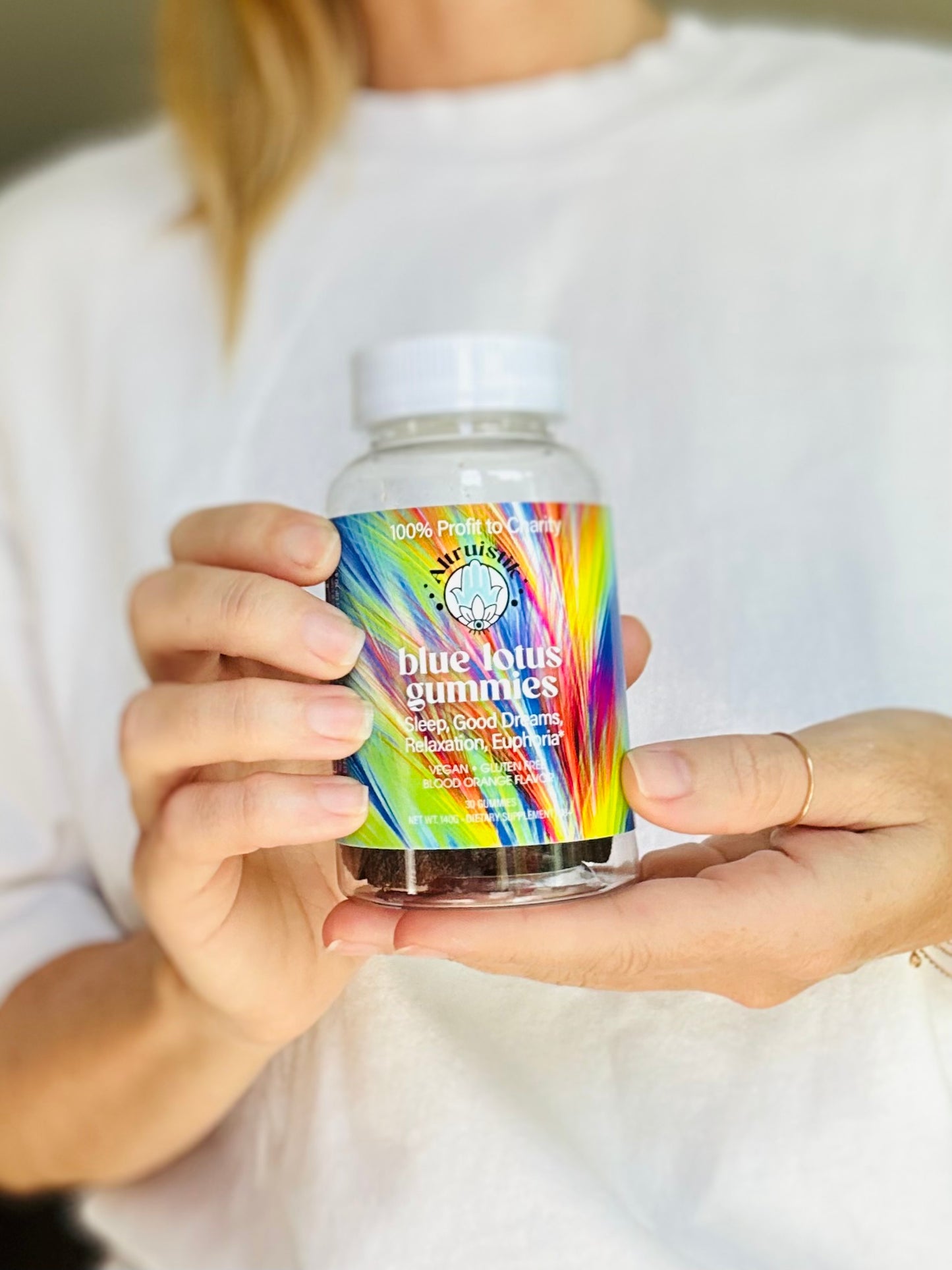
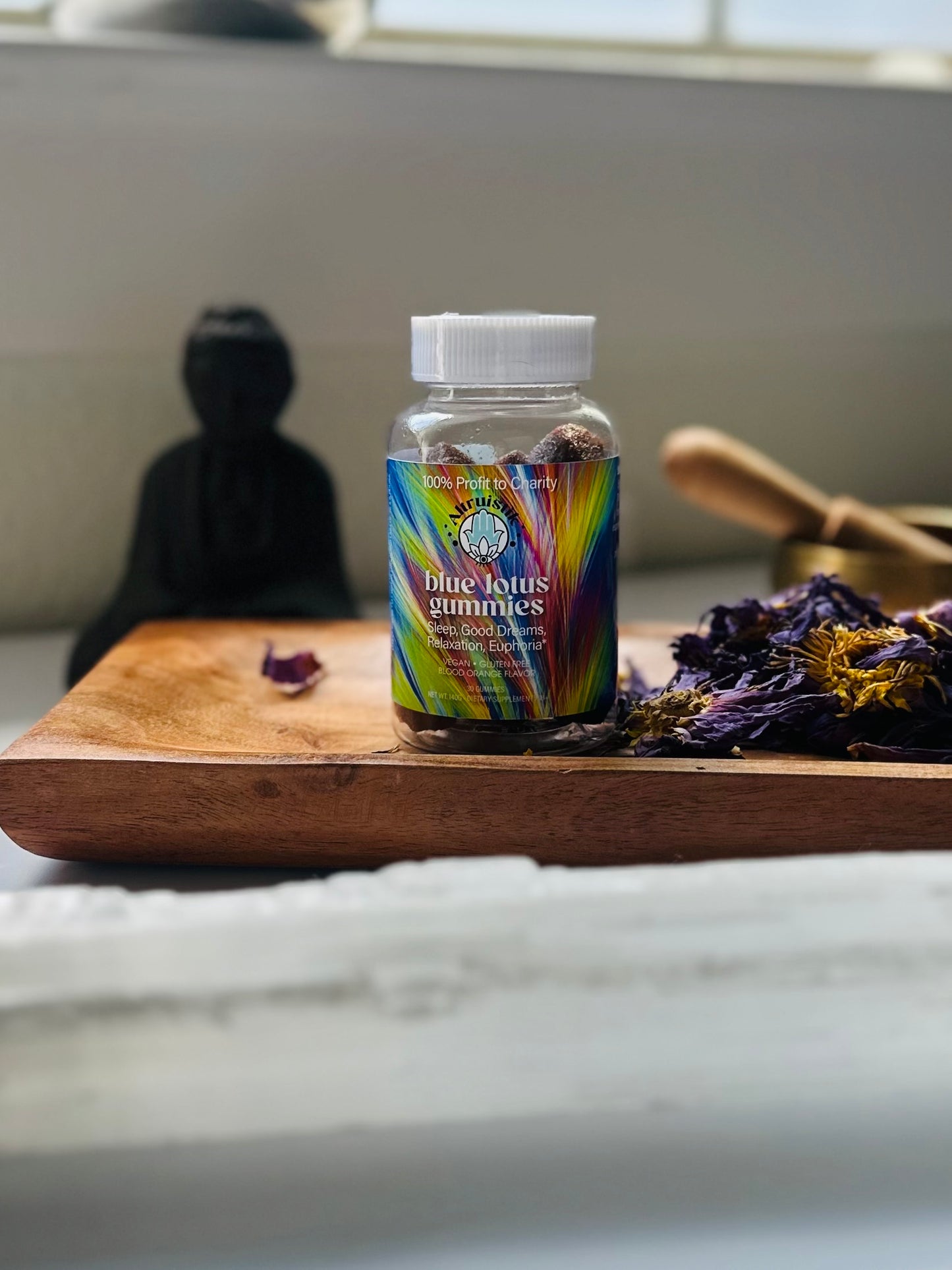
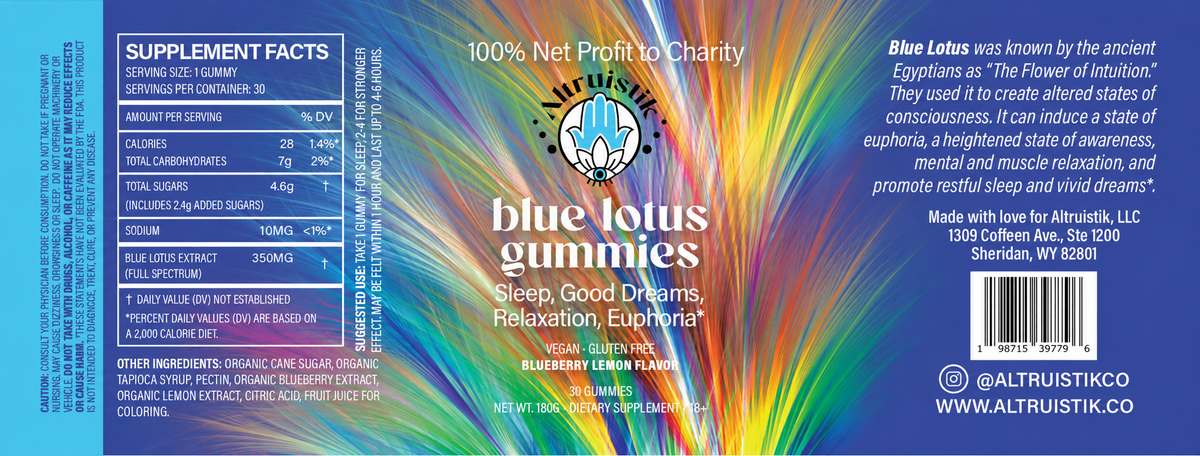
Blue lotus flowers are among the most beautiful and spiritually significant flowers in the world. Known for their calming fragrance, stunning blue petals, and deep symbolic meaning, blue lotus flowers have been admired for thousands of years in ancient cultures such as Egypt and Asia. Today, these flowers are becoming increasingly popular for wellness, meditation, skincare, herbal tea, and spiritual practices.
People often search for blue lotus flowers because of their natural calming properties and unique historical importance. Whether you are interested in their spiritual symbolism, health benefits, or decorative beauty, blue lotus flowers offer something truly special.
In this guide, we will explore everything about blue lotus flowers, including their meaning, benefits, uses, history, and why they continue to attract attention worldwide.
What Are Blue Lotus Flowers?
Blue lotus flowers are aquatic plants scientifically known as Nymphaea caerulea. They are commonly referred to as blue water lilies and are native to regions of Egypt and parts of Asia. Unlike regular lotus flowers, blue lotus flowers are recognized for their vibrant blue and purple petals surrounding a bright yellow center.
Historically, blue lotus flowers were considered sacred in ancient Egypt and were often associated with spirituality, relaxation, and rebirth. Ancient paintings and carvings frequently featured blue lotus flowers during religious ceremonies and royal rituals.
Today, these flowers are cultivated worldwide due to their beauty and growing popularity in herbal wellness products.
History of Blue Lotus Flowers
The history of blue lotus flowers dates back more than 3,000 years. Ancient Egyptians believed that blue lotus flowers symbolized the sun, creation, and spiritual awakening. The flower closes at night and blooms again in the morning, representing rebirth and renewal.
Blue lotus flowers were commonly used in:
-
Religious ceremonies
-
Meditation practices
-
Herbal infusions
-
Perfumes and oils
-
Artistic decorations
Ancient Egyptian temples often displayed blue lotus flower imagery because the flower represented purity and divine connection.
In some Asian traditions, blue lotus flowers are also linked to wisdom, enlightenment, and inner peace.
Blue Lotus Flowers Meaning and Symbolism
Blue lotus flowers carry powerful symbolic meanings across different cultures. Some of the most common meanings include:
1. Spiritual Enlightenment
Blue lotus flowers are strongly connected with meditation and higher consciousness. Many people use them during spiritual practices to promote mental clarity and calmness.
2. Purity and Rebirth
Because the flower blooms beautifully from muddy water, it symbolizes purity rising above negativity and challenges.
3. Peace and Relaxation
The soothing fragrance and calming effects of blue lotus flowers are associated with emotional balance and stress relief.
4. Wisdom and Knowledge
In many traditions, blue lotus flowers represent wisdom, intelligence, and spiritual growth.
Health Benefits of Blue Lotus Flowers
Blue lotus flowers are widely appreciated for their natural wellness benefits. While research is still ongoing, many users report positive effects when using blue lotus products responsibly.
1. Helps Promote Relaxation
Blue lotus flowers are commonly used in herbal teas and extracts because they may help reduce stress and support relaxation. Many people use them after a long day to calm the mind.
2. Supports Better Sleep
The calming nature of blue lotus flowers may help improve sleep quality and relaxation before bedtime.
3. May Enhance Meditation
People practicing yoga and meditation often use blue lotus flowers to create a peaceful environment and support mindfulness.
4. Rich in Antioxidants
Blue lotus flowers contain natural antioxidants that may help protect the body from oxidative stress.
5. Natural Aromatherapy Benefits
The floral aroma of blue lotus flowers is often used in essential oils, perfumes, and incense to promote emotional wellness.
Popular Uses of Blue Lotus Flowers
Blue lotus flowers are used in various ways around the world.
Herbal Tea
One of the most common uses of blue lotus flowers is herbal tea. Dried petals are steeped in hot water to create a calming beverage.
Essential Oils
Blue lotus flower oil is popular in aromatherapy because of its relaxing fragrance.
Meditation and Spiritual Practices
Many people use blue lotus flowers during yoga and meditation sessions to support focus and peace.
Skincare Products
Some skincare products contain blue lotus flower extracts due to their antioxidant properties.
Decorative Flowers
Blue lotus flowers are also admired for their beauty in ponds, gardens, and floral arrangements.
Why Blue Lotus Flowers Are Becoming Popular
The popularity of blue lotus flowers has increased significantly in recent years due to the growing interest in natural wellness and spiritual living.
People are increasingly searching for:
-
Natural relaxation remedies
-
Herbal wellness products
-
Meditation support
-
Unique flowers with symbolic meaning
-
Holistic lifestyle products
Blue lotus flowers fit perfectly into these wellness trends because they combine beauty, history, and natural benefits.

How to Use Blue Lotus Flowers Safely
Although blue lotus flowers are generally used in teas and wellness products, it is important to use them responsibly.
Here are some tips:
-
Purchase from trusted sources
-
Follow product instructions carefully
-
Avoid excessive consumption
-
Consult a healthcare professional if pregnant or taking medication
Using high-quality blue lotus flower products ensures better safety and effectiveness.
Growing Blue Lotus Flowers at Home
Many gardening enthusiasts enjoy growing blue lotus flowers because of their striking appearance.
Growing Tips:
-
Use a large pond or water container
-
Ensure plenty of sunlight
-
Maintain warm temperatures
-
Plant in aquatic soil
-
Keep water clean and fresh
With proper care, blue lotus flowers can bloom beautifully and enhance the appearance of any garden or water feature.
Difference Between Lotus and Water Lily
Many people confuse blue lotus flowers with water lilies. While they are similar, there are differences.
Lotus Flowers:
-
Leaves rise above water
-
Sacred in many cultures
-
Larger flowers
Water Lilies:
-
Leaves float on water
-
Wider color variety
-
Common in decorative ponds
Blue lotus flowers are technically considered water lilies, although they are commonly called lotus flowers due to historical traditions.
Blue Lotus Flowers in Modern Wellness
Today, blue lotus flowers are widely included in:
-
Herbal teas
-
Relaxation blends
-
Essential oils
-
Meditation products
-
Luxury skincare
-
Natural perfumes
As interest in holistic wellness continues to grow, blue lotus flowers remain one of the most fascinating botanical ingredients available.
Conclusion
Blue lotus flowers are much more than beautiful aquatic plants. They carry deep historical, spiritual, and wellness significance that has lasted for thousands of years. From ancient Egyptian rituals to modern meditation practices, blue lotus flowers continue to inspire people seeking peace, relaxation, and spiritual connection.
Whether you appreciate blue lotus flowers for their symbolic meaning, calming properties, or decorative beauty, they remain one of nature’s most unique and admired flowers.
As awareness of natural wellness grows, blue lotus flowers are likely to become even more popular worldwide.
FAQs About Blue Lotus Flowers
1. What are blue lotus flowers used for?
Blue lotus flowers are commonly used for herbal tea, meditation, aromatherapy, skincare, and spiritual practices.
2. Are blue lotus flowers safe?
When used responsibly and purchased from trusted sources, blue lotus flowers are generally considered safe for most adults.
3. Why are blue lotus flowers famous?
Blue lotus flowers are famous because of their ancient Egyptian history, spiritual symbolism, calming effects, and beautiful appearance.