Kanna (Sceletium tortuosum) offers potent, fast-acting relief from anxiety and stress, making it one of the most exciting mood-enhancing botanicals on the market. However, Kanna’s rising popularity has unfortunately led to a proliferation of low-quality, untested, or even adulterated products.
Without proper verification, you risk purchasing inert plant material, consuming harmful contaminants, or experiencing unpredictable effects. Your safety and the effectiveness of your supplement depend entirely on the quality of the source.
This guide equips you with the crucial knowledge to become a savvy consumer, helping you identify red flags and ensure you only purchase pure, potent Kanna.
🔬 Purity Test: The Third-Party Certificate of Analysis (COA)

In the Kanna market, the Certificate of Analysis (COA) is your single most important safety tool. It is the only way to scientifically confirm what you are actually consuming.
- What the COA Must Confirm: A reputable vendor will provide a recent, batch-specific COA from an independent, ISO-accredited laboratory that verifies two main areas:
- Potency (Alkaloid Profile): The COA must list the specific concentration of the key alkaloids, especially Mesembrine (the primary active compound), and ideally, Mesembrenone. This confirms the product is active and potent.
- Safety (Purity Checks): It must demonstrate the absence of contaminants, including:
- Heavy Metals (a common issue in plant-based products).
- Pesticides and Herbicides.
- Microbial Contaminants (e.g., mold, E. coli).
- Demand Specificity: If a vendor provides a generic COA that is not tied to the specific batch number you are purchasing, or if they refuse to show documentation entirely, it is a major red flag.
The Bottom Line: Never trust a label that isn't backed by independent lab data.
🏷️ Red Flags in Labeling: What to Avoid

Low-quality vendors often use vague or misleading language to disguise weak potency or poor material. Pay close attention to these warning signs on the label:
- Vague Ingredient Listings: Avoid products that simply list "Kanna Powder" or "Sceletium tortuosum" without any specific alkaloid quantification. This usually indicates inert, unstandardized plant material that will likely have minimal effect.
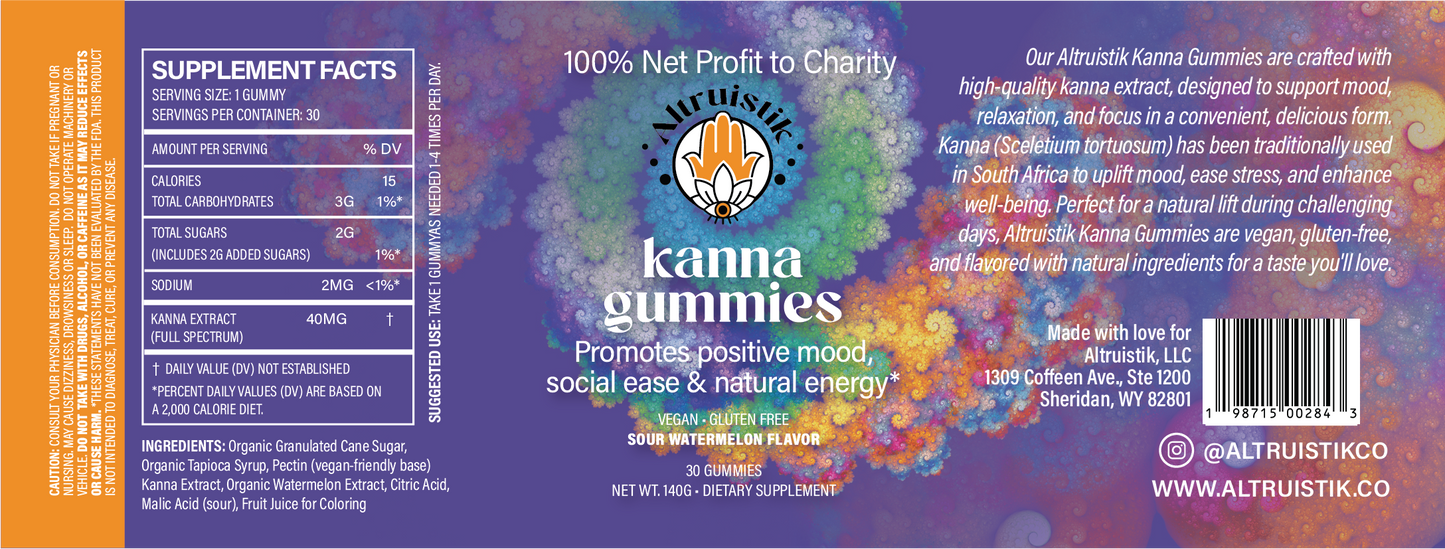
- The Missing Standardized Percentage: High-quality extracts will always specify their potency, such as "Standardized to 0.5% Mesembrine" or "Contains $25 \text{mg}$ Mesembrine per serving." If the percentage is missing, the dose is unpredictable.
- Non-Disclosure of Origin: While not strictly a safety issue, vendors who hide the source of their Kanna may be using wild-harvested material that lacks quality control or is grown in contaminated soil. Look for ethically sourced and clearly documented origins.
- Inconsistent Dosage Claims: Be wary of products that make extremely high dosage claims that seem disproportionate to the actual amount of standardized extract used.
🌿 The Raw Plant vs. Extract Quality: Understanding Potency

Kanna comes in many forms, but the greatest difference in quality lies between the whole, dried plant material and concentrated extracts.
- Raw Kanna Powder (The Weaker Option):
- Description: This is simply the dried, ground leaves and stems of the plant.
- Potency: While traditional, the potency is highly variable and low (often less than $0.05\%$ total alkaloids). It requires much larger doses to feel an effect and is difficult to dose accurately.
- Standardized Kanna Extract (The Potent Option):
- Description: The active alkaloids are chemically isolated and concentrated, often standardized to a specific percentage of Mesembrine.
- Potency: These extracts (e.g., $50:1$ concentration or $0.5\%$ Mesembrine) are significantly more potent and reliable. They allow for precise microdosing and predictable effects, making them the superior choice for therapeutic use.
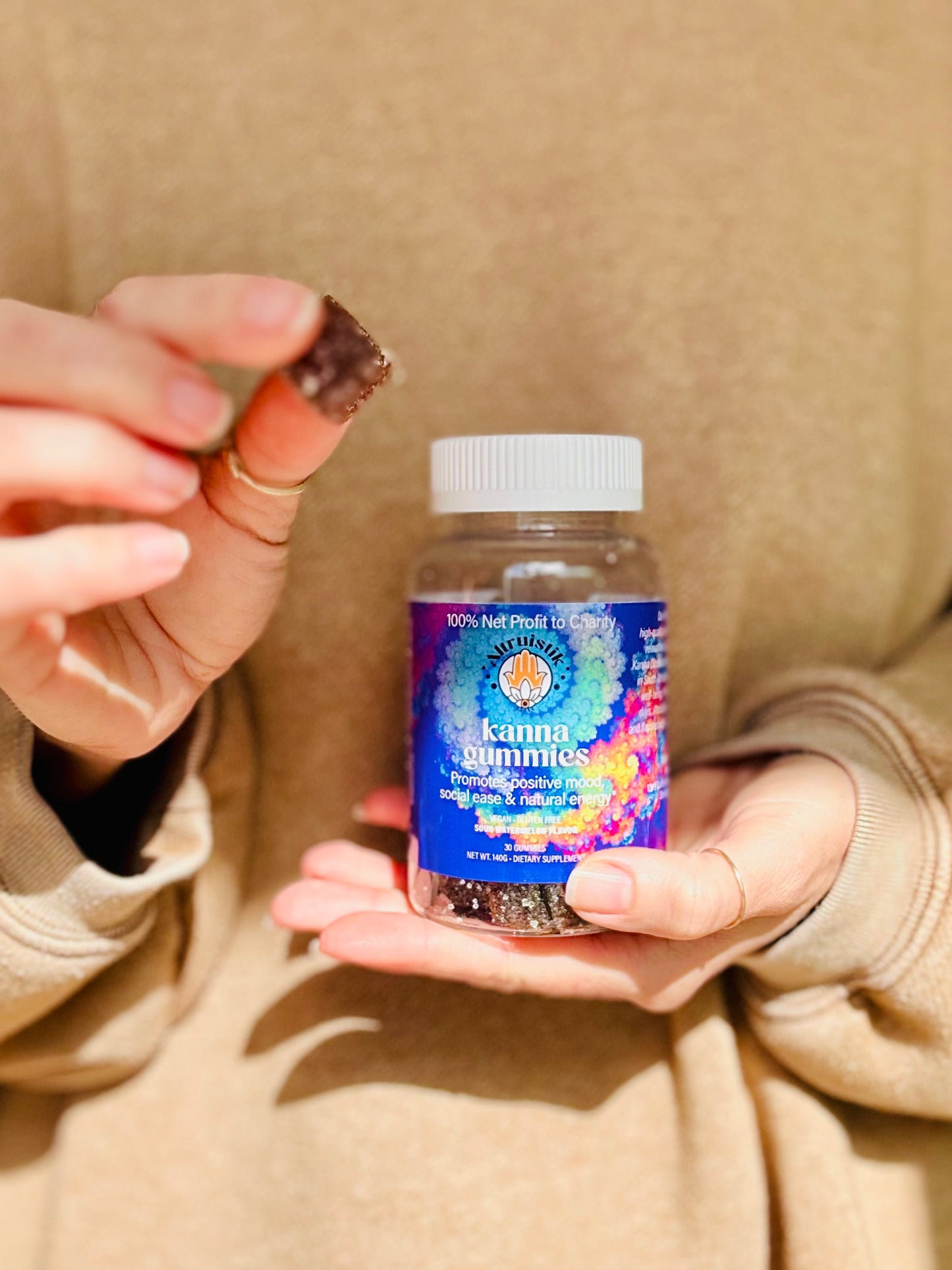
If you are purchasing a capsule, tincture, or gummy, it should be made using a standardized, verified extract, not raw powder.
🚫 Avoiding Adulteration: The Hidden Danger
Adulteration—the practice of spiking or mixing a product with undeclared substances—is a serious concern in the unregulated supplement industry.
- Undisclosed Ingredients: Unscrupulous vendors may mix low-quality Kanna with cheaper, undisclosed herbs (like certain strains of Salvia or Valerian) to mimic a stronger effect or simply bulk up the product. This makes the effects unpredictable and can cause dangerous interactions.
- The Synthetic Spike: The most dangerous form of adulteration involves spiking products with synthetic compounds or research chemicals to provide a massive, immediate "kick" that convinces the buyer the Kanna is extremely potent. This is highly illegal and incredibly dangerous.
- Self-Protection: Your best defense against adulteration is the COA. Contaminants or unlisted synthetic spikes will typically be flagged during comprehensive third-party testing. If the vendor avoids full spectrum lab testing, assume adulteration is a possibility.

Ready to choose safety and efficacy in your mood-boosting routine?
The power of Kanna is undeniable, but it is only unlocked when you insist on verifiable quality. By demanding the COA, scrutinizing labels for alkaloid standardization, and choosing reputable extracts, you secure a clean, predictable, and beneficial experience.
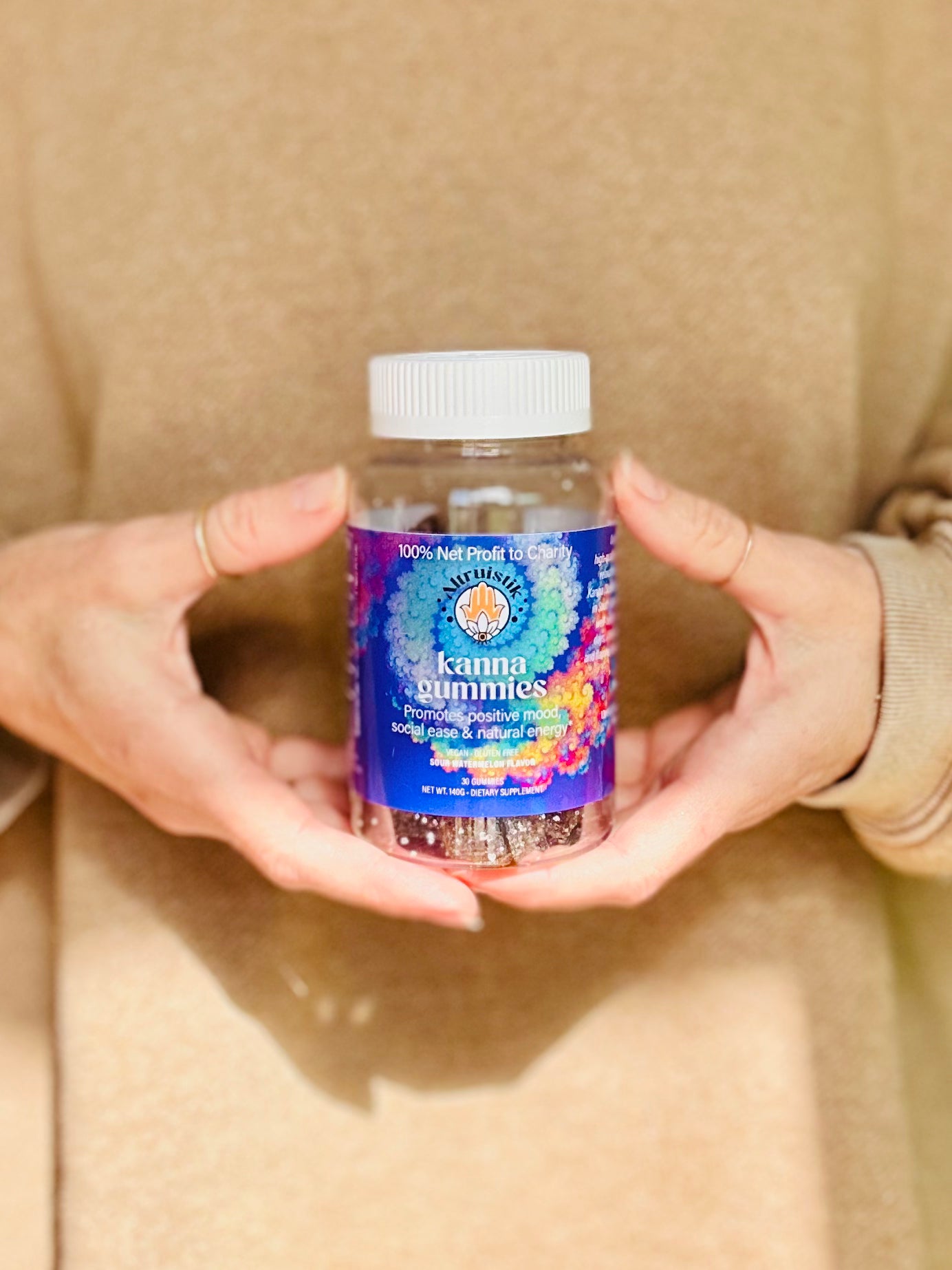
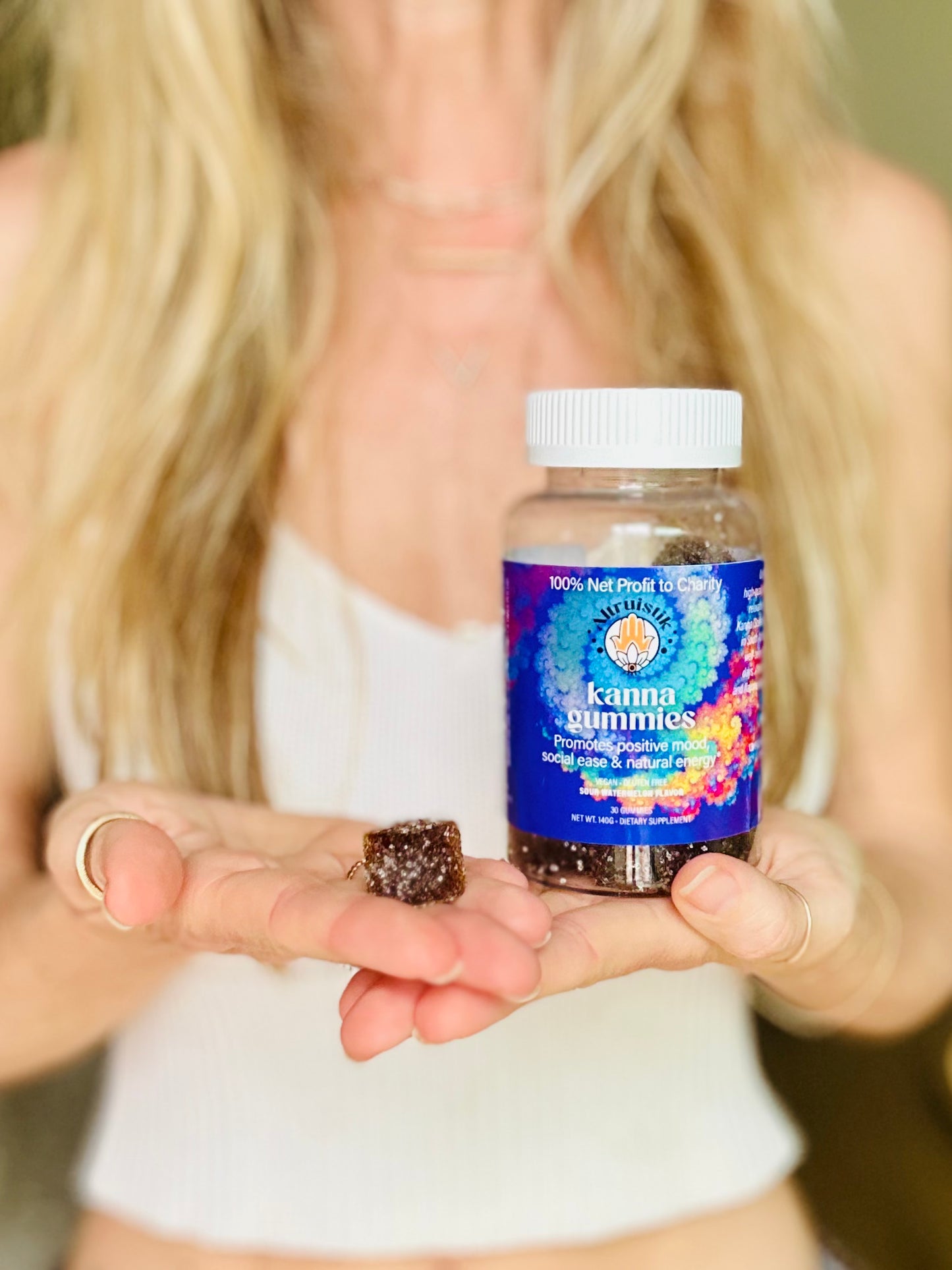
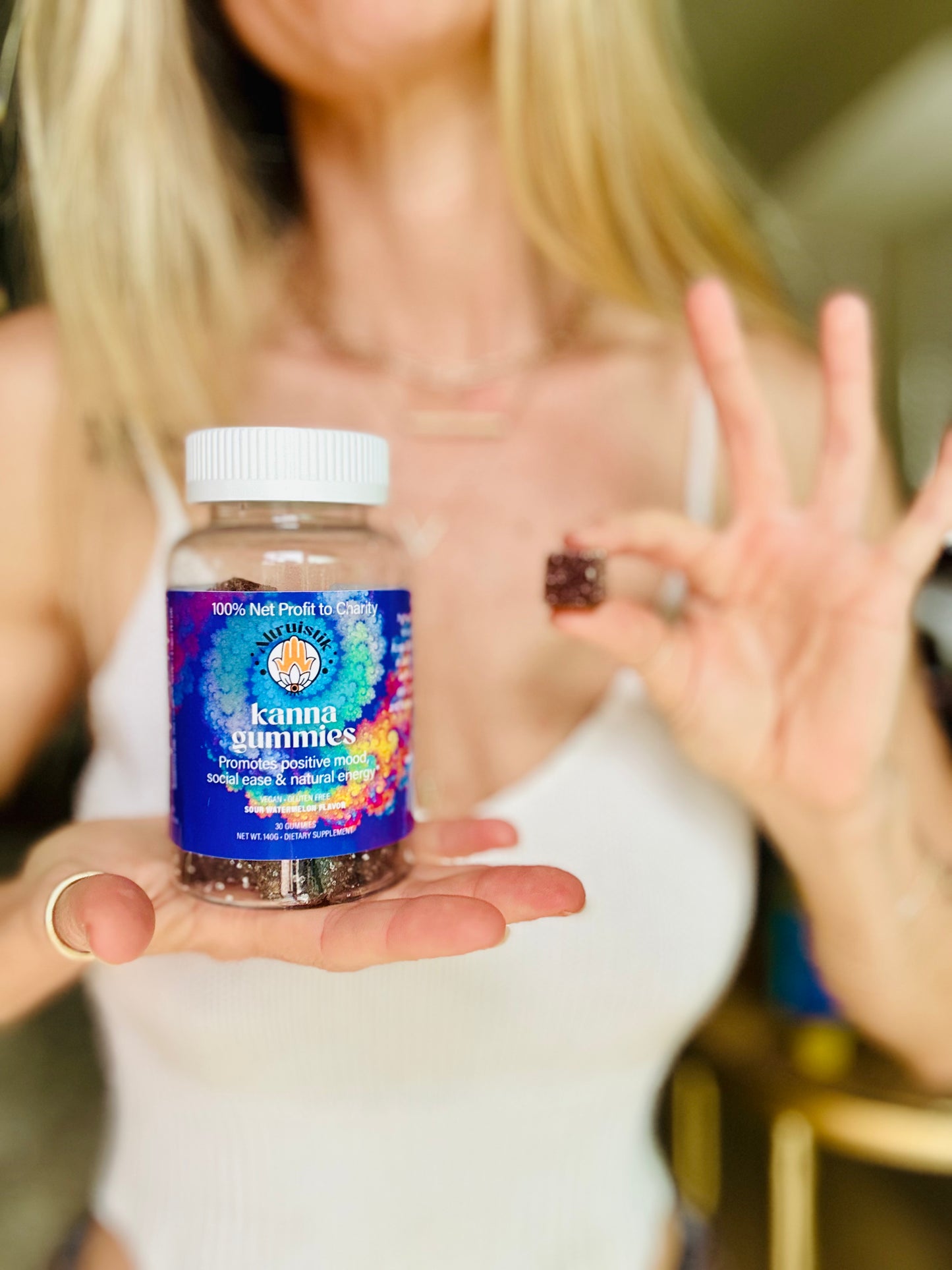
Don't settle for inert powder or risky unknowns. Demand scientific proof and clinical excellence— Try our expertly standardized Kanna gummies today and feel the difference of guaranteed purity!